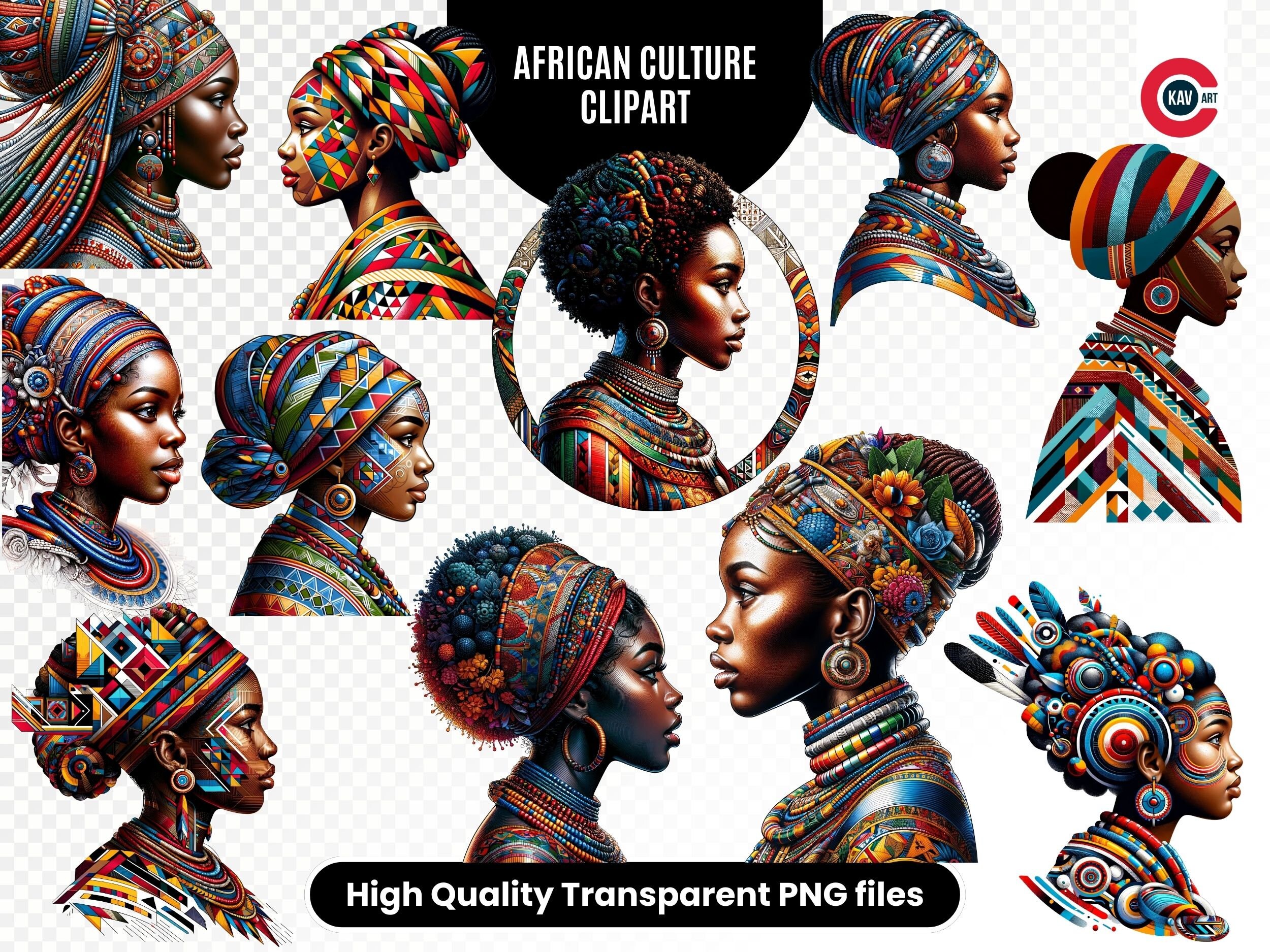
African culture clip art refers to a diverse range of digital illustrations, icons, and graphics that represent the rich heritage, traditions, symbols, and peoples of the African continent. In 2026, these assets are essential for educators, designers, and marketers seeking to provide authentic representation. Finding high-quality, culturally sensitive clip art involves understanding specific regional aesthetics, file formats like SVG and PNG, and the nuances of licensing for commercial or educational use.
The Significance of Authentic Cultural Representation
The demand for African culture clip art has evolved significantly over the last decade. Historically, digital assets often relied on generic or stereotypical "tribal" motifs that failed to acknowledge the vast diversity of the 54 countries within Africa. In 2026, the focus has shifted toward specificity. Authentic clip art now distinguishes between the geometric precision of West African Adinkra symbols, the intricate beadwork patterns of the Maasai in East Africa, and the unique architectural silhouettes of North African medinas.
Using culturally accurate clip art is not merely an aesthetic choice; it is a matter of respect and educational integrity. For educators, using a specific "Sankofa" bird symbol allows for a lesson on the Akan people of Ghana, whereas a generic "African bird" provides no such depth. For businesses, authenticity in design helps build trust with diverse audiences and avoids the pitfalls of cultural appropriation that arise from using sacred symbols in inappropriate commercial contexts.
Categorizing African Culture Clip Art
To navigate the vast landscape of available digital assets, it is helpful to categorize clip art by its subject matter. This categorization ensures that users can find the specific imagery required for their projects while maintaining cultural context.
Traditional Symbols and Script
Symbols are perhaps the most popular form of African culture clip art. These are often used in branding, stationery, and educational materials.
- Adinkra Symbols: Originating from the Akan people of Ghana, these symbols represent concepts or aphorisms. Common examples found in clip art bundles include the "Gye Nyame" (supremacy of God) and "Duafe" (wooden comb representing femininity and beauty).
- Nsibidi: An ancient system of symbols from southeastern Nigeria, often used in more specialized or artistic digital collections.
- Hieroglyphs: While often categorized separately under "Ancient Egypt," these are foundational African symbols frequently included in continental clip art sets.
Textiles and Patterns
African textiles are world-renowned for their vibrant colors and complex meanings. Digital clip art often provides these as "seamless patterns" or individual decorative borders.
- Kente Cloth: Characterized by interwoven cloth strips, the patterns and colors in Kente clip art often carry specific meanings, such as blue for peace and gold for royalty.
- Bogolanfini (Mudcloth): Hailing from Mali, these patterns typically feature white or cream geometric shapes on a dark background. They are highly sought after for modern, minimalist web design.
- Ankara/Wax Print: These are modern, bold floral and abstract patterns widely used across West and Central Africa.
People and Traditional Attire
Representing the people of Africa requires attention to clothing, hairstyles, and accessories. High-quality 2026 clip art sets often include:
- Traditional Clothing: Illustrations of individuals wearing Dashikis, Agbadas, Kanzus, or colorful headwraps (Geles).
- Hairstyles: Detailed depictions of braids, Bantu knots, and natural textures, which are crucial for inclusive design.
- Daily Life: Scenes showing traditional activities, such as drumming (Djembe), dancing, or marketplace interactions.
Wildlife and Geography
While often considered "nature" clip art, the inclusion of specific African flora and fauna—like the Baobab tree, Protea flowers, or the "Big Five" animals—within a cultural context helps ground the illustrations in a geographical reality.
Technical Specifications and File Formats
When sourcing African culture clip art in 2026, the technical quality of the file is as important as the subject matter. Different projects require different file types to ensure the graphics remain crisp and professional.
Vector vs. Raster
The primary distinction in digital clip art is between vector and raster images.
- Vector Graphics (SVG, EPS, AI): These are mathematically defined images that can be scaled to any size without losing quality. They are ideal for logos, large-scale banners, and professional printing. Most premium African symbol sets are sold as SVGs to allow for easy color customization.
- Raster Images (PNG, JPG): These are made of pixels. PNG is the preferred raster format for clip art because it supports transparent backgrounds, making it easy to layer the image over other design elements. JPGs are less ideal for clip art as they always include a solid background (usually white), which must be manually removed.
Resolution and Color Profiles
For print projects, clip art should have a resolution of at least 300 DPI (dots per inch). In 2026, many high-end digital artists provide assets in both RGB (for screen use) and CMYK (for physical printing) color profiles to ensure color accuracy across different mediums.
Comparison of Common Clip Art File Formats
| Format | Type | Scalability | Background | Best Use Case |
|---|---|---|---|---|
| SVG | Vector | Infinite | Transparent | Web icons, logos, and responsive design. |
| PNG | Raster | Limited | Transparent | Presentation slides, social media, and word documents. |
| EPS | Vector | Infinite | Transparent | Professional print media and high-end graphic design. |
| AI | Vector | Infinite | Transparent | Original source files for Adobe Illustrator users. |
| JPG | Raster | Limited | Solid | Basic web images where transparency is not required. |
Licensing and Usage Rights
Understanding the legalities of clip art is critical to avoid copyright infringement. As of 2026, most platforms offer three main types of licenses.
- Personal Use Only: This is common for free clip art downloads. You can use the imagery for home crafts, classroom decorations, or personal social media, but you cannot use it for any project that generates money.
- Commercial License (Standard): This allows you to use the clip art in products you sell, such as t-shirts, books, or advertisements. However, there is usually a "print run" limit (e.g., up to 500 units) and a prohibition against reselling the digital file itself.
- Extended Commercial License: This is required for high-volume sales (e.g., mass-market merchandise) or when the clip art is the primary "selling point" of the product.
Always check the License.txt file included with your download. In 2026, many artists also utilize Creative Commons licenses, which may require "Attribution" (giving credit to the artist) even for free use.
Where to Find High-Quality African Culture Clip Art
Sourcing authentic imagery requires looking beyond generic search engine image results. Using specialized marketplaces ensures you are supporting creators and receiving high-resolution files.
- Niche Creator Marketplaces: Platforms like Etsy or Creative Market are excellent for finding "bundles" created by independent African artists. Searching for terms like "Authentic Adinkra Vectors" or "African Pattern Digital Paper" often yields the best results.
- Educational Resource Hubs: Sites such as Teachers Pay Teachers (TpT) offer clip art specifically designed for classroom use, often including "black and white" versions for students to color.
- Museum and Library Archives: Some institutions, such as the Smithsonian Institution or the British Library, have digitized historical African symbols and artworks that are now in the public domain. These are excellent for historical accuracy.
- Stock Photo/Vector Sites: Adobe Stock and Shutterstock have significantly improved their African culture categories as of 2026, though users should carefully vet these for authenticity to ensure they aren't purchasing generic imitations.
Avoiding Stereotypes and Misrepresentation
A common mistake when using African culture clip art is the "Monolith Fallacy"—the idea that Africa is a single culture rather than a continent of thousands of distinct ethnic groups. To avoid this, designers should:
- Research the Origin: If a clip art set is labeled "African Masks," try to identify which specific culture the masks represent (e.g., Dan, Dogon, or Baule).
- Check for Modernity: African culture is not stuck in the past. Look for clip art that includes modern African cityscapes, contemporary fashion, and technology alongside traditional elements.
- Avoid "Safari-fication": Not every African-themed design needs a sunset, a silhouette of a giraffe, or a lion. Unless the project is specifically about wildlife, focus on the human and cultural elements.
Integrating Clip Art into Your Projects
Once you have acquired high-quality assets, the next step is implementation. In 2026, most design software handles African culture clip art with ease.
In Educational Settings
Educators use clip art to create engaging lesson plans. By using PNG files with transparent backgrounds, you can place a "Djembe drum" illustration next to text explaining its history without a clunky white box around the image. For worksheets, using high-resolution files ensures that the lines remain crisp when printed on standard school printers.
In Branding and Marketing
For small businesses, African pattern clip art can be used to create unique packaging or social media templates. Using vector (SVG) files is essential here, as it allows the designer to change the colors of a pattern to match the brand’s specific color palette. This flexibility ensures the design feels integrated rather than "tacked on."
In Web Design
In 2026, the use of SVG icons is the industry standard for web design. They are lightweight, meaning they won't slow down page loading times, and they remain sharp on "Retina" or high-density displays. Using an Adinkra symbol as a favicon (the small icon in a browser tab) is a subtle yet powerful way to convey cultural identity on a website.
Frequently Asked Questions
What is the best file format for African culture clip art if I want to resize it?
The best format for resizing is a vector format, such as SVG or EPS. Unlike raster formats (PNG or JPG), vectors do not use pixels. Instead, they use mathematical paths, allowing you to scale an illustration from the size of a postage stamp to the size of a billboard without any blurriness or "pixelation."
Can I use African culture clip art for my small business logo?
Yes, provided you have purchased a Commercial License. Most clip art creators allow their work to be used in logos, but you should be aware that because it is clip art, other businesses might be using the same symbol. For a truly unique brand, it is often better to use clip art as a reference or a small component of a larger, custom-designed logo.
Is it okay to use sacred African symbols in my designs?
This depends on the context and the specific symbol. Some symbols are considered sacred or are reserved for specific ceremonies or royalty. Before using a symbol like an Adinkra sign in a commercial product, it is wise to research its meaning. Using a symbol of "Grief" on a celebratory product, for example, would be a cultural faux pas. When in doubt, stick to decorative patterns or widely accepted symbols of welcome and community.
Where can I find free African culture clip art that is high quality?
Websites like Pixabay or Pexels offer some free options, but for high-quality, culturally specific assets, check the "Open Access" collections of major museums. The Metropolitan Museum of Art and the Cleveland Museum of Art often have high-resolution digital versions of African artifacts that are free to use under Creative Commons Zero (CC0) licenses.
How do I remove the background from a piece of African clip art?
If you have a PNG file, the background should already be transparent. If you have a JPG with a white background, you can use tools like Adobe Express, Canva’s "Background Remover," or specialized websites like Remove.bg. However, for the cleanest look, it is always better to source a native transparent PNG or a vector file from the start.
Practical Recommendation for 2026
When embarking on a project involving African culture clip art, your first step should be to define the specific region or tradition you wish to highlight. Avoid searching for generic "African art." Instead, use targeted keywords like "Zulu pattern vectors," "West African textile clip art," or "Ethiopian cross icons."
Before purchasing, verify that the artist or platform provides SVG files for maximum flexibility and that the licensing terms align with your intended use. By prioritizing authenticity and technical quality, you ensure that your work honors the cultures it represents while maintaining a professional visual standard.