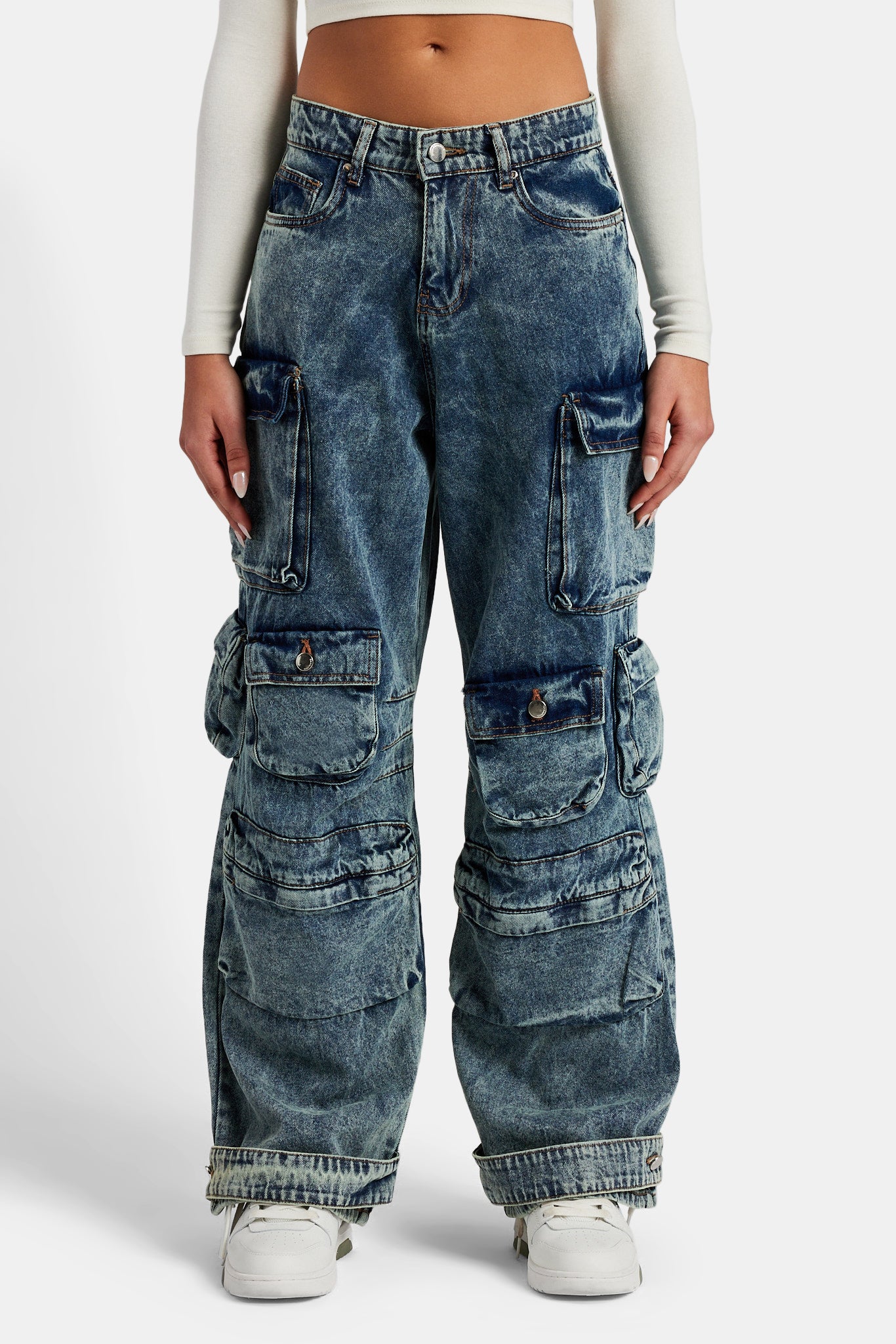
Finding affordable womens jeans that offer both durability and a flattering fit requires looking beyond the price tag to understand fiber composition, construction techniques, and long-term value. By focusing on fabric blends, hardware durability, and specific cuts, you can build a versatile denim wardrobe without paying premium designer markups.
Understanding Denim Fabric Composition
The foundation of any pair of jeans is the fabric. Historically, denim was a 100% cotton twill, prized for its rigidity and longevity. In the modern market, manufacturers use various blends to increase comfort and reduce production costs. To identify high-quality affordable jeans, you must examine the garment’s care label.
High-quality denim typically features a high percentage of cotton. When you see a label, look for 98% to 100% cotton content if you prefer a traditional, structured fit that will mold to your body over time. However, if you require flexibility for daily activity, a blend containing 1% to 2% elastane or spandex is standard.
Be wary of jeans with a high synthetic content—such as 10% or more polyester or rayon. While these fabrics are inexpensive to produce and offer significant stretch, they lack the structural integrity of cotton-heavy denim. They tend to lose their shape within a few hours of wear, become "baggy" at the knees, and often develop "pilling" or thinning patches after only a few laundry cycles.
The Anatomy of Quality Construction
A lower price point does not always equate to poor construction, but you must know where to inspect the garment. When shopping in-store, perform these three physical checks to ensure the jeans will last beyond the initial few wears:
- The Seam Stress Test: Gently pull the side seams apart at the hip and thigh. If you see wide gaps between the stitching or the thread is already fraying, the garment is poorly constructed and likely to tear under tension.
- Hardware Integrity: Check the zipper and button fly. A quality zipper should slide smoothly without catching, and the button should be secured with a reinforced tack rather than a loose thread. If the rivet backs are sharp or poorly finished, they will likely pop off during your first wash.
- The "Hand" of the Fabric: Touch the fabric. If it feels extremely thin or papery, it will not withstand regular friction. Quality affordable denim should feel substantial and have a visible, diagonal weave pattern known as the "twill."
Comparing Budget-Friendly Denim Options
Navigating the retail landscape involves distinguishing between "fast fashion" and value-oriented staples. The following table compares general categories of affordable denim to help you decide which path aligns with your needs.
| Category | Typical Price Range | Durability | Best For |
|---|---|---|---|
| Big-Box Retailers | $25 – $40 | Moderate | Occasional wear, seasonal trends |
| Department Store Private Labels | $40 – $70 | High | Workwear, daily staples, classic cuts |
| Direct-to-Consumer (DTC) Brands | $60 – $90 | High | Sustainable focus, consistent sizing |
| Secondary Market/Resale | $10 – $50 | Variable | Vintage quality, premium brands at a discount |
Determining Your Ideal Fit and Cut
The most affordable pair of jeans is the one you actually wear. Many shoppers make the mistake of purchasing denim based on an aspirational size or a trending silhouette that does not suit their body type.
- Straight Leg: Often considered the most versatile silhouette. It balances the proportions of the body and works well with both casual sneakers and formal footwear.
- High-Rise: This cut remains popular in 2026 for its ability to provide security and comfort. When selecting an affordable high-rise pair, ensure the waistband does not "gap" at the back by checking if the rise is proportional to the hip measurements.
- Bootcut or Flare: These styles provide a visual lengthening effect. Because these cuts are often made with slightly more stretch to accommodate the flare, verify that the recovery—the fabric’s ability to return to its original shape after being stretched—is high.
Care and Maintenance for Longevity
Extending the lifespan of your jeans is the most effective way to keep them "affordable" over time. Frequent washing is the primary enemy of denim. The friction of the washing machine and the heat of the dryer break down the cotton fibers and degrade any elastane added for stretch.
- Wash Less: Aim to wash your jeans after every 5 to 10 wears. If they need a refresh, hang them in the bathroom while you take a hot shower to steam out wrinkles and odors.
- Use Cold Water: Always wash in cold water to prevent dye bleeding and fiber shrinkage.
- Air Dry: If possible, hang-dry your jeans away from direct sunlight. Direct UV exposure can fade the indigo dye prematurely. If you must use a dryer, use the lowest heat setting and remove the jeans while they are slightly damp.
Identifying Potential Trade-offs
When buying jeans at an lower price, there are often trade-offs regarding ethical labor practices and environmental impact. Many budget retailers operate on high-volume, low-margin business models. If environmental or ethical impact is a priority for you, consider exploring reputable resale platforms or secondhand shops. These venues allow you to purchase high-end, durable denim—which was built to last for decades—at a price point equivalent to entry-level retail options.
Furthermore, check the return policy before purchasing. Affordable brands often have stricter return windows or charge shipping fees for returns. Always consult the brand’s specific size guide rather than relying on your "usual" size, as vanity sizing—the practice of labeling garments with smaller numbers than their actual measurements—varies wildly between manufacturers.
Frequently Asked Questions
Why do my affordable jeans lose their shape so quickly? This is typically due to a lack of "recovery" in the fabric. If the denim has a high percentage of stretch materials like spandex or polyester without a strong cotton structure to hold it in place, it will sag after a few hours. Look for "high-recovery" denim, which is designed to snap back after being stretched.
Does price always correlate with quality in denim? Not necessarily. While premium designer jeans often use better hardware and more complex wash processes, you are largely paying for brand marketing and retail markup. Many mid-tier and value-conscious brands offer similar fabric weights and construction standards for a fraction of the cost.
How can I find affordable jeans that are also sustainable? Look for retailers that participate in denim recycling programs or source "deadstock" fabric—leftover material from larger fashion houses. Additionally, purchasing pre-owned jeans is the most sustainable way to acquire high-quality denim without the environmental footprint of new production.
Should I buy jeans with a lot of stretch? It depends on your activity level. If you are active, 1% to 2% spandex provides comfort. If you want longevity and structure, avoid jeans with more than 3% stretch, as they are prone to thinning and losing their shape permanently.
What should I look for in the stitching? Look for tight, consistent stitches. Any loose threads, uneven tension, or skipped stitches are red flags indicating that the garment may come apart after a few wash cycles. High-quality jeans often use "chain stitching" at the hems, which is more durable than standard lock stitching.
Final Recommendation
To maximize your investment, focus on finding a classic, mid-to-high-rise straight-leg jean in a dark wash with a high cotton content (at least 98%). This combination offers the best balance of longevity, style versatility, and comfort. Before finalizing any purchase, check the physical construction of the seams and ensure the manufacturer's size chart matches your current measurements rather than your historical size. By treating your denim with proper care—specifically avoiding the dryer—you can ensure your affordable find remains a staple in your wardrobe for years to come.