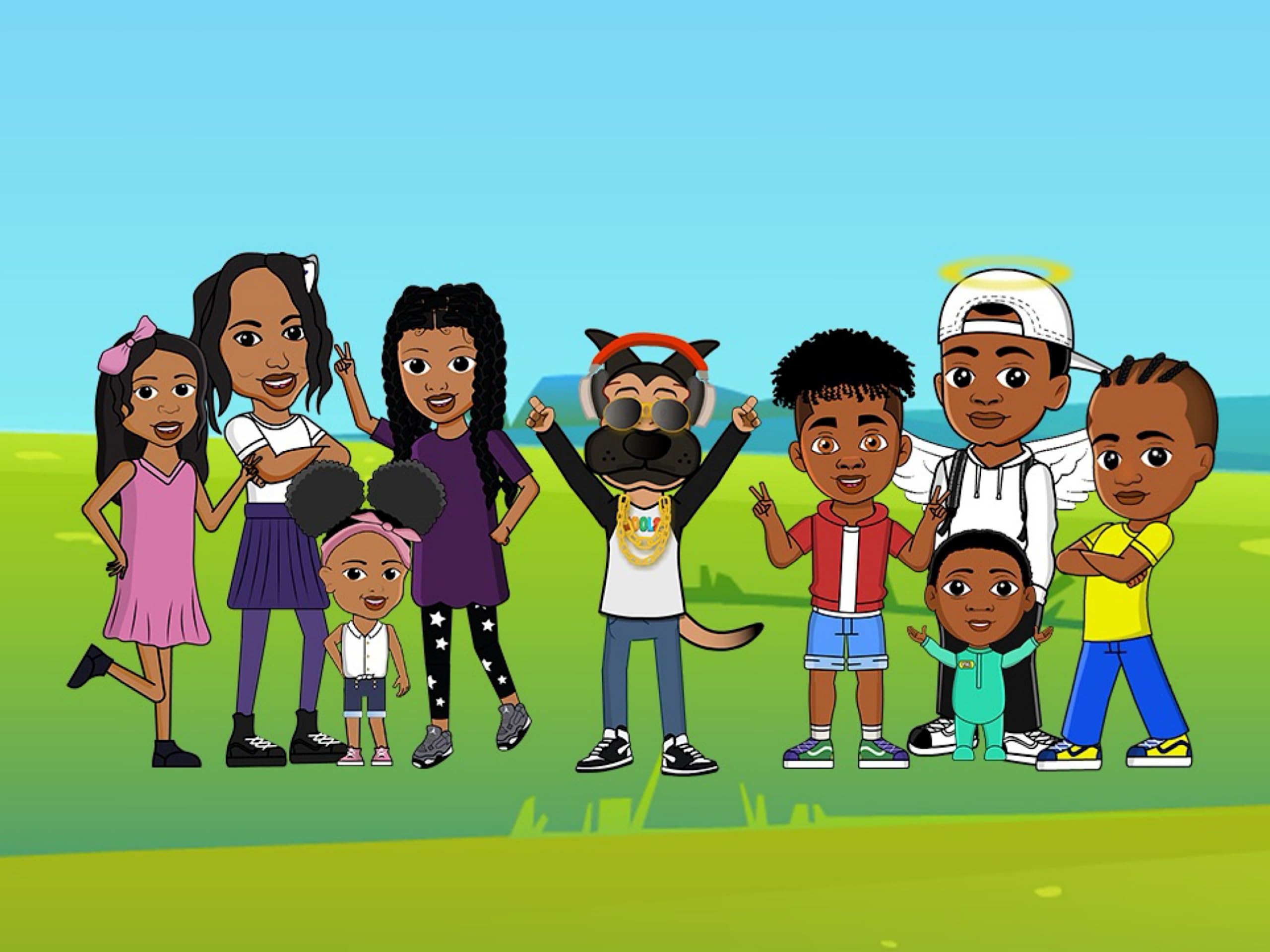
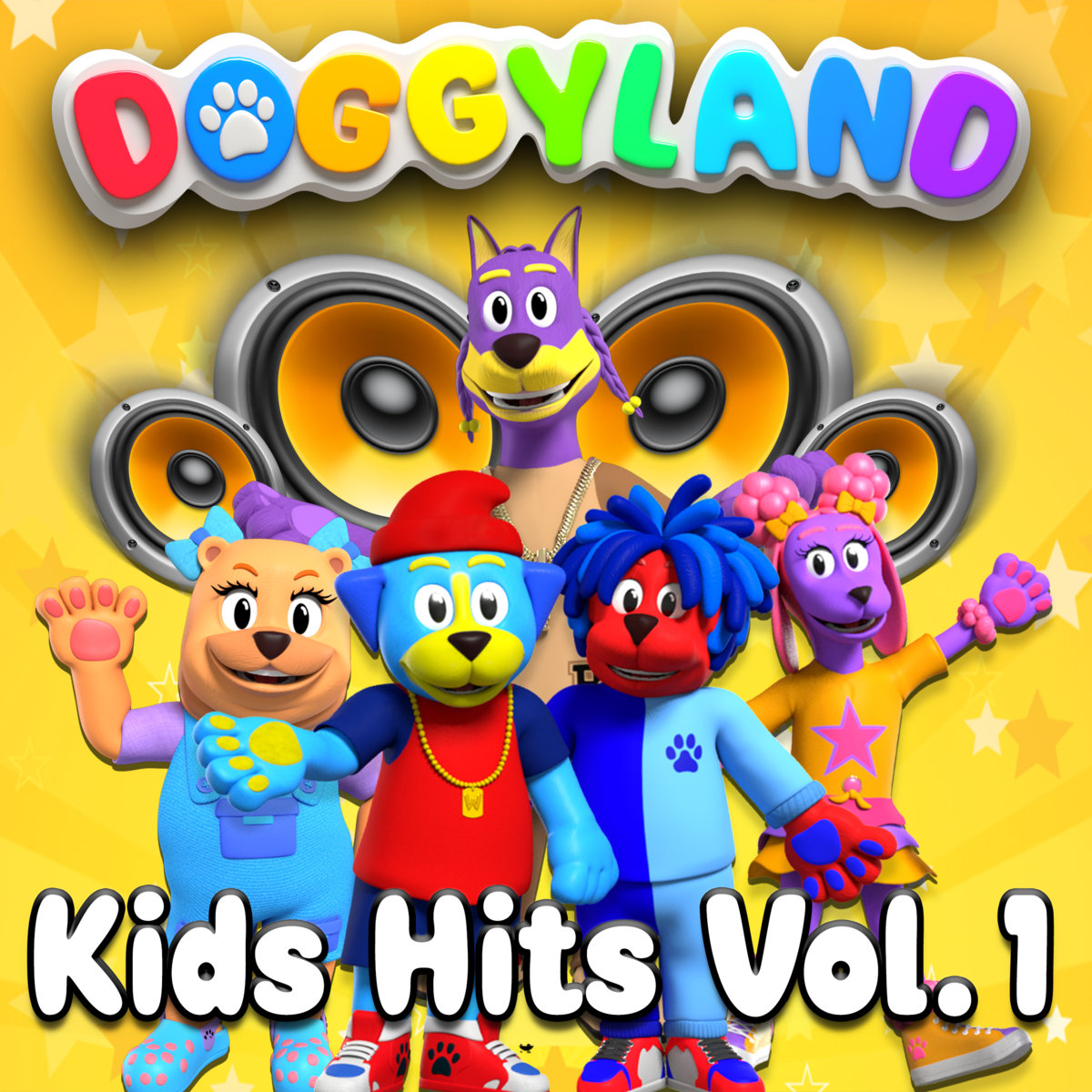
The Doggyland affirmations, popularized by Snoop Dogg’s 3D animated children's series Doggyland – Kids Songs & Nursery Rhymes, are rhythmic positive self-talk tracks designed to build emotional resilience, self-esteem, and social-emotional skills in young children. Led by Snoop Dogg’s character, Bow Wizzle, these upbeat hip-hop nursery rhymes translate modern child psychology into accessible, repetitive musical chants.
The Genesis of Doggyland and Snoop Dogg’s Educational Vision
Launched in August 2022, Doggyland – Kids Songs & Nursery Rhymes was co-created by hip-hop icon Calvin "Snoop Dogg" Broadus, Emmy-nominated producer Claude Brooks (creator of Hip Hop Harry), and R&B singer-songwriter October London. The project emerged from a shared desire to modernize nursery rhymes and early childhood education through culturally diverse music, accessible hip-hop beats, and inclusive visual storytelling.
While traditional nursery rhymes often focus on basic memorization or centuries-old folklore, Doggyland targets early social-emotional learning (SEL). Snoop Dogg envisioned the show as a safe, encouraging media ecosystem where toddlers, preschoolers, and early elementary students could see diverse characters working through real emotional challenges.
At the center of this universe is Bow Wizzle, an adult dog character voiced by Snoop Dogg. Bow Wizzle serves as a mentor, coach, and big-brother figure to a cast of younger pups. Rather than lecturing the young characters, Bow Wizzle uses melody, movement, and call-and-response phrasing to teach core life skills—ranging from basic hygiene and sharing to deep emotional regulation through positive affirmations.
| DOGGYLAND CREATIVE TEAM |
|---|
| Snoop Dogg (Co-Creator, Voice of Bow Wizzle, Executive Producer) |
| Claude Brooks (Co-Creator, Executive Producer, Educational Lead) |
| October London (Co-Creator, Singer-Songwriter, Lead Vocalist) |
Deconstructing the "Affirmation Song": Key Lyrics and Lyrical Themes
The viral centerpiece of the series’ emotional curriculum is the "Affirmation Song" (often titled simply Affirmations). Unlike traditional children's songs that focus on external narrative events, this track focuses entirely on internal state management and self-perception.
Core Declarations and Lyrical Structure
The track relies on a call-and-response format. Bow Wizzle states a declarative positive truth, and the puppy characters (and young listeners) repeat it back over a warm, mid-tempo hip-hop groove. The lyrical progression moves systematically through distinct emotional dimensions:
- Self-Worth and Identity: Lines like "There is no one better to be than me" establish baseline identity acceptance, reminding children that individuality is a strength rather than a shortcoming.
- Emotional Validation: Phrases such as "My feelings matter" normalize emotional awareness, teaching children that experiencing sadness, frustration, or excitement is natural and acceptable.
- Growth Mindset: Declarations like "I get better every day" frame learning as a process of continuous improvement rather than static ability, reinforcing resilience after making mistakes.
- Gratitude and Positivity: Lines including "I am smart, I am blessed, I am thankful" connect self-assurance to external gratitude, promoting a balanced emotional outlook.
Musical and Vocal Design
The track deliberately avoids over-stimulating, high-pitched synthetic sounds common in traditional toddler media. Instead, October London and Snoop Dogg utilize warm bass lines, rhythmic percussion, and soft backing vocals. The cadence of Snoop Dogg’s vocal delivery is relaxed yet deliberate, allowing children ample time to process the words, repeat them aloud, and absorb the rhythm without feeling rushed.
The Science of Social-Emotional Learning (SEL) and Positive Self-Talk
The rapid adoption of Doggyland affirmations across homes, daycare centers, and elementary classrooms aligns directly with established principles in early childhood psychology and cognitive development.
How Affirmations Rewire Young Minds
Early childhood—specifically between ages two and seven—is a critical period of neuroplasticity. During this window, the brain forms foundational neural pathways that govern self-talk, emotional regulation, and stress response mechanisms.
- Replacing Negative Bias: Children naturally absorb environmental cues and self-critical thoughts when faced with cognitive obstacles or social conflicts. Rhythmic positive affirmations serve as cognitive scripts, giving children pre-constructed, healthy responses to self-doubt.
- Building Self-Efficacy: According to Albert Bandura’s theory of self-efficacy, a child's belief in their ability to succeed shapes how they approach challenges. Repeating statements like "I can do anything I put my mind to" reinforces an internal locus of control.
- Vocalizing Inner Dialogue: Young children process language externally before internalizing it. Singing affirmations aloud helps convert explicit instructional phrases into implicit, automatic internal monologues over time.
Aligning with Educational Standards
Modern early childhood education standards place heavy emphasis on Social-Emotional Learning (SEL) domains, including self-awareness, self-management, and social awareness. The Doggyland curriculum directly mirrors these framework pillars:
- Self-Awareness: Recognizing one's own emotions, values, strengths, and limitations ("My feelings matter").
- Self-Management: Regulating one's emotions and behaviors in different situations ("I stay calm when things get tough").
- Growth Mindset: Demonstrating personal agency and persistent effort ("I learn from my mistakes").
Character Dynamics: Who Sings What in Doggyland?
The effectiveness of Doggyland stems largely from its character roster, designed to represent distinct personality types, learning styles, and emotional profiles. Children frequently identify with specific pups, making the musical lessons more resonant.
BOW WIZZLE (Voiced by Snoop)
- YAP YAP (High Energy)
- OFFBEAT (Neurodiverse)
- CHOW CHOW (Empathetic)
Bow Wizzle (Voiced by Snoop Dogg): The wise, encouraging adult mentor who guides the group. He radiates calm confidence and introduces each affirmation, modeling mature self-awareness.
Yap Yap: A high-energy, optimistic puppy who embodies enthusiasm but sometimes needs help channeling her impulses and practicing patience.
Offbeat: An expressive, uniquely creative pup who often views the world from an alternative perspective, demonstrating neurodiverse learning patterns and creative problem-solving.
Chow Chow: A caring, empathetic character who focuses heavily on friendship, social dynamics, and interpersonal harmony.
Bizzle: A determined, curious puppy who is always eager to try new activities, frequently modeling the growth mindset when encountering physical or academic challenges.
Step-by-Step Practical Applications for Parents and Educators
Integrating Doggyland affirmations into a child's daily schedule requires intent and consistency. Below are structured methods for incorporating these positive self-talk routines at home and in classroom environments.
1. The Morning Mirror Routine (Home)
Establishing a positive emotional baseline early in the day reduces anxiety and prepares children for social transitions.
- Set Up the Space: Position your child in front of a full-length mirror during their morning routine (e.g., after dressing or brushing teeth).
- Play the Audio Track: Queue the Doggyland "Affirmation Song" on your preferred streaming service or smart speaker.
- Model the Actions: Stand behind or beside your child. Make eye contact in the mirror and perform simple physical gestures (e.g., pointing to your heart when saying "My feelings matter" or raising your hands on "I am strong").
- Encourage Eye Contact: Coach your child to look directly into their own eyes in the mirror while chanting the lyrics aloud.
2. The Calm-Down Corner Integration (Classroom or Home)
When a child experiences emotional dysregulation, sensory overload, or frustration, passive listening to rhythmic affirmations can assist in nervous system co-regulation.
- Create a Dedicated Space: Designate a quiet corner equipped with soft cushions, visual charts featuring Doggyland characters, and headphones connected to a safe audio player.
- Use as a De-escalation Cue: Gently guide the dysregulated child to the space without using punitive language. Frame it as a peaceful pause.
- Guided Breathing: Encourage the child to breathe in deeply for four counts during instrumental breaks, exhaling while repeating phrases like "I am calm, I am safe."
3. Transition Markers in the Early Childhood Classroom
Preschool and kindergarten teachers can utilize short audio clips of the affirmations as smooth transition signals between academic blocks.
- Clean-Up Time: Play the track as a background timer while students clean up materials, building positive associations with task completion.
- Circle Time Opening: Use the call-and-response portions of the track to gather attention on the rug without shouting or ringing bells.
Comprehensive Feature & Implementation Matrix
The table below summarizes the key positive affirmations featured across Doggyland content, detailing their underlying psychological focus, targeted SEL competency, and practical application scenarios.
| Affirmation Phrase | Primary Psychological Focus | Targeted SEL Competency | Practical Home/Classroom Application |
|---|---|---|---|
| "There is no one better to be than me" | Unconditional Self-Acceptance | Self-Awareness & Personal Identity | Morning self-esteem routines; identity appreciation units. |
| "My feelings matter" | Emotional Validation | Emotional Literacy & Expression | Conflict resolution; post-tantrum processing in calm corners. |
| "I get better every day" | Growth Mindset & Mastery | Resilience & Perseverance | Academic frustration moments; practicing new physical skills. |
| "I am smart, I am blessed, I am thankful" | Gratitude & Positive Cognitive Bias | Self-Management & Gratitude | Bedtime reflection; mealtime conversation prompts. |
| "I treat people with respect" | Prosocial Behavior & Empathy | Relationship Skills & Social Awareness | Group play transitions; resolving sharing disputes. |
| "I am calm and in control" | Emotional Self-Regulation | Executive Function & Impulse Control | Transitions between high-energy play and focused quiet time. |
Platform Availability and How to Access Doggyland Content
Doggyland content is distributed across major digital streaming networks, video platforms, and audio channels to ensure easy access for families and educators.
Video Streaming Platforms
- YouTube & YouTube Kids: The official Doggyland - Kids Songs & Nursery Rhymes channel hosts full animated music videos, lyric videos, compilation reels, and short-form content. YouTube Kids provides a curated, ad-restricted environment suitable for young viewers.
- CoComelon & Partner Channels / Cable Outlets: Select Doggyland compilations stream on digital video-on-demand services, smart TV hub applications (such as Samsung TV Plus and Roku Kids & Family), and global educational syndication networks.
Audio Streaming Services
For screens-free listening during car rides, naptime, or classroom work periods, the full album diskography—including specialized affirmation tracks and instrumental versions—is accessible on major music platforms:
- Spotify: Search for the artist profile "Doggyland" or albums such as Doggyland - Kids Songs & Nursery Rhymes, Vol. 1.
- Apple Music: Complete albums are available in high-definition audio, featuring curated children's music playlists.
- Amazon Music, Tidal, & Deezer: Available across all standard streaming subscriptions and voice-activated smart speakers (e.g., asking Alexa or Google Assistant to "Play Doggyland Affirmations").
Frequently Asked Questions
What age group is the Doggyland Affirmation Song designed for?
The core demographic for Doggyland content spans toddlers, preschoolers, and early elementary students aged 6 months to 8 years old. However, the foundational social-emotional principles and catchy hip-hop rhythms make the affirmations appealing and beneficial for older children with special developmental needs or neurodivergent learning profiles.
Who writes the music and lyrics for Doggyland?
The music is written and produced by a collaborative team led by R&B singer-songwriter October London, co-creator Claude Brooks, and Snoop Dogg. The production relies on professional musicians to ensure the hip-hop, R&B, and pop arrangements match high musical standards while remaining age-appropriate.
How do affirmations help children who are dealing with behavioral challenges?
Rhythmic affirmations provide structured self-talk phrases that children can easily recall when experiencing frustration or anxiety. By practicing these phrases during calm moments, children build cognitive scripts that help regulate their nervous system, reduce impulsive behaviors, and improve self-soothing capacity during stressful situations.
Is Doggyland available in languages other than English?
While the primary media library is produced in English, expanded dubbing, subtitle tracks, and international language releases have been introduced on major streaming platforms to serve global audiences across Latin America, Europe, and Asia.
Can educators use Doggyland content in public school curricula?
Yes. Millions of early childhood educators incorporate Doggyland tracks into morning meetings, physical brain breaks, and Social-Emotional Learning (SEL) units. The content aligns closely with standard early learning guidelines for emotional development and self-regulation.
Practical Recommendation for Parents and Caregivers
To extract maximum educational value from Snoop Dogg’s Doggyland affirmations, move beyond passive video viewing. Transition the content from screen time into an active, screen-free daily routine.
Start by introducing the "Affirmation Song" during low-stress, predictable daily moments—such as the morning commute, breakfast preparation, or right after dressing. Sing the call-and-response lyrics alongside your child, pairing the statements with expressive body movements. By reinforcing these phrases through active personal connection, you help your child build an internal voice grounded in resilience, confidence, and self-compassion that will serve them long into their academic and adult life.