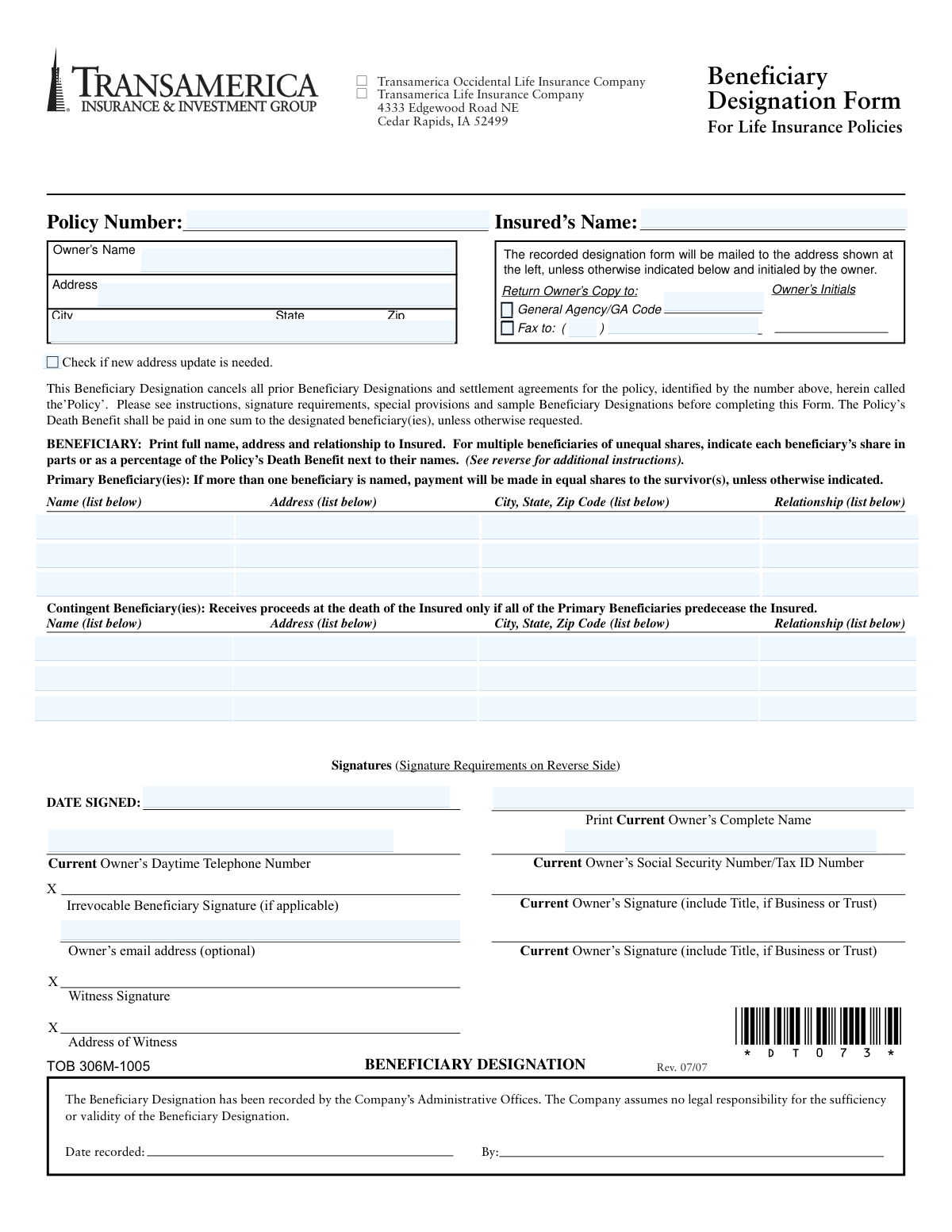
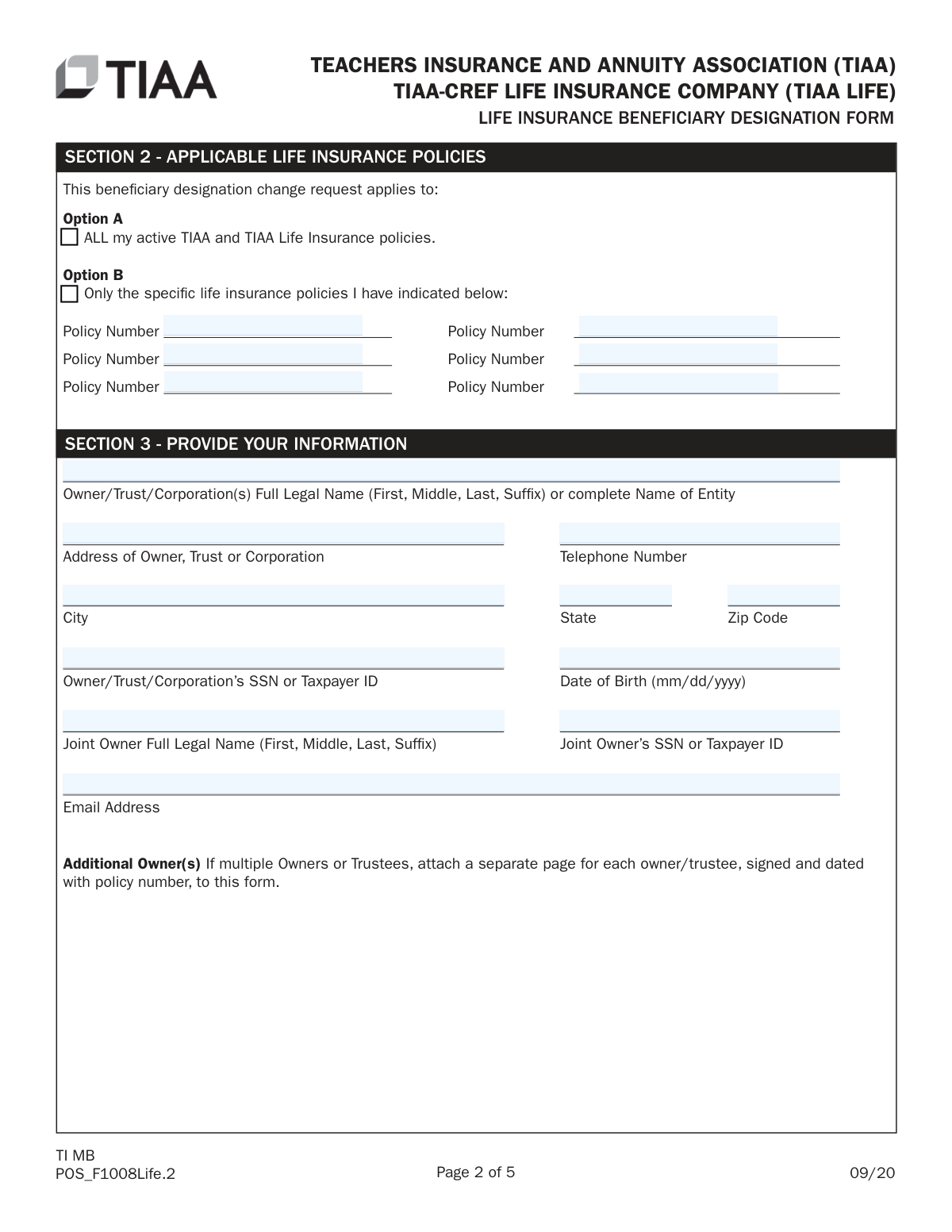
The AFA Mercer Group Life Insurance Beneficiary Designation Form is a vital legal document used by members of the Association of Flight Attendants (AFA-CWA) to specify who will receive death benefits from their employer-sponsored or supplemental life insurance policies. Administered through Mercer Voluntary Benefits, this form ensures that policy proceeds are distributed according to the member's wishes, bypassing the delays and costs associated with probate court.
Understanding the Role of Mercer and AFA in Your Life Insurance
To effectively complete the beneficiary designation process in 2026, it is essential to understand the relationship between the entities involved. The Association of Flight Attendants (AFA-CWA) negotiates benefit packages for its members, often partnering with Mercer Voluntary Benefits to administer these programs. Mercer acts as the broker and administrator, while the actual insurance coverage is typically underwritten by a major carrier, such as MetLife, Prudential, or Securian Financial.
The beneficiary designation form is the definitive instruction set for the insurance company. Regardless of what is written in a Last Will and Testament, the insurance provider is legally bound to pay the individuals named on the most recent, validly executed beneficiary form on file with Mercer. This makes the form one of the most critical documents in a flight attendant’s financial portfolio.
Why a Valid Beneficiary Designation is Critical
Many members assume that their assets will naturally flow to their "next of kin." However, life insurance is a non-probate asset. This means it passes outside of a will. Without a valid AFA Mercer beneficiary form on file, the insurance company typically follows a "standard order of precedence" defined in the group policy. Usually, this order is:
- Surviving spouse.
- Surviving children in equal shares.
- Surviving parents.
- The estate of the deceased.
Relying on this default order can lead to unintended consequences, such as an estranged spouse receiving funds or benefits being tied up in a lengthy estate settlement process if no immediate family members are alive. By proactively filing the AFA Mercer form, you maintain total control over your legacy.
Accessing the AFA Mercer Beneficiary Form
In 2026, the primary method for managing AFA supplemental benefits is through the dedicated Mercer Voluntary Benefits portal for AFA-CWA. Members can typically access this through the union's benefits website or directly via the Mercer portal.
Digital vs. Paper Submissions
Most flight attendants prefer the digital enrollment platform. When you log in to your account, the "Beneficiary" section allows for real-time updates. However, certain legal situations—such as naming a complex trust or complying with specific state court orders—may require a physical paper form with a wet-ink signature.
To obtain a paper form:
- Visit the AFA-CWA Supplemental Benefits website.
- Log in to the Mercer Voluntary Benefits portal and navigate to the "Forms Library."
- Contact a Mercer benefits counselor via their toll-free service line to request a form be mailed to your address of record.
Step-by-Step Guide to Filling Out the Form
The AFA Mercer beneficiary form is divided into several sections. Accuracy in each section is paramount to avoid claims disputes or delays in payment.
Section 1: Member Information
This section identifies you, the policyholder. You must provide your full legal name, Social Security Number (SSN), date of birth, and your current airline employer. Ensure your contact information matches what the union has on file to prevent administrative flags.
Section 2: Primary Beneficiary Designation
The Primary Beneficiary is the first person (or entity) in line to receive the insurance proceeds.
- Full Legal Name: Use the name as it appears on government-issued ID.
- Relationship: Specify if they are a spouse, child, domestic partner, or friend.
- Social Security Number: This is crucial. Without an SSN, the insurance company may struggle to locate the beneficiary, especially if years pass between the designation and the claim.
- Benefit Percentage: If naming multiple primary beneficiaries, the total must equal exactly 100%.
Section 3: Contingent Beneficiary Designation
The Contingent Beneficiary (often called the "secondary" beneficiary) only receives the benefit if all primary beneficiaries have predeceased the insured. This is a safety net. For example, a flight attendant might name their spouse as the primary and their two children as equal contingent beneficiaries.
Section 4: Choosing "Per Stirpes" or "Per Capita"
Some versions of the Mercer form allow for "Per Stirpes" designations. This is a legal term meaning "by the branch." If a named beneficiary dies before you, their share of the benefit would pass to their own heirs (children). If you do not select this, the benefit is usually redistributed among the remaining surviving beneficiaries (Per Capita).
Section 5: Signature and Date
A form is not legally binding until it is signed and dated. In the digital portal, this is handled through an e-signature. If using a paper form, ensure the date is current. Outdated forms or forms with "white-out" corrections are frequently rejected by Mercer’s compliance team.
Special Considerations for Beneficiary Designations
Naming a beneficiary is not always straightforward. Several legal and life scenarios require additional attention.
Minor Children as Beneficiaries
Insurance companies cannot pay large sums of money directly to minors. If you name a child under 18 (or 21 in some states) as a beneficiary without a legal guardian or trust, the funds may be held in a court-monitored account until the child reaches the age of majority.
- Expert Recommendation: Use a Uniform Transfers to Minors Act (UTMA) designation or name a "Trustee under Will" to manage the funds for the child.
Community Property States
If you live in a community property state (such as California, Texas, or Washington), your spouse may have a legal right to a portion of your life insurance proceeds, even if you name someone else as the beneficiary. In these states, if you wish to name someone other than your spouse for more than 50% of the benefit, your spouse may be required to sign a spousal consent waiver on the Mercer form.
Naming a Trust
For flight attendants with complex estates, naming a Revocable Living Trust as the beneficiary provides maximum control. When doing this, you must provide the full name of the trust and the date it was created (e.g., "The Jane Doe Revocable Living Trust dated January 1, 2024").
International Beneficiaries
Given the global nature of the flight attendant profession, many members have family abroad. You can name non-U.S. citizens as beneficiaries. However, be aware that tax withholdings and identification requirements (such as a foreign passport number instead of an SSN) will apply during the claims process.
Summary Table: Beneficiary Type Comparison
| Feature | Primary Beneficiary | Contingent Beneficiary | Tertiary Beneficiary |
|---|---|---|---|
| Priority | First in line for benefits. | Second in line; only paid if Primary is deceased. | Third in line; only paid if Primary and Contingent are deceased. |
| Common Choice | Spouse or Domestic Partner. | Children or Siblings. | A Charitable Organization or Estate. |
| Allocation | Must total 100%. | Must total 100%. | Must total 100%. |
| Requirement | Highly Recommended. | Strongly Encouraged. | Optional. |
Common Mistakes to Avoid
The Mercer claims department often encounters errors that delay payouts for months. Avoid these frequent pitfalls:
- Vague Descriptions: Writing "My Children" instead of listing each child’s full legal name and SSN. Group descriptions can lead to disputes if there are children from different marriages or stepchildren involved.
- Incomplete Percentages: Leaving the percentage field blank or providing numbers that do not add up to 100%.
- Outdated Designations: Failing to update the form after a divorce. In many jurisdictions, a divorce does not automatically revoke a beneficiary designation. If your ex-spouse is still on the AFA Mercer form, they may still receive the money.
- Naming "The Estate": While possible, naming your estate as the beneficiary forces the insurance proceeds into probate. This subjects the money to creditors and legal fees, which life insurance is specifically designed to avoid.
Maintaining Your Designation in 2026 and Beyond
Beneficiary designation is not a "set it and forget it" task. Best practices suggest reviewing your AFA Mercer group life insurance at least once a year or during "Life Event" windows.
When to Review Your Form:
- Marriage or Domestic Partnership: To include your new partner.
- Birth or Adoption: To add new children as contingent beneficiaries.
- Divorce: To remove a former spouse and update the allocation.
- Death of a Beneficiary: To ensure your contingent beneficiaries are properly elevated.
- Significant Change in Financial Strategy: Such as the creation of a new trust.
Troubleshooting and Verification
Once you submit your form—whether online or via mail—it is critical to verify that Mercer has processed it.
- Online Verification: Log back into the Mercer Voluntary Benefits portal after 48-72 hours. You should see the updated names in your profile.
- Paper Confirmation: If you mailed a form, Mercer typically sends a confirmation letter or email once the document is imaged into their system. If you do not receive this within 14 business ages, contact their customer service.
- Documentation: Always keep a copy of the signed and dated form for your personal records. Tell your primary beneficiary where this document is located so they know who to contact in the event of your passing.
Frequently Asked Questions
Can I name a charity as my AFA Mercer beneficiary?
Yes. You can name a registered 501(c)(3) non-profit organization as either a primary or contingent beneficiary. You will need the charity's full legal name and its Federal Tax ID Number (EIN). This is a common strategy for members who do not have immediate heirs and wish to support a cause.
What happens if I and my primary beneficiary die at the same time?
This is often referred to as a "Common Disaster." Most AFA Mercer policies include a "Survival Clause" (usually 15 to 30 days). If the primary beneficiary does not survive the insured by this specified period, the benefit is paid to the contingent beneficiaries. If no contingent beneficiaries are named, it follows the policy's default order of precedence.
Is the AFA Mercer form the same as my airline's company life insurance form?
Not necessarily. Many flight attendants have two types of coverage: a basic policy provided directly by the airline (e.g., United, Alaska, Delta) and supplemental coverage through the AFA Mercer Voluntary Benefits program. You must often fill out two separate beneficiary forms—one for the company-provided plan and one for the AFA-specific Mercer plan.
Can I change my beneficiary at any time?
Yes. Unless you have designated an Irrevocable Beneficiary (which is rare and usually requires a court order), you have the right to change your beneficiaries at any time throughout the year. You do not need to wait for an open enrollment period to update your beneficiary designations.
Does Mercer charge a fee to update my beneficiaries?
No. There is no administrative fee for updating or changing your beneficiary designations. This is a standard service included in the administration of the AFA-CWA supplemental benefits package.
Final Recommendation
To ensure your loved ones are protected, log in to the AFA Mercer Voluntary Benefits portal today. Review your current designations and ensure that every primary and contingent beneficiary has a valid Social Security Number and an accurate percentage allocation. If you haven't updated your form in more than three years, or if you have experienced a major life change, completing a new AFA Mercer Group Life Insurance Beneficiary Designation Form is the most effective way to secure your family's financial future.