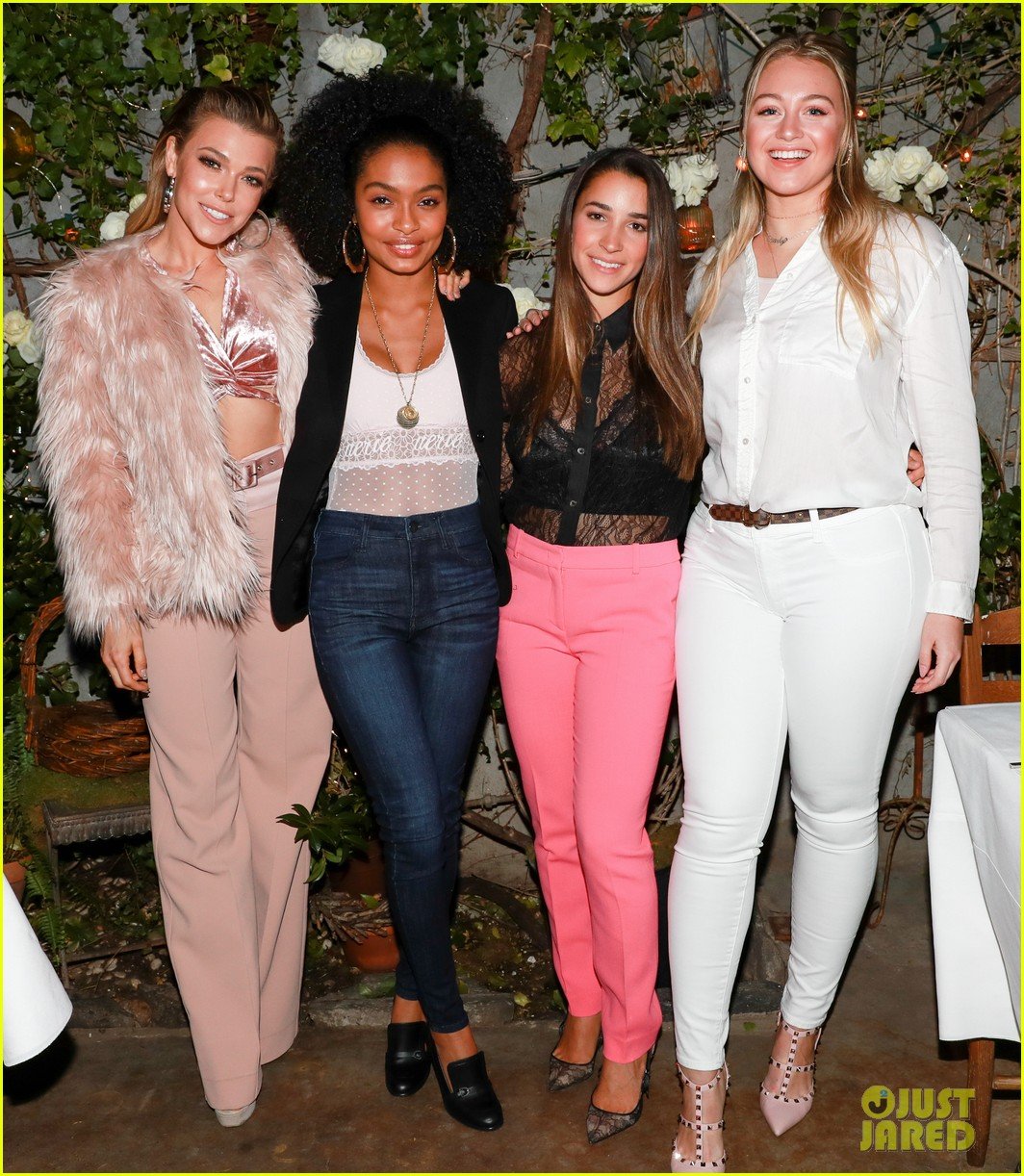
Aerie advertisements celebrate real bodies by implementing a strict "no retouching" policy and featuring diverse "Role Models" of varying sizes, abilities, and backgrounds. Launched in 2014, the AerieREAL campaign prioritizes authenticity over traditional perfection, fostering deep brand loyalty while successfully challenging unattainable beauty standards within the global fashion and intimate apparel industries.
The Genesis of AerieREAL: A Departure from Industry Norms
In 2014, Aerie, a sub-brand of American Eagle Outfitters, made a strategic and ethical pivot that would eventually redefine the landscape of retail marketing. At the time, the intimate apparel industry was dominated by highly stylized, airbrushed imagery that emphasized a narrow definition of beauty. Aerie broke this mold by launching AerieREAL, a commitment to stop retouching its models and to showcase products on bodies that reflected the brand’s actual customer base.
The decision was not merely a marketing gimmick; it was a response to a growing cultural fatigue regarding unrealistic body standards. By 2026, this movement has evolved from a novel campaign into a foundational pillar of modern brand identity. The initial shift involved removing the digital tools used to erase stretch marks, smooth out cellulite, and alter body proportions. This transparency resonated deeply with Millennial and Gen Z consumers, who were increasingly seeking authenticity in the brands they supported.
The success of the early advertisements was immediate. While competitors struggled to maintain relevance with "fantasy" based marketing, Aerie saw double-digit sales growth. This growth proved that body positivity was not only socially responsible but also economically viable. The brand’s willingness to show "imperfections" as natural features turned out to be its greatest competitive advantage.
The Technical Reality of the No-Retouching Policy
When Aerie advertisements celebrate real bodies, they adhere to a rigorous set of internal guidelines that govern the entire creative process, from photography to final publication. The "no retouching" pledge is a technical commitment that requires a different approach to lighting, casting, and art direction than traditional fashion photography.
Photography and Lighting Strategies
In traditional retail photography, post-production is often used to "fix" what wasn't captured perfectly on set. Because Aerie commits to zero digital manipulation of the models' bodies, the pressure shifts to the photography team to capture the human form accurately and beautifully in real-time. This involves:
- Naturalistic Lighting: Using lighting setups that emphasize skin texture rather than washing it out. This ensures that the model’s natural skin tone and features are visible.
- Minimalist Set Design: Reducing distractions so the focus remains on the fit of the clothing and the person wearing it.
- Dynamic Posing: Encouraging models to move naturally, which often results in photos showing natural skin folds or "rolls" that traditional brands would typically edit out.
Ethical Post-Production
While the bodies themselves are not altered, post-production still exists for color correction of the garments. This is a critical distinction. The technical editors ensure that the color of a bra or legging is color-accurate for the consumer while leaving the model’s skin, scars, tattoos, and body shape untouched. This level of honesty builds a "what you see is what you get" trust between the brand and the buyer, reducing return rates caused by misleading imagery.
Inclusivity Beyond Size: Representing the Full Human Experience
As the AerieREAL movement matured, the brand recognized that celebrating "real bodies" required more than just showing different dress sizes. It required a radical expansion of who is considered a "model." By the early 2020s, and continuing into 2026, Aerie expanded its casting to include individuals with visible disabilities, chronic illnesses, and various skin conditions.
Visible Disabilities and Medical Devices
Aerie was one of the first major retailers to feature models with ostomy bags, insulin pumps, and vitiligo. By including these elements in their advertisements, Aerie shifted the narrative from "flaws" to "realities." For many consumers, seeing a model with a disability wearing the same underwear they were considering was a profound moment of validation. This inclusivity has been praised by organizations like the National Eating Disorders Association (NEDA), with whom Aerie has partnered for years.
The Role Model Program
To further humanize the brand, Aerie replaced the concept of the "supermodel" with the Aerie Role Model. These are women chosen not just for their appearance, but for their contributions to society, their activism, and their personal stories. Notable Role Models have included:
- Iskra Lawrence: A long-time advocate for body image neutrality who played a pivotal role in the campaign’s early success.
- Aly Raisman: An Olympic gymnast who used the platform to speak about survivor empowerment.
- Beanie Feldstein: An actress who has championed the importance of representation in Hollywood.
These individuals participate in unretouched shoots and share their own journeys with body confidence, providing a narrative depth that standard advertisements lack.
The Economic Impact: Authenticity as a Business Strategy
The financial trajectory of Aerie serves as a case study for the "authenticity premium." While legacy brands like Victoria’s Secret experienced a decline in market share during the late 2010s, Aerie’s revenue soared. Investors and market analysts have noted that Aerie’s growth is directly correlated with its brand sentiment.
| Metric | Industry Average (Lingerie) | Aerie Performance (Post-AerieREAL) |
|---|---|---|
| Annual Revenue Growth | 2-4% | 15-25% (reported in multiple quarters) |
| Brand Sentiment Score | Moderate | High (among Gen Z and Millennials) |
| Return Rates | 20-30% | Lower than average due to realistic body representation |
| Market Position | Fragmented | Leading "Body Positive" Retailer |
Aerie’s success prompted a "ripple effect" across the industry. Brands that once relied on heavy airbrushing began to soften their editing styles. However, Aerie remains the leader because its commitment was perceived as foundational rather than reactive. By 2026, the brand has expanded its physical footprint significantly, with standalone stores that often feature "unretouched" mirrors and inclusive sizing across all categories, including the popular OFFLINE by Aerie activewear line.
Psychological Benefits for the Consumer
The impact of Aerie advertisements celebrating real bodies extends beyond the balance sheet. Constant exposure to idealized, unattainable images is a documented contributor to body dissatisfaction and disordered eating. Aerie’s approach offers a "cognitive break" from these pressures.
Reducing Social Comparison
Social comparison theory suggests that individuals determine their own social and personal worth based on how they stack up against others. When advertisements present "perfected" bodies, consumers often feel inadequate. Aerie disrupts this cycle by providing a "reachable" standard. Seeing a model with a similar body type or skin texture reduces the psychological distance between the consumer and the brand, fostering a sense of belonging.
Promoting Body Neutrality
While "body positivity" focuses on loving one's body, Aerie has also leaned into "body neutrality"—the idea that a body is a vessel for living rather than just an object to be looked at. By showing models engaged in everyday activities, laughing, and moving naturally, the advertisements emphasize function and comfort. This shift is particularly important for younger consumers who are navigating the complexities of social media and digital filters.
Challenges, Criticisms, and the Path to 2026
Despite its success, the AerieREAL campaign has faced challenges. Critics have occasionally pointed out that even "unretouched" models are often conventionally attractive, and for a time, the brand struggled to represent the full spectrum of plus-size bodies.
Addressing the "Mid-Size" Gap
In response to feedback, Aerie expanded its size range and began featuring more "mid-size" and "plus-size" models who occupied the sizes 14 to 22 range. This was a critical move, as many brands claim inclusivity but stop at size 12. In 2026, Aerie continues to refine its fit technology to ensure that the "real bodies" featured in ads can actually find their sizes in stock, both online and in-store.
Transparency in the Age of AI
As artificial intelligence (AI) becomes more prevalent in fashion photography, Aerie has doubled down on its "No AI" policy for model representation. In 2026, the brand prominently labels its imagery to certify that no AI-generated features or digital "beautification" tools were used. This transparency is vital in an era where deepfakes and AI models are becoming common, threatening to undo the progress made by the body positivity movement.
Comparison: Aerie vs. Traditional Lingerie Marketing
The difference between Aerie and traditional competitors lies in the "intent" of the advertisement. Traditional marketing often uses aspirational imagery, suggesting that if you buy the product, you will look like the model. Aerie uses relatable imagery, suggesting that the product is designed to fit your life as it is right now.
- Traditional: Focuses on the "male gaze" and external validation.
- Aerie: Focuses on the "female gaze," comfort, and self-acceptance.
- Traditional: High-gloss, high-contrast, heavily edited.
- Aerie: Natural light, soft textures, unedited.
This distinction is why Aerie has been able to maintain a loyal community (often referred to as the #AerieREAL family) while other brands have had to undergo expensive and sometimes unsuccessful rebrands.
Frequently Asked Questions
Does Aerie really use no Photoshop on their models?
Yes, Aerie committed to a "no retouching" policy in 2014. This means they do not use digital tools to alter a model’s body shape, skin texture, or "imperfections" like scars, stretch marks, or cellulite. They do, however, perform standard color correction on the clothing to ensure the product colors are accurate for the customer.
Who are the Aerie Role Models?
Aerie Role Models are a group of diverse women—including activists, athletes, and actresses—who represent the brand’s values. Unlike traditional brand ambassadors, they are chosen for their personal impact and advocacy work. They participate in unretouched campaigns and help lead the brand’s social initiatives.
Why did Aerie start the AerieREAL campaign?
The campaign was started to address the growing demand for authenticity in fashion. Aerie recognized that their target demographic (Gen Z and Millennials) was moving away from the "perfect" imagery of the 1990s and 2000s and wanted to see a brand that reflected their own diverse realities.
Has the AerieREAL campaign been successful for the company?
The campaign has been an overwhelming success. Aerie has consistently reported strong sales growth and has become a major competitor in the intimate apparel market. The brand's success is often cited by financial analysts as proof that inclusive, authentic marketing is a powerful driver of revenue and brand equity.
How does Aerie handle diversity in their advertisements?
Aerie’s approach to diversity is multi-faceted. They cast models of various ethnicities, ages, body types, and physical abilities. This includes individuals with visible medical conditions (like Type 1 diabetes or alopecia) to ensure that their advertisements represent as many different "real bodies" as possible.
Moving Forward with AerieREAL
To truly engage with the AerieREAL movement in 2026, consumers are encouraged to look beyond the advertisements and participate in the brand's community-driven platforms. Aerie often hosts "Real Talks" and workshops focused on mental health and body confidence.
For those looking to support brands that prioritize ethical representation, verifying a brand's "retouching policy" is a practical first step. Aerie remains a benchmark in this regard, proving that when a company celebrates real bodies, it creates a lasting bond with its audience that transcends the products themselves. By continuing to demand transparency and inclusivity, consumers can ensure that the standards set by Aerie become the permanent norm for the entire fashion industry.