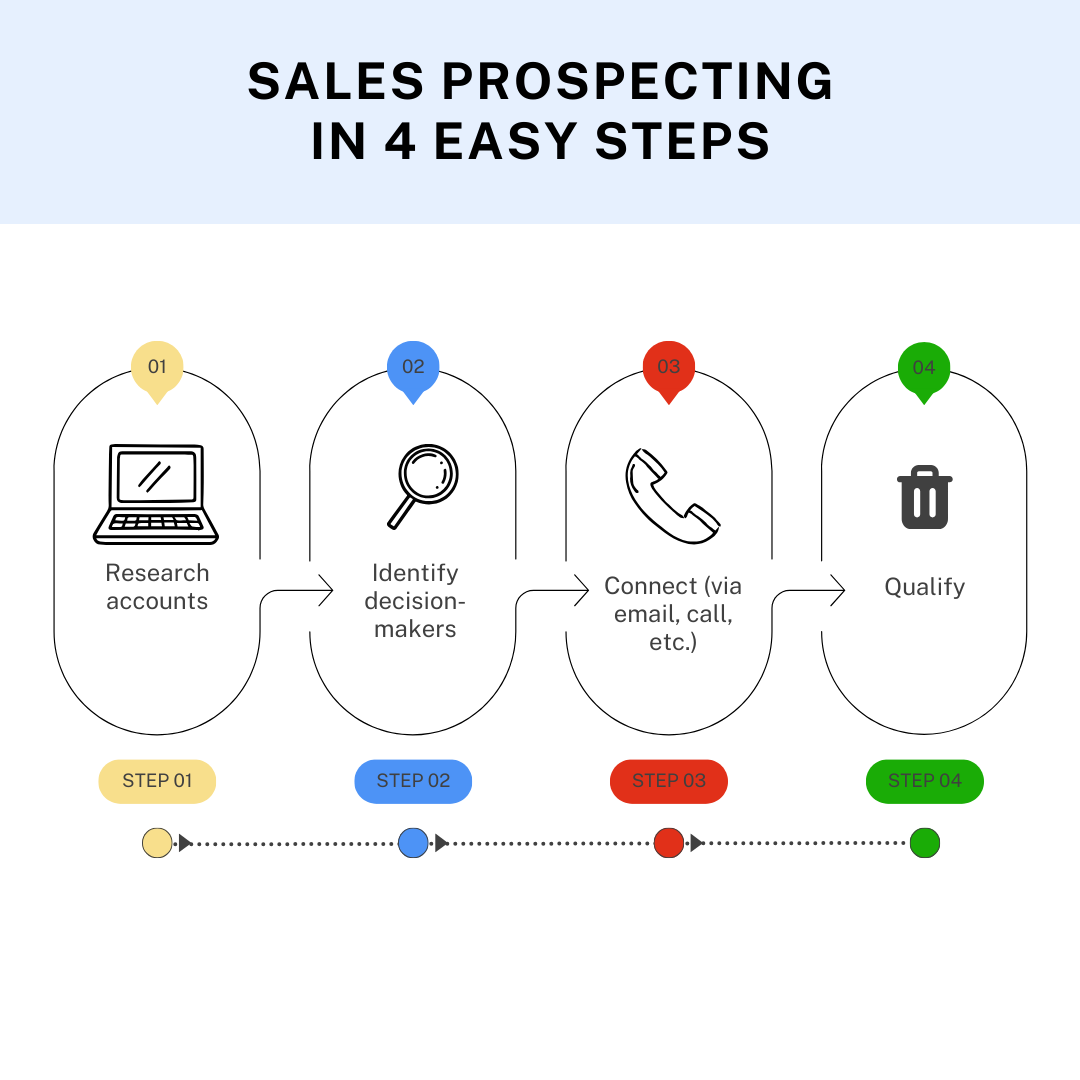
Advertising and sales in practice represent the operational bridge where strategic brand awareness converts into measurable financial revenue. While advertising focuses on audience reach, message positioning, and market penetration, sales execution targets direct persuasion, objection handling, and contract finalization. Aligning these two disciplines eliminates traditional organizational friction, optimizes customer acquisition costs, and establishes a predictable path from initial prospect engagement to long-term customer retention.
The Foundations of Integrated Commercial Strategy
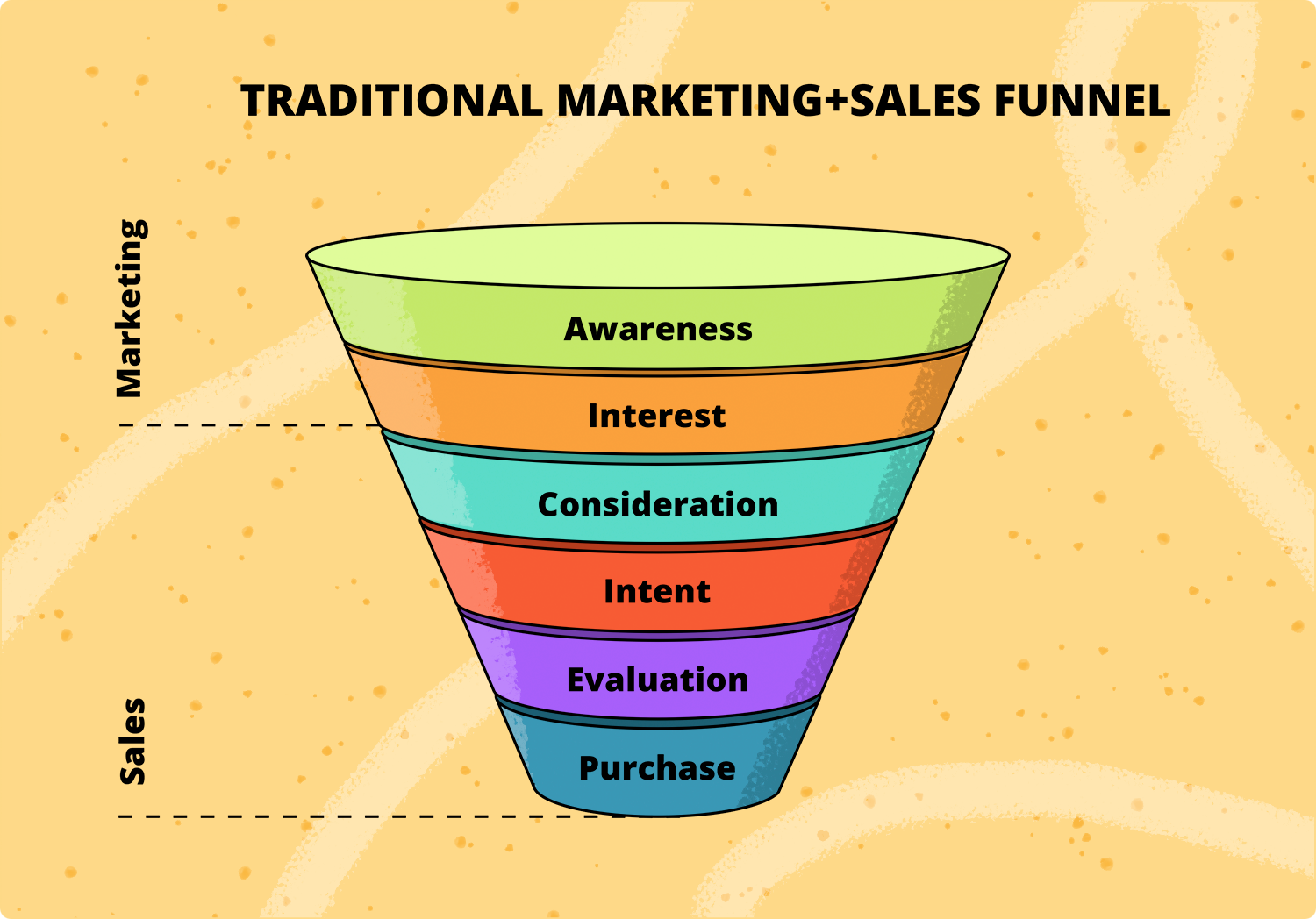
Commercial success in modern markets requires an intentional synthesis between promotional outreach and transaction execution. Historically, organizations maintained strict silos where marketing departments generated top-of-funnel leads and sales teams managed bottom-of-funnel conversions. In practice, this structural division frequently created message fragmentation, delayed follow-up times, and misaligned customer expectations.
Modern commercial frameworks treat advertising and sales as a continuous, unified pipeline. Advertising establishes market authority, communicates value propositions, and shapes early-stage buyer intent through targeted digital channels, content distribution, and brand campaigns. Sales builds directly upon this foundation by engaging active prospects with contextualized insights, tailoring solutions to specific organizational challenges, and navigating complex procurement procedures.
Defining the Commercial Pipeline
Understanding how advertising feeds the sales ecosystem requires examining the distinct phases of the buyer's journey:
- Awareness and Problem Identification: Advertising introduces the brand and highlights systemic inefficiencies or unfulfilled market needs using search engine marketing, social display ads, and industry publications.
- Consideration and Evaluation: Inbound content and retargeting campaigns provide deep-dive educational resources, whitepapers, and product comparisons to nurture prospect interest.
- Intent and Decision: Sales representatives step in to deliver customized demonstrations, address risk factors, negotiate pricing structures, and finalize agreements.
When these stages operate without friction, marketing data informs sales outreach, and sales objections immediately refine advertising messaging. This closed-loop feedback mechanism ensures that promotional budgets are allocated to channels and keywords that yield high-converting pipeline opportunities rather than superficial vanity metrics.
Strategic Advertising Execution: Reaching the Right Audience
Effective advertising execution demands rigorous audience segmentation, platform selection, and creative discipline. Organizations must move beyond broad demographic targeting to implement behavioral, intent-based, and account-based advertising strategies.
Channel Selection and Media Mix
Selecting the appropriate advertising channels depends heavily on whether an enterprise operates in a business-to-business (B2B) or business-to-consumer (B2C) model.
- Search Engine Advertising (PPC): Captures high-intent users actively searching for specific solutions, products, or service providers. This channel yields immediate visibility but requires continuous bid optimization and negative keyword management.
- Social Media and Programmatic Display: Excels at demand generation, brand awareness, and retargeting. Platforms like LinkedIn offer granular professional targeting for B2B campaigns, while Meta and TikTok provide expansive reach for consumer markets.
- Content and Native Advertising: Establishes domain authority by embedding promotional messages naturally within trusted industry publications or educational resources.
Budget Allocation and Performance Metrics
Financial governance in advertising requires monitoring key performance indicators (KPIs) that connect spend directly to pipeline generation. Relying solely on cost-per-click (CPC) or impressions can obscure true commercial value. Organizations must track customer acquisition cost (CAC), return on ad spend (ROAS), and marketing-sourced pipeline value to evaluate campaign efficacy accurately.
| Metric | Primary Focus | Calculation Method | Strategic Utility |
|---|---|---|---|
| ROAS | Revenue Efficiency | Revenue Generated / Ad Spend | Measures gross financial return generated per dollar of advertising investment. |
| CAC | Financial Sustainability | Total Acquisition Costs / New Customers | Evaluates the total expense required to acquire a single paying customer. |
| CPL | Lead Generation Cost | Total Ad Spend / Total Leads Acquired | Assesses the economic efficiency of top-of-funnel promotional activities. |
| LTV:CAC | Long-Term Value Ratio | Customer Lifetime Value / CAC | Determines the long-term profitability and scalability of customer acquisition. |
Modern Sales Execution: Converting Intent into Revenue
Once advertising campaigns successfully capture prospect attention and generate inbound inquiries, sales execution determines whether those opportunities result in closed transactions. Modern sales methodologies have evolved from aggressive transactional pitching to consultative advisory relationships.
The Consultative Sales Process
In consultative sales, the representative acts as a strategic advisor who diagnoses prospect challenges before prescribing solutions. This approach involves several structured phases:
- Inbound Lead Qualification: Evaluating incoming leads against established ideal customer profile (ICP) criteria to ensure sales resources target high-probability accounts.
- Discovery and Needs Analysis: Conducting deep-dive investigative conversations to uncover operational bottlenecks, budgetary constraints, and decision-making hierarchies.
- Tailored Solution Presentation: Mapping product capabilities directly to the pain points identified during discovery, avoiding generic feature-dumping.
- Objection Handling and Risk Mitigation: Proactively addressing concerns regarding implementation timelines, security compliance, and financial investment.
Sales Enablement and Technology Integration
Sales execution relies heavily on enablement tools that streamline communication and provide real-time prospect intelligence. Customer relationship management (CRM) platforms, sales engagement software, and automated proposal tools reduce administrative overhead, allowing representatives to focus on high-value human interactions. Furthermore, integrating marketing automation platforms with CRM systems ensures that sales teams possess complete visibility into the exact advertising campaigns and content assets a prospect engaged with prior to the initial sales call.
Bridging the Gap: Marketing and Sales Alignment (Smarketing)
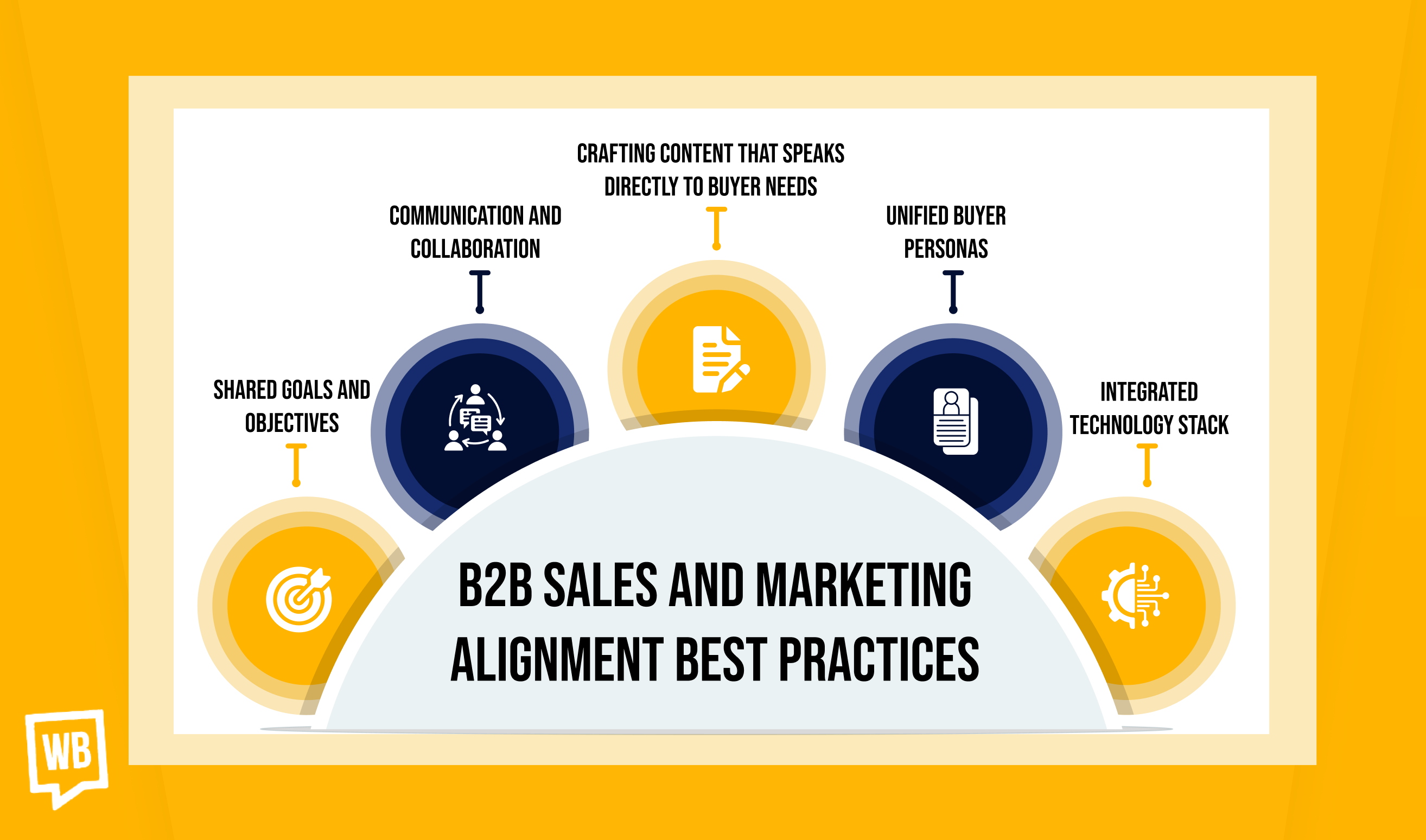
Operationalizing advertising and sales together requires a formal cultural and structural alignment, commonly referred to as "Smarketing." Without this alignment, organizations frequently suffer from miscommunication regarding lead quality and accountability.
Establishing Service Level Agreements (SLAs)
A successful marketing and sales alignment relies on a mutually agreed-upon Service Level Agreement (SLA) that clearly defines responsibilities for both departments:
- Marketing Commitments: Delivering a specified volume of qualified leads meeting agreed-upon demographic and behavioral criteria within a designated timeframe.
- Sales Commitments: Contacting inbound leads within a guaranteed response window (e.g., under five minutes) and executing a structured multi-touch follow-up cadence.
Shared Metrics and Revenue Accountability
When marketing is evaluated strictly on lead volume and sales is evaluated solely on closed revenue, friction is inevitable. Progressive organizations transition both teams toward shared accountability metrics, such as closed-won revenue from marketing-sourced pipeline and overall marketing-influenced revenue velocity. This shared focus eliminates finger-pointing and encourages collaborative campaign optimization.
Common Operational Pitfalls and Troubleshooting
Executing advertising and sales strategies in real-world environments frequently exposes organizations to specific operational breakdowns. Identifying and resolving these challenges prevents wasted capital and stagnant revenue growth.
Common Mistakes
- Treating Advertising and Sales as Independent Functions: Operating marketing and sales in isolated silos results in disjointed customer experiences and conflicting messaging.
- Chasing Vanity Metrics: Optimizing campaigns for high click-through rates or lead volume while ignoring lead quality and ultimate conversion rates.
- Slow Lead Response Times: Allowing inbound high-intent leads to sit uncontacted for hours or days, drastically reducing conversion probability.
- Neglecting Post-Sale Integration: Failing to pass detailed customer insights gathered during the sales process back to the advertising team to refine targeting parameters.
Troubleshooting Low Conversion Rates
When advertising generates traffic and leads, but sales fail to close transactions, organizations must execute a systematic diagnostic review:
- Audit Lead Definition: Verify whether marketing is attracting actual decision-makers or merely curious browsers matching demographic criteria.
- Review Speed-to-Lead: Measure the exact elapsed time between a prospect submitting an inquiry and a sales representative making first contact. Implement automated routing to accelerate response times.
- Analyze Objection Patterns: Review lost-deal notes and call recordings to identify recurring product, pricing, or messaging objections that advertising should address proactively upfront.
- Refine ICP Parameters: Adjust targeting filters in advertising platforms to exclude low-value segments that consume sales resources without closing.
Frequently Asked Questions
How do advertising and sales differ in commercial practice?
Advertising focuses on broad market communication, brand positioning, and demand generation to attract prospective buyers at scale. Sales focuses on direct, interpersonal persuasion, relationship building, and contract negotiation to convert individual prospects into paying customers.
What is the primary cause of friction between marketing and sales teams?
Friction typically arises from disagreements over lead quality and a lack of shared accountability. Marketing focuses on top-of-funnel volume metrics, while sales focuses on bottom-of-funnel revenue, often leading to mutual accusations of poor lead quality or inadequate follow-up.
How can a business improve its lead conversion rate?
Improving conversion rates requires tightening ideal customer profile definitions, reducing lead response times to minutes rather than hours, aligning advertising messaging with sales enablement collateral, and conducting rigorous post-mortem analyses on lost deals.
What metrics matter most when evaluating advertising efficiency?
While cost-per-click and impressions indicate initial reach, true advertising efficiency is measured by customer acquisition cost (CAC), return on ad spend (ROAS), and the total value of marketing-sourced pipeline generated for the sales team.
Why is sales enablement critical for advertising success?
Sales enablement provides the content, data, and technical tools necessary for sales representatives to capitalize on the intent generated by advertising campaigns. Without enablement, the momentum created by promotional spend is often lost during the final conversion stage.
Conclusion and Next Action
Mastering advertising and sales in practice requires dismantling internal silos and treating commercial operations as a unified revenue engine. To begin optimizing your organization's performance, conduct an immediate audit of your current lead handoff process. Measure your average lead response time, review the conversion rate from marketing-qualified lead to closed-won, and establish a joint working session between marketing and sales leadership to align definitions, SLAs, and shared revenue goals.