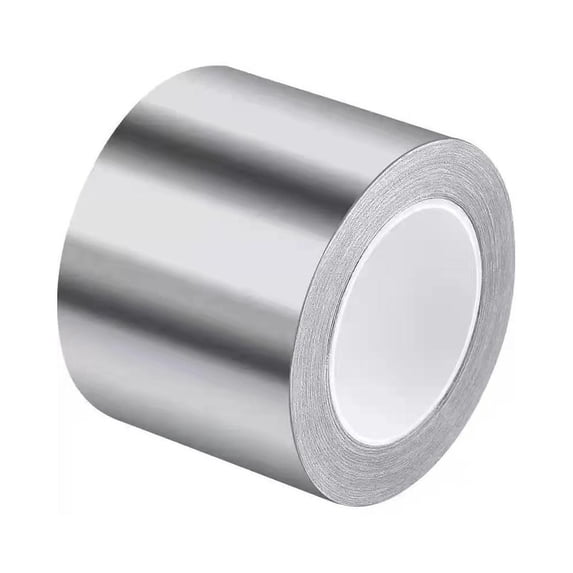
Adhesive insulation tape is a specialized pressure-sensitive tape designed to provide electrical insulation, moisture sealing, and mechanical protection for wiring and electrical components. By selecting the correct material—typically polyvinyl chloride (PVC), rubber, or glass cloth—users can safely secure, bundle, and insulate electrical splices while preventing short circuits and environmental degradation in various residential and industrial environments.
Understanding the Role of Adhesive Insulation Tape
At its core, adhesive insulation tape, often referred to as electrical tape, acts as a dielectric barrier. When you strip wires to join them, you expose conductive metal that must be re-insulated to prevent current from arcing to other wires or to conductive surfaces like metal conduit boxes. Beyond basic insulation, these tapes provide a physical seal that prevents moisture, dust, and acidic or alkaline substances from corroding the connection point.
Unlike general-purpose adhesive tapes, insulation tapes are engineered with specific temperature ratings, voltage thresholds, and elasticity. The most common variety is vinyl (PVC) electrical tape, known for its high dielectric strength and chemical resistance. However, the category also includes rubber splicing tapes used for high-voltage moisture-sealing applications and glass-cloth tapes designed for extreme heat environments. Understanding the physical properties of these tapes is the first step in ensuring the safety and longevity of any electrical installation.
Selecting the Right Material for the Application
Not all adhesive insulation tapes are created equal. The material composition dictates where and how the tape should be used. Using the wrong type of tape can result in premature adhesive failure, melting, or inadequate electrical protection.
Polyvinyl Chloride (PVC) Vinyl Tape
Vinyl tape is the industry standard for general-purpose electrical work. It is highly flexible, allowing it to stretch and conform tightly around uneven wire splices and connectors.
- Best Use: Standard low-voltage residential wiring, cable bundling, and basic color coding.
- Key Advantage: Excellent resistance to abrasion and UV light, making it suitable for both indoor and outdoor use.
Rubber Splicing Tape
Unlike vinyl, self-amalgamating rubber tapes do not rely solely on a pressure-sensitive adhesive. Instead, when stretched and wrapped around itself, the rubber layers fuse into a solid, cohesive mass.
- Best Use: Waterproofing wire splices, insulating high-voltage connections, and providing primary insulation for cable joints.
- Key Advantage: Creates a moisture-proof seal that is superior to standard vinyl, as it lacks a traditional adhesive that could eventually dry out.
Glass Cloth and Specialty Tapes
When environments exceed the 80°C to 105°C limit of standard vinyl, glass cloth or silicone-based tapes become necessary.
- Best Use: Industrial motor leads, heating elements, and high-heat environments where PVC would soften or melt.
- Key Advantage: Maintains integrity under extreme thermal stress, preventing the tape from losing its insulating properties or falling off.
Technical Specifications and Performance Metrics
When evaluating adhesive insulation tapes, professionals look for specific ratings that indicate the product's reliability. Ignoring these technical specifications is a common cause of electrical failure.
- Dielectric Strength: This measures the maximum electric field the tape can withstand before it breaks down and becomes conductive. It is typically measured in volts per mil (V/mil).
- Temperature Rating: This indicates the range of temperatures at which the adhesive will hold its bond and the backing will maintain its structural integrity.
- Elongation: High-quality insulation tape must be able to stretch without snapping. This elasticity is what allows the tape to "shrink-wrap" around a splice, ensuring a tight, gap-free seal.
- Flame Retardancy: Many standardized electrical tapes are treated to be self-extinguishing, meaning they will not support combustion in the event of an electrical short-circuit fire.
Proper Application Techniques for Maximum Safety
Applying adhesive insulation tape is more than just wrapping a wire; it is a mechanical process that ensures the integrity of the electrical connection. Following a systematic approach prevents future failures.
The Half-Lap Method
The most reliable way to apply insulation tape is the "half-lap" technique. Start by anchoring the tape on the insulation of the wire, then wrap it along the connection, overlapping the previous wrap by exactly half the width of the tape. This creates a double layer of insulation at every point.
Tension Control
Maintain consistent tension while applying the tape. If you apply the tape too loosely, air gaps will form, allowing moisture to collect and potentially cause corrosion or short circuits. Conversely, stretching the tape to its absolute breaking point can thin the material, reducing its dielectric strength. A steady, firm pull is the ideal balance.
Finishing the Splice
Always extend the tape at least one inch beyond the ends of the connection point onto the original wire insulation. This provides a "safety margin" that prevents the tape from unpeeling at the edges and ensures that no conductive material is exposed to the elements.
Comparative Overview of Common Insulation Tape Types
| Tape Type | Primary Material | Main Advantage | Common Voltage Limit |
|---|---|---|---|
| Standard Vinyl | PVC | Flexibility & Price | 600V |
| Rubber Splicing | EPR/Butyl | Moisture Sealing | 2kV - 69kV |
| Glass Cloth | Fiberglass | High Heat Resistance | 600V |
| Silicone Tape | Silicone | Self-fusing/High Temp | Variable |
Troubleshooting Common Issues
Even with high-quality materials, adhesive failure can occur. Understanding these signs can help you address potential hazards before they become critical.
- Adhesive Degradation: If the tape edge is curling or the tape feels brittle to the touch, the adhesive has failed. This is common in outdoor environments exposed to extreme UV rays or chemical solvents. The solution is to remove the compromised tape and re-apply using a UV-resistant grade.
- "Telescoping" Rolls: If the tape begins to slide out of the roll or leaves a gummy residue, it has likely been stored in a location that is too hot or humid. Always store electrical tapes in a cool, dark, and dry environment to preserve the adhesive shelf life.
- Lack of Adhesion: If the tape will not stick to the wire, the surface is likely contaminated with oil, grease, or dust. Use an electronics-safe contact cleaner to wipe the wires down before applying the tape.
Frequently Asked Questions
Can I use regular duct tape for electrical repairs?
No. Duct tape is not designed for electrical insulation. It lacks the necessary dielectric strength, its adhesive can become messy and conductive over time, and it is not rated for the heat generated by electrical currents. Using duct tape creates a significant fire and shock hazard.
How do I know if my tape is rated for outdoor use?
Check the packaging for a UV-resistance rating or look for the "All-Weather" designation. Standard vinyl tape can harden and crack when exposed to prolonged sunlight and temperature fluctuations. Outdoor-rated tapes are formulated to remain flexible in sub-zero temperatures and resist UV degradation.
Is there a specific color code I should follow for electrical tape?
While colors are often used for phase identification in industrial settings (e.g., Red, Black, and Blue for different phases in a 3-phase system), color coding is a matter of organizational safety and local electrical code compliance. Always check your local jurisdiction’s regulations to see if specific colors are mandated for particular voltage levels or wire types.
How many layers of tape should I use?
A general rule of thumb is to apply enough layers to ensure the thickness of the tape is at least equivalent to the insulation of the original wire. The half-lap method combined with two or three full passes is generally sufficient for most 600V household applications.
What should I do if the tape starts melting?
If insulation tape is melting, this indicates that the wire underneath is carrying too much current, creating heat that exceeds the tape's rating. This is a severe fire hazard. Disconnect power immediately and consult a licensed electrician to inspect the circuit for overloading or poor connections.
Final Recommendations for Practitioners
When purchasing adhesive insulation tape, prioritize products that list professional standards (such as UL or CSA certification) on the packaging. These labels guarantee that the tape has been tested for flammability, dielectric breakdown, and adhesive longevity. For residential projects, maintain a stock of high-quality, all-weather vinyl tape. For specialized tasks involving wet locations or high-heat appliances, invest in the correct rubber or glass-cloth alternatives. Always ensure that the surfaces you are insulating are clean, dry, and free of debris to guarantee a secure, long-lasting bond.