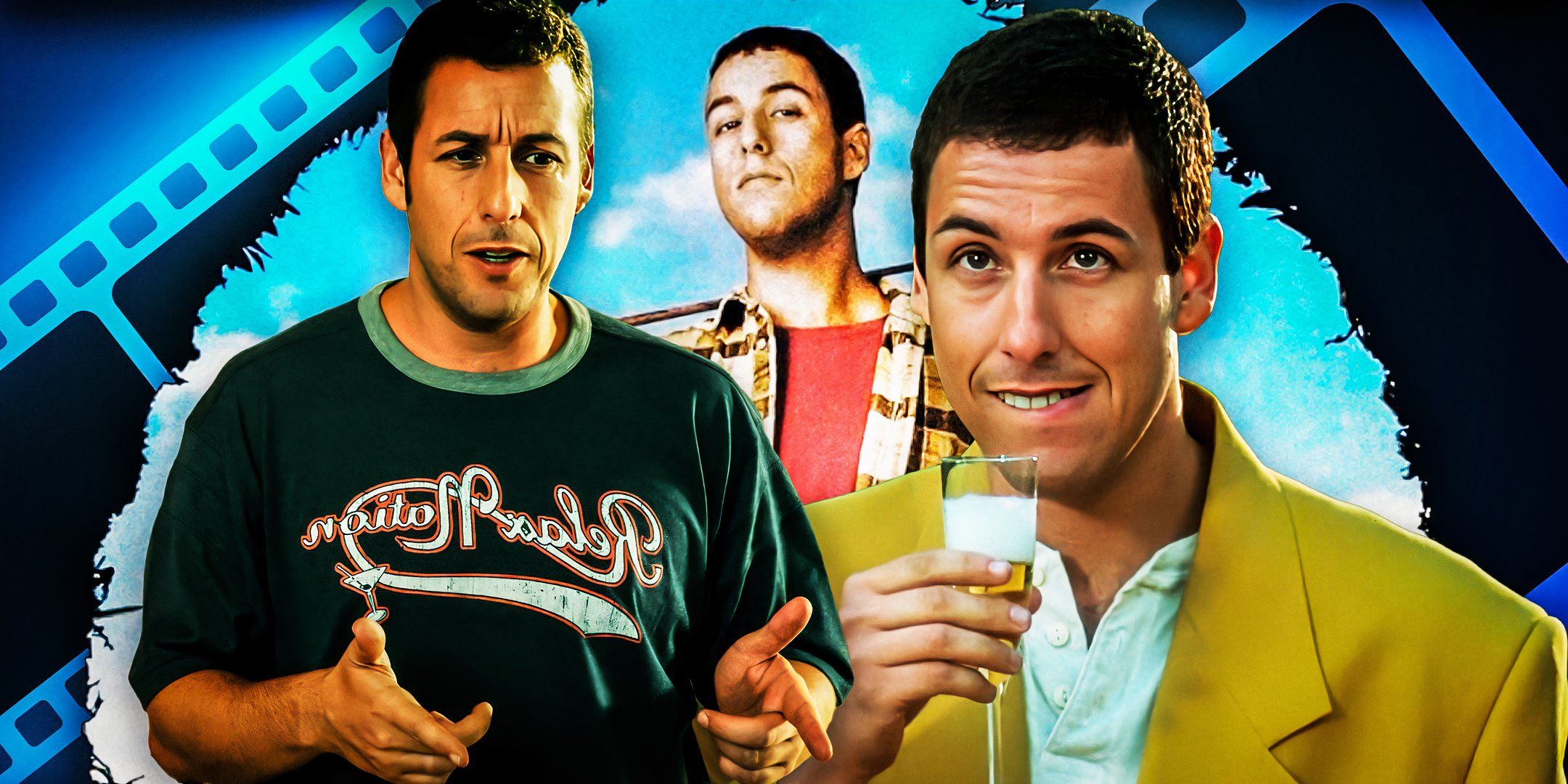
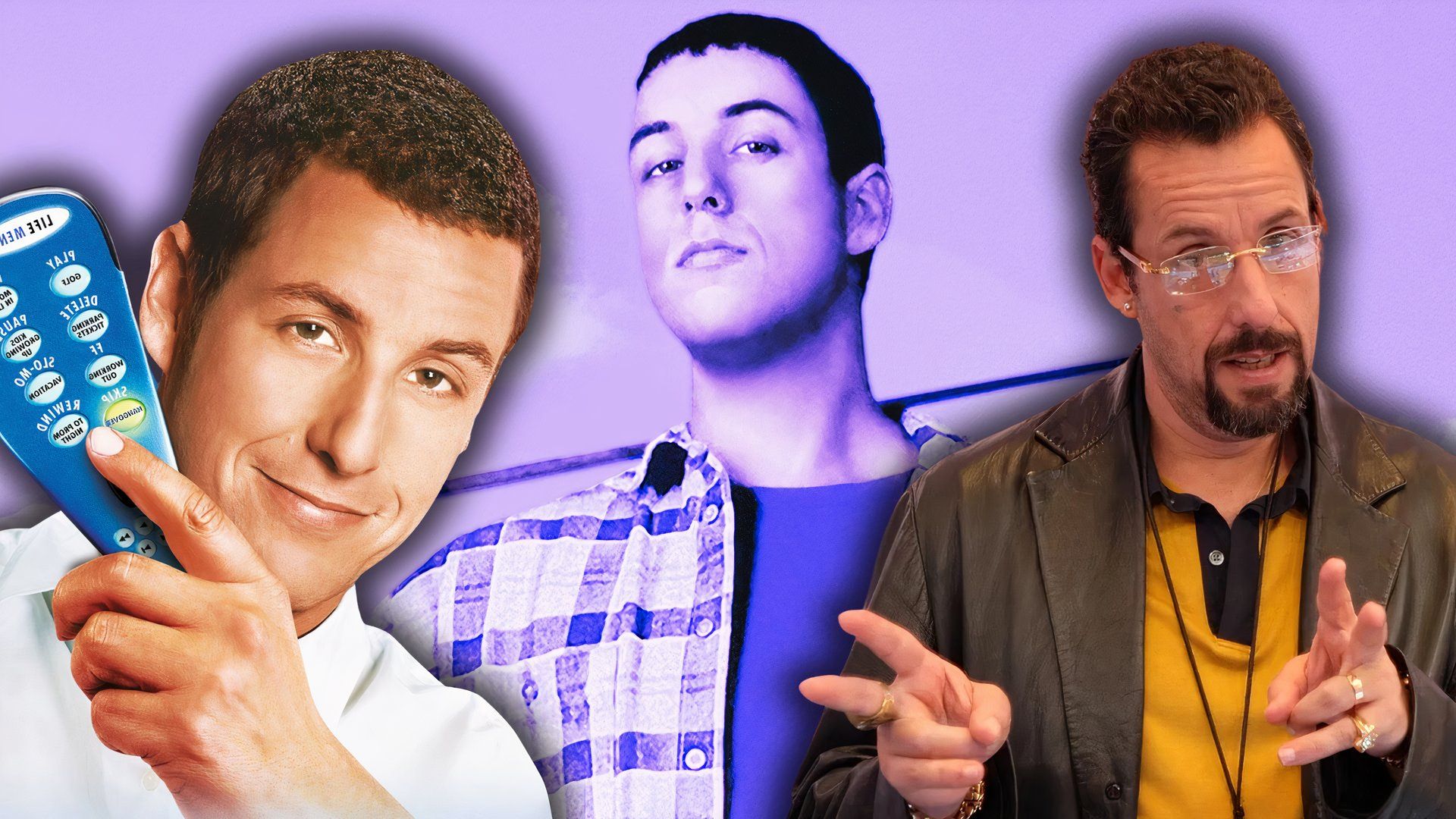
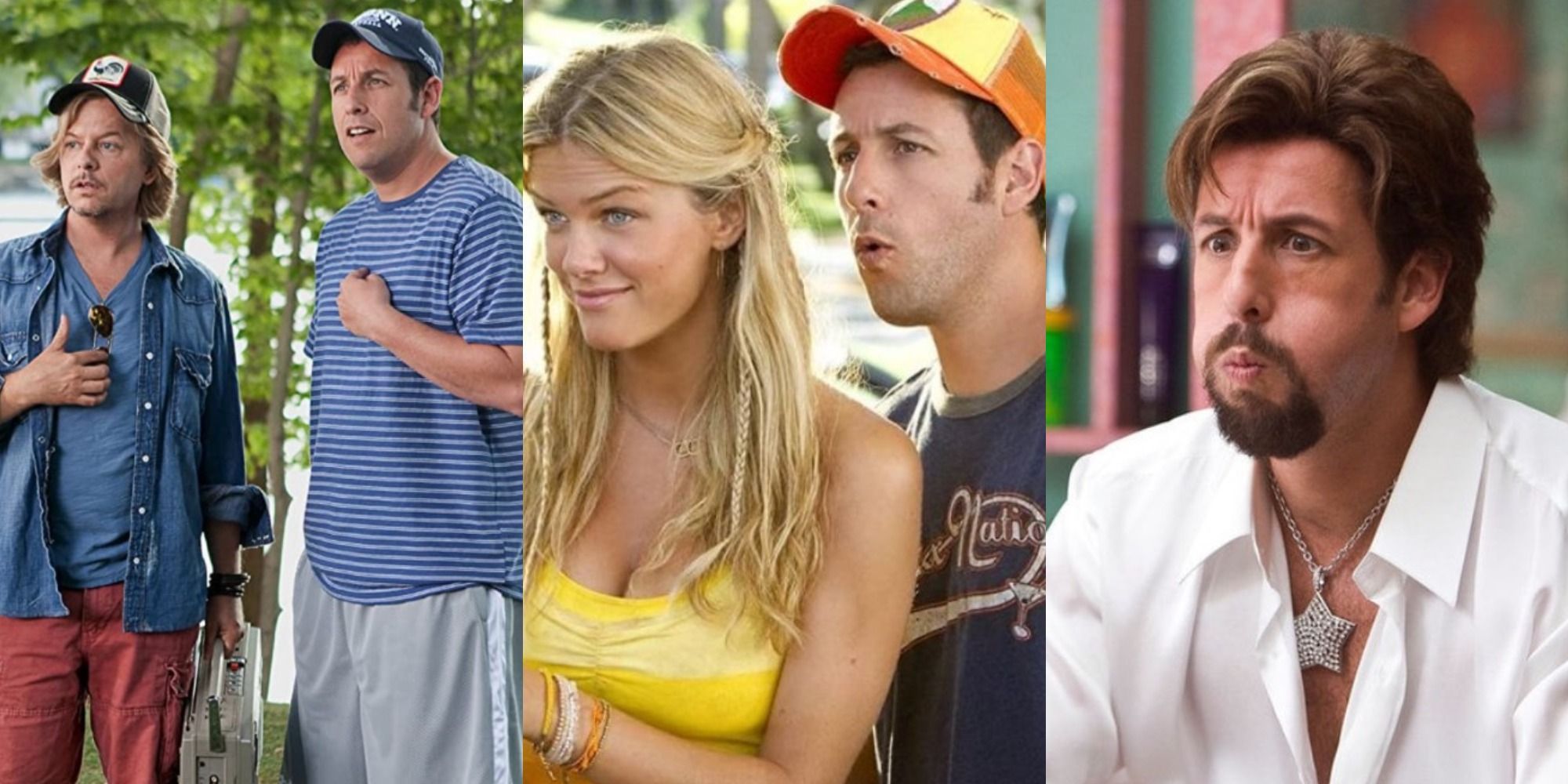
Adam Sandler is widely recognized as a titan of contemporary entertainment, celebrated for his dual mastery of slapstick comedy and nuanced dramatic film performance. Since his emergence in the early 1990s, he has defined a specific brand of humor while simultaneously proving his range as a serious actor, creating a cinematic legacy that bridges the gap between mainstream blockbuster comedy and independent critical acclaim.
The Foundation of a Comedic Persona
Adam Sandler’s path to fame began on the stage of stand-up comedy, but his national recognition was cemented during his tenure on Saturday Night Live (SNL) from 1990 to 1995. During these formative years, Sandler developed a signature comedic style characterized by eccentric character voices, absurdist songs, and an unpredictable, man-child persona that resonated deeply with Generation X and younger audiences.
This early success was not merely a product of the medium, but of Sandler’s unique ability to tap into a specific frequency of frustration and joy. Characters like "Opera Man" and "Cajun Man" showcased his musicality and improvisational skill, while his recurring segments on "Weekend Update" allowed him to inject high-energy, unconventional humor into the rigid structure of live sketch comedy. When he departed SNL, he was already a household name, primed to transition his unique brand of comedy into the feature film landscape.
Defining the 1990s and 2000s Comedic Aesthetic
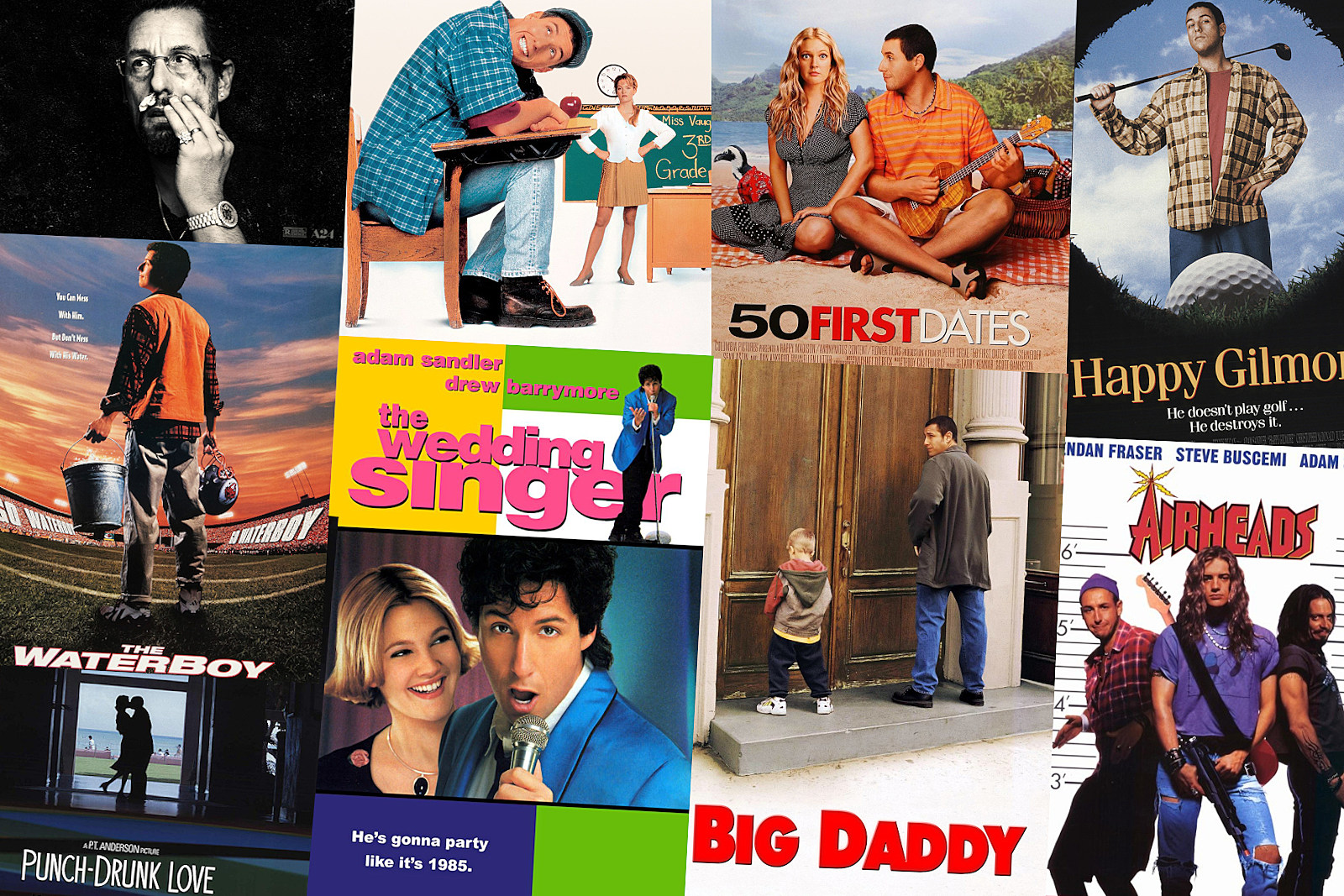
Transitioning from television to film, Sandler leveraged his SNL popularity to build a production empire centered on his own comedic sensibilities. Films like Billy Madison (1995) and Happy Gilmore (1996) established the "Sandler blueprint": an underdog protagonist who possesses a heart of gold, struggles with anger management, and eventually triumphs through sheer force of will and unconventional tactics.
These films were not only box office successes but also cultural touchstones. They functioned as foundational texts for late 20th-century comedy, emphasizing themes of family, loyalty, and the absurdity of adult responsibility. By establishing his own production company, Happy Madison Productions, in 1999, Sandler gained the creative autonomy to nurture these projects, ensuring that his specific comedic vision was preserved across a vast array of releases throughout the 2000s, including The Waterboy, Big Daddy, and Mr. Deeds.
The Evolution of the Sandler Dramatic Arc
While critics often categorized Sandler strictly as a comedic performer during his first decade of film, his career trajectory changed significantly with Paul Thomas Anderson’s Punch-Drunk Love (2002). This role served as a critical turning point, demonstrating that the same intensity, anxiety, and vulnerability that powered his comedic characters could be repurposed for complex, dramatic storytelling.
This evolution was not an abandonment of his roots, but rather an expansion of his capability. Sandler’s ability to oscillate between genres—returning to lighthearted comedies like Grown Ups while pursuing gritty, high-stakes dramas like Uncut Gems (2019)—is the defining feature of his career. In Uncut Gems, his portrayal of Howard Ratner earned significant critical praise, signaling to the industry that he could command the screen in non-comedic, high-tension environments with the same authority he exerted in a slapstick sketch.
Comparative Analysis of Performance Styles
To understand Sandler’s impact, one must examine the distinct techniques he applies to his comedic versus dramatic work. The following table delineates the core differences in his approach to these roles.
| Element | Comedic Performance | Dramatic Performance |
|---|---|---|
| Vocal Delivery | High pitch, aggressive, character-based | Naturalistic, understated, subdued |
| Physicality | Slapstick, exaggerated, chaotic | Controlled, tense, grounded |
| Emotional Core | Externalized, eruptive, cathartic | Internalized, restrained, psychological |
| Primary Theme | Innocence vs. absurd authority | Regret, obsession, consequence |
| Production Focus | Ensemble-driven, improvisational | Director-driven, script-focused |
The Mechanics of Happy Madison Productions
A significant reason for Sandler's sustained relevance is his business model. By producing his own films, he maintained a consistent output that ensured his presence in the cultural conversation, regardless of critical reception. This model allowed for the development of recurring collaborators, including actors like Kevin James, David Spade, and Rob Schneider, creating a "repertory company" feel that appealed to a dedicated fanbase.
In the mid-2010s, this business model adapted to the shifting landscape of film distribution. His landmark deal with Netflix transformed the way his movies were consumed, moving away from traditional theatrical releases and toward a direct-to-consumer digital model. This strategic move ensured that Sandler’s films remained accessible to a global audience, further embedding his brand of comedy into the modern streaming ecosystem while providing him the capital to pursue more diverse, artistic projects as a producer.
Balancing Mass Appeal and Critical Recognition
Sandler’s career is often studied in terms of the "dual audience" effect. His films generally target two distinct groups: those seeking the comfort of his established slapstick tropes and those observing his technical growth as a dramatic actor. This balance is precarious. For years, he faced a divide where his comedic work was commercially successful but critically maligned, while his dramatic work garnered praise but was sometimes misunderstood by his core comedy audience.
As of 2026, the industry perspective has largely shifted to view these two sides of his career as symbiotic. His dramatic roles are now seen as a logical extension of the emotional range he practiced in his comedy, while his comedy remains a testament to his understanding of pacing and audience engagement. This synthesis is why he remains a singular figure in Hollywood; very few performers have managed to sustain a blockbuster comedy career while simultaneously maintaining a footprint in serious, award-contending cinema.
Frequently Asked Questions
How does Adam Sandler approach a dramatic role compared to a comedy? Sandler approaches comedy with a focus on timing and audience reaction, often using high-energy physical humor. In contrast, his dramatic roles rely on deep preparation and psychological realism, requiring him to suppress his natural comedic instincts to inhabit complex, often flawed, human characters.
What is the significance of Happy Madison Productions in his career? Happy Madison gave Sandler the power to maintain creative control over his projects. By producing his own work, he fostered a specific style of filmmaking that built a loyal audience, allowing him to navigate the industry on his own terms and transition into the streaming era with a substantial library of content.
Why is Adam Sandler considered a significant figure in film history? He is considered significant because he successfully bridged the gap between low-brow commercial comedy and high-art dramatic performance. He redefined what it means to be a "movie star" in the 21st century by successfully operating both as a populist entertainer and as a respected character actor.
Does Adam Sandler still perform stand-up comedy? Yes, Sandler continues to incorporate stand-up and musical comedy into his live performances. While his film work dominates his schedule, his roots in stand-up remain a core component of his professional identity and are frequently reflected in his feature films through musical sequences and improvisational moments.
What is the impact of his move to the streaming model? By partnering with platforms like Netflix, Sandler effectively guaranteed that his content would reach a massive, global audience instantaneously. This move stabilized his career against the unpredictability of theatrical box office returns and allowed him the freedom to experiment with diverse genres and international distribution.
Next Steps for Fans and Researchers
To gain a comprehensive understanding of Adam Sandler's influence, one should look at his career not as a series of disparate films, but as a longitudinal study in character work. For those interested in his comedic roots, revisiting his SNL clips and early mid-90s films is essential for understanding his original artistic voice. For those interested in his evolution, watching Punch-Drunk Love, The Meyerowitz Stories, and Uncut Gems in chronological order provides a clear view of how his dramatic range has matured over two decades. His ongoing work continues to be a primary case study in how a performer can successfully evolve alongside changing audience tastes and technological shifts in media distribution.