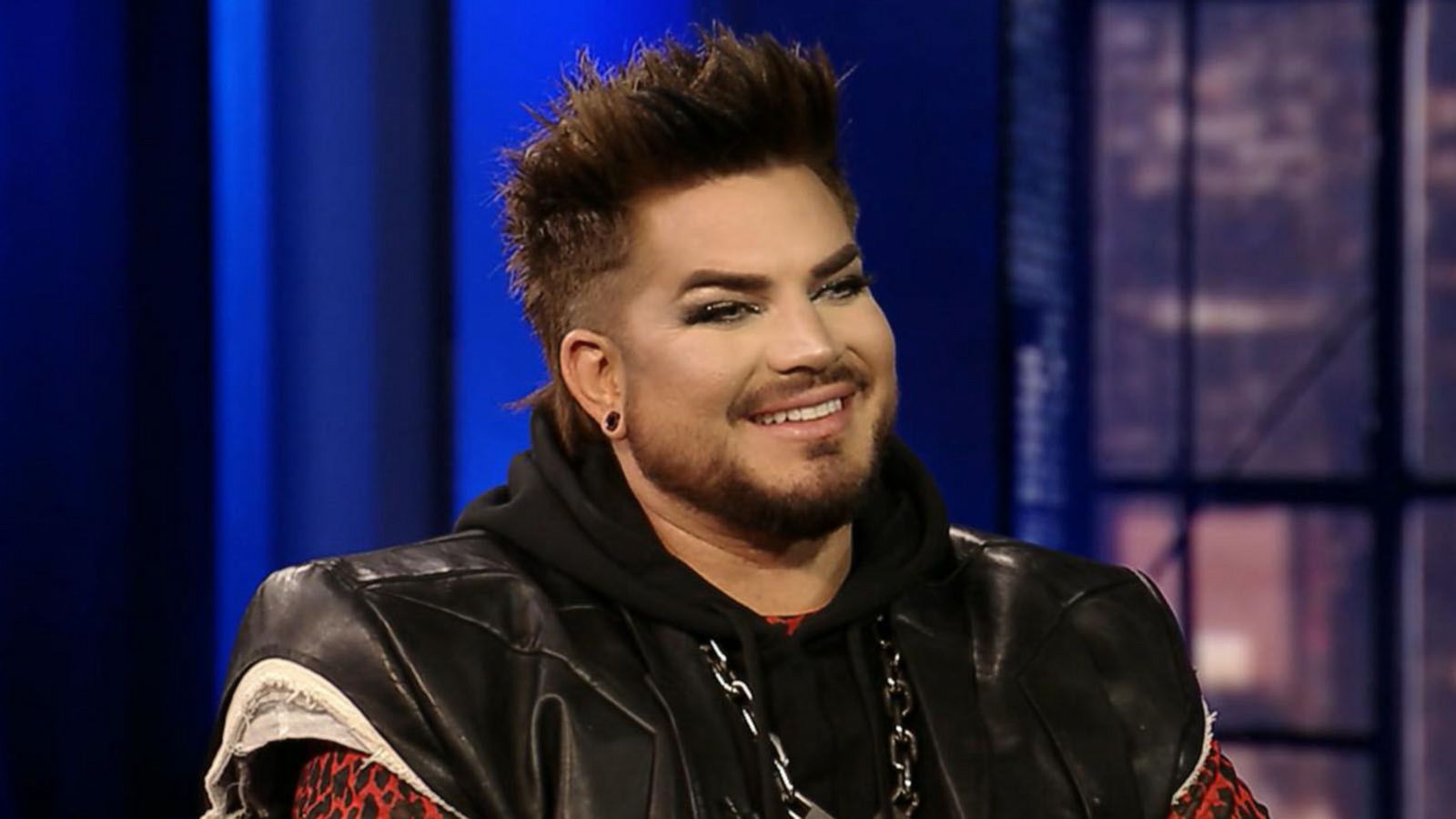
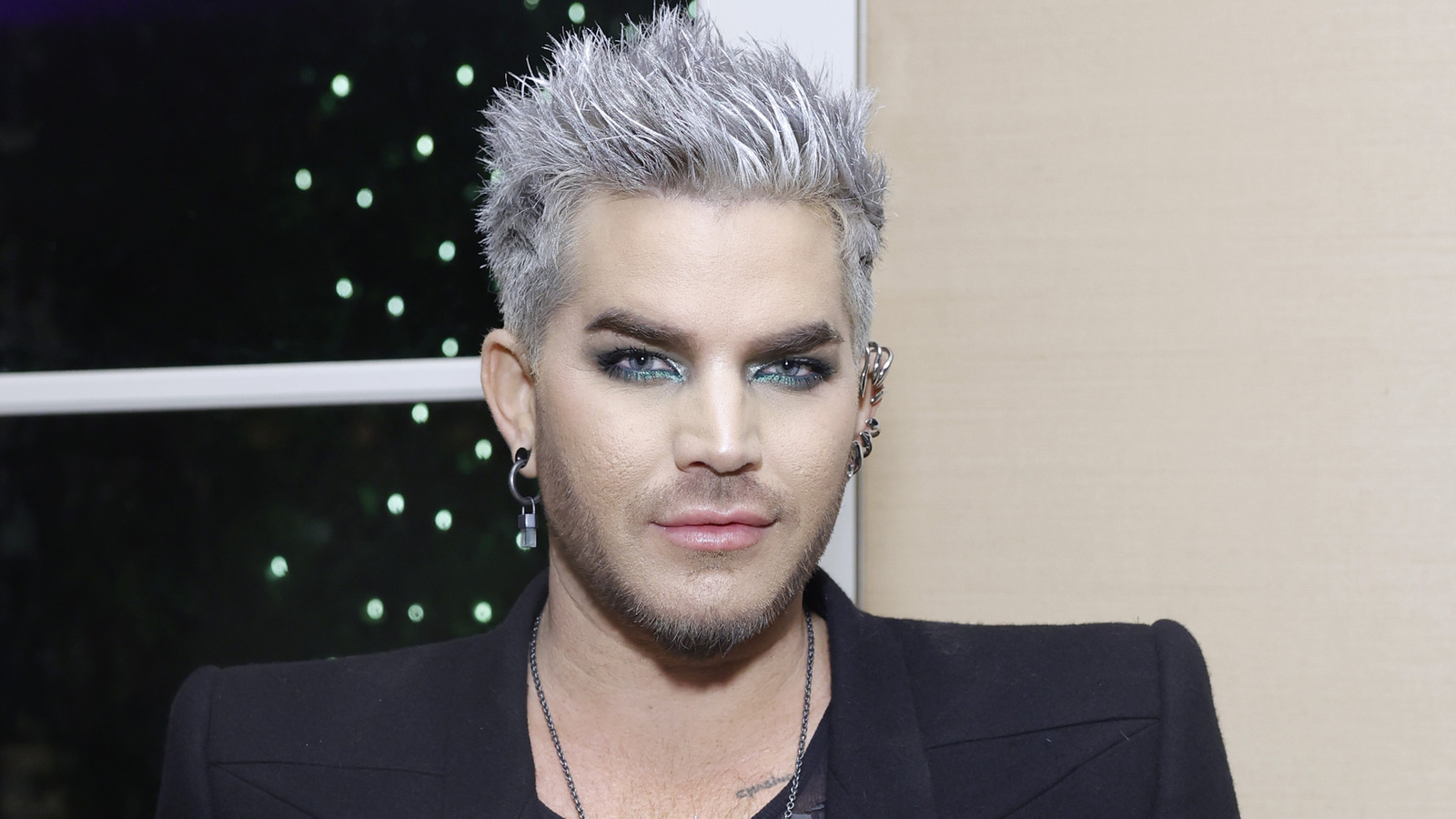
Adam Lambert uses he/him pronouns, a detail that has occasionally sparked public curiosity alongside broader discussions about gender expression, non-binary visibility, and his long-standing role as an openly gay icon in the music industry.
The public discourse surrounding celebrity pronouns has evolved significantly over the last decade. As cultural conversations surrounding gender identity, expression, and language become more mainstream, fans and media analysts frequently examine how public figures navigate these topics. For Adam Lambert—who rose to prominence as a groundbreaking contestant on American Idol in 2009 and later as the powerhouse frontman for Queen + Adam Lambert—understanding his public persona requires looking closely at how he discusses identity, fashion, and personal expression. This article examines the facts regarding Adam Lambert's pronouns, his broader relationship with the LGBTQ+ community, and the cultural context of gender non-conformity in contemporary entertainment.
The Context of Pronoun Usage for Adam Lambert
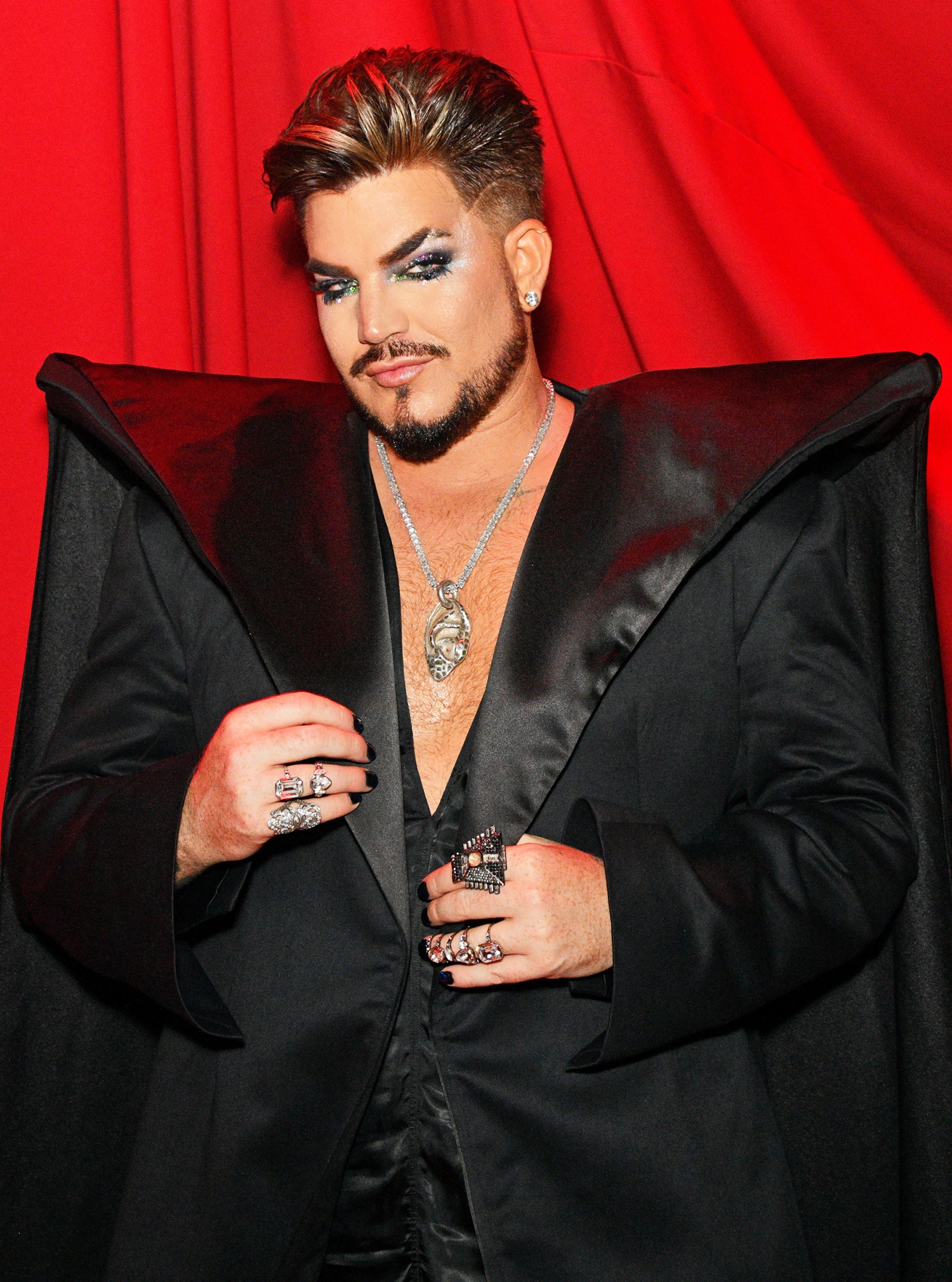
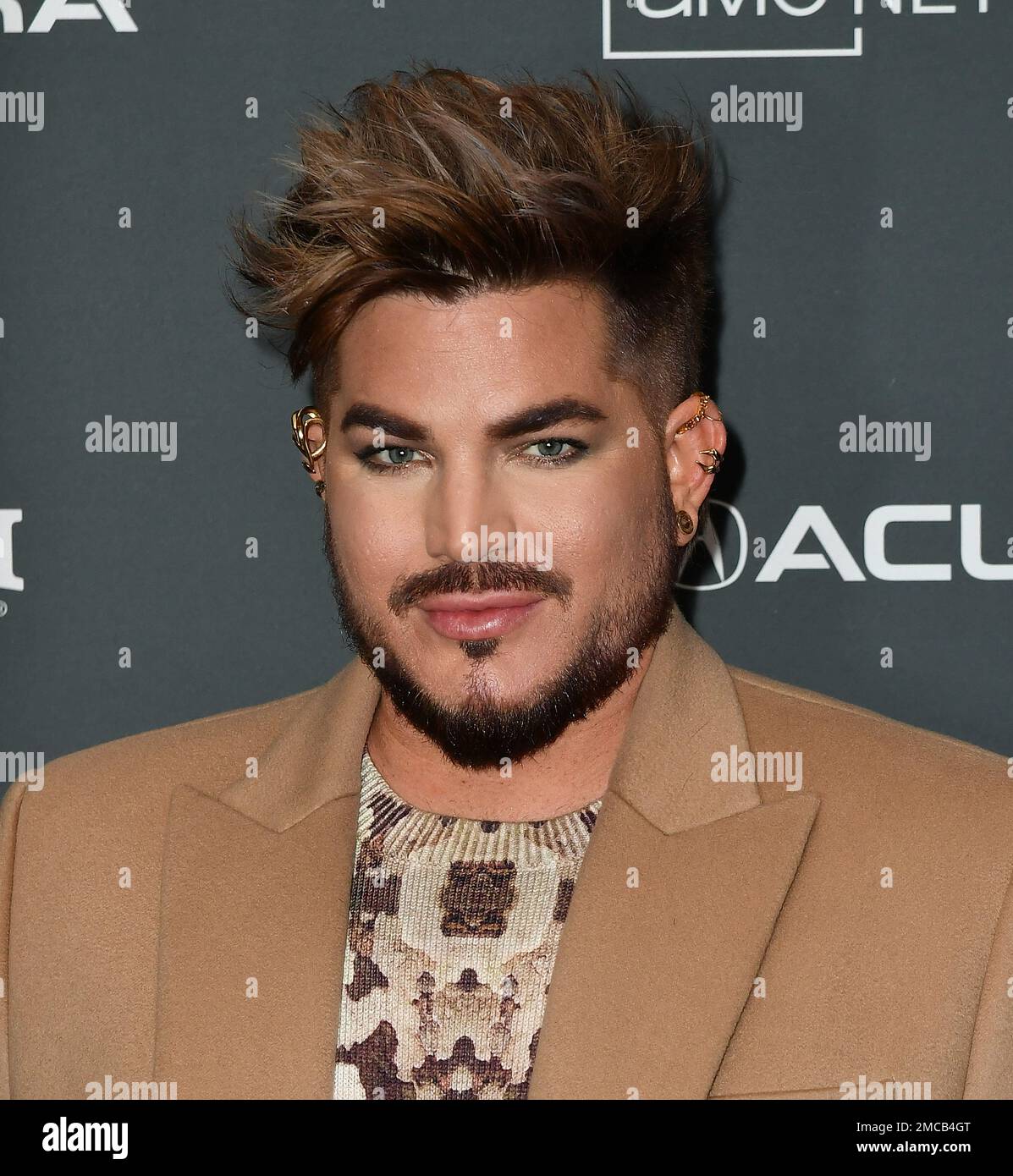
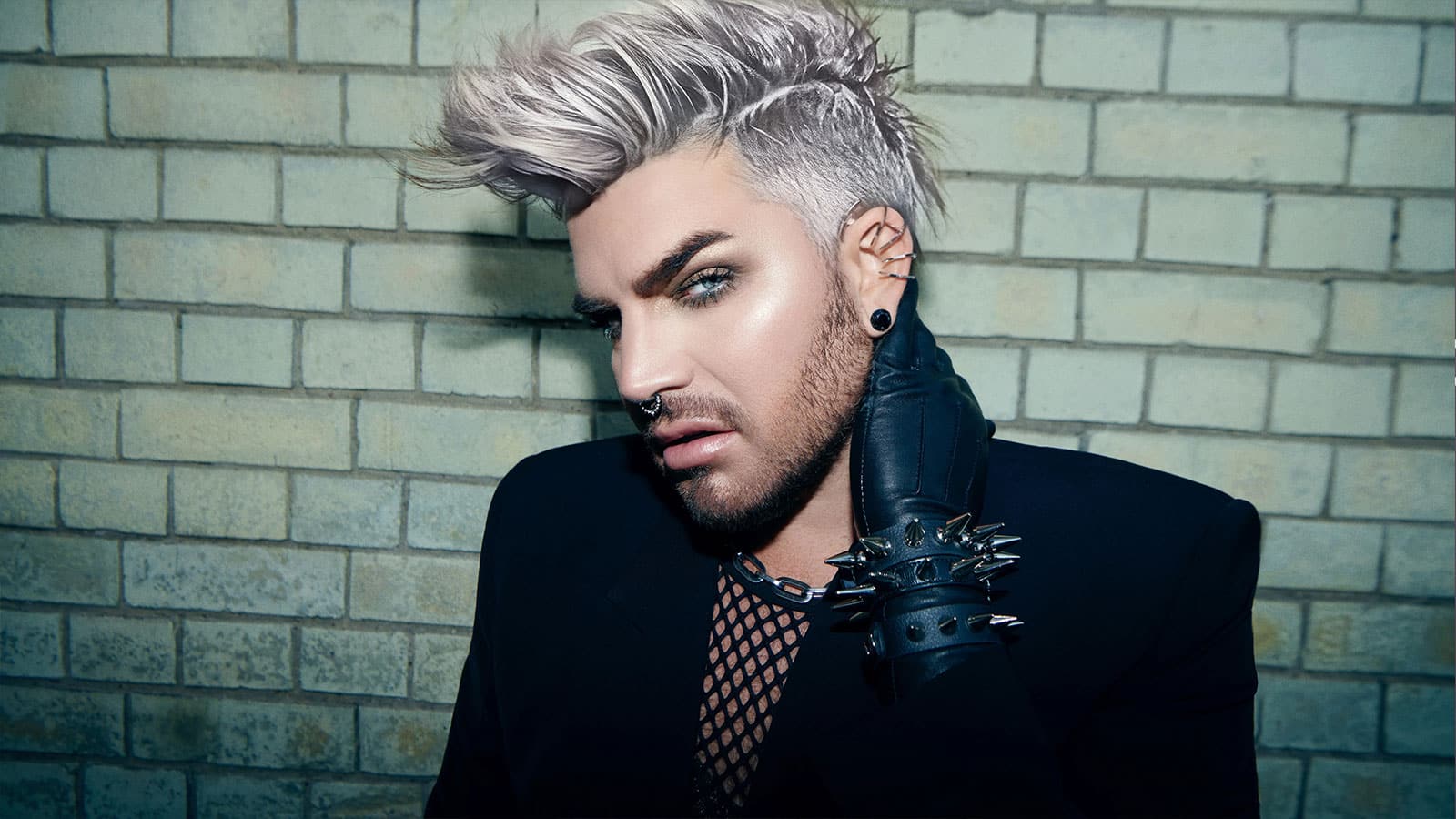
Adam Lambert has consistently used he/him pronouns throughout his career. While he has never announced a change to his pronouns, his approach to gender has always challenged traditional norms. From his earliest television appearances, Lambert integrated theatrical makeup, bold nail polish, high-end unisex fashion, and long hair into his everyday style.
This visual ambiguity often leads casual observers or new fans to search for information regarding his pronoun usage. In contemporary media, individuals who reject strict binary dress codes are sometimes assumed to use non-traditional pronouns such as they/them. However, Lambert’s public self-identification remains anchored in he/him pronouns, even as he actively dismantles traditional expectations of masculinity through his performance art and personal aesthetic.
Gender Expression Versus Gender Identity
To understand why public figures like Adam Lambert generate queries regarding pronouns, it is helpful to distinguish between gender identity and gender expression:
- Gender Identity: Refers to a person's deeply felt, internal sense of being male, female, a blend of both, or neither. For Lambert, this aligns with being a cisgender man, though he has spoken extensively about the fluidity of human experience.
- Gender Expression: Refers to how a person presents their gender to the world through behavior, clothing, hairstyle, voice, and body characteristics. Lambert’s gender expression is notoriously avant-garde, blending hyper-masculine rock tropes with feminine and queer-coded couture.
By separating these two concepts, media consumers can better understand why a public figure might challenge conventional appearance standards without changing their foundational pronouns.
Adam Lambert's LGBTQ+ Advocacy and Career Milestones
Beyond his artistic output, Adam Lambert is recognized as a pioneering figure for LGBTQ+ representation in mainstream pop and rock music. When he competed on the eighth season of American Idol, his sexuality was an open secret before he explicitly confirmed it in a post-show interview with Rolling Stone magazine. At that time, mainstream pop stardom for an openly gay man carrying a major network franchise was largely unprecedented.
Over the years, Lambert has used his platform to advocate for broader LGBTQ+ visibility, mental health resources, and inclusive language. His advocacy work contextualizes why conversations about pronouns, identity labels, and inclusivity frequently follow him. He has consistently championed the idea that authenticity is an artist's greatest asset, encouraging fans to embrace their individuality regardless of societal pressure.
Key Milestones in Lambert's Public Identity
| Year / Era | Milestone | Significance to Public Identity |
|---|---|---|
| 2009 | American Idol Runner-Up | Rose to global fame while subverting traditional television-contestant norms with theatrical flair and makeup. |
| 2009 | Rolling Stone Cover Feature | Publicly discussed his sexuality, becoming one of the first openly gay pop artists to launch a major mainstream career right out of the gate. |
| 2012–Present | Frontman for Queen + Adam Lambert | Stepped into the monumental role previously held by Freddie Mercury, bringing unapologetic queer representation to classic rock stadiums worldwide. |
| 2020 | Formation of the Feel Something Foundation | Launched a non-profit organization supporting LGBTQ+ human rights, arts education, and mental health initiatives. |
The Evolution of Pronoun Awareness in Celebrity Culture
The modern practice of stating or querying pronouns—such as including he/him, she/her, or they/them in social media bios and media kits—became widespread in the mid-to-late 2010s. This cultural shift aimed to normalize respect for transgender, non-binary, and gender-nonconforming individuals.
Because Adam Lambert emerged into the spotlight just before this linguistic shift became standard practice across corporate and entertainment platforms, his early media coverage focused primarily on sexual orientation rather than gender pronouns. As the cultural vocabulary expanded to encompass a wider spectrum of gender identities, fans naturally sought clarity on where established artists stood within these evolving frameworks. Lambert’s continued use of he/him pronouns demonstrates that an individual can be a staunch ally and a subversive stylistic icon while maintaining traditional pronoun preferences.
Frequently Asked Questions About Adam Lambert Pronouns
What pronouns does Adam Lambert use?
Adam Lambert uses he/him pronouns. He has consistently used these pronouns throughout his career in music, television, and public appearances.
Has Adam Lambert ever changed his pronouns?
No. While Lambert frequently challenges conventional gender roles through fashion, makeup, and performance art, he has never announced a change to his he/him pronouns.
Why do people search for Adam Lambert's pronouns?
Because of his avant-garde fashion sense, theatrical style, and consistent advocacy for the LGBTQ+ community, new fans and media consumers sometimes search for his pronouns to ensure respectful and accurate representation in discussions about his work.
Is Adam Lambert non-binary?
Adam Lambert has not identified as non-binary. He identifies as a gay man, though his career has been defined by a rejection of rigid, traditional masculine stereotypes.
How does Adam Lambert view gender expression in music?
Lambert has frequently spoken about the historical connection between glam rock—pioneered by figures like David Bowie, Freddie Mercury, and Mick Jagger—and gender-bending performance. He views theatricality and fashion as tools for artistic freedom rather than strict statements on gender identity.
Next Actions and Further Reading
For readers interested in following Adam Lambert's ongoing artistic projects and advocacy work, exploring his official social media channels, verified music databases, and interviews with cultural publications provides the most accurate and up-to-date perspective. When engaging in discussions about public figures, prioritizing verified self-identification remains the best practice for respectful and accurate commentary.