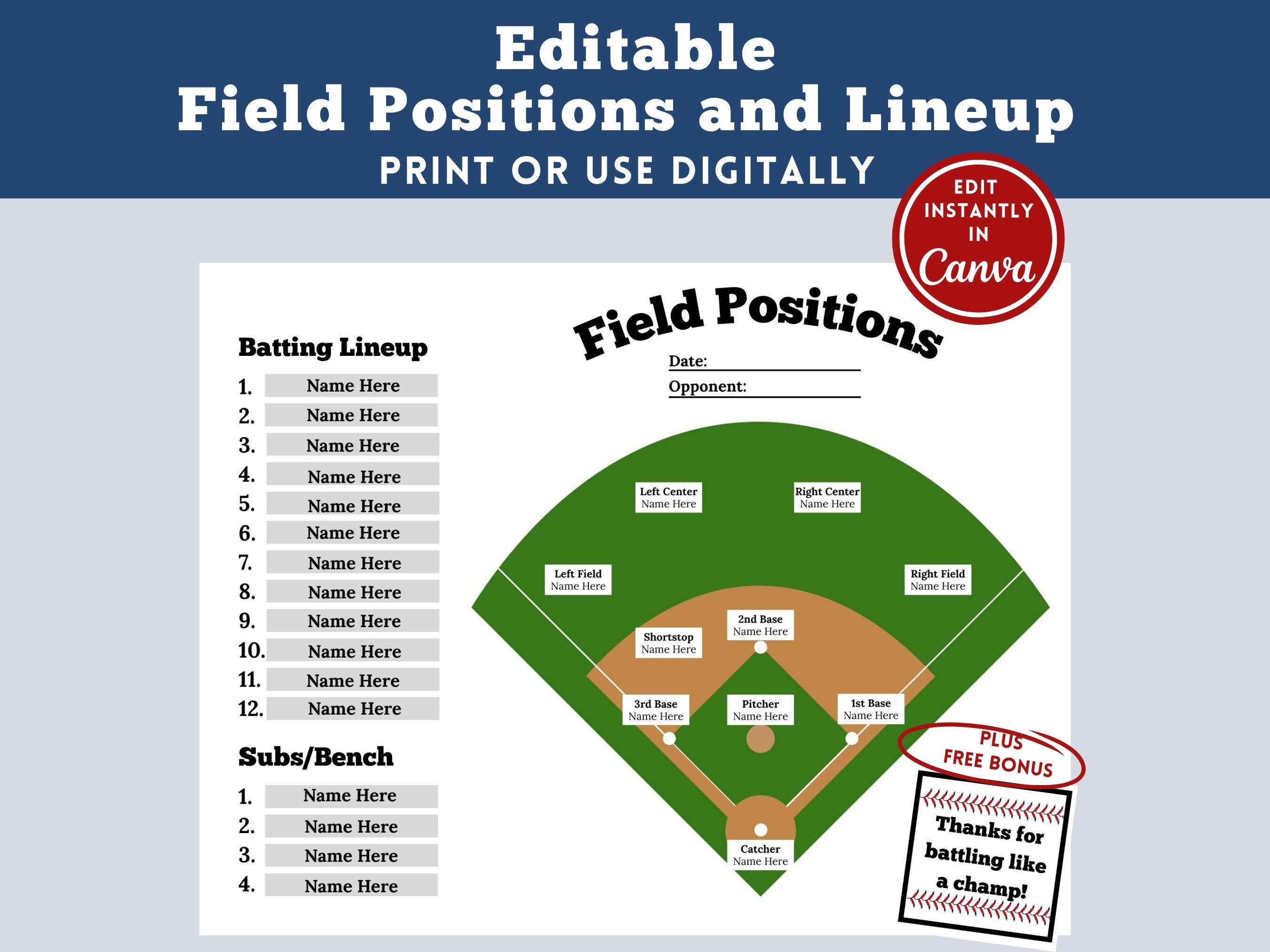
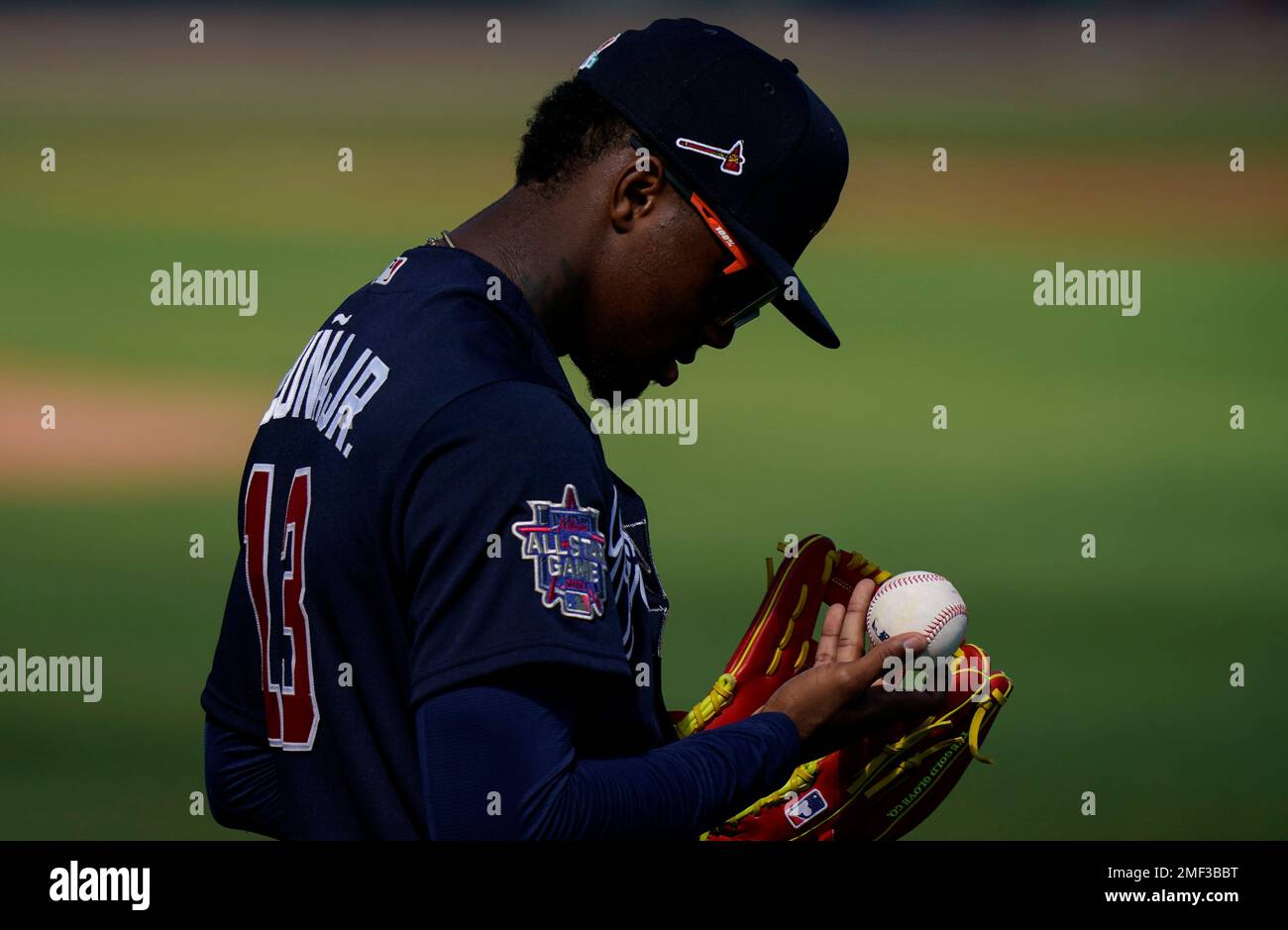
Ronald Acuña Jr. is the primary right fielder for the Atlanta Braves. While he possessed the versatility to play all three outfield positions early in his career—and spent significant time as a center fielder—he has since transitioned into a permanent role in right field to maximize his elite arm strength and manage the physical workload on his legs following major knee surgeries.
The trajectory of Ronald Acuña Jr.’s career is not just a story of offensive dominance, but also one of defensive adaptation. As we look at his role in 2026, his positioning on the field is a calculated decision made by the Atlanta Braves organization to balance his generational talent with long-term durability. Understanding where Acuña stands on the grass requires a deep dive into defensive metrics, roster construction, and the physiological demands of Major League Baseball (MLB).
The Evolution of Acuña’s Defensive Role
When Ronald Acuña Jr. first broke into the big leagues in 2018, he was a defensive "Swiss Army Knife" in the outfield. At the time, the Braves’ roster necessitated flexibility. Acuña spent his rookie season primarily in left field (91 games), showcasing the range and speed that would eventually make him a 40/70 club member. However, his natural athleticism quickly pushed him toward the more demanding center field spot.
By 2019, Acuña was splitting time between center and right field. Center field is traditionally reserved for the team’s most athletic player—the "captain" of the outfield who must cover the most ground. While Acuña excelled there, the physical toll of sprinting 30+ feet per second to track down fly balls in the gaps began to collide with the team's need for his bat to remain in the lineup for 162 games.
The Shift to Right Field Permanency
The definitive shift to right field was catalyzed by two major factors: the arrival of Michael Harris II and Acuña’s own injury history. The 2021 ACL tear was a turning point. Upon his return, the Braves sought to reduce the "mileage" on his legs. Center field requires 360-degree coverage and frequent high-impact collisions with walls or fellow outfielders. Right field, while still demanding, allows a player to focus more on lateral movement and utilizing their arm.
In the current 2026 landscape, Acuña is viewed as one of the premier right fielders in the game. His positioning allows him to play to his greatest defensive strength: his arm. In the hierarchy of baseball defense, the right fielder is tasked with the longest throw in the game—the toss from the right-field corner to third base to cut off a tagging runner. Acuña’s arm remains among the elite, frequently clocked in the upper 90s, making him a deterrent for any baserunner thinking of taking an extra bag.
Technical Specifications: The "Cannon" in Right Field
To understand why right field is the optimal position for Acuña, one must look at the technical requirements of the spot. Defensive positioning in MLB is no longer just about "standing in a general area." It is about data-driven shifts and specialized physical attributes.
Arm Strength and Velocity
In right field, the most critical "tool" is often the arm. When a ball is hit into the right-field gap with a runner on first, that runner will often attempt to reach third base. A right fielder with a weak arm is a liability in this scenario. Acuña, however, possesses what scouts call a "cannon." His ability to field a ball on the warning track and fire a strike to the third-base bag is a rare skill that directly prevents runs from scoring.
Range and Sprint Speed
Even after his knee surgeries, Acuña’s "Outfield Jump"—a Statcast metric that measures a player's reaction and directness of route in the first three seconds of a play—remains high. In right field, he doesn't have to cover the massive expanses of center field, but he must still navigate the "sun field" and the unique angles of the right-field line. His sprint speed allows him to close the gap on "bloop" hits that shorter-limbed defenders might miss.
Route Efficiency
Defensive excellence is as much about the mind as it is the body. Acuña’s "Route Efficiency" (the directness of the path taken to the ball) has improved significantly as he has aged into the 2026 season. By taking better angles, he compensates for any slight loss in raw footspeed, ensuring he remains an "above average" defender in terms of Outs Above Average (OAA).
Positional Statistics and Career Distribution
To visualize Acuña's transition, it is helpful to look at how his games have been distributed across the field throughout his career.
| Season | Primary Position | Secondary Position | Games at Primary | Defensive Impact (Narrative) |
|---|---|---|---|---|
| 2018 | Left Field (LF) | CF / RF | 91 | High-energy rookie; elite range. |
| 2019 | Center Field (CF) | Right Field | 102 | Full-time CF; high physical demand. |
| 2020 | Center Field (CF) | Right Field | 36 | Shortened season; dominant range. |
| 2021 | Right Field (RF) | Center Field | 72 | Shift to RF began before ACL injury. |
| 2022 | Right Field (RF) | DH | 60 | Post-injury caution; limited range. |
| 2023 | Right Field (RF) | DH | 159 | Historic 40/70 season; RF anchor. |
| 2024 | Right Field (RF) | DH | 49 | Second ACL injury; season cut short. |
| 2025 | Right Field (RF) | DH | 130+ | Return to form; focused on RF stability. |
| 2026 | Right Field (RF) | DH | Current | Veteran RF leader; elite arm utility. |
The Impact of the Designated Hitter (DH) Role
In the 2026 era of baseball, the position of "Right Fielder" for a superstar like Acuña is often shared with the Designated Hitter (DH) spot. The implementation of the universal DH in the National League was a gift to the Braves' training staff.
Strategic Resting
Acuña’s "position" on the field isn't always in the grass. To keep his bat in the lineup for the duration of the season, the Braves frequently utilize him as a DH. This allows him to focus entirely on his offensive output—stolen bases, exit velocity, and home runs—without the defensive stress of standing for nine innings or making diving catches.
The 2026 Routine
Typically, in a standard three-game series, Acuña might play right field for two games and act as the DH for one. This rotation is a vital component of the Braves' strategy to ensure he is healthy for the postseason. When he is the DH, he is replaced in right field by a defensive specialist or a younger prospect, but his "home" remains right field.
Why Center Field is No Longer the Primary Goal
Many fans often wonder why a player of Acuña’s caliber doesn't return to center field, the "glamour" position of the outfield. The answer lies in the presence of Michael Harris II and the geometry of the baseball field.
- The Michael Harris II Factor: Harris is a perennial Gold Glove contender in center field. His presence allows the Braves to have an elite defender in the most difficult spot, which in turn allows Acuña to stay in right field where he is more naturally suited for the "long throw."
- Field Geometry: Right field in many ballparks (including Truist Park) can be tricky due to the way the ball slices off the bats of left-handed hitters. Acuña’s experience and arm make him a better fit for this specific challenge than a player with less arm strength.
- Risk Management: Statistics show that center fielders are involved in more collisions and high-velocity sprints than corner outfielders. For a player with Acuña’s injury history, the risk-to-reward ratio of playing center field is simply not favorable for the organization.
Advanced Metrics: Evaluating Acuña in Right Field
When we look at the 2026 defensive data, we see a player who has mastered the nuances of his position. Analysts use several key metrics to determine if Acuña is still "elite."
- DRS (Defensive Runs Saved): This metric calculates how many runs a player saved (or cost) his team compared to an average fielder. Acuña consistently posts positive DRS numbers in right field, largely due to his "Outfield Arm Runs Saved," a sub-category that credits him for preventing runners from advancing.
- OAA (Outs Above Average): This is a range-based metric. While Acuña’s OAA might not be at the very top of the league (where speedy center fielders live), he remains in the 75th-80th percentile for right fielders.
- UZR (Ultimate Zone Rating): UZR quantifies how well a fielder covers his assigned "zone." Acuña’s UZR is bolstered by his "Arm Rating," which is often among the top five for all right fielders in the National League.
Defensive Communication and Leadership
As a veteran in 2026, Acuña’s role in the outfield has also shifted toward leadership. The right fielder is responsible for communicating with the second baseman and the center fielder on fly balls in the "no-man's land" between the infield and outfield. Acuña’s years of experience have made him a vocal leader on the grass, helping to coordinate the Braves' defensive shifts in real-time.
His relationship with the Braves' pitching staff is also influenced by his position. Pitchers breathe easier knowing that a fly ball to the right-field corner is likely an out, or at the very least, a play where the runner will be forced to stay at second base because of the threat of Acuña's arm.
Frequently Asked Questions
Can Ronald Acuña Jr. still play center field if needed?
Yes, he can. In emergency situations or late-game tactical shifts, Acuña is more than capable of moving to center field. However, in the 2026 season, this is rare. The Braves prefer to keep him in right field to preserve his health and take advantage of his specific skill set for that corner.
How does his arm strength compare to other right fielders?
Acuña’s arm remains one of the strongest in Major League Baseball. Even as he has aged into 2026, his average throw velocity on "competitive" plays (throws to a base or home) consistently exceeds 95 mph. He is frequently ranked alongside players like Hunter Renfroe or Adolis García in terms of raw arm talent.
Does playing right field affect his hitting?
The consensus among sports scientists and the Braves' staff is that playing right field (or DH) helps his hitting by reducing overall fatigue. By not having to cover the ground required of a center fielder, Acuña has more "legs" for his swing, which is essential for his high-velocity bat speed and power.
Why did he start as a left fielder?
In 2018, the Braves had Ender Inciarte in center field and Nick Markakis in right field. To get Acuña’s bat into the lineup as a rookie, they placed him in left field, which was the only available opening. His move to center and then right was a natural progression as the roster changed.
Is he likely to win a Gold Glove in right field?
While Acuña is an elite talent, the competition for the Gold Glove in right field is fierce. His chances usually depend on his "health-to-play" ratio. If he plays 140+ games in the field without excessive DH stints, his combination of arm strength and range makes him a perennial candidate for the award.
Final Recommendation for Fans and Analysts
When watching the Atlanta Braves in 2026, do not view Ronald Acuña Jr.’s placement in right field as a sign of diminishing skill. Instead, recognize it as the optimal utilization of a superstar. By anchoring right field, Acuña provides the team with a defensive weapon that neutralizes the opponents' running game while ensuring his historic offensive production remains at the top of the lineup. For those tracking his career, his defensive "position" is best understood as a blend of right-field mastery and strategic DH usage—a combination designed to keep one of baseball's greatest talents on the field for another decade.