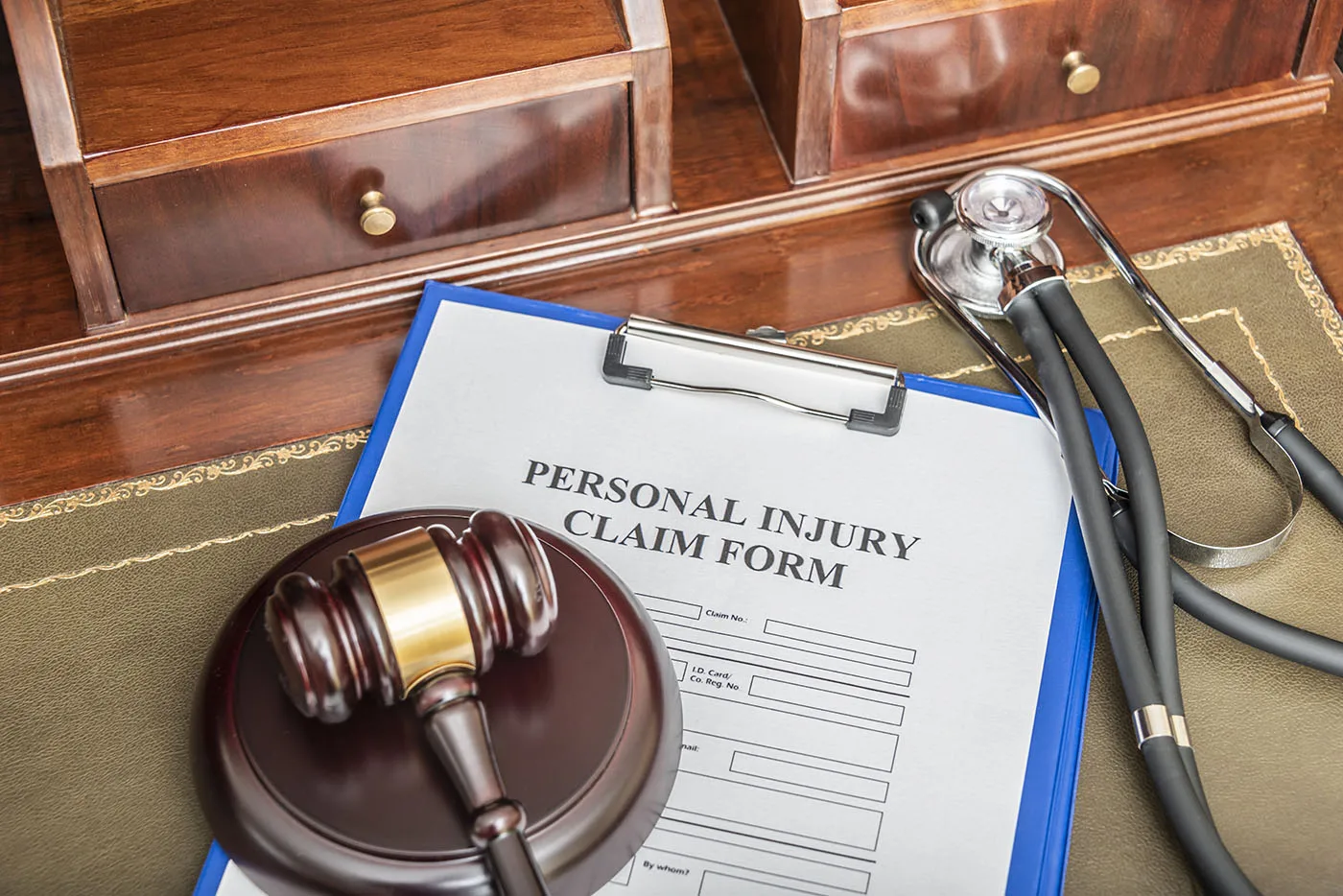
Achilles personal injury cases refer to legal claims involving damage to the Achilles tendon—typically ruptures, tears, or severe tendinitis—sustained due to the negligence of another party. These cases require a rigorous synthesis of medical evidence and liability analysis, as claimants must prove that a specific incident directly caused the injury, resulting in significant damages such as medical expenses, lost wages, and long-term impairment.
Understanding the Anatomy of an Achilles Injury Claim
An Achilles tendon injury is among the most debilitating orthopedic conditions, often resulting from sudden trauma or, in some contexts, the failure of a premises owner to maintain a safe environment. To pursue a successful personal injury claim in 2026, the plaintiff must establish the fundamental elements of negligence: duty, breach, causation, and damages.
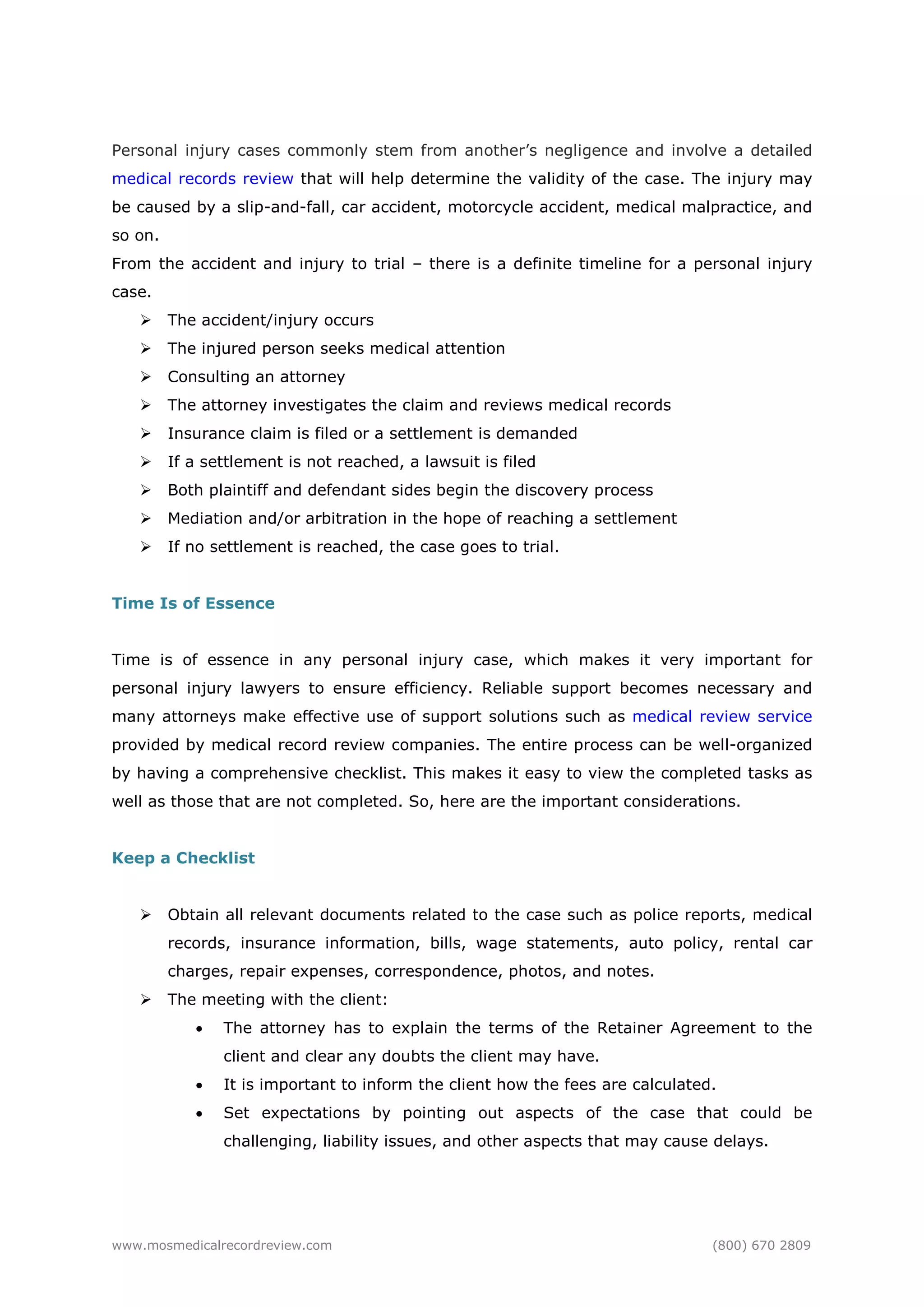
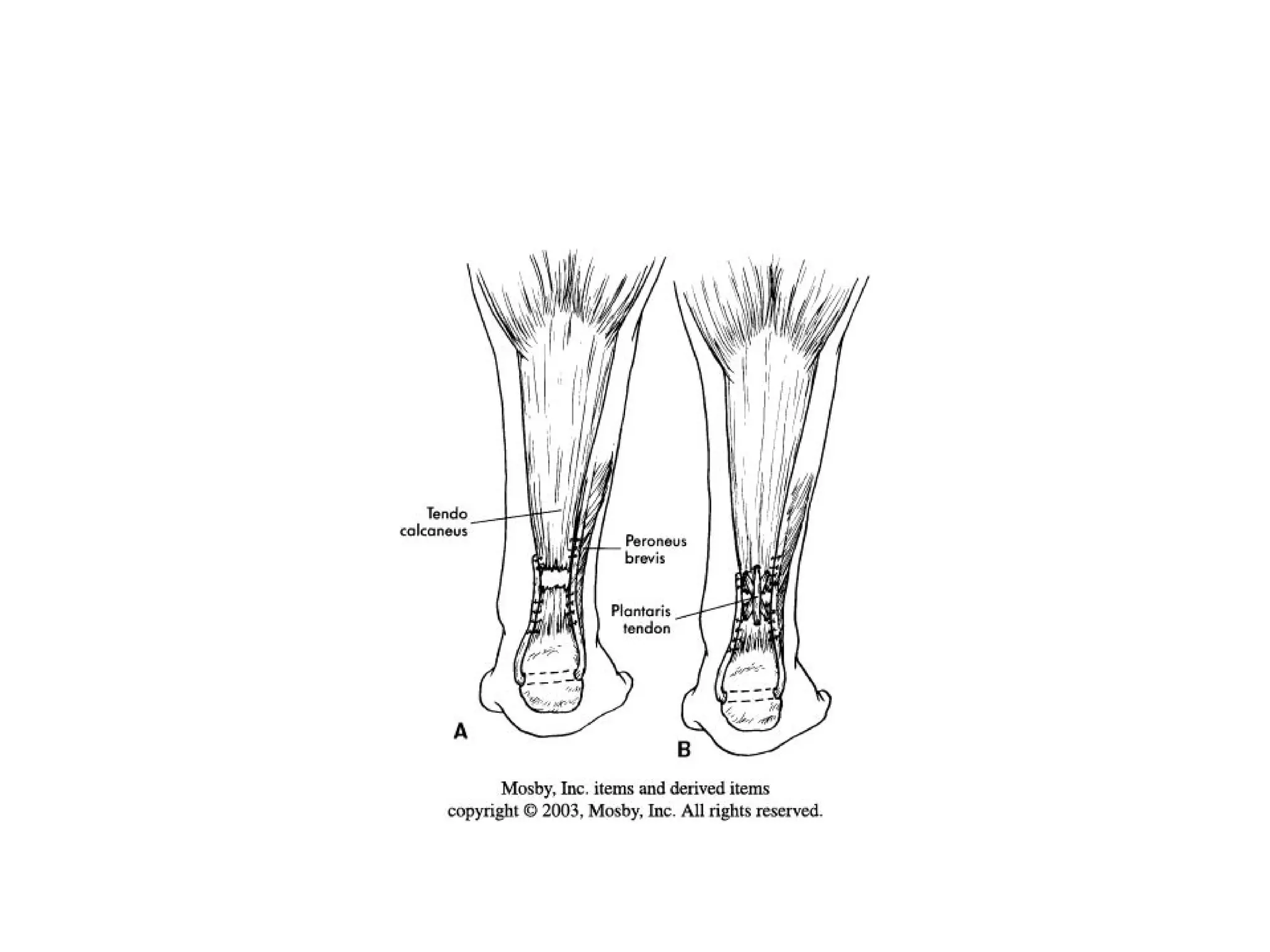
The Achilles tendon, the thickest and strongest tendon in the human body, is critical for walking, running, and jumping. When this tendon is compromised—whether through a slip and fall, a workplace accident, or a motor vehicle collision—the recovery process is extensive. Unlike minor soft tissue injuries, an Achilles rupture often mandates surgical intervention, months of immobilization, and rigorous physical therapy. Legal professionals look at these injuries not just as temporary setbacks, but as life-altering events that can permanently reduce an individual’s mobility and earning capacity.
Establishing Liability in Personal Injury Litigation
The core of any personal injury case is proving that the defendant owed the plaintiff a duty of care and failed to uphold it. In the context of an Achilles injury, this often involves "premises liability." For instance, if an individual suffers a tear because they tripped over an unmarked, poorly lit obstacle on commercial property, the property owner may be held liable.
The Burden of Proof
In civil litigation, the burden of proof rests with the plaintiff. You must provide evidence that the injury was not a result of your own physical pre-existing condition, but rather the direct result of the specific incident. This is why immediate documentation is essential. If you wait weeks to report the injury or seek medical care, the defense will likely argue that the injury occurred elsewhere or was a natural degenerative process, thereby eroding the link between the incident and the damages.
Key Factors in Liability Assessment
- Notice: Did the property owner know or should they have known about the hazardous condition?
- Documentation: Are there photographs of the scene, witness statements, or incident reports filed at the time of the event?
- Expert Testimony: In many cases, an orthopedic surgeon or a biomechanical expert must testify to confirm that the type of force sustained in the incident is consistent with the type of tendon rupture observed.
The Intersection of Medical Evidence and Legal Damages
Because an Achilles injury has objective clinical markers, such as a positive Thompson test (a physical exam maneuver to check for tendon integrity) or an MRI scan, it is often easier to prove the existence of the injury than in cases involving chronic pain or subjective distress. However, proving "damages" requires more than just an MRI.
Damages are categorized into economic and non-economic losses. Economic damages include the actual invoices for surgery, anesthesia, physical therapy, and the cost of mobility aids like crutches or orthotic boots. They also include "lost wages"—not just the time you missed while in the hospital, but also the potential loss of future income if the injury prevents you from returning to a physically demanding profession.
Non-economic damages, often called "pain and suffering," represent the loss of quality of life. This is the most subjective part of the claim. To maximize this, documentation of your daily struggles—difficulty climbing stairs, inability to exercise, or the emotional toll of dependence on others during the recovery phase—is critical.
Comparative Negligence and Settlement Dynamics
Most personal injury cases in 2026 are settled out of court through negotiations with insurance adjusters. These adjusters use sophisticated software to calculate the value of a claim. One of the first things they check for is "comparative negligence."
If you were 20% responsible for your injury—perhaps you were distracted by a phone while walking on a wet floor—the total value of your settlement may be reduced by that percentage. Understanding how your jurisdiction handles comparative fault is a prerequisite to knowing the potential value of your claim.
Comparison Table: Factors Influencing Case Valuation
| Factor | High Impact on Value | Low Impact on Value |
|---|---|---|
| Evidence | Clear video/photo, witness testimony | Lack of reports, delayed treatment |
| Recovery | Surgical intervention, permanent limp | Conservative treatment, full recovery |
| Liability | Clear violation of safety code by owner | Unclear cause, "open and obvious" risk |
| Documentation | Comprehensive medical records/logs | Gaps in treatment, inconsistent history |
Procedural Steps for Filing a Claim
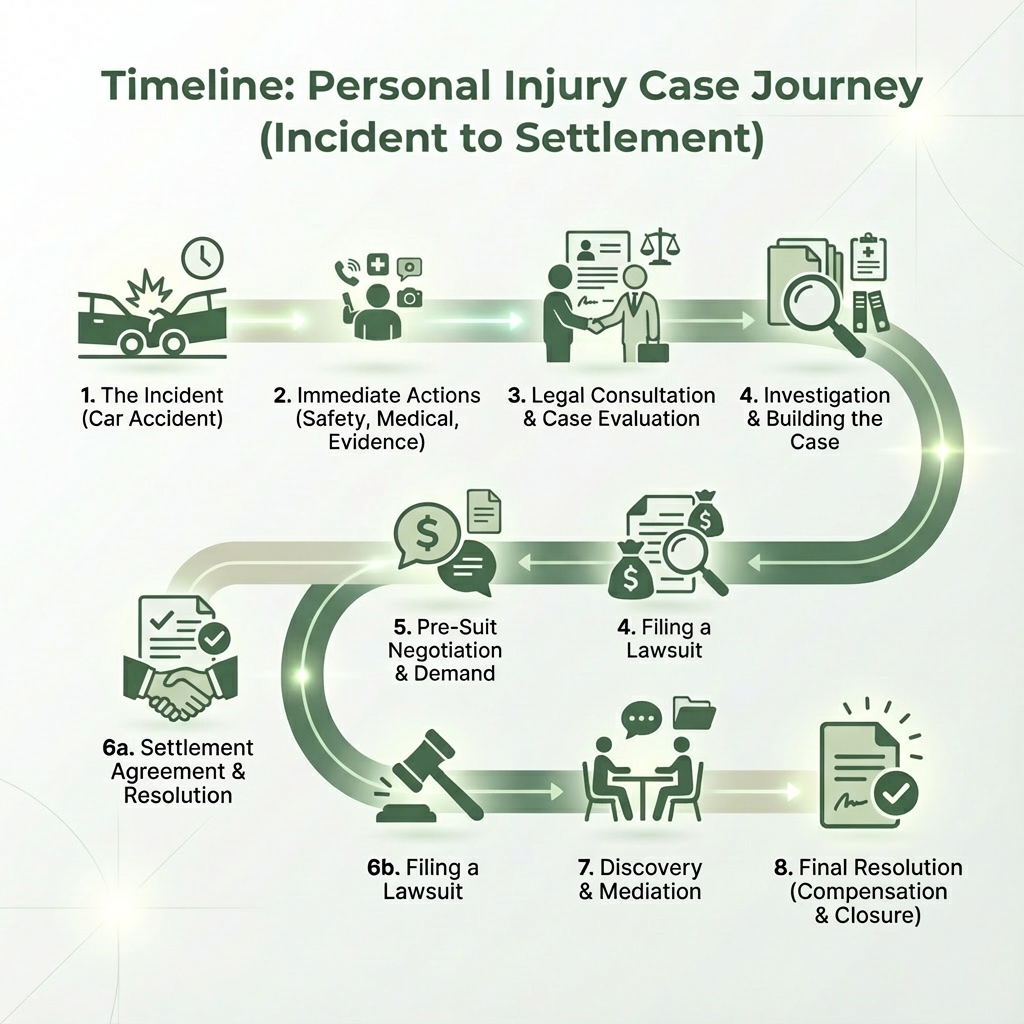
If you believe you have a valid personal injury case related to an Achilles injury, the following progression is generally recommended:
- Prioritize Immediate Medical Care: Never prioritize a settlement over your health. Seek professional medical evaluation immediately to document the injury while it is fresh.
- Preserve Evidence: Secure any wearable technology or devices that recorded the fall, photograph the area where the incident occurred, and retain contact information for witnesses.
- Consult with Legal Counsel: Early legal intervention ensures that evidence is preserved before a site is cleaned or surveillance footage is deleted, which often happens in the ordinary course of business.
- Submit a Formal Demand: Your attorney will draft a demand letter to the insurance company outlining the facts, the legal basis for liability, and the total financial and non-economic damages requested.
- Mediation and Settlement: Most cases reach this stage. If the offer is insufficient, your attorney may prepare for trial, though this is statistically rare for personal injury claims.
Frequently Asked Questions Regarding Achilles Injury Cases
How long do I have to file a lawsuit for an Achilles injury?
This is governed by the statute of limitations in your specific jurisdiction. While timelines vary, you must initiate your claim within the legally mandated period or you will permanently forfeit your right to compensation. Always check the specific laws in the state where the incident occurred.
Can I claim for an Achilles injury if I have pre-existing tendinitis?
Yes, you can still claim damages under the "eggshell skull" doctrine, which holds that a defendant takes their victim as they find them. Even if your tendon was weakened, the defendant is liable if their negligence was the "proximate cause" that turned a manageable condition into an acute injury or rupture.
Is surgery required to qualify for a significant settlement?
While surgical intervention often correlates with higher settlements due to higher medical costs and longer recovery times, it is not a strict requirement. A non-surgical rupture requiring months of casting and physical therapy can still result in a substantial claim for damages.
How are future medical costs estimated?
Attorneys often hire life care planners or consult with your orthopedic surgeon to estimate the likelihood of future complications, such as post-traumatic arthritis or the potential need for future revision surgery, incorporating these costs into the final settlement demand.
Should I speak with the defendant’s insurance adjuster directly?
It is strongly advised against. Adjusters are trained to minimize payouts. Any statement you provide—about your health, the incident, or your daily activities—can be used against you to undermine your claim. Refer all inquiries to your legal representative.
Recommendation for Next Actions
If you have sustained an Achilles tendon injury due to the negligence of another, your immediate focus should be on medical stability and the preservation of evidence. Document every appointment, keep a daily journal of your physical pain and limitations, and consult with a personal injury attorney to evaluate the merits of your case. Avoid discussing the incident on social media or with insurance representatives until you have formal legal guidance.