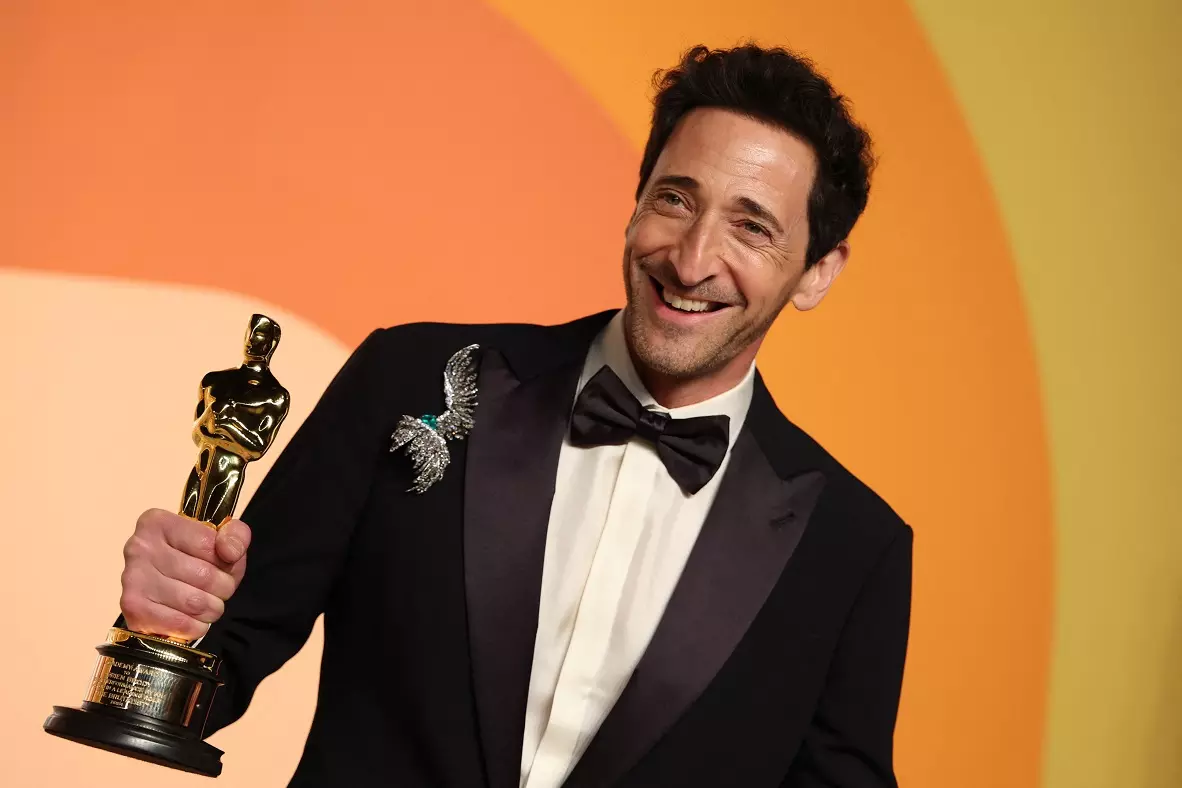
Winning an Academy Award is often celebrated as the ultimate pinnacle of a film actor's career, cementing a legacy and signaling peer-recognized mastery. However, the multi-million-dollar industry of campaigning for Oscars exposes a rigorous, expensive, and deeply psychological toll on performers, involving exorbitant financial investments, intense public scrutiny, and profound career volatility.
The pursuit of an Academy Award is a complex enterprise that extends far beyond the craft of acting. While audiences view the Academy Awards (Oscars)—administered by the Academy of Motion Picture Arts and Sciences (AMPAS)—as a pure celebration of artistic excellence, the path to holding a golden statuette requires navigating a high-stakes corporate style campaign. For academy award winning actors, the real cost of chasing Oscars encompasses massive financial outlays for for-your-consideration (FYC) advertising, relentless months of grueling publicity tours, significant psychological strain, and the risk of career stagnation if the campaign fails or backfires. Understanding this hidden ecosystem reveals the stark economic and emotional realities behind Hollywood's most glamorous night.
The Economics of an Oscar Campaign: Direct Financial Outlays
Long before a nominee walks the red carpet at the Dolby Theatre, studios and independent financiers pour staggering sums into marketing campaigns designed to secure Academy voters' attention. While actors themselves rarely foot the entire bill out of pocket, their marketability, profit-participation clauses, and future salary quotes are inextricably linked to these promotional budgets.
An effective Oscar campaign for a lead acting contender can easily range from $5 million to $20 million, mirroring the production budget of an independent feature film. These funds are meticulously allocated across several key areas:
- Trade Advertising: Full-page spreads in industry bibles like Variety, The Hollywood Reporter, and Deadline remind voting members of a performance's caliber.
- Screenings and Q&A Events: Renting theaters, hosting private luncheons, and flying actors across the globe for post-screening panels with voting guilds (SAG-AFTRA, DGA, PGA) require significant capital.
- Digital and Physical FYC Mailers: Although AMPAS has restricted physical trinkets and excessive mailers in recent years, digital streaming portals and targeted promotional collateral still demand heavy administrative spending.
- Specialized Consultants: Hiring elite awards strategists—often referred to as "Oscar consultants"—is a mandatory expense. These firms orchestrate narrative arcs, schedule media appearances, and manage relationships with influential Academy chapters.
For actors working on independent or mid-budget films, the financial burden often falls partially on the talent. Performers may agree to defer their upfront salaries, take minimal backend points, or commit weeks of unpaid promotional labor. If a campaign fails to yield a nomination or a win, the financial loss can ripple through an actor's personal business entities, affecting their ability to finance future passion projects.
The Physical and Psychological Toll of the Campaign Trail
The awards season circuit—colloquially known as "Oscar season"—stretches from early autumn through late February or March. This marathon requires actors to maintain a punishing travel schedule while performing emotional labor on demand.
- Festival Premiere: September–November
- Critics' Association Awards: December
- Guild Awards & Golden Globes: January
- Oscar Nominations Announced: Late January/Early February
- Final Voting & Academy Awards Ceremony: February–March
This relentless cycle creates severe physical and mental exhaustion. Actors are expected to fly constantly between Los Angeles, New York, London, and various international film festivals, enduring jet lag while maintaining rigorous grooming and styling requirements. Every public appearance, red-carpet interview, and panel discussion is scrutinized by industry peers, entertainment journalists, and social media commentators.
Furthermore, the psychological demand of self-promotion runs counter to the natural inclination of many dramatic artists. To secure a vote, actors must frequently praise their own work, lobby Academy members directly at cocktail parties, and craft a compelling personal narrative. This manufactured vulnerability can lead to burnout, anxiety, and a feeling of alienation from the very craft that inspired them to act.
The "Oscar Curse" and Career Volatility
One of the most paradoxical costs of winning an Academy Award is the subsequent career pressure, historically dubbed the "Oscar curse." While winning an Oscar immediately elevates a performer's prestige, it often traps them in elevated salary brackets and unrealistic expectations that can disrupt their career trajectory.
When an actor wins an Academy Award, their quote—the industry term for their standard salary per film—jumps dramatically. While this sounds advantageous, it can price them out of the character-driven, mid-budget independent films that often showcase their best work. Studios become hesitant to cast an Oscar winner in smaller supporting roles, fearing that the actor's newfound status and high salary demands are incompatible with modest budgets.
| Career Phase | Primary Focus | Financial Risk | Psychological Impact |
|---|---|---|---|
| Pre-Nomination | Securing breakthrough roles, indie credibility | Low-to-moderate; reliance on standard union minimums | High creative freedom; moderate anxiety |
| Active Campaign | Trade ads, guild screenings, press circuits | High; heavy studio and personal time investment | Severe exhaustion; vulnerability to public scrutiny |
| Post-Win | Managing inflated salary quotes and expectations | High; risk of being priced out of quality roles | Intense pressure to sustain peak performance quality |
Moreover, the pressure to follow up an Oscar-winning performance with an equally acclaimed project can paralyze an actor's decision-making process. Some performers spend years waiting for a script worthy of their new status, resulting in long absences from the screen that erode their box-office momentum. Conversely, rushing into commercial projects immediately following a win to capitalize on fame can alienate critics and lead to poorly received blockbusters that diminish their artistic standing.
The Shifting Landscape of Industry Influence
The mechanics of chasing Oscars have undergone significant transformations due to changes in Academy membership demographics and the rise of streaming platforms. Understanding these shifts is crucial for evaluating the true cost of a campaign in the modern era.
In recent years, AMPAS has made concerted efforts to diversify its voting body by inviting thousands of international artists, younger professionals, and people of color. This diversification has fundamentally altered how campaigns must be conducted. Traditional, old-Hollywood tactics—such as exclusive private club dinners and aggressive lobbying of older, retired members—have lost efficacy. Campaigns must now appeal to a younger, more global, and more diverse electorate.
This shift has increased the complexity and cost of digital outreach. Streaming services like Netflix, Apple TV+, and Amazon Prime Video have altered the financial playing field by deploying massive corporate treasuries to fund awards campaigns. Traditional studios and independent distributors often struggle to compete with the sheer volume of digital screeners, targeted social media advertising, and high-profile promotional events hosted by deep-pocketed tech conglomerates. For actors signed to independent projects, competing against a streaming giant's multi-million-dollar campaign machine means their work risks being overshadowed regardless of its artistic merit.
Strategic Decision-Making: Is the Chase Worth It?
For many actors, the decision to actively campaign for an Academy Award is a calculated business choice rather than a vanity project. An Oscar win acts as a permanent career insurance policy. It provides lifetime billing precedence, increases an actor's global name recognition, and grants them greater leverage in project selection, creative control, and profit-sharing negotiations.
However, industry veterans increasingly weigh these long-term benefits against the immediate personal costs. Some acclaimed performers deliberately opt out of aggressive campaigning, relying entirely on the strength of their filmed work to secure recognition without participating in the grueling political circuit. While this strategy occasionally results in being overlooked by a voting body that rewards aggressive self-advocacy, it protects the actor's mental health, personal life, and artistic integrity.
Frequently Asked Questions
Do actors have to pay for their own Oscar campaigns?
Generally, no. The film's studio, distributor, or independent financiers fund the campaign. However, independent actors working on micro-budget films may invest their own money or time into public relations support and travel expenses if the distributor lacks an awards budget.
What is a "For Your Consideration" (FYC) campaign?
An FYC campaign is a targeted marketing initiative launched by studios and producers during awards season to remind Academy members to view and vote for a specific film, actor, or craftsperson. It includes trade advertisements, special screenings, interviews, and digital streaming access.
Does winning an Oscar guarantee higher pay for actors?
While an Oscar win significantly elevates an actor's market value and bargaining power, it does not automatically guarantee higher pay. If a winning actor chooses to continue working in independent cinema, budgets may still be restrictive, though their presence helps secure financing more easily.
What causes the career phenomenon known as the "Oscar curse"?
The "Oscar curse" is not a supernatural phenomenon but a confluence of industrial pressures. Winning an Oscar often inflates an actor's salary requirements, creates unrealistic expectations for future roles, and leads to long periods of selectivity while waiting for a project worthy of their new status.
How has streaming changed Oscar campaigns?
Streaming platforms possess vastly larger capital reserves than traditional independent distributors. Their ability to fund ubiquitous digital advertising, global fan screenings, and extensive press tours has raised the financial baseline for mounting a competitive campaign.
Practical Next Steps for Navigating Industry Recognition
For entertainment professionals, aspiring performers, and industry observers analyzing the business of cinema, recognizing the realities of awards season provides essential context for the modern entertainment landscape. When evaluating performances and industry milestones, consider the following practical actions:
- Look beyond the red-carpet glamor to examine the distribution and marketing machinery supporting major nominees.
- Support independent cinema and mid-budget character studies that rely on artistic merit rather than multi-million-dollar campaign budgets to find audiences.
- Maintain perspective on the subjective nature of awards recognition, acknowledging that artistic excellence frequently exists independently of industry accolades.