As of 2026, the property formerly known as Neverland Ranch is no longer abandoned; it is a privately owned estate renamed Sycamore Valley Ranch. Owned by billionaire businessman Ron Burkle since late 2020, the property has undergone significant restoration to preserve its architectural integrity while removing the high-maintenance amusement park infrastructure.
The fascination with the "abandoned Neverland Ranch" persists due to its cultural significance as the former home of pop icon Michael Jackson and its subsequent years in real estate limbo. While many still search for images of a decaying playground, the reality in 2026 is a meticulously maintained 2,700-acre estate that serves as a private investment and a testament to a complex chapter of American pop culture history.
The Transition from Neverland to Sycamore Valley Ranch
The property located at 5225 Figueroa Mountain Road in Los Olivos, California, was originally developed in 1982 by real estate developer Robert Hyde, who named it Zaca Laderas Ranch. Michael Jackson purchased the estate in 1987 for an estimated $19.5 million and transformed it into "Neverland," a private kingdom inspired by Peter Pan.
By the mid-2000s, the ranch’s status began to shift. Following the 2005 trial and Jackson’s subsequent departure for Bahrain, the property fell into a period of minimal use. In 2006, the state of California ordered the ranch to be closed and fined Jackson for failing to pay his staff or maintain proper insurance. This period marked the beginning of the "abandoned" narrative, as the zoo animals were relocated and the amusement rides were dismantled or sold.
In 2008, facing foreclosure, Jackson entered into an agreement with Colony Capital, a real estate investment firm led by Thomas Barrack. Colony Capital purchased the loan for $22.5 million, effectively becoming a co-owner. After Jackson's death in 2009, the property was rebranded as Sycamore Valley Ranch, a move intended to distance the asset from the controversies surrounding the late singer and prepare it for a high-end residential sale.
The 2020 Sale and the Ron Burkle Era
After languishing on the market for years—initially listed at a staggering $100 million in 2015—the ranch saw several price cuts. By 2019, the asking price had dropped to $31 million. In December 2020, billionaire Ron Burkle, a former associate of Jackson and co-founder of the investment firm Yucaipa Companies, purchased the property for approximately $22 million.
Burkle’s acquisition in 2020 was seen by real estate analysts as a "land banking" opportunity. In 2026, Burkle continues to hold the property. Known for his interest in architectural preservation (having previously owned properties like the Frank Lloyd Wright-designed Ennis House), Burkle has invested in maintaining the ranch's core structures.
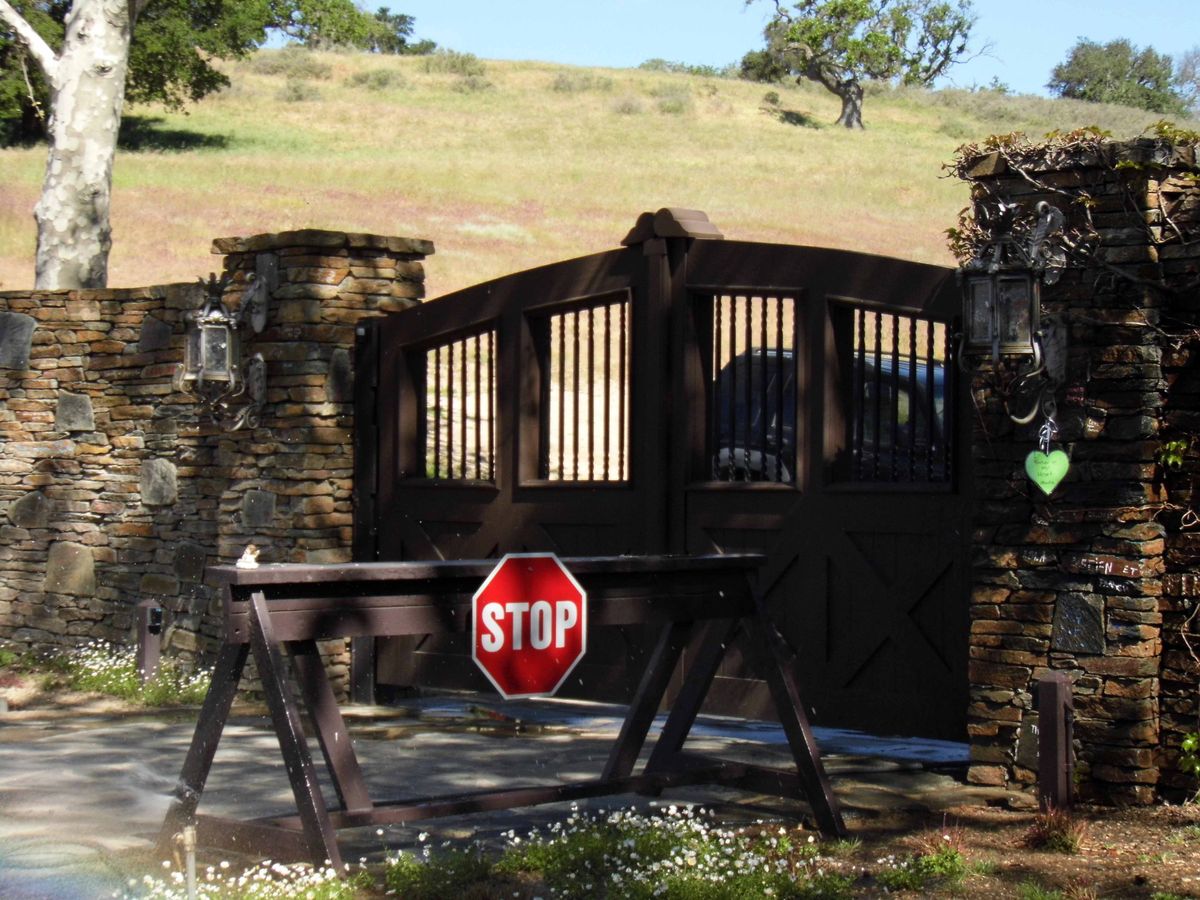
The current status of the ranch is strictly private. Unlike Graceland, Neverland was never converted into a public museum, primarily due to the stringent zoning regulations of Santa Barbara County and the lack of infrastructure to support heavy tourist traffic on the narrow, winding roads of Los Olivos.
Why the "Abandoned" Label Persists
The term "abandoned Neverland Ranch" gained traction during the mid-2010s when the property sat vacant. During this time, several "urban explorers" famously trespassed on the grounds, documenting the empty train station, the silent movie theater, and the overgrown gardens. These images and videos went viral, creating a lasting public perception of a decaying wonderland.
However, the property was never truly abandoned in a legal or maintenance sense. Colony Capital employed a full-time staff of security and landscapers even when the property was unoccupied. The "decay" seen in viral media was often localized to specific themed areas that were no longer in use, such as the bumper car tracks or the animal enclosures. In 2026, those vestiges of the amusement park have largely been cleared, leaving behind a sophisticated, if sprawling, rural estate.
Architectural and Land Features of the Estate
The ranch remains one of the most unique residential properties in the United States. Spanning approximately 2,700 acres, it is bordered by the Los Padres National Forest and sits within the prestigious Santa Ynez Valley wine country.
The Main Residence
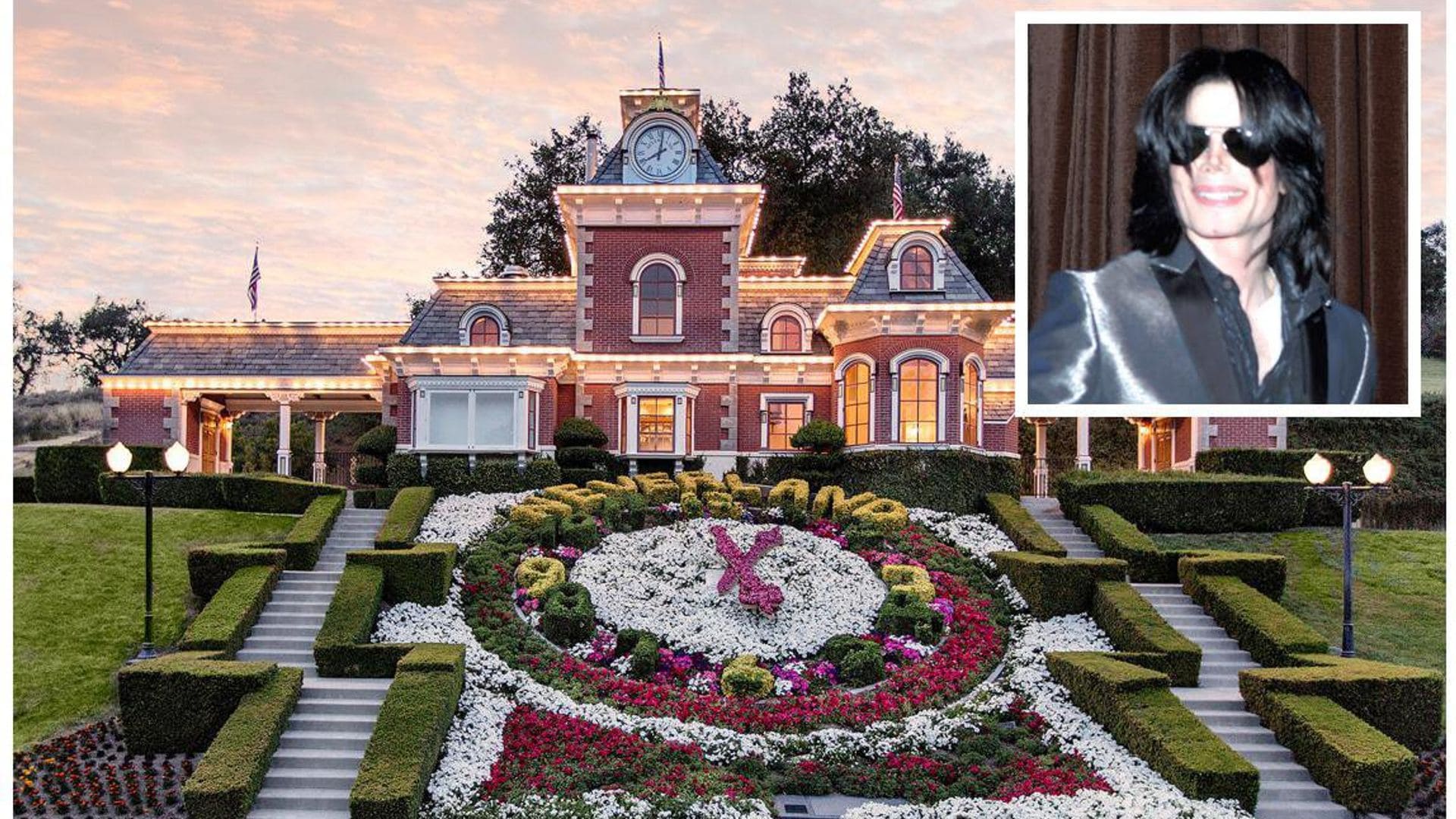
The centerpiece of the estate is a 12,598-square-foot main house designed in the French Normandy style. Built with high-quality timber and stone, the residence features:
- Six bedrooms, including a two-story master suite with two bathrooms and a private loft.
- An expansive professional kitchen capable of catering large events.
- Intricate brickwork and wood paneling that reflect the "Old World" aesthetic Robert Hyde originally intended.
Specialized Structures
While the carnival rides are gone, several of the ranch's unique custom buildings remain:
- The Movie Theater: A 50-seat cinema with a private viewing balcony and a stage for live performances.
- The Train Station: A Swiss-chalet style building that served as the hub for the ranch's narrow-gauge railroad. The tracks remain, though the original "Katherine" locomotive was removed years ago.
- The Dance Studio: A professional-grade space used by Jackson for rehearsals.
- The Fire House: A dedicated building that once housed the Neverland Valley Fire Department, complete with vintage-style equipment.
The Grounds and Landscaping
The estate’s landscaping is its most enduring feature. It includes a four-acre lake with a five-tier waterfall, a stone bridge, and several smaller ponds. The iconic floral clock, which spells out "Neverland" at the entrance, has been maintained and updated to reflect the Sycamore Valley Ranch branding.
Comparison of Neverland Ranch: Peak Era vs. 2026
The following table outlines the significant changes the property has undergone from its height as a private theme park to its current status as a private investment holding.
| Feature | Neverland Era (1990s - 2005) | Sycamore Valley Ranch (2026) |
|---|---|---|
| Primary Owner | Michael Jackson | Ron Burkle (Yucaipa Companies) |
| Official Name | Neverland Ranch | Sycamore Valley Ranch |
| Market Valuation | Estimated $50M - $100M+ | Purchased for ~$22M (2020) |
| Amusement Rides | Ferris wheel, Carousel, Bumper cars | Removed/Dismantled |
| Zoo/Animals | Elephants, Giraffes, Orangutans, Tigers | Removed (Relocated to sanctuaries) |
| Accessibility | Private, but frequent guests/events | Strictly private; no public access |
| Staffing | 100+ (Gardeners, Security, Operators) | Minimal maintenance and security staff |
| Zoning | Agricultural/Residential | Agricultural/Residential |
Legal and Zoning Obstacles to Development
One of the most frequent questions regarding the "abandoned" ranch is why it hasn't been turned into a tourist attraction. In 2026, the answer remains rooted in California land-use law.
The property is situated in an area zoned for Agricultural Preserve (AG-II) under the Williamson Act. This designation provides tax benefits to landowners who keep their land for agricultural or open-space use. Converting the property into a commercial museum or theme park would require:
- A General Plan Amendment: A lengthy and difficult legal process in Santa Barbara County.
- Environmental Impact Reports: The local infrastructure, specifically the two-lane Figueroa Mountain Road, cannot handle the thousands of visitors a "Graceland West" would attract.
- Community Opposition: The residents of Los Olivos and the Santa Ynez Valley are notoriously protective of their rural quietude and have historically blocked large-scale commercial developments.
Because of these hurdles, the most "highest and best use" for the property—from a real estate perspective—is as a private ranch or a legacy estate for a high-net-worth individual.
The Future of the Property
Looking toward the late 2020s, the future of Sycamore Valley Ranch appears stable. Ron Burkle’s track record suggests he is a "patient" investor. He is unlikely to subdivide the land, as the value lies in its massive, contiguous acreage.
There is ongoing speculation regarding whether the property might eventually be donated to a conservancy or used for private, high-end retreats. However, in 2026, it remains a quiet, guarded sanctuary, far removed from the media circus of the early 2000s. The "abandoned" elements that once captivated the internet have been scrubbed away, replaced by the silent, rolling hills of the Santa Ynez Valley.
Frequently Asked Questions
Can you visit the Neverland Ranch in 2026?
No, the property is strictly private and is not open to the public. There are no tours, and the gates are monitored by 24-hour security. Trespassing is prosecuted, and the local sheriff's department maintains a presence in the area to deter "dark tourism" or urban explorers.
Are the amusement park rides still at the ranch?
The rides were removed between 2008 and 2009. Most were sold to various traveling carnivals and independent amusement parks. For example, the carousel was sold to a private collector and the Ferris wheel has been spotted at various California state fairs over the years.
What happened to the animals at Neverland?
The "Neverland Zoo" was disbanded starting in 2006. The animals were relocated to various accredited sanctuaries and zoos. The giraffes and exotic birds were moved to facilities in Arizona and other parts of California. The most famous residents, Jackson’s chimpanzee Bubbles and the Bengal tigers, were sent to the Center for Great Apes in Florida and the Shambala Preserve, respectively.
Is the property still called Neverland?
Legally and commercially, the property is known as Sycamore Valley Ranch. While the world may always refer to it as Neverland, the current owners and real estate listings have used the Sycamore Valley name exclusively since 2009 to help reposition the asset.
Why did the price drop from $100 million to $22 million?
Several factors contributed to the price drop. The "stigma" associated with the 2019 documentary Leaving Neverland significantly impacted the property's marketability. Additionally, the high maintenance costs (estimated at $3 million to $5 million annually) and the restrictive zoning laws made it a difficult "flip" for traditional real estate investors, leading to a sale price that reflected the raw land value and the main house's architectural worth rather than its celebrity history.
Practical Recommendation for Interested Parties
For those interested in the history or current status of the ranch, the best course of action is to view it through the lens of architectural and regional history rather than as a potential destination.
- Respect Privacy: Do not attempt to drive to the gates. The road is narrow and provides no turnaround points for tourists.
- Explore the Region: If you wish to experience the environment surrounding the ranch, visit the town of Los Olivos. It is a world-class wine destination that provides the same atmospheric beauty as the ranch without infringing on private property.
- Use Official Records: For factual research, the Santa Barbara County Assessor's Office provides public records on land value and zoning, which offer a more accurate picture than sensationalist social media posts.
- Historical Documentation: Consult the Wall Street Journal's real estate archives for verified reporting on the 2020 sale and the subsequent renovations managed by the Burkle estate.
The story of the "abandoned" Neverland Ranch is ultimately one of transition. In 2026, it serves as a reminder that even the most famous properties eventually return to the earth or to the quiet hands of private owners, moving past their period of cultural volatility into a new era of preservation.