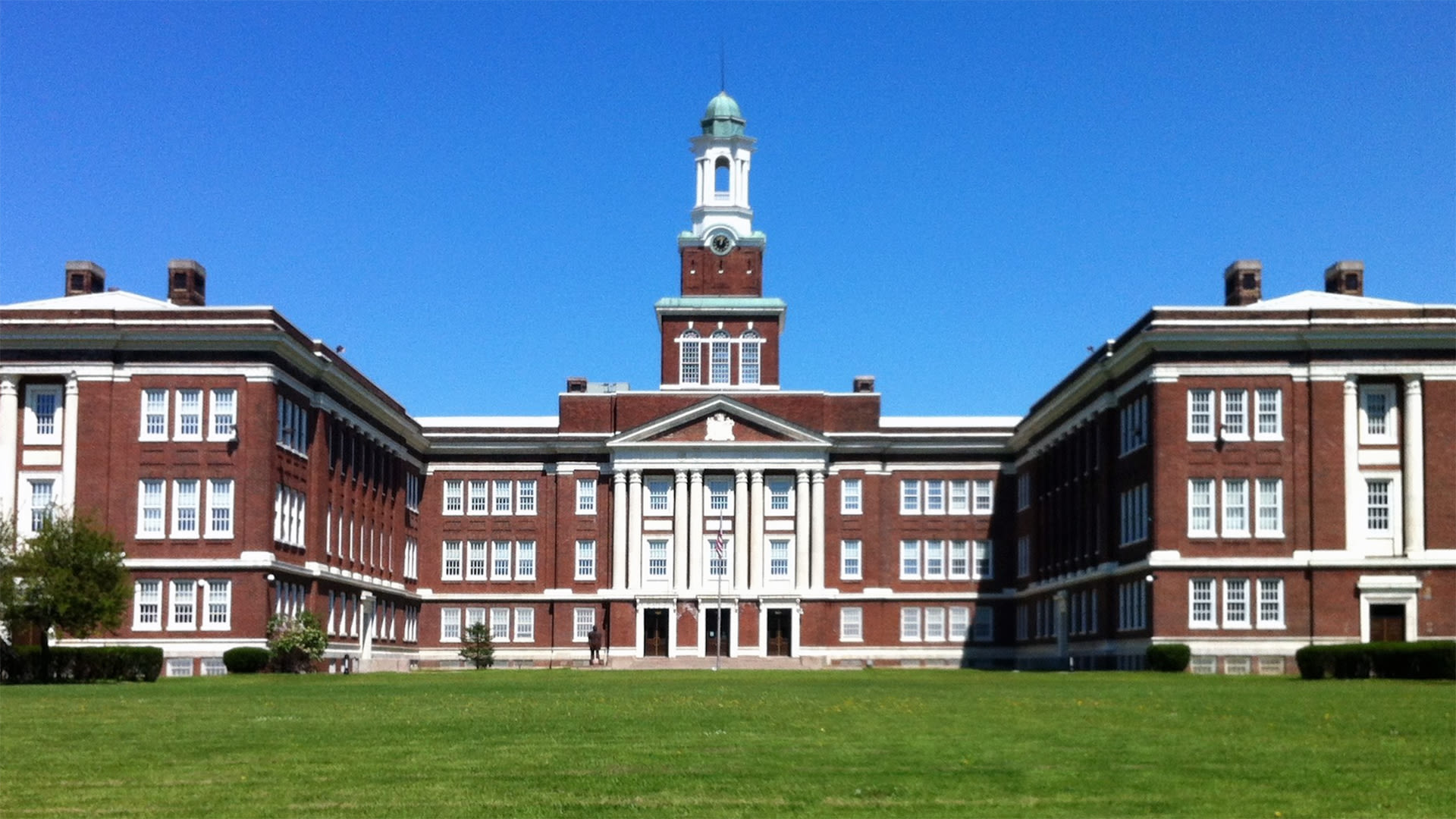
Selecting the right institution for a technology-focused education involves evaluating research output, faculty expertise, industry partnerships, and career outcomes. As of 2026, the premier technology schools in the United States include the Massachusetts Institute of Technology (MIT), Stanford University, Carnegie Mellon University, and the University of California, Berkeley, which consistently lead in global rankings for engineering and computer science.
The Evolving Landscape of Technical Education in 2026
The definition of a "technology school" has expanded significantly over the last decade. While traditional engineering remains a cornerstone, the 2025–2026 academic year reflects a massive shift toward interdisciplinary studies. The integration of Artificial Intelligence (AI) across all departments, the rise of quantum computing majors, and a heightened focus on sustainable "green-tech" engineering have redefined what makes a university a leader in the field.
Prospective students in 2026 are no longer just looking for a degree; they are looking for ecosystems that offer proximity to venture capital, state-of-the-art fabrication labs, and robust pipelines to both Big Tech and emerging startups. The schools listed below have been selected based on their 2026 academic reputation, research funding, and the average starting salaries of their graduates.
1. Massachusetts Institute of Technology (MIT)
Located in Cambridge, Massachusetts, MIT remains the undisputed leader in global technology education. In 2026, the Schwarzman College of Computing serves as the central hub for the university’s cross-disciplinary AI initiatives, ensuring that students in every major—from mechanical engineering to urban planning—understand the technical underpinnings of machine learning.
MIT’s "Mens et Manus" (Mind and Hand) philosophy is evident in its Undergraduate Research Opportunities Program (UROP), which allows freshmen to engage in high-level research alongside world-renowned faculty. The school's proximity to "Genius Row" in Kendall Square provides students with unparalleled access to biotech and robotics firms. For the 2026 academic year, MIT has further expanded its facilities in quantum engineering and autonomous systems, maintaining its position at the frontier of physical and digital sciences.
2. Stanford University
Stanford University’s location in the heart of Silicon Valley provides a symbiotic relationship with the tech industry that no other school can truly replicate. In 2026, Stanford continues to be the primary feeder for the world’s most influential tech companies and venture capital firms. The Stanford School of Engineering is particularly famous for its entrepreneurship focus, where students often launch startups before they even graduate.
The university has recently invested heavily in the Stanford Institute for Human-Centered AI (HAI), which focuses on the ethical and societal implications of technology. This makes Stanford the top choice for students who want to blend technical mastery with leadership and policy. The 2026 curriculum emphasizes "Full-Stack Innovation," teaching students not just how to build software or hardware, but how to scale a business around a technical breakthrough.
3. Carnegie Mellon University (CMU)
Carnegie Mellon University in Pittsburgh, Pennsylvania, is often cited as the premier institution for computer science and robotics. Unlike many universities where computer science is a department within an engineering school, CMU features a dedicated School of Computer Science. This specialization allows for a depth of study in areas like software engineering, human-computer interaction, and computational biology that is rarely matched elsewhere.
By 2026, CMU’s National Robotics Engineering Center (NREC) has become a global leader in autonomous vehicle research and space robotics. The university’s rigorous "core" curriculum is legendary for its difficulty, but it produces graduates who are highly sought after for their deep technical proficiency. CMU also leads in the intersection of technology and the arts, offering unique programs that blend computer science with design and drama.
4. University of California, Berkeley (UC Berkeley)
As the top-ranked public university for technology, UC Berkeley offers a world-class education with a focus on social mobility and public service. The College of Engineering at Berkeley is home to the Electrical Engineering and Computer Sciences (EECS) department, which consistently ranks alongside MIT and Stanford in research impact.
In 2026, Berkeley’s advantage lies in its massive research budget and its role as a leader in open-source software development. The university’s "Data Science Undergraduate Studies" program has become a model for institutions worldwide, reflecting the 2026 industry demand for data literacy. Students benefit from the "Berkeley SkyDeck" accelerator, which helps translate university research into viable commercial technology, particularly in the fields of cybersecurity and climate technology.
5. California Institute of Technology (Caltech)
Caltech, located in Pasadena, is the smallest institution on this list, but its impact is disproportionately large. With a student-to-faculty ratio of approximately 3:1, Caltech offers an intimate, research-heavy environment. It manages the Jet Propulsion Laboratory (JPL) for NASA, providing students with unique opportunities in aerospace engineering and planetary science.
The 2026 academic environment at Caltech is characterized by extreme specialization. It is the ideal school for students who are dedicated to pure science and the "hard" problems of engineering. Caltech graduates often pursue PhDs at a higher rate than students from any other institution, making it the primary training ground for the next generation of academic researchers and deep-tech innovators.
6. Georgia Institute of Technology (Georgia Tech)
Georgia Tech in Atlanta has become a powerhouse of technological innovation, particularly known for its ability to provide a high-tier education at a more accessible price point than its private counterparts. The College of Computing and the Grainger College of Engineering (which it frequently collaborates with) are leaders in industrial engineering and cybersecurity.
As of 2026, Georgia Tech is also recognized for its leadership in online technical education. Its Online Master of Science in Computer Science (OMSCS) has revolutionized how advanced degrees are delivered. On campus, the "Coda" building in Tech Square serves as a massive data analytics hub where students work alongside industry professionals from companies like NCR and Honeywell. Georgia Tech is currently a leader in "Smart Cities" research, using Atlanta as a living laboratory for IoT and urban infrastructure projects.
7. University of Illinois Urbana-Champaign (UIUC)
UIUC is often referred to as the "Silicon Prairie" anchor. The Grainger College of Engineering is a global leader in materials science, civil engineering, and computer engineering. UIUC was the birthplace of the first graphical web browser (Mosaic), and that legacy of internet innovation continues in 2026 through the National Center for Supercomputing Applications (NCSA).
UIUC is particularly strong in the physical sciences and "hard" engineering. Its research in semiconductor technology and microelectronics is critical in 2026, as the US continues to push for domestic chip manufacturing. The university offers an expansive ecosystem for students, with over 30 research centers dedicated to everything from digital agriculture to bio-imaging.
8. Cornell University
Cornell University, an Ivy League institution in Ithaca, New York, offers a unique blend of traditional academic excellence and forward-looking technical training. While its main campus remains a leader in engineering physics and agricultural technology, the Cornell Tech campus on Roosevelt Island in New York City has become a premier destination for graduate-level tech studies.
In 2026, Cornell is a leader in the "Techion" partnership, focusing on the commercialization of technology. The university’s curriculum is highly interdisciplinary, encouraging engineering students to take courses in law, business, and ethics. This "whole-person" approach to technology education makes Cornell graduates particularly adept at navigating the complex regulatory and business landscapes of the mid-2020s.
Comparison of Top Technology Schools (2026)
The following table summarizes the key metrics for these institutions, including estimated tuition for the 2025–2026 academic year and primary areas of technical strength.
| Institution | Location | Estimated Annual Tuition (2026) | Primary Technical Strength |
|---|---|---|---|
| MIT | Cambridge, MA | $62,500 | AI, Robotics, Physics |
| Stanford | Stanford, CA | $65,000 | Entrepreneurship, CS, Bio-Tech |
| Carnegie Mellon | Pittsburgh, PA | $63,000 | Software Engineering, Robotics |
| UC Berkeley | Berkeley, CA | $15,500 (In-State) | Data Science, EECS, Open Source |
| Caltech | Pasadena, CA | $61,000 | Aerospace, Quantum Physics |
| Georgia Tech | Atlanta, GA | $12,000 (In-State) | Cybersecurity, Industrial Eng. |
| UIUC | Urbana, IL | $17,500 (In-State) | Supercomputing, Materials Science |
| Cornell | Ithaca/NYC, NY | $66,000 | Applied Sciences, Tech Law |
Note: Tuition figures are estimates based on 2025-2026 projections and do not include room, board, or specialized lab fees.
Key Factors to Consider When Choosing a Tech School
Research Opportunities and Funding
In 2026, the value of a tech degree is largely tied to the research facilities available to students. Prospective students should investigate the "Research Expenditures" of a university. Schools like MIT and UC Berkeley receive hundreds of millions of dollars in federal and private grants annually. This funding translates to better equipment, more teaching assistants, and more opportunities for undergraduate students to participate in groundbreaking projects.
Industry Ecosystems and Internships
Location remains a critical factor. While remote work is common, the highest-density networking still happens in physical hubs. Stanford and UC Berkeley benefit from Silicon Valley; MIT and Cornell benefit from the Northeast corridor’s biotech and finance sectors; Georgia Tech anchors the growing "Silicon Alley" in the Southeast. Students should look for schools that have formal "Co-op" programs or integrated internship semesters.
Curriculum Flexibility and Interdisciplinary Study
The most successful technologists in 2026 are those who can communicate across disciplines. Look for schools that allow—or even require—computer science students to take courses in psychology (for UI/UX), philosophy (for AI ethics), or environmental science (for sustainable engineering). Carnegie Mellon and Cornell are particularly well-regarded for these interdisciplinary pathways.
Emerging Fields of Study in 2026
When evaluating these schools, it is important to see how they have adapted to the latest technological shifts. Several fields have moved from niche research to mainstream majors:
- Quantum Information Science: Caltech and MIT lead the way in developing the hardware and algorithms for the next generation of computing.
- Climate Technology: UC Berkeley and Stanford have dedicated significant resources to "Carbon Capture" engineering and renewable energy systems.
- Bio-Digital Engineering: The intersection of CRISPR, synthetic biology, and computer modeling is a major focus at Johns Hopkins (though not on this list, it competes with MIT in this specific sub-field) and Stanford.
- Autonomous Systems: Beyond just self-driving cars, this includes drone logistics and automated manufacturing, with Georgia Tech and CMU at the forefront.
Frequently Asked Questions
Which school is best for a career in Artificial Intelligence?
As of 2026, Carnegie Mellon University (CMU) and MIT are widely considered the top choices for AI. CMU offers a specific undergraduate degree in Artificial Intelligence, while MIT’s Schwarzman College of Computing integrates AI into every facet of the university's research.
Are public technology schools as good as private Ivy League schools?
Yes, and in many cases, they are superior for technical training. UC Berkeley, Georgia Tech, and UIUC often outrank Ivy League schools (with the exception of Cornell and Princeton) in specific engineering and computer science rankings. They offer larger research facilities and stronger direct ties to industrial applications.
Do I need a high SAT or ACT score for these schools in 2026?
The landscape of standardized testing has shifted. While some schools like MIT and Caltech have reinstated testing requirements to ensure academic preparedness, others like UC Berkeley remain "test-blind" or "test-optional." It is essential to check the specific 2026 admissions policy for each institution, as these are subject to annual change.
What is the average starting salary for graduates of these institutions?
In 2026, graduates from the top eight technology schools can expect starting salaries ranging from $115,000 to $165,000, depending on the major and location. Those entering specialized fields like machine learning or quantum computing often receive total compensation packages (including equity) that exceed $200,000.
How important is the "school name" versus personal projects?
While the brand name of a school like Stanford or MIT provides a significant advantage in getting the first interview, the technology industry remains a meritocracy. A robust portfolio of GitHub contributions, original research, or successful startup experience can often outweigh the prestige of a diploma from a lower-ranked school. However, the schools listed here provide the resources to build those portfolios more effectively.
Recommendation for Prospective Students
If your goal is to be at the cutting edge of research and you have a strong mathematical foundation, MIT or Caltech are the primary choices. For those with an entrepreneurial spirit who want to launch a company, Stanford is the clear leader. If you are looking for the best return on investment—particularly as an in-state student—Georgia Tech or UC Berkeley offer world-class reputations for a fraction of the cost of private institutions.
The next step for any prospective student is to visit the official National Center for Education Statistics (NCES) to compare graduation rates and financial aid packages, or to explore the ABET accreditation status of specific engineering programs to ensure they meet professional standards for 2026 and beyond.