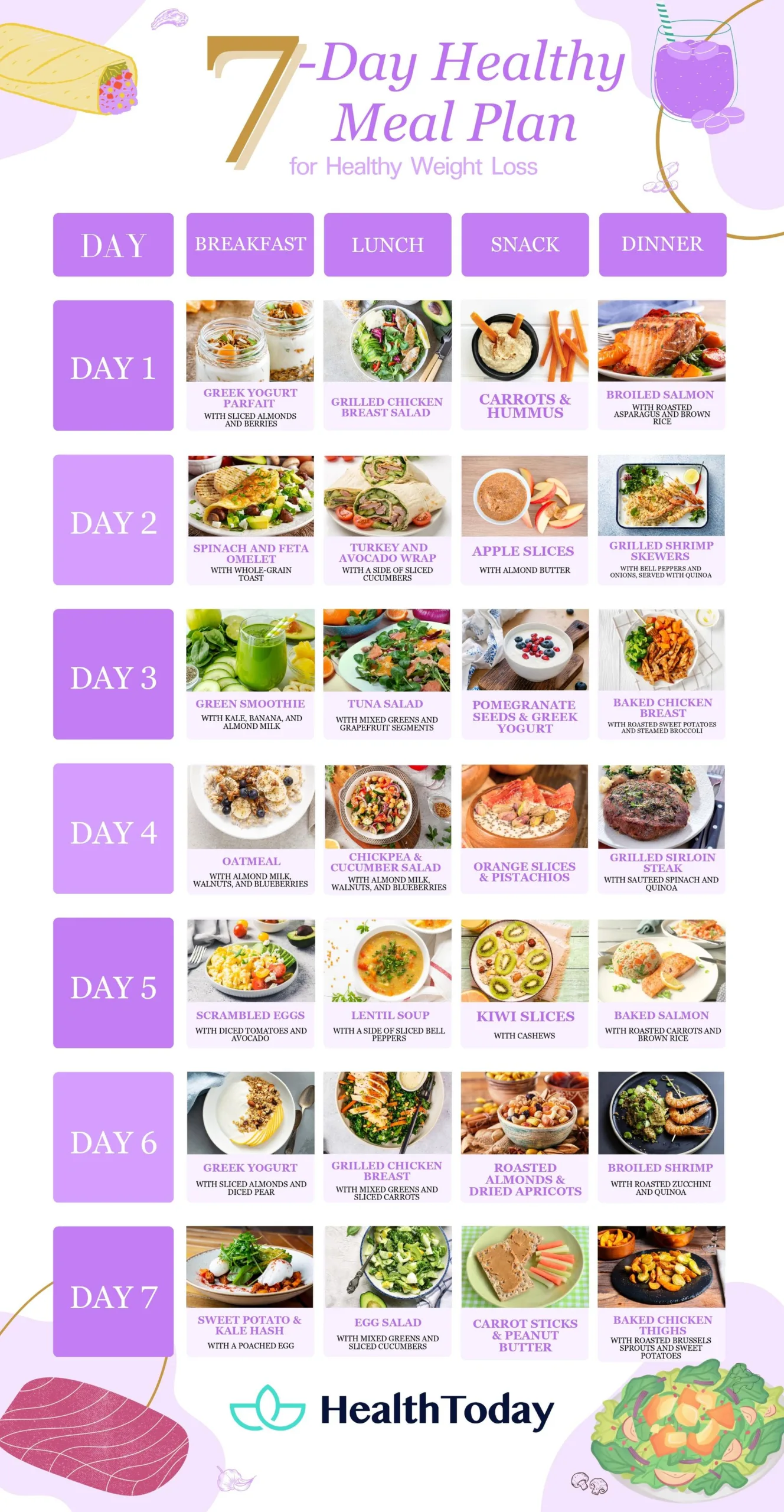
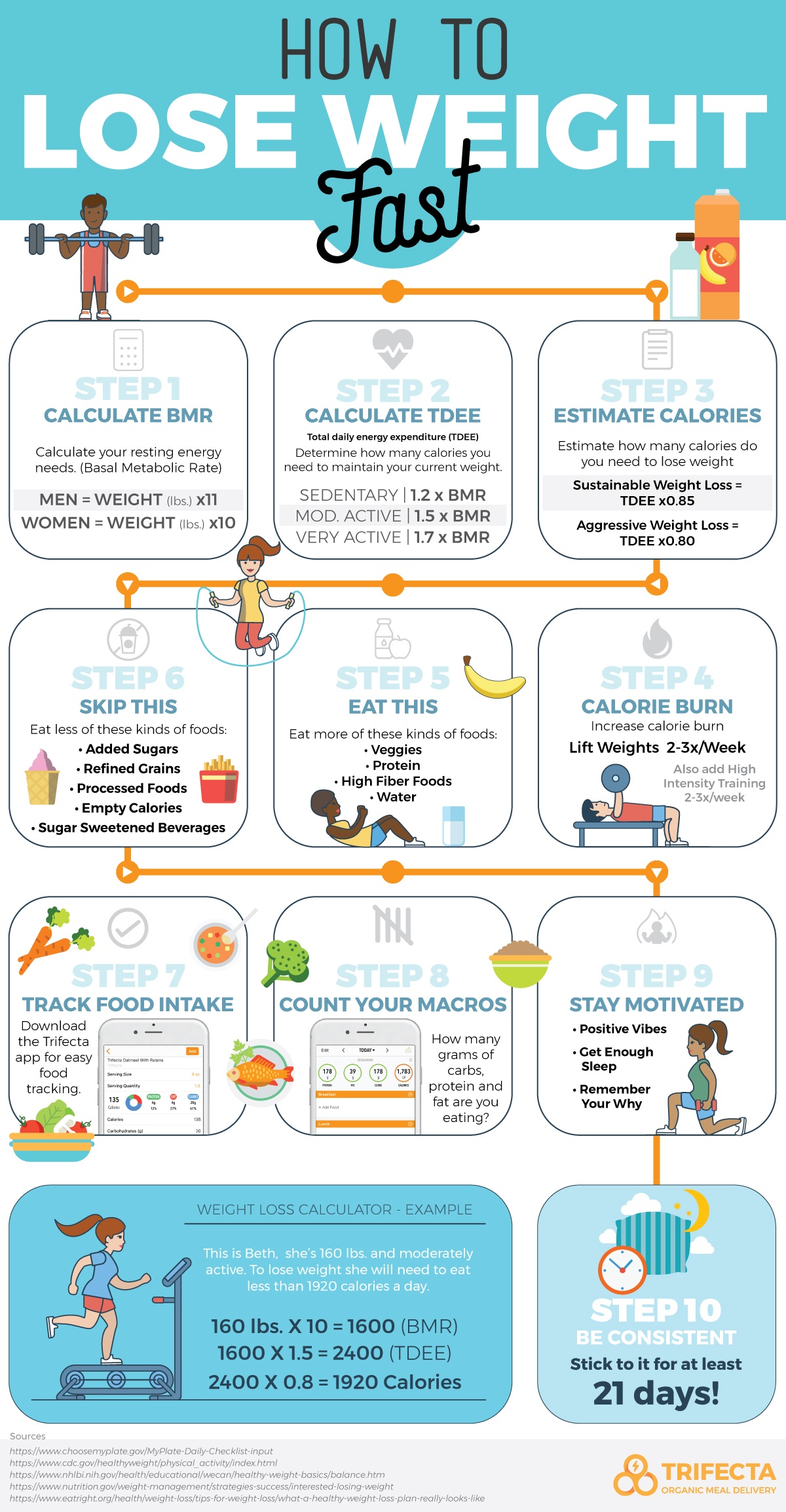
To lose weight effectively and permanently, you must create a sustainable caloric deficit by combining nutrient-dense nutrition with consistent physical activity. Focus on high protein intake, resistance training, and optimizing sleep to regulate metabolic hormones. These proven strategies prioritize fat loss while preserving lean muscle mass for long-term health and weight maintenance.
Losing weight in 2026 remains a challenge defined by an abundance of hyper-palatable foods and increasingly sedentary lifestyles. However, clinical research continues to reinforce that successful weight management is not merely about "willpower," but about managing biological signals of hunger and satiety. By shifting the focus from short-term restriction to metabolic health, individuals can achieve significant results without the metabolic damage often associated with "crash" dieting.
The following seven ideas represent the current gold standard in evidence-based weight loss, focusing on physiological mechanisms that drive fat oxidation and psychological strategies that ensure adherence.
1. Prioritize Protein-Forward Nutrition
High protein intake is arguably the most critical nutritional factor for successful weight loss. Protein serves two primary functions: it preserves lean muscle mass during a caloric deficit and provides the highest level of satiety among all macronutrients.
When you consume protein, your body utilizes more energy to break it down compared to fats or carbohydrates—a phenomenon known as the Thermic Effect of Food (TEF). Protein has a TEF of roughly 20-30%, meaning that for every 100 calories of protein consumed, 20 to 30 calories are burned just through digestion. In contrast, carbohydrates have a TEF of 5-10%, and fats are even lower at 0-3%.
Furthermore, protein stimulates the release of satiety hormones like peptide YY (PYY) and glucagon-like peptide-1 (GLP-1), while simultaneously reducing levels of ghrelin, the "hunger hormone." For most individuals looking to lose weight, aiming for 1.6 to 2.2 grams of protein per kilogram of goal body weight is an effective range to support muscle retention and appetite control.
2. Incorporate Progressive Resistance Training
While cardiovascular exercise is excellent for heart health, resistance training is superior for long-term weight management. The primary goal of exercise during a weight loss phase is to signal to the body that it needs to keep its muscle tissue, forcing it to draw from fat stores for energy instead.
Muscle is metabolically expensive tissue. Increasing your lean muscle mass raises your Basal Metabolic Rate (BMR), which is the number of calories your body burns at rest. Even a modest increase in muscle can lead to hundreds of extra calories burned over the course of a week.
Additionally, resistance training triggers Excess Post-exercise Oxygen Consumption (EPOC). This means your metabolism remains elevated for hours after your workout as your body repairs muscle fibers and replenishes energy stores. Focus on compound movements—such as squats, deadlifts, presses, and rows—which engage multiple muscle groups and maximize the metabolic stimulus per session.
3. Leverage High-Volume, Low-Calorie Eating
One of the greatest psychological hurdles in weight loss is the feeling of deprivation. Volume eating is a strategy that focuses on consuming large quantities of food that are low in caloric density. This is primarily achieved through the intake of fibrous vegetables and fruits with high water content.
The stomach has "stretch receptors" that signal the brain when it is physically full. By filling your plate with leafy greens, cruciferous vegetables (like broccoli and cauliflower), and berries, you can achieve physical fullness while consuming very few calories. This approach prevents the "empty stomach" signals that often lead to overeating later in the day.
Fiber plays a dual role here. Beyond adding bulk to your meals, soluble fiber slows down the rate of gastric emptying. This means food stays in your stomach longer, providing a prolonged sense of satiety and stabilizing blood glucose levels, which prevents the insulin spikes and subsequent crashes that drive sugar cravings.
4. Optimize Sleep Hygiene for Hormonal Balance
Weight loss is as much a hormonal process as it is a caloric one. Chronic sleep deprivation is a potent disruptor of the endocrine system, specifically affecting the hormones that regulate appetite. Research consistently shows that individuals who sleep less than seven hours per night have higher levels of ghrelin and lower levels of leptin.
When leptin is low, your brain does not receive the signal that you have enough energy stored, leading to a perceived state of starvation. This often results in intense cravings for high-energy, sugar-dense foods. Furthermore, sleep deprivation increases cortisol, a stress hormone that encourages the storage of visceral fat, particularly around the midsection.
In 2026, with the prevalence of blue-light-emitting devices, practicing strict sleep hygiene is essential. Aim for 7–9 hours of quality sleep by maintaining a consistent sleep-wake cycle, cooling your environment, and avoiding stimulants or screens at least an hour before bed.
5. Focus on NEAT (Non-Exercise Activity Thermogenesis)
Many people make the mistake of overestimating the calories burned during a 45-minute gym session while underestimating the impact of their activity during the other 23 hours of the day. Non-Exercise Activity Thermogenesis (NEAT) accounts for the energy expended for everything we do that is not sleeping, eating, or sports-like exercise.
NEAT includes walking to your car, pacing while on the phone, cleaning the house, and even fidgeting. For many, increasing NEAT is a more sustainable way to increase total daily energy expenditure (TDEE) than adding more high-intensity gym sessions.
A simple goal, such as hitting 8,000 to 10,000 steps daily, can create a significant caloric gap over time. If you work a desk job, consider using a standing desk or taking a five-minute walking break every hour. These small, consistent movements prevent the metabolic slowdown that occurs when we remain sedentary for long periods.
6. Implement Mindful Eating and Psychological Guardrails
Weight loss is often derailed by "mindless" eating—consuming calories while distracted by television, work, or stress. Mindful eating involves paying full attention to the experience of eating and drinking, both inside and outside the body.
The brain requires approximately 20 minutes to register signals of fullness from the digestive system. By eating slowly and chewing thoroughly, you allow these hormonal signals to reach the hypothalamus before you overconsume.
Another effective psychological tool is the "Environment Design" strategy. This involves removing trigger foods from your immediate vicinity and preparing healthy options in advance. If a high-calorie snack is difficult to access, you are less likely to eat it out of boredom. Conversely, if pre-cut vegetables are the first thing you see in the refrigerator, you are more likely to choose them when hungry.
7. Data-Driven Iteration and Tracking
You cannot manage what you do not measure. While "intuitive eating" is a goal for many, most individuals have a poor internal compass for caloric intake, often underestimating their consumption by as much as 30-50%.
Using a tracking app or a food diary for a period of time provides an objective look at your nutritional habits. It allows you to identify hidden calories in oils, sauces, and beverages. However, tracking should be viewed as an educational tool rather than a restrictive one.
In addition to food tracking, monitoring weight trends is essential. Because body weight fluctuates daily due to water retention, glycogen stores, and hormonal shifts, a single data point on the scale is often misleading. Instead, record your weight daily and look at the weekly average. If the weekly average is trending downward over a 2-4 week period, your current strategy is working. If it is stagnant, you have the data necessary to make a calculated adjustment to your intake or activity levels.
Comparison of Weight Loss Strategies
The following table compares different dietary and lifestyle approaches based on their primary mechanisms and typical ease of long-term adherence.
| Strategy | Primary Mechanism | Focus Area | Adherence Difficulty |
|---|---|---|---|
| High-Protein Diet | Satiety & Muscle Retention | Nutrition | Low to Moderate |
| Intermittent Fasting | Caloric Restriction via Timing | Habits | Moderate |
| Low-Carb / Keto | Insulin Regulation & Ketosis | Nutrition | High |
| Resistance Training | Increased BMR & EPOC | Exercise | Moderate |
| NEAT Focus | Increased Daily Expenditure | Lifestyle | Low |
| Volume Eating | Gastric Distension (Fullness) | Nutrition | Low |
| Mindful Eating | Psychological Awareness | Behavior | Moderate |
Frequently Asked Questions
Is it possible to lose weight without exercise?
Yes, weight loss is primarily driven by a caloric deficit, which can be achieved through diet alone. However, losing weight without exercise, particularly resistance training, often leads to a significant loss of muscle mass alongside fat. This can lower your metabolic rate and make it harder to maintain the weight loss in the long term. Exercise serves as a "metabolic insurance policy."
How fast should I expect to lose weight safely?
A safe and sustainable rate of weight loss is generally 0.5 to 1.0 kilograms (about 1 to 2 pounds) per week. While faster weight loss may occur in the first week due to a reduction in water weight and glycogen, rapid loss thereafter often indicates muscle wasting or extreme restriction that is difficult to maintain.
Should I cut out all carbohydrates to lose weight?
No, carbohydrates are not inherently fattening. Weight gain is caused by an overall caloric surplus. Many people find success with low-carb diets because they naturally increase protein and fiber intake, which improves satiety. However, if you enjoy carbohydrates, you can lose weight effectively by focusing on complex sources like oats, quinoa, and potatoes while staying within your caloric targets.
Why has my weight loss stalled after a few weeks?
Weight loss plateaus are a normal part of the process. They often occur due to metabolic adaptation, where the body becomes more efficient and burns fewer calories as it gets smaller. Additionally, as you lose weight, your TDEE naturally decreases. To break a plateau, you may need to slightly increase your activity levels, further refine your caloric tracking, or take a brief "maintenance break" to reset hormonal signals.
Are weight loss medications (like GLP-1 agonists) a replacement for these ideas?
While medications like semaglutide have become more prevalent by 2026, they are most effective when used as a tool alongside these lifestyle changes. These medications work primarily by mimicking satiety hormones. Without the foundational habits of high protein intake and resistance training, individuals on these medications risk losing a high percentage of lean muscle mass, which can lead to rapid weight regain once the medication is discontinued.
Practical Recommendations
To begin your journey, do not attempt to implement all seven ideas simultaneously. Start by focusing on Idea 1 (Protein) and Idea 5 (NEAT). These two changes offer the highest "return on investment" with the lowest psychological barrier to entry.
- Calculate your protein goal: Aim for roughly 2 grams of protein per kilogram of target body weight.
- Monitor your movement: Use a wearable device or phone app to track your daily steps, aiming for a consistent increase over your current baseline.
- Consult a professional: If you have underlying health conditions, consult with a physician or a registered dietitian before making significant changes to your diet or exercise routine.
Medical Disclaimer: The information provided in this article is for educational purposes only and does not constitute medical advice. Always consult with a qualified healthcare provider before starting any new weight loss program, especially if you have pre-existing health conditions or are taking medication.