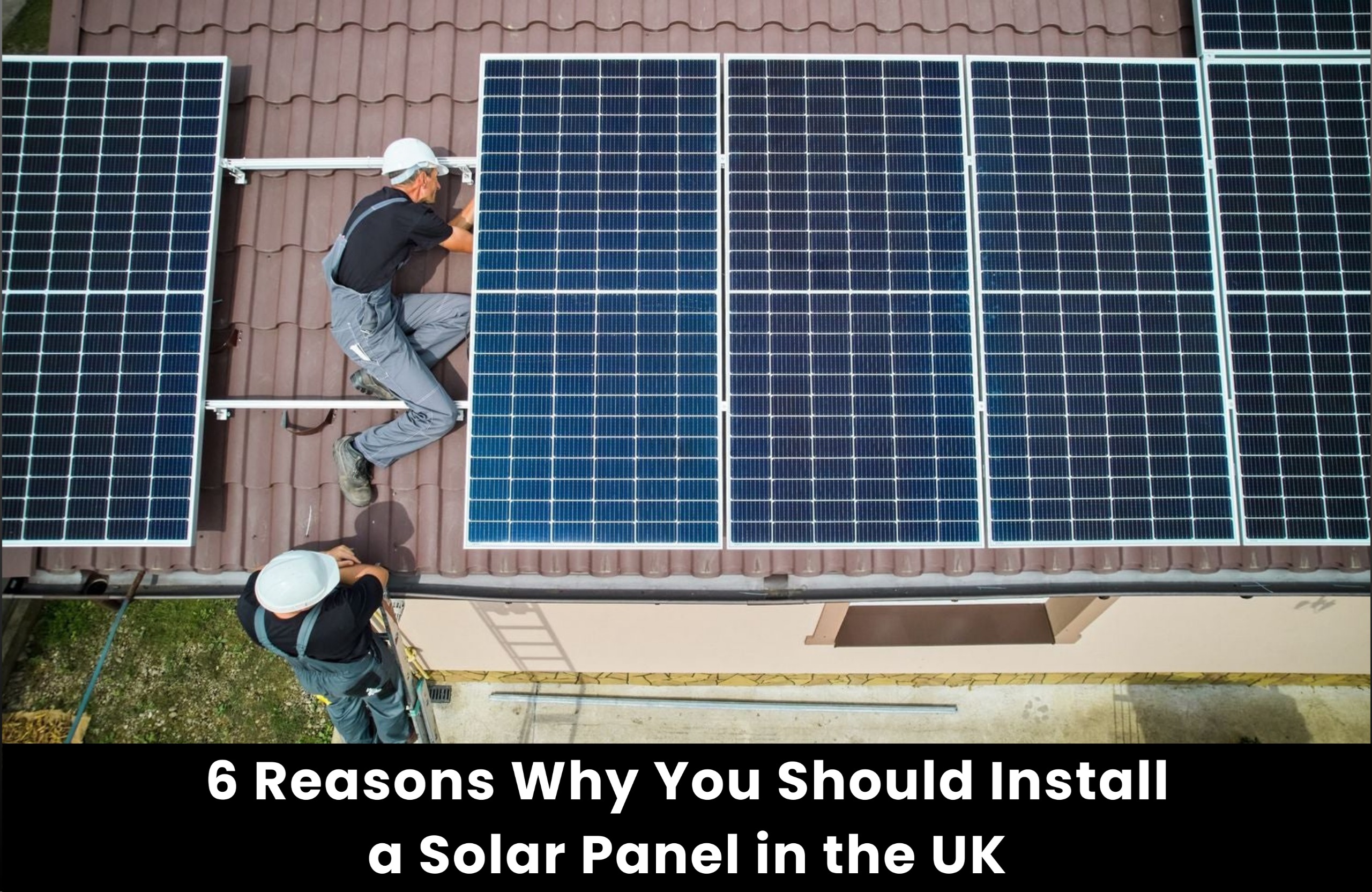
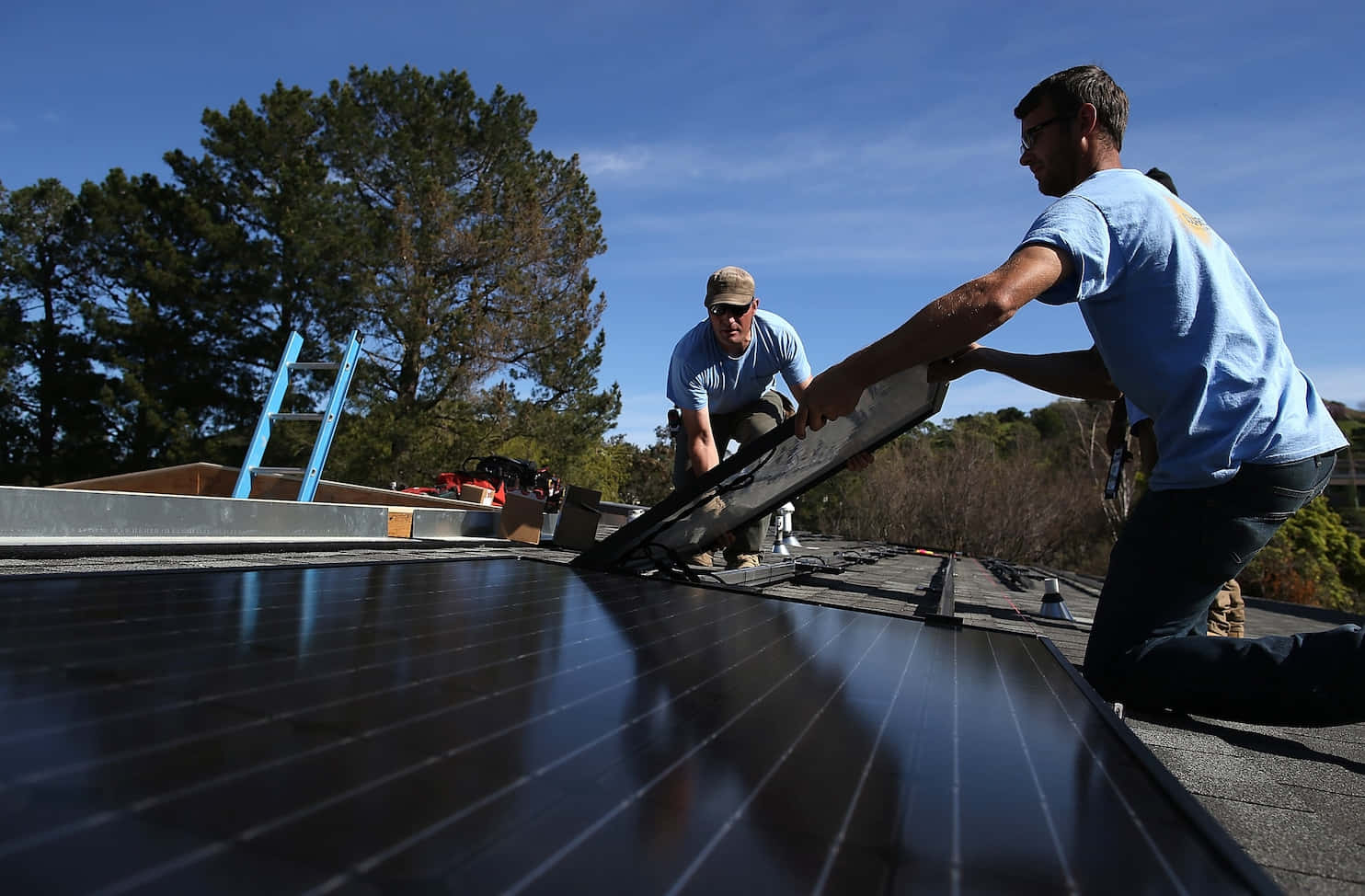
Installing solar panels has transformed from an alternative energy trend into a mainstream residential and commercial investment. Property owners choose photovoltaic systems to reduce monthly electricity bills, protect against utility price volatility, increase property values, and lower their overall carbon footprint. Understanding the primary motivations behind these installations helps prospective buyers evaluate whether solar energy aligns with their financial and environmental goals.
The modern transition toward residential and commercial renewable energy is driven by a convergence of economic self-interest, technological maturation, and environmental consciousness. As traditional grid electricity costs climb and photovoltaic technology becomes more efficient and accessible, millions of property owners worldwide are making the switch. Rather than relying entirely on fossil-fuel-generated power, individuals are capturing clean, abundant sunlight directly from their rooftops.
Evaluating the decision to go solar requires examining the multifaceted benefits that extend well beyond simple energy generation. From long-term financial returns and governmental incentives to energy independence and environmental stewardship, the motivations vary depending on geographic location, local utility rates, and individual priorities. Below are the seven key reasons people install solar panels, detailing how each factor influences the modern adoption of renewable energy.
1. Dramatic Reductions in Monthly Electricity Bills
The most immediate and common reason property owners install solar panels is the potential for significant savings on monthly utility bills. Traditional electricity providers generate power largely from fossil fuels like coal and natural gas, passing the volatile costs of these commodities directly to consumers. When you install a photovoltaic (PV) system, your property generates its own electricity from sunlight, directly offsetting the amount of energy you need to purchase from the utility company.
Depending on your geographic location, average daily sun hours, and current utility tariff rates, a properly sized solar array can offset a substantial percentage—or even 100%—of a household's electricity consumption. During peak daylight hours, when panels often produce more energy than the home is consuming, the excess electricity is typically fed back into the local grid. Through policies such as net metering, utilities credit consumers for this surplus energy, further driving down net monthly expenses. Over the multi-decade lifespan of a solar system, these cumulative savings often translate to tens of thousands of dollars.
2. Protection Against Rising Utility Rates
Electricity prices rarely remain static; historical data from energy regulators consistently demonstrates an upward trend in utility rates over time. As infrastructure ages and the costs of extracting and burning fossil fuels fluctuate, utility companies routinely file for rate increases to maintain their profit margins and grid upkeep.
Installing solar panels acts as a hedge against unpredictable utility price inflation. By locking in your energy production costs at the fixed price of the equipment installation, you insulate yourself from future rate hikes. While utility customers face continuous uncertainty regarding their monthly energy budgets, solar owners generate power at a predictable, fixed cost per kilowatt-hour. This long-term cost stability makes budgeting simpler for homeowners and provides businesses with reliable operational overhead forecasting.
3. Increasing Long-Term Property Value
Real estate data consistently shows that homes equipped with solar energy systems command higher resale values and sell faster than comparable non-solar properties. Prospective homebuyers increasingly recognize the financial benefit of moving into a home with pre-installed solar panels, as it promises immediate utility bill savings from day one of occupancy.
Studies conducted by real estate valuation groups and national laboratories indicate that solar installations add tangible equity to a home, often exceeding the out-of-pocket cost of the system itself. This valuation boost occurs because the solar array functions as a permanent home improvement that generates revenue, much like a renovated kitchen or an added room. Furthermore, in many real estate markets, homes with solar panels attract a broader pool of eco-conscious buyers looking for turnkey energy-efficient properties.
4. Government Incentives, Tax Credits, and Rebates
Financial incentives offered by federal, state, and local governments play a major role in motivating property owners to adopt solar power. These programs are designed to accelerate the transition to renewable energy by lowering the initial barrier to entry and shortening the return-on-investment timeline.
In the United States, for example, federal tax incentives such as the Residential Clean Energy Credit allow homeowners to deduct a significant percentage of the total installation cost from their federal taxes. In addition to federal provisions, many state governments, municipal utilities, and local cooperatives offer supplemental rebates, performance-based incentives, and solar renewable energy certificates (SRECs) that owners can sell for extra income. Combined, these financial mechanisms dramatically reduce the net capital expenditure required to go solar.
5. Enhancing Energy Independence and Grid Resilience
Beyond financial considerations, many individuals install solar panels to gain greater control over their power supply. Traditional grid systems are susceptible to blackouts caused by severe weather events, equipment failures, high demand strains, and cyber vulnerabilities.
When paired with a residential battery storage system, solar panels provide a reliable backup power source during grid outages. While standard grid-tied systems without batteries typically shut down during a blackout for safety reasons, hybrid or off-grid solar setups ensure that critical household appliances, refrigeration systems, and medical devices continue operating. This localized energy resilience offers peace of mind, particularly in regions prone to extreme weather or unreliable grid infrastructure.
6. Reducing Environmental Impact and Carbon Footprint
Environmental stewardship remains a core motivator for a significant segment of solar adopters. Traditional electricity generation is a leading contributor to global greenhouse gas emissions, releasing carbon dioxide, sulfur dioxide, and nitrogen oxides into the atmosphere, which accelerate climate change and air pollution.
Generating electricity from photovoltaic panels produces zero direct greenhouse gas emissions during operation. By switching to solar energy, an average residential household can offset several tons of carbon emissions annually, equivalent to planting hundreds of trees or removing multiple gasoline-powered passenger vehicles from the road. For individuals and organizations committed to corporate social responsibility or personal sustainability, installing solar panels offers a direct, measurable way to shrink their ecological footprint.
7. Technological Advancements and Falling Equipment Costs
The solar industry has experienced a dramatic technological evolution over the past decade, making solar installations more efficient, aesthetically pleasing, and affordable than ever before. Innovations in photovoltaic cell manufacturing have pushed energy conversion efficiencies higher, allowing smaller roof spaces to generate more electricity.
Simultaneously, economies of scale have driven down the manufacturing and installation costs of solar panels and inverters. Modern panels are also more durable, backed by robust twenty-five-year performance warranties that guarantee steady energy production over decades. These improvements in reliability and cost-effectiveness have transformed solar energy from a niche luxury into a practical, mainstream investment for average property owners.
Solar Installation Comparison Guide
To help visualize how different installation strategies impact financial returns and energy security, the table below outlines key parameters of common residential solar configurations.
| Configuration Type | Initial Capital Cost | Primary Benefits | Grid Dependence | Best Suited For |
|---|---|---|---|---|
| Grid-Tied (Standard) | Moderate | Lower bills, net metering credits, federal tax incentives | High (shuts down during outages) | Homes in areas with stable grids and favorable net metering policies. |
| Grid-Tied with Battery Storage | High | Backup power during outages, maximized self-consumption | Low-Moderate (operates autonomously during grid failure) | Properties in storm-prone regions or areas with unreliable grids and Time-Of-Use (TOU) rates. |
| Off-Grid System | Very High | Complete independence from utility companies | Zero (fully autonomous power network) | Remote cabins, rural properties, or locations where grid connection is cost-prohibitive. |
Frequently Asked Questions
Do solar panels still generate electricity on cloudy days or during winter?
Yes, solar panels continue to generate electricity on cloudy days, though at a reduced capacity—typically 10% to 25% of their optimal output, depending on cloud density. Photovoltaic cells capture both direct and indirect sunlight (diffused light). While energy production drops during winter months due to shorter daylight hours and lower sun angles, modern systems are engineered to factor in these seasonal variations across an entire annual production cycle.
What happens to my solar panels during a power outage?
Standard grid-tied solar systems automatically shut down during a blackout for safety reasons. This feature, known as anti-islanding, prevents solar energy from being pushed back into the grid while utility line workers are repairing damaged infrastructure. However, if your installation includes a solar battery storage system or an islanding-capable inverter, your home can seamlessly disconnect from the grid and continue running on stored solar energy during an outage.
How long do solar panels last before needing replacement?
Most high-quality solar panels come with a twenty-five-year performance warranty that guarantees at least 80% energy production efficiency at the end of that period. Photovoltaic panels do not abruptly stop working after twenty-five years; rather, they experience a very gradual degradation rate of about 0.5% per year. Inverters, which convert the DC electricity generated by panels into AC power for household use, typically have a lifespan of 10 to 15 years and may require a single replacement during the lifetime of the solar array.
Is my roof suitable for a solar panel installation?
Determining roof suitability involves evaluating orientation, angle, structural integrity, and shading. In the Northern Hemisphere, roofs facing south or west with minimal shading from trees or neighboring buildings offer the highest energy yield. Additionally, the roofing material must be in good condition—ideally with at least ten to fifteen years of remaining lifespan—so that you do not need to incur the labor cost of removing and reinstalling the panels to replace the roof prematurely.
Will solar panels completely eliminate my monthly electric bill?
In most cases, solar panels will not eliminate your electric bill entirely unless you have an off-grid system with sufficient battery storage. Most residential systems remain connected to the local utility grid. While net metering credits can offset the energy you pull from the grid, utility companies often charge a mandatory minimum connection or service fee to maintain access to the grid infrastructure. Therefore, while your energy consumption charges may drop to zero, a small monthly service fee is common.
Next Steps for Prospective Solar Buyers
If you are considering installing solar panels, begin by reviewing your past twelve months of electric utility bills to understand your average energy consumption patterns. Next, schedule consultations with multiple certified local solar installers to obtain detailed site evaluations, custom system designs, and financial payback projections. Ensure that any contractor you consider is licensed, insured, and well-versed in local permitting requirements and utility interconnection rules.