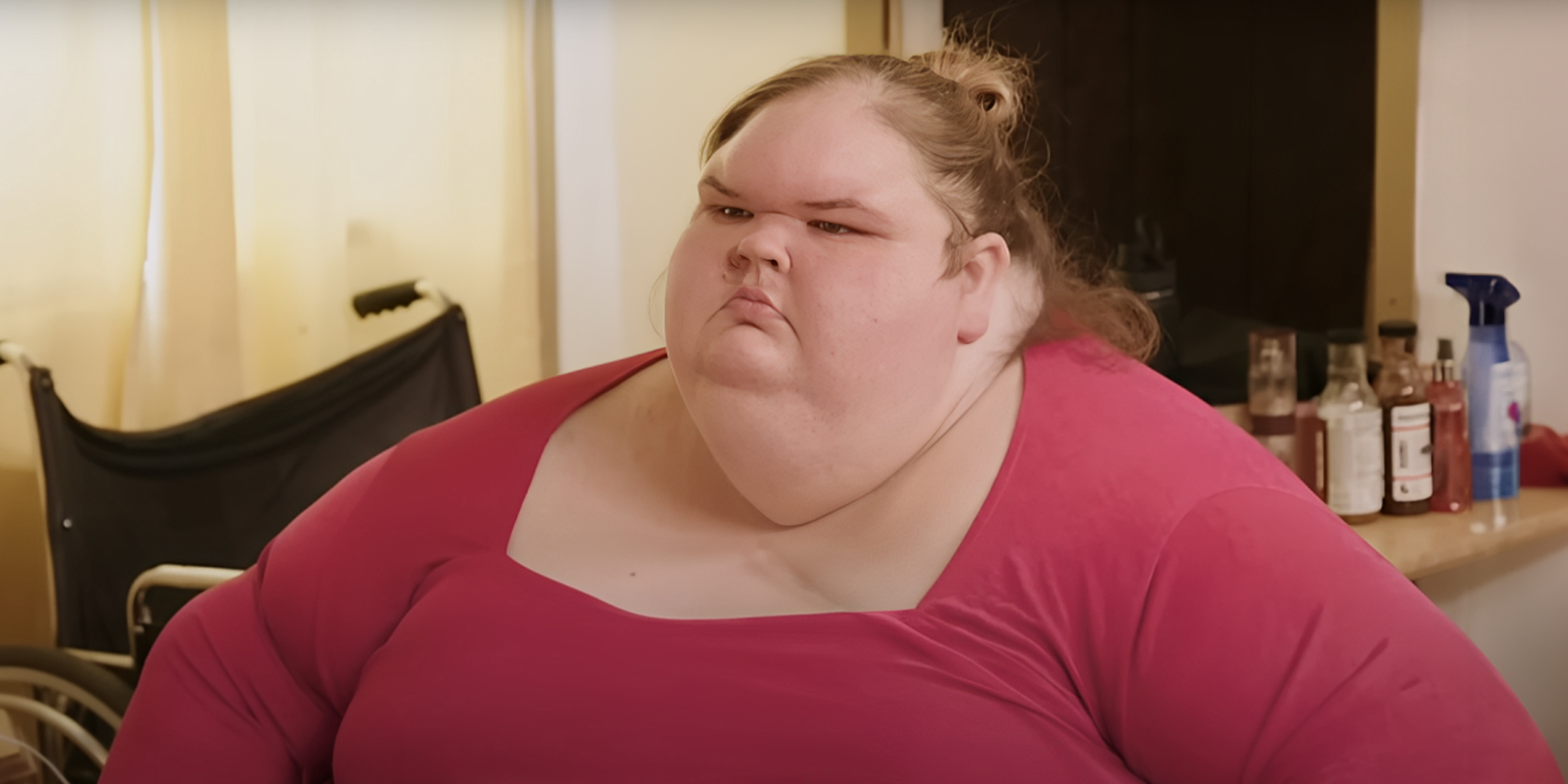
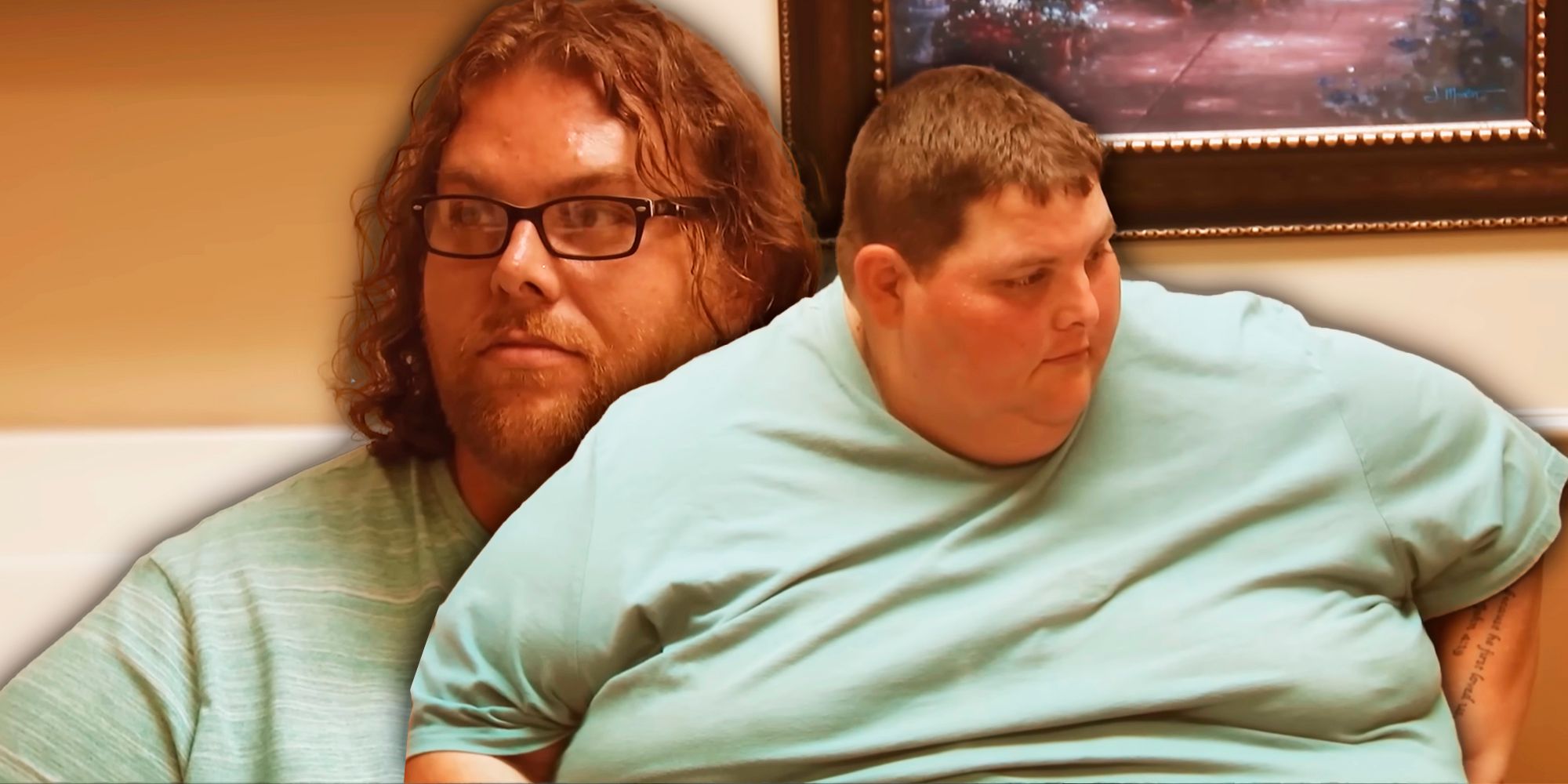
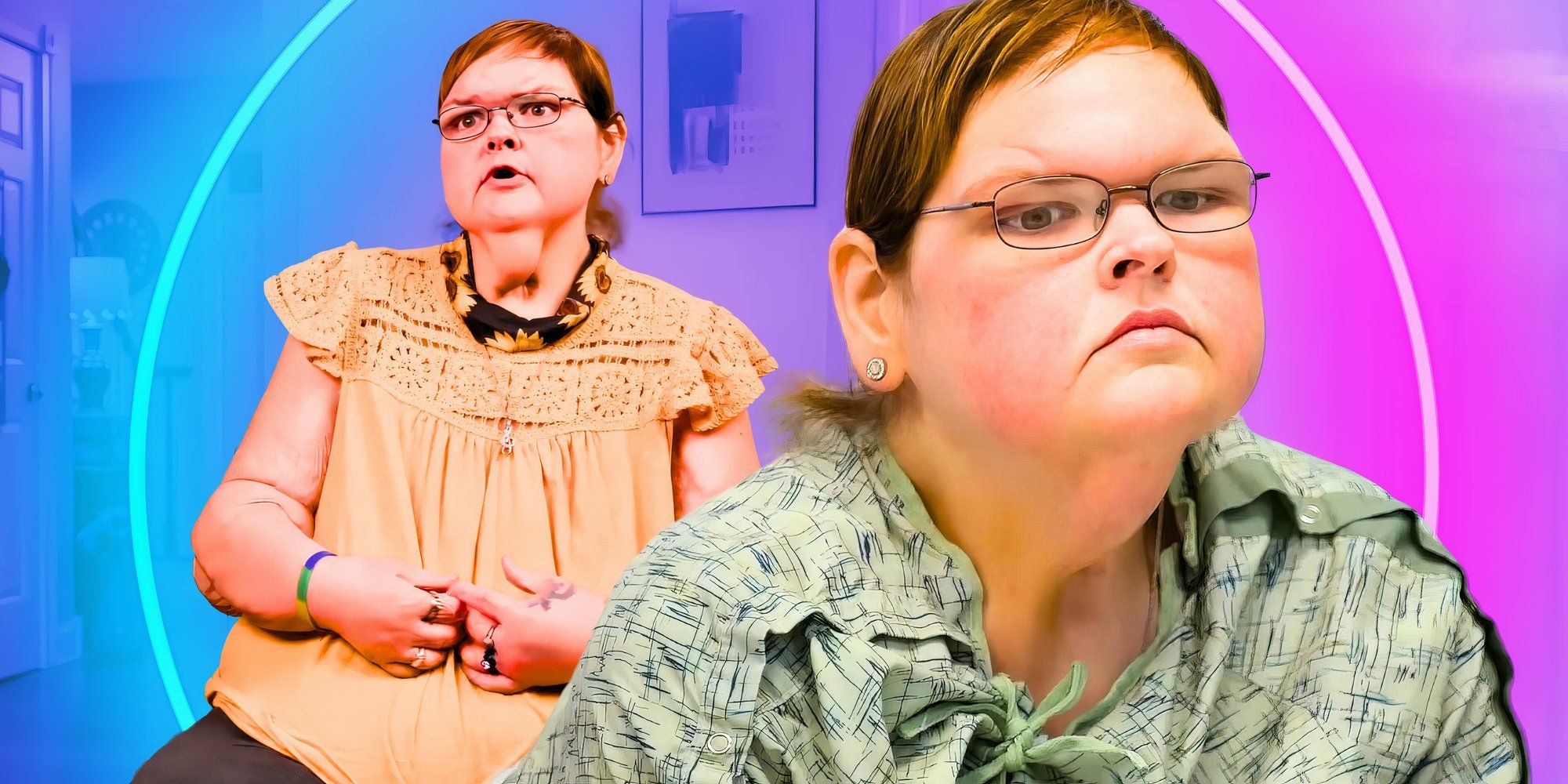
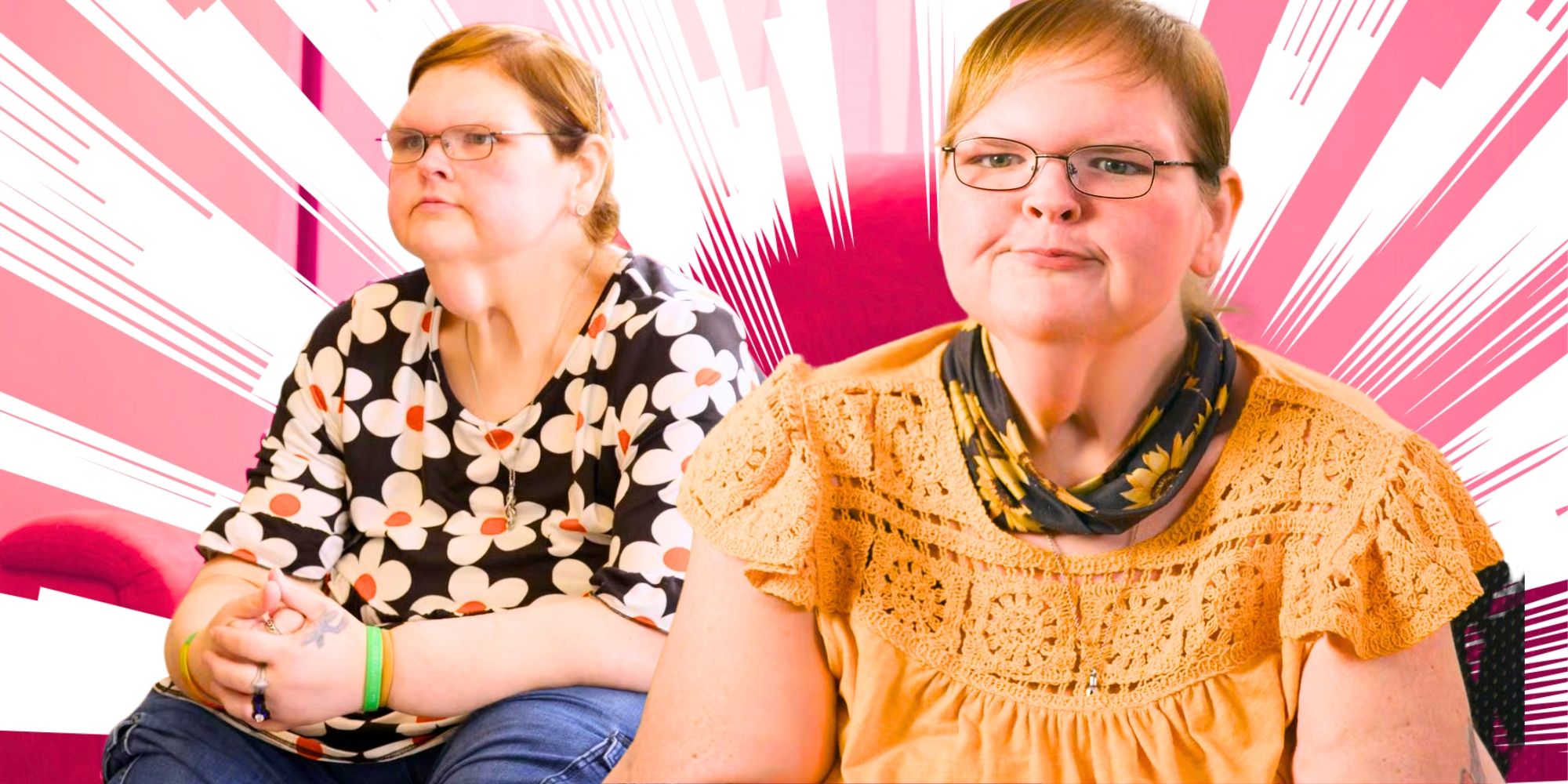
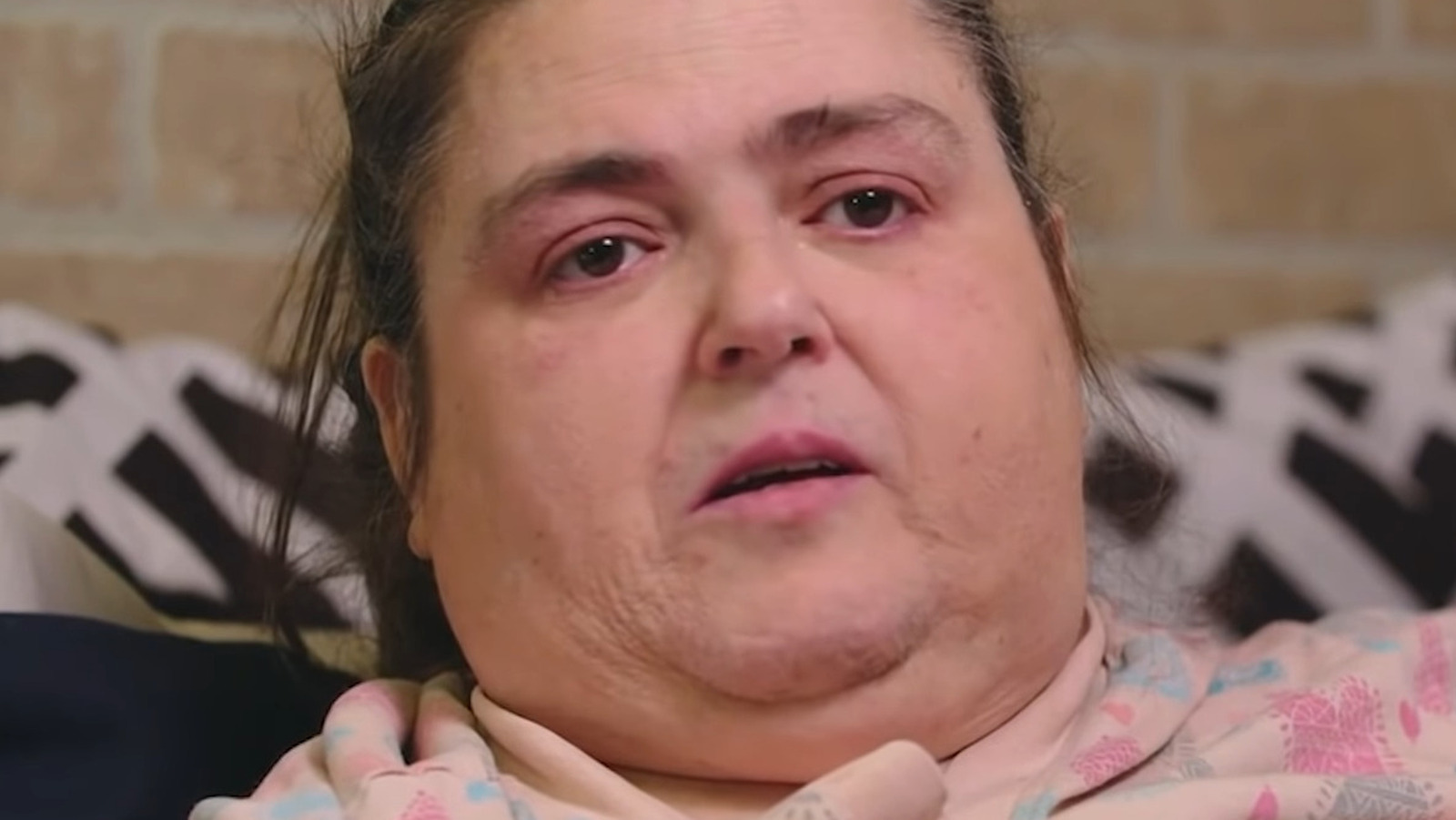
A 600-pound life transformation is a multi-year medical and psychological process involving extreme caloric restriction, mandatory psychological counseling, and bariatric surgery. Orchestrated by specialists like Dr. Younan Nowzaradan, the journey requires patients to demonstrate strict dietary compliance and significant pre-operative weight loss to mitigate surgical risks and ensure long-term behavioral changes.
The journey from morbid obesity to a sustainable weight is often popularized by the television program My 600-lb Life. However, the clinical reality behind these transformations is a rigorous, high-stakes medical intervention. In 2026, the protocols for managing patients with a Body Mass Index (BMI) exceeding 60 remain some of the most challenging in modern medicine. This guide examines the physiological, surgical, and psychological requirements for a successful transformation.
The Clinical Framework of the Transformation Protocol
A transformation of this magnitude does not begin in the operating room; it begins with a fundamental overhaul of the patient’s metabolic and behavioral habits. For patients weighing 600 pounds or more, the immediate goal is stabilization. The physiological strain of carrying such extreme weight impacts the cardiovascular system, pulmonary function, and liver health, making immediate surgery life-threatening.
The 1,200-Calorie High-Protein, Low-Carbohydrate Diet
The cornerstone of the initial phase is a strict nutritional regimen. Most specialists, including those following the "Dr. Now" method, prescribe a 1,200-calorie-per-day diet. This diet is specifically designed to achieve two goals: rapid weight loss and the reduction of fatty liver deposits.
A "fatty liver" is particularly dangerous during bariatric surgery because the liver sits directly over the stomach. In patients with extreme obesity, the liver is often enlarged and fragile. By eliminating sugars, refined carbohydrates, and high-calorie fats, the body is forced to burn stored glycogen and fat, which shrinks the liver and allows the surgeon safer access to the digestive tract.
Commonly Restricted Foods Include:
- Sugary Snacks and Beverages: Soda, juice, and candy are strictly prohibited due to their impact on insulin and caloric density.
- Refined Carbohydrates: Bread, pasta, rice, and potatoes are removed to prevent water retention and blood sugar spikes.
- High-Fat Proteins: Fried meats are replaced with lean options like grilled chicken, fish, or egg whites.
The "Goal Weight" Requirement
Before a patient is approved for surgery, they must typically meet a specific weight loss goal—often between 30 and 100 pounds—within a set timeframe (usually 1 to 3 months). This requirement serves as a diagnostic tool for the medical team. If a patient cannot adhere to the diet in a controlled environment, they are considered a high-risk candidate for post-surgical failure, as the surgery only restricts the stomach's size and does not "cure" the underlying eating disorder.
Surgical Interventions in Extreme Weight Loss
Once a patient has proven their commitment through diet and has reached a safer surgical weight, the medical team selects the most appropriate bariatric procedure. In 2026, the two most common procedures for patients in the 600-pound range remain the Vertical Sleeve Gastrectomy and the Roux-en-Y Gastric Bypass.
Vertical Sleeve Gastrectomy (VSG)
The "sleeve" involves removing approximately 80% of the stomach, leaving a narrow, banana-shaped pouch. This procedure is purely restrictive. By reducing the stomach's volume, the patient feels full after consuming very small amounts of food. It also significantly lowers the production of ghrelin, the "hunger hormone," which helps suppress the intense appetite common in patients with morbid obesity.
Roux-en-Y Gastric Bypass
The Gastric Bypass is more complex, involving both restriction and malabsorption. The surgeon creates a small pouch from the stomach and connects it directly to the small intestine, bypassing a large portion of the digestive tract. This means the body absorbs fewer calories and nutrients from the food consumed. While highly effective for weight loss, it carries a higher risk of "Dumping Syndrome," where high-sugar foods cause rapid heart rate, nausea, and sweating.
| Feature | Vertical Sleeve Gastrectomy (VSG) | Roux-en-Y Gastric Bypass |
|---|---|---|
| Mechanism | Restrictive only | Restrictive and Malabsorptive |
| Stomach Change | 80% of stomach removed | Small pouch created; rest remains but bypassed |
| Intestinal Rerouting | No | Yes |
| Weight Loss Speed | Rapid | Very Rapid |
| Reversibility | Permanent | Potentially reversible (but rare) |
| Primary Risk | Staple line leak | Malnutrition, Dumping Syndrome |
The Role of Psychological Intervention and "Enablers"
The transformation of a 600-pound individual is rarely a solitary endeavor. Most patients at this weight require 24-hour care, which often creates a complex psychological dynamic with their caregivers. In the context of the transformation, these caregivers are frequently identified as "enablers."
Addressing Food Addiction
Morbid obesity at this level is often classified as a severe food addiction, frequently rooted in childhood trauma or emotional distress. Without addressing the "why" behind the eating, the "how" of the surgery will eventually fail. Patients are usually required to undergo regular therapy sessions to develop new coping mechanisms that do not involve "comfort eating."
Navigating the Enabler Dynamic
Caregivers often provide the high-calorie foods that maintain the patient's weight, sometimes out of a misplaced sense of love or a desire to avoid conflict. A successful transformation requires the caregiver to also undergo counseling. If the environment at home does not change, the patient is almost certain to regain the weight after the "honeymoon phase" of the surgery ends.
Post-Surgical Challenges and Excess Skin
The transformation does not end when the weight reaches 200 or 300 pounds. In fact, many patients find the "middle" phase of the journey to be the most difficult.
The Plateau Phase
As the body loses weight, its metabolic rate drops. A 600-pound body requires significantly more energy to function than a 300-pound body. Patients often experience a "plateau" where weight loss stalls despite continued adherence to the diet. Managing these stalls requires medical adjustment of activity levels and caloric intake to prevent the patient from becoming discouraged and returning to old habits.
Skin Removal Surgery (Panniculectomy)
One of the most physically and financially taxing aspects of the transformation is the resulting excess skin. After losing 300 to 400 pounds, the skin's elasticity is completely destroyed. This results in large folds of skin (a "pannus") that can weigh between 20 and 50 pounds.
This skin is not just a cosmetic issue; it causes:
- Hygiene Problems: Folds are prone to fungal infections and skin breakdown.
- Mobility Issues: The weight of the skin can pull on the spine and inhibit exercise.
- Psychological Distress: Patients often feel they still look "heavy" despite the weight loss.
Insurance coverage for skin removal (Brachioplasty or Panniculectomy) is often stringent, requiring proof of medical necessity (such as chronic infections) rather than just aesthetic improvement.
Reality vs. Television: Success Rates
While the television show My 600-lb Life focuses on the dramatic first year of the journey, the long-term success rate for individuals starting at 600 pounds is statistically low. Medical data suggests that only about 5% of patients who undergo bariatric surgery maintain significant weight loss after five years without consistent follow-up care and lifestyle modification.
Success is defined not just by the number on the scale, but by the resolution of co-morbidities. Transformations often result in the reversal of Type 2 Diabetes, the elimination of sleep apnea, and the restoration of independent mobility.
Frequently Asked Questions
How much does the initial transformation cost?
The total cost of a 600-pound life transformation can exceed $100,000 when accounting for hospital stays, specialized transportation, bariatric surgery, and subsequent skin removals. Many patients rely on insurance or specialized medical programs, though the initial requirements for coverage are often very strict regarding weight loss attempts and psychological clearance.
Why does Dr. Nowzaradan require patients to lose weight before surgery?
Requiring weight loss before surgery is a safety protocol. It reduces the size of the liver, improves heart and lung function for anesthesia, and proves that the patient can follow a restricted diet. Operating on a patient at their highest weight significantly increases the risk of mortality on the table.
Can someone lose this weight without surgery?
While it is physiologically possible to lose hundreds of pounds through diet and exercise alone, it is statistically rare for someone at 600 pounds. The hormonal imbalances and the extreme nature of the caloric deficit required usually necessitate surgical intervention to provide the patient with a "tool" to control hunger and metabolic rate.
Is skin removal surgery always necessary?
For someone losing 300 pounds or more, skin removal is almost always a medical necessity due to the risk of infection and the physical weight of the hanging skin. However, it is usually delayed until the patient has maintained a stable weight for at least 12 to 18 months.
What happens if a patient fails the initial diet?
If a patient fails to meet the weight loss goals, surgery is typically postponed or denied. The medical team will often recommend more intensive therapy or a controlled hospital environment (in-patient calorie restriction) to help the patient break the addiction cycle before attempting surgery again.
Final Recommendations for Success
A 600-pound life transformation is a lifelong commitment to a different way of living. It is not a "quick fix" or a temporary diet, but a permanent restructuring of one's relationship with food.
For those beginning this journey, the most critical step is building a support system that includes bariatric specialists, mental health professionals, and supportive (rather than enabling) family members. Success requires the patient to take full accountability for their choices, understanding that while surgery changes the anatomy of the stomach, it does not change the anatomy of the mind. Consistent tracking of intake, regular physical activity as mobility increases, and ongoing psychological support are the only proven methods for maintaining a transformation in the years following the initial procedure.
Medical Disclaimer: The information provided in this article is for educational purposes only and should not be considered medical advice. Always consult with a qualified bariatric specialist or healthcare provider before beginning an extreme weight loss program.