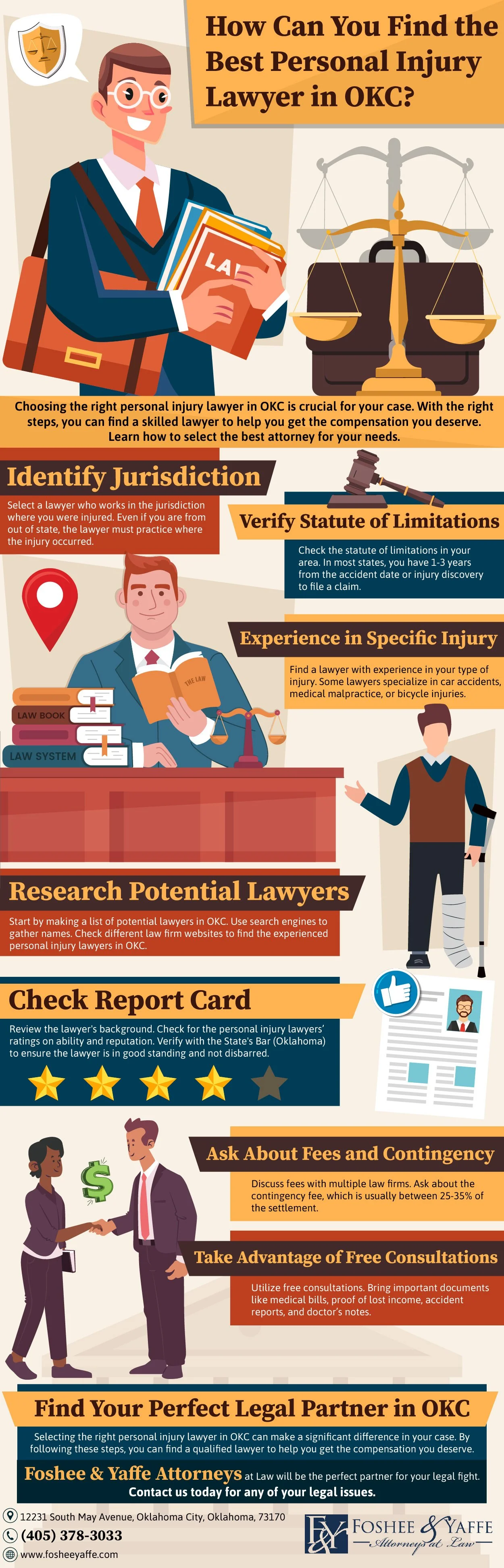
Navigating the aftermath of an accident in Macon, Georgia, requires understanding your legal options, verifying local credentials, assessing trial experience, examining fee structures, and scheduling an initial consultation to find an attorney who fits your specific case.
When an unexpected accident alters your life, finding the right legal representation is one of the most consequential decisions you can make. Whether you were injured in a commercial truck collision along Interstate 75, a multi-vehicle crash on Eisenhower Parkway, a slip and fall on commercial property, or another incident caused by negligence, the legal landscape in Macon, Georgia, requires targeted expertise. Choosing the best Macon personal injury attorney is not merely about finding someone with a billboard or a high-volume advertising presence; it requires a structured evaluation of credentials, courtroom capabilities, communication practices, and fee transparency. This comprehensive guide outlines five practical steps to help you vet prospective lawyers, protect your rights under Georgia law, and secure the advocacy you need to pursue fair compensation.
1. Evaluate Local Experience and Knowledge of Georgia Jurisdictions
The foundation of a successful personal injury claim lies in an attorney's familiarity with local legal environments. Insurance adjusters, defense firms, and court personnel operate within specific regional dynamics. A practitioner who regularly tries cases in the State and Superior Courts of Bibb County understands how local judges manage dockets, how local juries evaluate liability and damages, and how regional defense firms approach settlement negotiations.
When reviewing potential attorneys, look beyond general experience to examine their track record with cases originating in Macon and the surrounding Middle Georgia circuit. Ask specific questions regarding their history with similar accident types. For instance, commercial vehicle litigation involving trucks traveling through the Macon hub requires specialized knowledge of federal motor carrier safety regulations, whereas medical malpractice claims involve strict Georgia statutory requirements, such as the affidavit of an expert witness under O.C.G.A. § 51-11-9.
Furthermore, verify that the attorney is an active member in good standing with the State Bar of Georgia. You can check their disciplinary history and licensing status directly through the official state bar registry. Local experience also encompasses a firm understanding of Georgia's modified comparative negligence rule (O.C.G.A. § 51-12-33), which dictates that a plaintiff cannot recover damages if they are 50 percent or more responsible for the injury. An attorney well-versed in Georgia tort law will know how to counter contributory negligence arguments raised by opposing insurers.
2. Assess Trial Readiness Versus Quick Settlement Practices
Many personal injury victims assume that every lawyer takes cases to trial, but the reality of modern personal injury practice is that the vast majority of claims are resolved through out-of-court settlements. However, the willingness and capability of your attorney to take a case to trial is the primary leverage that forces insurance companies to offer fair compensation. Insurers track law firms closely and quickly identify which attorneys routinely settle for low amounts to clear volume and which ones actively prepare every file for a courtroom presentation.
During your initial search, inquire about the attorney's actual trial experience. How many cases have they tried to a jury verdict in Bibb County or neighboring jurisdictions? A lawyer who is respected as a competent trial advocate commands more respect during mediation and settlement discussions.
| Evaluation Metric | High-Volume Settlement Firm | Trial-Focused Personal Injury Practice |
|---|---|---|
| Case Load | Manages hundreds of files simultaneously per attorney. | Maintains a controlled caseload to ensure individualized attention. |
| Communication | Often relies heavily on caseworkers or legal assistants. | Provides direct access to the lead trial attorney. |
| Negotiation Leverage | Insurers know the firm rarely files lawsuits or goes to trial. | Insurers recognize the firm has the resources and willingness to litigate. |
| Case Preparation | Relies on standard police reports and basic medical records. | Invests in independent accident reconstruction, expert medical testimony, and thorough discovery. |
Choosing an attorney who is prepared to litigate ensures that if an insurance company refuses to offer a reasonable settlement, your legal team will not hesitate to file a formal complaint in court and present your case to a jury.
3. Understand Fee Structures and Contingency Agreements
Financial concerns should never prevent an injured person from accessing quality legal counsel. Fortunately, the vast majority of reputable personal injury attorneys in Macon operate on a contingency fee basis. Under this arrangement, the client does not pay any upfront hourly fees or retainers. Instead, the attorney's fee is contingent upon a successful recovery—either through a negotiated settlement or a court award.
However, contingency fee agreements require careful examination. While standard contingency fees in Georgia typically range from 33.3% to 40% of the total recovery, the specific terms can vary significantly depending on whether the case settles before filing a lawsuit, during litigation, or after an appeal.
- Pre-Suit Settlements: Usually billed at a lower percentage (e.g., 33.3%) because fewer formal legal proceedings are required.
- Litigation and Trial: Often increases to 40% to account for the substantial time, expert witness fees, and administrative costs required to prepare a case for court.
- Case Expenses: Clarify how court filing fees, expert witness retainers, medical record retrieval costs, and deposition transcripts are handled. Reputable firms generally advance these costs and deduct them from the final settlement, but you must confirm whether expenses are deducted before or after the contingency percentage is calculated.
Always demand a written fee agreement before signing with any lawyer. Review every clause carefully, and do not hesitate to ask for clarification on any ambiguous terms regarding costs and disbursements.
4. Gauge Communication Standards and Client-Centric Operations
The aftermath of a serious accident brings immense physical pain, emotional stress, and financial uncertainty. The last thing an injured client needs is an unresponsive legal team. Communication breakdown is one of the most common complaints clients file against attorneys with disciplinary boards. Therefore, evaluating how a firm communicates from the very first interaction is vital.
During your consultation, observe the responsiveness and transparency of the staff. Consider the following practical aspects:
- Point of Contact: Will you communicate directly with the lead attorney handling your case, or will you be funneled through a revolving door of junior associates, paralegals, and caseworkers?
- Response Time Policy: What is the firm's standard policy for returning phone calls and emails? A professional practice should acknowledge inquiries within a predictable timeframe, typically 24 to 48 hours.
- Case Updates: Does the firm provide proactive updates on your medical treatment progress, insurance communications, and negotiation milestones, or do you have to chase them for information?
A client-centric attorney will take the time to explain complex legal procedures in plain language, outline realistic expectations regarding the timeline of your claim, and ensure you remain fully informed as your case progresses through investigation, negotiation, or litigation.
5. Conduct Thorough Research Using Reviews, Credentials, and Consultations
Before finalizing your decision, perform independent due diligence by combining online research with direct, in-person or virtual consultations. While online directories and review platforms offer helpful baseline impressions, they should be balanced with peer-reviewed legal credentials and objective professional standings.
Start by examining independent legal rating services and professional organizations. Look for attorneys recognized by peer-reviewed entities such as Martindale-Hubbell, Super Lawyers, or the National Board of Trial Advocacy. These recognitions indicate that other lawyers in the community respect the attorney's legal ability and ethical standards.
Next, schedule initial consultations with two or three different Macon personal injury attorneys. Most reputable firms offer free, no-obligation case evaluations. Use this meeting to assess:
- Listening Skills: Does the attorney listen attentively to your account of the accident and your injuries, or do they interrupt and rush through a standardized script?
- Honesty and Transparency: Do they provide a realistic assessment of your case's strengths and weaknesses, or do they guarantee a specific dollar amount? Be cautious of any lawyer who promises a guaranteed outcome, as ethical rules prohibit guaranteeing results in legal matters.
- Resource Allocation: Does the firm have the financial and professional resources necessary to hire accident reconstructionists, medical specialists, and life-care planners if your injuries require long-term care?
By conducting these consultations and verifying credentials, you can make an informed, confident choice that aligns with your specific needs.
Frequently Asked Questions
When should I hire a personal injury attorney in Macon?
You should consult a personal injury attorney as soon as possible after receiving necessary medical treatment. In Georgia, the general statute of limitations for personal injury claims is two years from the date of the accident (O.C.G.A. § 9-3-33). Waiting too long can compromise vital evidence, such as traffic camera footage, witness memories, and physical evidence from the accident scene.
How much does it cost to hire a Macon personal injury lawyer?
Most Macon personal injury attorneys work on a contingency fee basis, meaning you pay nothing upfront. The attorney receives an agreed-upon percentage of the financial recovery only if they successfully resolve your case through a settlement or court award. Always review the written contingency agreement to understand how case expenses are handled.
What should I bring to my initial legal consultation?
To make the most of your consultation, bring the police report or accident incident report, photographs of the accident scene and your injuries, insurance policy details (including your auto policy and health insurance), medical bills, discharge summaries from treating physicians, and any correspondence from insurance adjusters.
Can I still recover compensation if I was partially at fault for the accident?
Yes, under Georgia’s modified comparative negligence law, you can recover damages as long as you are less than 50 percent at fault for the incident. However, your total financial recovery will be reduced by your percentage of fault. An experienced attorney can help protect your claim from unfair allocations of liability by insurance adjusters.
What types of damages can I recover in a personal injury claim?
A successful personal injury claim can recover both economic and non-economic damages. Economic damages include medical expenses, future medical care costs, lost wages, and property damage. Non-economic damages compensate for pain and suffering, emotional distress, loss of consortium, and loss of enjoyment of life. In rare cases involving willful misconduct or gross negligence, punitive damages may also be pursued.