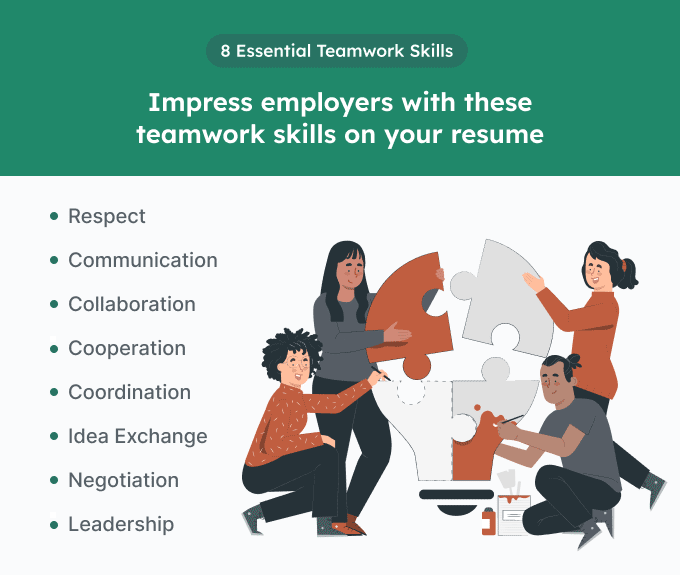
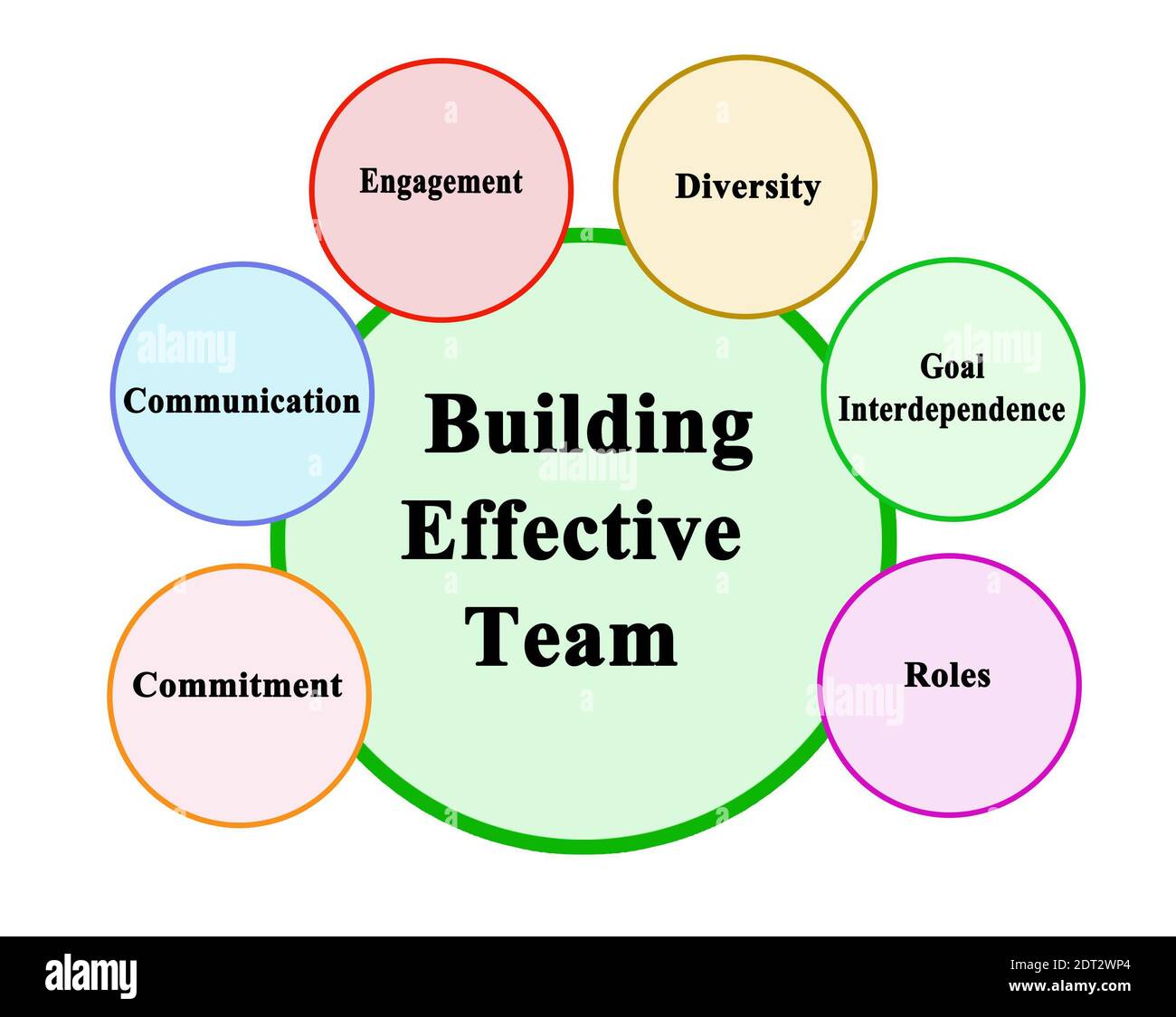
Effective teamwork is the synergistic collaboration of individuals towards a shared objective, characterized by transparent communication, psychological safety, and clearly defined roles. Key examples include Agile software development sprints, emergency medical crisis response, creative agency brainstorming, cross-functional product launches, and asynchronous distributed operations in remote-first environments.
Defining the Mechanics of Effective Teamwork in 2026
By 2026, the definition of teamwork has evolved beyond simple cooperation. In a landscape defined by hybrid work models and the integration of artificial intelligence (AI) as a "team member," effective teamwork now requires a high degree of emotional intelligence and technical adaptability. It is no longer enough for a group of people to work in the same department; they must operate as a cohesive unit where the collective output exceeds the sum of individual contributions.
Effective teams are built on a foundation of psychological safety, a concept popularized by Harvard Professor Amy Edmondson. This environment allows members to take risks and admit mistakes without fear of recrimination. Furthermore, successful teams in 2026 utilize structured frameworks to ensure that communication remains fluid and that goals are aligned with organizational values.
The following five examples illustrate how different industries and organizational structures apply these principles to achieve exceptional results.
1. Agile Software Development: The Scrum Model
Agile methodology, specifically the Scrum framework, remains one of the most prominent examples of effective teamwork in the technology sector. In 2026, Scrum has matured to integrate AI-driven predictive analytics, yet the core human elements of the "Scrum Team" remain the primary driver of success.
A typical Scrum team consists of a Product Owner, a Scrum Master, and Developers. Their effectiveness stems from a shared commitment to iterative progress and transparency.
The Mechanics of Success
- Daily Standups: These are short, 15-minute meetings where team members synchronize their activities and report "blockers." This prevents minor issues from snowballing into project delays.
- Sprint Planning and Retrospectives: At the start of a cycle (sprint), the team agrees on a set of deliverables. At the end, they conduct a retrospective to analyze what went well and what didn't. This creates a culture of continuous improvement.
- Shared Accountability: In an effective Scrum team, there is no individual "failure." If a sprint goal is missed, the team collectively analyzes the workflow bottleneck rather than assigning blame.
According to the Project Management Institute (PMI), Agile teams that prioritize these ceremonies report significantly higher project success rates and employee satisfaction compared to traditional "Waterfall" models.
2. Crisis Management: The Emergency Room (ER) Team
In high-stakes environments like a hospital Emergency Room, teamwork is a matter of life and death. This is an example of dynamic teaming, where individuals who may not have worked together before must form an instantly functional unit to address a crisis.
Role Clarity and Closed-Loop Communication
The effectiveness of an ER team relies on two critical components: role clarity and closed-loop communication. Even in the chaos of a trauma bay, every member knows their specific task—whether it is managing the airway, administering medication, or recording data.
- Closed-Loop Communication: When a lead physician gives an order, the recipient repeats it back to confirm they understood, and then confirms again when the task is completed. This eliminates ambiguity in high-pressure situations.
- Flattened Hierarchy: During a crisis, an effective medical team encourages "speaking up." A nurse or junior resident is empowered to point out a potential error by a senior surgeon, prioritizing patient safety over professional ego.
Research published via the National Center for Biotechnology Information (NCBI) highlights that structured communication protocols like SBAR (Situation, Background, Assessment, Recommendation) are essential for reducing medical errors in these team settings.
3. Creative Collaboration: The Advertising Brainstorm
In the creative industries, teamwork looks different. It is less about rigid protocols and more about divergent and convergent thinking. A classic example is the partnership between a Copywriter and an Art Director in an advertising agency.
The "Yes, And..." Principle
Effective creative teams often borrow from the world of improvisational theater. They use the "Yes, and..." technique during the ideation phase. Instead of shutting down an unconventional idea with "No" or "But," they accept the premise and build upon it.
- Diverse Perspectives: A successful creative team intentionally seeks out members with different cultural backgrounds and life experiences. This diversity prevents "groupthink" and leads to more innovative campaigns that resonate with a global audience.
- The Critique Loop: Effective teams separate their identity from their work. They can engage in rigorous, honest critique of a design or a headline without taking it personally, focusing entirely on the quality of the final product.
4. Cross-Functional Alignment: The Global Product Launch
When a multi-national corporation launches a new product, it requires a "team of teams." This involves the coordination of Marketing, Legal, Supply Chain, Engineering, and Sales departments. This is a prime example of cross-functional teamwork.
Breaking Down Silos
The primary challenge in cross-functional work is the "silo effect," where departments focus solely on their own KPIs at the expense of the overall project. Effective teams overcome this through:
- Unified Objectives: Every department shares the same "North Star" metric (e.g., reaching 1 million users in the first quarter).
- RACI Matrices: This tool defines who is Responsible, Accountable, Consulted, and Informed for every task. It prevents the confusion that often arises when multiple departments have overlapping interests.
- Inter-departmental Liaisons: Appointing "bridge" individuals who understand both the technical side (Engineering) and the market side (Sales) ensures that requirements are translated accurately across the organization.
5. Remote-First Success: Asynchronous Distributed Teams
In 2026, the most modern example of teamwork is found in companies that operate entirely remotely across different time zones. These teams cannot rely on "watercooler talk" or spontaneous meetings. Instead, their effectiveness is built on a documentation-first culture.
Trust and Autonomy
Effective remote teams replace constant surveillance with trust and output-based metrics. They utilize "asynchronous" communication, meaning team members do not expect an immediate response to every message.
- The Single Source of Truth: Every decision, process, and project update is documented in a shared digital workspace (like Notion or Confluence). This allows a developer in Tokyo to understand the work completed by a designer in London without needing a live meeting.
- Deep Work Protection: These teams respect "focus time." They use shared calendars to signal when they are unavailable for chat, allowing for the high-concentration work that drives complex projects forward.
- Intentional Social Connection: Because they lack physical proximity, effective remote teams are intentional about building social bonds through virtual "coffee chats" or periodic in-person retreats, ensuring that the human element of teamwork is maintained.
Comparative Analysis of Teamwork Models
The following table compares the five examples across key operational dimensions:
| Team Type | Primary Goal | Communication Style | Key Success Factor |
|---|---|---|---|
| Agile/Scrum | Iterative Product Delivery | High-Frequency (Daily) | Transparency & Adaptability |
| Crisis (ER) | Patient Survival | Standardized/Protocol-based | Role Clarity & Safety |
| Creative | Innovation/Originality | Open/Exploratory | Diversity of Thought |
| Cross-Functional | Organizational Alignment | Structured/Formal | Breaking Down Silos |
| Remote-First | Global Efficiency | Asynchronous/Written | Documentation & Trust |
The Psychological Foundations of Success
Regardless of the industry, all effective team examples share a common psychological core. Without these underlying traits, even the best-designed processes will fail.
The Role of Leadership
In 2026, the most effective team leaders have shifted from "command and control" to "servant leadership." Their role is to remove obstacles for their team and provide the resources necessary for success. Leaders who model vulnerability—admitting when they don't have all the answers—create an environment where others feel safe to do the same.
Conflict Resolution
Effective teams do not avoid conflict; they manage it. Cognitive conflict (disagreement about the task) is actually encouraged, as it leads to better decision-making. However, affective conflict (personal friction) is addressed immediately through mediated dialogue or team-building exercises.
AI Integration in 2026
In current workflows, AI agents often act as facilitators. For example, an AI might analyze a team's Slack communication to identify signs of burnout or suggest the best time for a meeting based on everyone's biological "peak" focus hours. Effective teams embrace these tools as enhancers of human capability rather than threats to job security.
Common Barriers to Effective Teamwork
Even with the best examples to follow, many organizations struggle to sustain high-performance teams. Recognizing these barriers is the first step toward overcoming them.
- Lack of Purpose: If the team doesn't understand why their work matters, engagement will inevitably drop.
- Unclear Goals: "Doing our best" is not a goal. Teams need Specific, Measurable, Achievable, Relevant, and Time-bound (SMART) objectives.
- Social Loafing: This occurs when individuals contribute less because they feel their lack of effort will be hidden by the group's collective output. Clear accountability measures are necessary to prevent this.
- Poor Resource Allocation: No amount of "team spirit" can overcome a lack of the necessary tools, budget, or time.
How to Measure Team Effectiveness
Organizations should move beyond simple "project completion" to measure how well their teams are functioning. Key Performance Indicators (KPIs) for teamwork in 2026 include:
- Cycle Time: How long it takes to move a task from "started" to "finished."
- Employee Net Promoter Score (eNPS): A measure of how likely team members are to recommend their team as a great place to work.
- Innovation Rate: The number of new ideas or process improvements generated by the team that are actually implemented.
- Meeting Efficiency: A ratio of time spent in meetings versus the tangible outcomes produced by those meetings.
Frequently Asked Questions
What is the single most important factor for effective teamwork?
Most organizational psychologists agree that psychological safety is the foundation. Without it, team members will hide mistakes, withhold innovative ideas, and avoid the healthy conflict necessary for growth.
Can a team be "too big" to be effective?
Yes. Amazon’s Jeff Bezos famously pioneered the "Two-Pizza Rule": if a team cannot be fed with two large pizzas, it is likely too large. Larger teams often suffer from communication overhead and decreased individual accountability. In 2026, the ideal team size generally remains between 5 and 9 people.
How do you handle a "lone wolf" who is highly productive but a poor team player?
While technical brilliance is valuable, "brilliant jerks" can destroy team morale and productivity in the long run. Effective teams address this by making collaboration a part of performance reviews. If the individual refuses to adapt, they may be better suited for a role that requires minimal interaction.
How has AI changed teamwork by 2026?
AI now serves as a "force multiplier." It handles routine administrative tasks—like meeting transcription, schedule optimization, and data entry—allowing human team members to focus on high-value activities like creative problem-solving and emotional support.
What should I do if my team is struggling with communication?
Start by implementing a "Team Charter." This is a document where the team collectively decides on their communication norms, such as which platforms to use for what (e.g., Slack for quick updates, Email for formal records) and what their expected response times are.
Practical Recommendation: Your Next Steps
To improve your team's effectiveness, start by conducting a Team Health Audit. Ask every member to anonymously rate the team on three metrics: psychological safety, clarity of goals, and ease of communication.
Once you have identified the weakest area, implement one specific "ritual" from the examples above. For instance, if communication is the issue, try the "closed-loop" technique for one week. If the team feels stagnant, introduce a "Retrospective" at the end of your next project. Small, structural changes are often more effective than large-scale cultural overhauls when building a high-performance team.