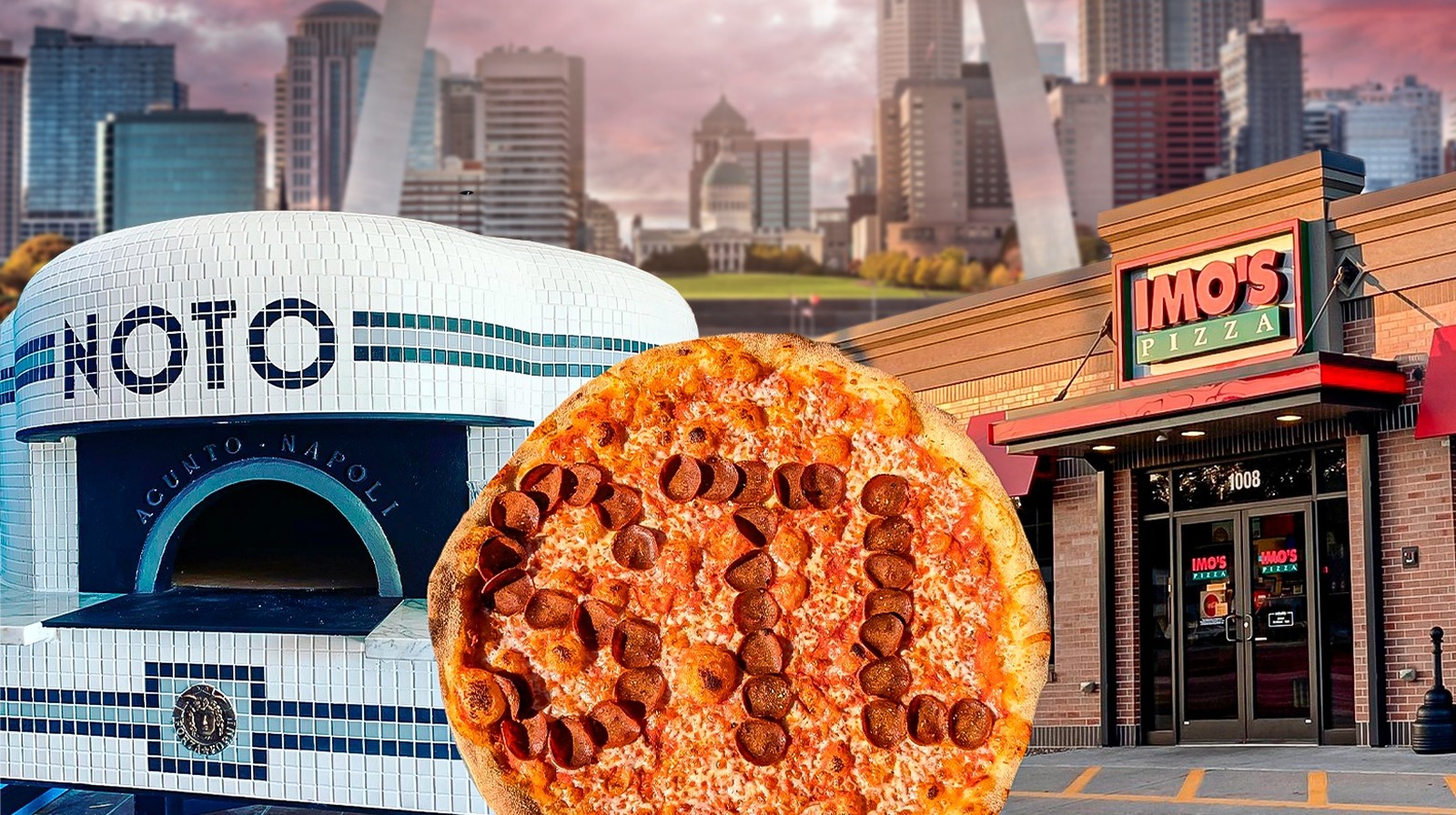
Finding the absolute best supreme pizza spots near you requires understanding what defines an exceptional loaded pizza, evaluating regional crust styles, and knowing how to source independent local pizzerias that excel at balancing heavy toppings without sacrificing structural integrity. Because the supreme pizza—traditionally loaded with pepperoni, sausage, bell peppers, onions, mushrooms, and black olives—presents unique culinary challenges regarding moisture control and even baking, identifying top-tier establishments means looking for pizzerias that master ingredient preparation and high-heat oven management.
Understanding the Supreme Pizza Profile
The supreme pizza, sometimes referred to as a "deluxe" or "everything" pizza, is a cornerstone of American pizzeria menus. To appreciate why certain spots stand out, you must examine how different components interact during the baking process. Unlike a minimalist Neapolitan margherita or a straightforward pepperoni slice, a supreme pie is structurally complex.
The primary challenge of a supreme pizza is moisture management. Bell peppers, mushrooms, and black olives release significant amounts of water as they cook. If a pizzeria uses low-quality ingredients or fails to prep them correctly, that moisture pools on top of the cheese, creating a soggy crust and unevenly cooked toppings. The best local pizzerias combat this by pre-cooking or properly draining vegetables, slicing meats thinly enough to render their fat efficiently, and utilizing high-temperature deck ovens or wood-fired brick ovens that quickly crisp the crust while evaporating excess surface liquid.
Furthermore, the sauce-to-cheese-to-topping ratio must be precisely calibrated. Too much sauce combined with the natural juices of the vegetables results in structural failure when you lift a slice. Top-tier spots use a concentrated, well-reduced tomato sauce that provides a bright, acidic counterweight to the rich, fatty profile of the pepperoni and Italian sausage.
Key Criteria for Evaluating Local Supreme Pizza Spots
When conducting a search for the best supreme pizza spots near you, evaluating establishments based on objective culinary and operational standards helps filter out mediocre chain restaurants and highlight exceptional independent artisans.
Crust Integrity and Fermentation
The foundation of any great pizza is the dough. Look for pizzerias that practice long cold-fermentation, typically ranging from 24 to 72 hours. Cold fermentation develops complex flavor profiles in the crust and breaks down complex sugars, making the pizza easier to digest while creating a crispy exterior and a chewy, airy interior structure (cornicione). For a heavy pie like a supreme, the crust must possess enough tensile strength to support the weight of multiple meat and vegetable toppings without folding limply under the load.
Sourcing and Quality of Meats
A supreme pizza relies heavily on cured and fresh meats. Exceptional pizzerias source high-grade pepperoni that cups and chars slightly at the edges, releasing flavorful oils into the surrounding cheese. The Italian sausage should feature a balanced blend of fennel, garlic, and black pepper, and it should be pinched by hand into irregular chunks rather than applied as a uniform, processed ground meat layer.
Vegetable Preparation
The vegetables on a supreme pizza must retain a distinct texture rather than turning into mush. The best spots slice onions and bell peppers uniformly so they caramelize and soften without burning, while mushrooms are often sautéed beforehand or sliced thinly enough to release moisture early in the baking cycle. Black olives should be high quality—cured or brined properly—rather than metallic-tasting canned varieties.
| Evaluation Metric | What to Look For | What to Avoid |
|---|---|---|
| Dough & Fermentation | 24+ hour cold-fermented dough, charred bubbles on the crust edge, strong structural integrity. | Premade commercial dough balls, pale crusts, dense and rubbery texture. |
| Meat Quality | Hand-pinch sausage, naturally cupping pepperoni, balanced fat rendering. | Pre-cooked gray meat crumbles, excessively greasy low-grade pepperoni. |
| Vegetable Prep | Uniform cuts, managed moisture levels, caramelized onions and peppers. | Water-logged toppings, soggy center crust, canned low-grade mushrooms and olives. |
| Bake Method | 500°F+ deck ovens, wood-fired brick ovens, or authentic cast-iron pans (for Detroit/Sicilian styles). | Low-temp conveyor belt ovens that steam rather than roast toppings. |
How to Locate and Verify the Top Spots in Your Area
Finding the best supreme pizza spots near you involves a combination of digital discovery, localized verification, and understanding neighborhood culinary landscapes.
Leveraging Local Food Networks and Independent Directories
Rather than relying solely on generalized search engine results that often favor high-advertising national chains, look to dedicated regional food publications, local subreddit communities (such as r/pizza or city-specific food threads), and independent culinary critics. Review platforms like Yelp or Google Maps can be useful, but you must look past star ratings to read specific customer reviews mentioning crust crispness, topping distribution, and consistency.
Inspecting Menu Transparency and Customization Options
The best pizzerias are transparent about their ingredients. Check their websites or social media pages to see if they highlight local farms, house-made sausage, or imported Italian flours (such as Caputo 00). Furthermore, premium spots often allow customization without penalty—such as swapping black olives for Kalamata olives or requesting well-done crusts to handle the extra weight of a supreme pie.
Comparing Regional Pizza Styles for Supreme Pies
The supreme pizza adapts differently depending on the regional pizza style of the establishment. Understanding these styles helps you choose the right spot based on your texture and flavor preferences.
New York Style Supreme
Characterized by a large, foldable slice with a crisp yet pliable crust. A New York-style supreme is typically baked in a gas or electric deck oven at high temperatures. The toppings are distributed evenly across a layer of low-moisture mozzarella and tomato sauce. This style is ideal if you prefer a balanced ratio of bread, cheese, and toppings where you can fold the slice easily.
Chicago Thin Crust (Tavern Style)
Often overlooked in favor of deep dish, Chicago tavern-style pizza features a cracker-thin, ultra-crisp crust cut into squares (party cut). Because the crust is so thin, making a supreme style requires finely diced vegetables and thinly sliced meats so the crust can bake through completely without becoming soggy. This style offers the highest crunch-to-topping ratio.
Detroit-Style Supreme
Baked in blue steel rectangular pans, Detroit-style pizza features a thick, airy focaccia-like crust with a caramelized brick cheese edge (frico). When loaded with supreme toppings—often placed under the sauce or layered strategically—the deep pan allows the crust to fry in its own fat and cheese oils, creating a deeply savory, substantial pie that easily supports heavy ingredients.
- Customer Search
- Filter by Independent Pizzerias & Oven Type
- Deck Oven (New York / Artisan Style) -> Focus on Foldability & Crisp Edge
- Brick Oven (Neapolitan / Wood-Fired) -> Focus on Char & Quick Bake
- Steel Pan (Detroit / Sicilian Style) -> Focus on Frico Edge & Structural Depth
- Evaluate Topping Prep & Moisture Control -> Select Final Destination
Common Mistakes to Avoid When Ordering a Supreme Pizza
Ordering or baking a supreme pizza comes with specific pitfalls that can ruin the experience. Being aware of these helps you troubleshoot why a previous local spot might have disappointed you.
- Overloading the Center: A common mistake made by inexperienced pizzerias is piling all the toppings in the dead center of the pie. This creates a thermal barrier that prevents the dough underneath from cooking, resulting in raw, gummy dough in the middle.
- Ignoring Moisture Content: Failing to dry or pre-cook vegetables leads to a soup-like pool of water on top of the melted cheese.
- Choosing the Wrong Crust Thickness: Ordering a delicate, thin-crust Neapolitan style with an excessive amount of heavy supreme toppings will inevitably lead to structural collapse. Match your crust style to the weight of your toppings.
- Reheating Improperly: If you have leftovers, do not microwave a supreme pizza, as the trapped moisture in the vegetables will turn the crust rubbery. Always reheat slices in a dry skillet over medium heat or in a toaster oven to restore crust crispness.
Frequently Asked Questions About Supreme Pizzas
What are the traditional toppings on a supreme pizza?
A traditional supreme pizza includes pepperoni, Italian sausage, bell peppers, onions, mushrooms, and black olives. However, regional variations frequently substitute green peppers for banana peppers or add garlic and extra cheese.
Why is my supreme pizza soggy in the middle?
Sogginess is caused by excess moisture released by vegetables (like mushrooms and bell peppers) during baking, combined with heavy sauce and cheese. High-heat ovens and properly drained toppings prevent this issue.
Can I get a supreme pizza with a gluten-free crust?
Many independent pizzerias offer gluten-free crusts, but because gluten-free dough lacks structural elasticity, a heavily loaded supreme pizza may require a thinner topping distribution to prevent the crust from breaking apart.
How do I know if a local pizzeria uses fresh ingredients?
Check their menu for descriptors like "house-made sausage," "locally sourced mushrooms," or specific mention of flour and tomato origins. Pizzerias proud of their sourcing will prominently display this information.
Conclusion and Next Actions
Finding the 5 best supreme pizza spots near you requires looking beyond major commercial chains and focusing on local artisan pizzerias that prioritize long-fermented dough, high-temperature ovens, and careful moisture management for their vegetable and meat toppings. Start by mapping out independent pizzerias within a 5-to-10-mile radius, review their menu descriptions for ingredient quality, and test their crust integrity by ordering a classic supreme pie well-done to experience the ideal balance of crunch, savory meat, and fresh vegetables.