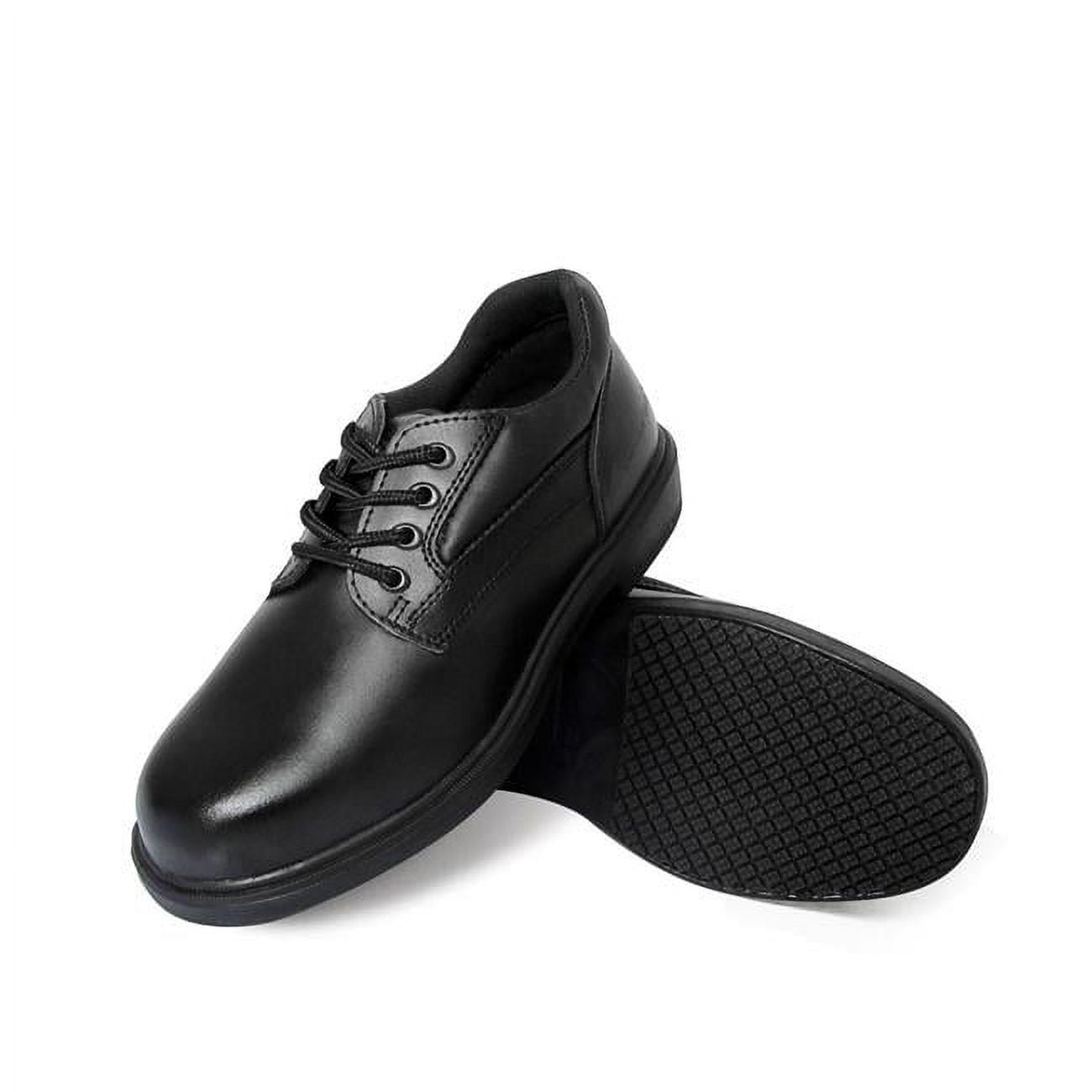
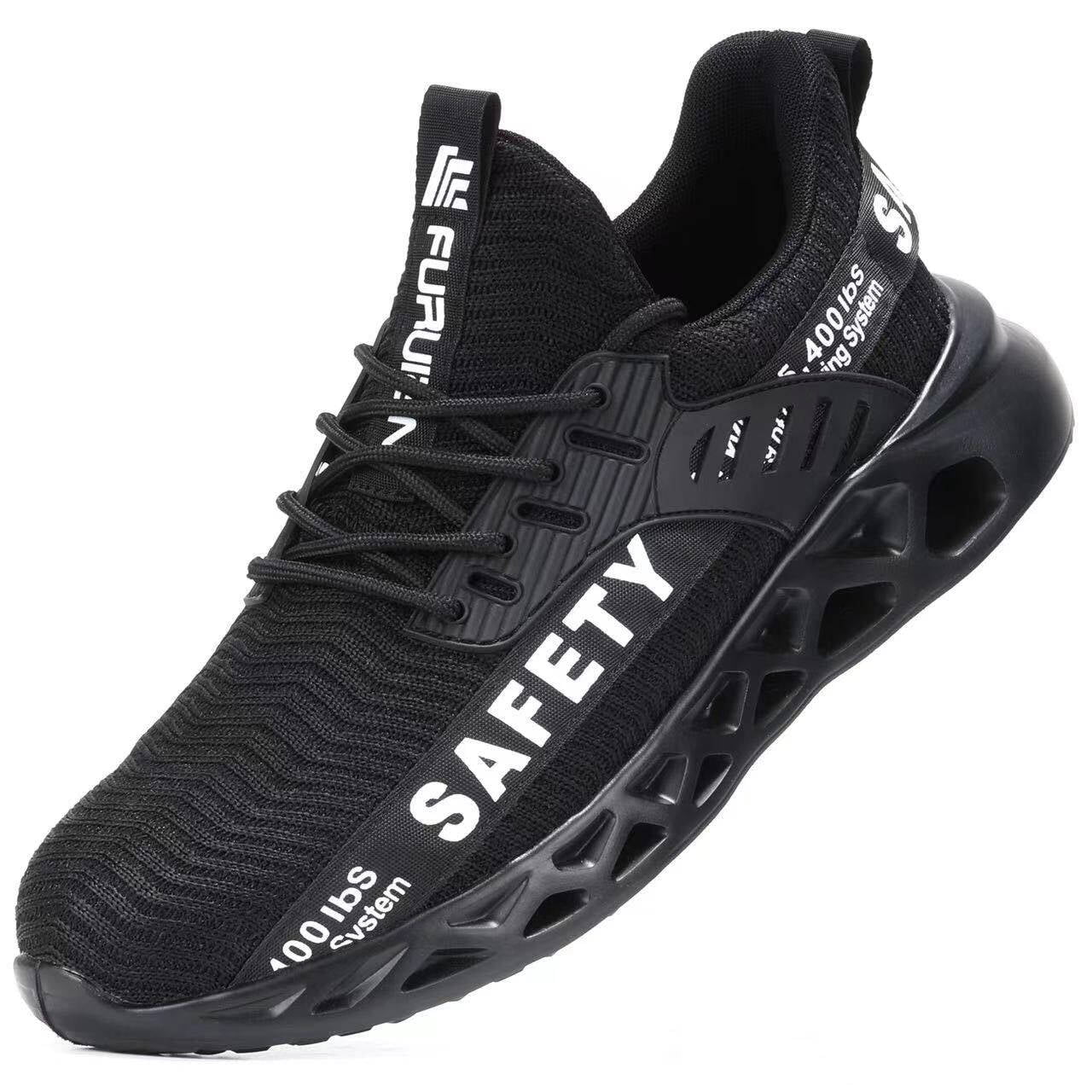
Finding the right mechanic work shoes requires balancing industrial safety certifications, slip-resistance on fluid-slick shop floors, and cushioning capable of supporting long hours of standing on concrete. Auto technicians, diesel mechanics, and industrial maintenance professionals face unique workplace hazards, including heavy rolling tools, sharp metal debris, exposed electrical circuits, and persistent pools of motor oil, transmission fluid, and coolant. Selecting footwear that addresses these specific demands prevents chronic fatigue, reduces musculoskeletal strain, and protects against severe workplace injuries.
The Demanding Environment of the Automotive Shop
Working in an automotive repair facility or industrial garage places extreme stress on footwear. Unlike desk environments or even general construction sites, a mechanic shop floor presents a complex matrix of chemical, mechanical, and ergonomic challenges. Understanding these elements is essential for evaluating why standard athletic sneakers or generic work boots fail in professional mechanic environments.
Physical and Chemical Hazards
Shop floors are routinely contaminated by automotive fluids. Motor oil, hydraulic fluid, brake fluid, and gasoline create slick surfaces where standard rubber outsoles lose traction entirely. Furthermore, mechanics frequently lift heavy components like brake rotors, transmissions, and suspension assemblies, creating a constant risk of foot crush injuries if an item slips. Additionally, dropped hand tools, pneumatic impacts, and sharp sheet metal edges present puncture and impact hazards that require rigid toe and underfoot protection.
Ergonomic Realities
Mechanics spend hours on their feet, moving between hydraulic lifts, toolboxes, and workbench assemblies. Many shops feature unyielding concrete floors that lack shock absorption. Without adequate midsole cushioning, arch support, and ergonomic geometry, this constant impact transfers directly up through the ankles, knees, and lower back, leading to chronic occupational pain and premature fatigue. Therefore, the best mechanic work shoes must bridge the gap between heavy-duty industrial protection and athletic-grade comfort.
Core Safety Standards for Mechanic Footwear
When evaluating mechanic work shoes, safety ratings should serve as the primary filter. Footwear designed for professional shop environments typically adheres to established standards set by organizations like ASTM International (American Society for Testing and Materials).
Impact and Compression Ratings (ASTM F2413)
To protect against falling tools and heavy automotive parts, work shoes must feature protective toe caps meeting ASTM F2413 standards.
- Steel Toe Caps: The traditional choice, offering maximum protection against heavy impacts in a thin profile, though they can conduct cold temperatures and add weight.
- Composite Toe Caps: Made from carbon fiber, fiberglass, or kevlar, these are non-metallic, lightweight, and do not conduct heat or cold, making them ideal for temperature-variable shops.
- Alloy Toe Caps: Constructed from lightweight titanium or aluminum, providing the strength of steel with significantly reduced weight.
Slip-Resistance Certification
Slip resistance is vital in a garage. Look for shoes certified under standards such as Mark II or ASTM F3445 for slip resistance. Outsoles should feature specialized rubber compounds and siping—small slits in the tread designed to channel liquids away from the point of contact, ensuring maximum grip on oily or wet concrete.
Electrical Hazard (EH) Protection
Automotive shops involve heavy electrical systems, hybrid/electric vehicle batteries, and high-voltage diagnostic equipment. Footwear with ASTM-rated Electrical Hazard protection provides a secondary source of defense against accidental contact with live electrical circuits, wires, or charged components.
Evaluating the Top 5 Mechanic Work Shoes
The following footwear options are evaluated based on their verified safety features, midsole comfort technologies, outsole traction, and real-world durability in automotive repair environments.
1. Reebok Work Men's Sublite Cushion Work RB4041
The Reebok Work Sublite Cushion Work series bridges the gap between athletic agility and workplace safety. Designed for technicians who move rapidly around the shop, this model minimizes foot fatigue through lightweight construction.
- Safety Features: Features a composite toe cap meeting ASTM F2413 standards and Electrical Hazard protection. The low-profile design does not sacrifice safety for weight.
- Comfort and Support: Utilizes a Sublite EVA cushion midsole that provides responsive shock absorption. The MemoryTech Massage 2.0 footbed adapts to the contours of the foot, reducing pressure points during long standing shifts.
- Traction: The outsole uses full-foot rubber slip-resistant pads that maintain reliable grip on slick, fluid-contaminated garage floors.
- Best Suited For: Lighter-duty service technicians, diagnostic specialists, and service advisors who prioritize flexibility and athletic comfort.
2. Timberland PRO Men's Powertrain Sport Alloy Toe EH
Timberland PRO is a recognized leader in industrial safety, and the Powertrain Sport series brings industrial-grade protection to a streamlined, athletic silhouette.
- Safety Features: Equipped with lightweight alloy safety toes shaped on TiTAN last for generous fit, combined with ASTM-rated Electrical Hazard protection.
- Comfort and Support: Features Anti-Fatigue Technology polyurethane footbeds that absorb shock and return energy to the foot with every step. Mesh linings with antimicrobial treatment manage moisture and odor during hot summer shifts.
- Traction: The Outlast-treated dual-density polyurethane outsole offers superior slip, oil, and abrasion resistance, standing up well to harsh shop chemicals.
- Best Suited For: Heavy line mechanics and general service technicians who need robust protection without the weight and stiffness of traditional heavy boots.
3. Carhartt Men's Pittsburgh 4-Inch Waterproof Soft Toe Work Shoe
For mechanics working in environments where exposure to water, coolant, and harsh cleaning solvents is constant, Carhartt’s Pittsburgh line provides dependable weatherproofing and durability.
- Safety Features: Built with a flexible, puncture-resistant textile plate (though available in safety toe variants) and Electrical Hazard protection. Note that soft-toe versions lack impact protection; buyers should select the safety-toe variant for heavy shop use.
- Comfort and Support: Features an OrthoLite insole paired with an EVA midsole for targeted cushioning. The FastDry lining wicks away sweat to keep feet dry throughout the workday.
- Traction: Dual-density rubber outsole provides exceptional slip, oil, and heat resistance, maintaining traction on uneven or debris-strewn floors.
- Best Suited For: Technicians working in heavy truck, fleet maintenance, or wash-bay adjacent areas where moisture management is critical.
4. Skechers Work Men's Flex Advantage-Bend On Slip Resistant Shoe
Skechers delivers an accessible, highly cushioned option for technicians seeking reliable daily performance without an aggressive break-in period.
- Safety Features: Features an electrical hazard safe design and a specialized slip-resistant rubber outsole tested to ASTM standards against oily and wet surfaces. (Note: Many variants in this line are soft-toe; verify specific models if composite or steel toes are mandatory).
- Comfort and Support: Outfitted with a Memory Foam topped cushioned comfort insole and a lightweight, flexible shock-absorbing midsole. The relaxed fit design provides extra room at the toe and forefoot.
- Traction: Specially engineered traction outsoles designed specifically to counteract common shop slickness caused by spilled lubricants.
- Best Suited For: Quick-lube technicians, detailers, and shop managers who walk extensive distances daily and require maximum immediate cushioning.
5. Keen Utility Men's Atlanta Cool Steel Toe Work Shoe
Keen Utility is renowned for combining anatomical foot shapes with robust industrial protection. The Atlanta Cool model is specifically engineered for hot shop environments where breathability is a primary concern.
- Safety Features: Asymmetrical steel toes offering dependable impact protection, coupled with Electrical Hazard rated construction.
- Comfort and Support: Features a breathable mesh upper that maximizes airflow, keeping feet cool in non-climate-controlled shops. The metatomical footbed design is internally engineered to provide excellent arch support and cradle the natural contours of the foot.
- Traction: Non-marking, oil- and slip-resistant rubber outsoles with contoured siping that channels away fluids for secure footing.
- Best Suited For: Mechanics working in unconditioned, high-temperature garages who require heavy-duty steel toe protection and superior breathability.
Comparison Matrix
To assist in selecting the optimal work shoe for your specific shop conditions, use the following comparative breakdown of key specifications:
| Model | Toe Protection | Upper Material | Primary Comfort Technology | Best Environmental Fit |
|---|---|---|---|---|
| Reebok Sublite RB4041 | Composite Toe | Mesh / Synthetic | MemoryTech Massage / EVA Midsole | Fast-paced diagnostic and service work |
| Timberland PRO Powertrain | Alloy Toe | Premium Synthetic / Mesh | Anti-Fatigue Technology | General automotive repair and heavy lifts |
| Carhartt Pittsburgh | Available Safety Toe | Waterproof Leather / Textile | OrthoLite Insole / FastDry Lining | Fluid-heavy, wet, or demanding fleet shops |
| Skechers Flex Advantage | Soft/Select Safety | Mesh / Synthetic | Memory Foam / Relaxed Fit | High-mileage walking and shop management |
| Keen Utility Atlanta Cool | Steel Toe | Mesh / Leather | Metatomical Footbed / High Airflow | Hot garages requiring high breathability |
Practical Maintenance and Replacement Guidelines
Investing in high-quality mechanic work shoes is only the first step. Proper care extends the lifespan of the footwear and ensures that safety features remain uncompromised.
Chemical Cleaning and Care
Automotive fluids rapidly degrade adhesives and natural leathers. Wipe down your work shoes regularly with a damp cloth and mild soap to remove accumulated oil, grease, and battery acid residue. Avoid leaving shoes in direct sunlight or extreme heat (such as trunk interiors during summer), as excessive heat can warp composite materials and degrade midsole foams.
When to Replace Your Work Shoes
Even the most durable work shoes experience structural breakdown over time. You should replace your mechanic work shoes immediately if:
- The protective toe cap has sustained a heavy impact or compression event.
- The outsole tread is worn smooth, compromising slip resistance on oily floors.
- The midsole cushioning has compressed permanently, resulting in foot or lower back fatigue by the end of a shift.
- The upper materials or stitching have torn, exposing the foot to chemical splashes or sharp debris.
Frequently Asked Questions
Are steel toes or composite toes better for mechanics?
Composite toes are generally preferred by mechanics who work in cold environments or pass through metal detectors, as they do not conduct temperature or trigger security checkpoints. Steel toes offer a lower profile for the same impact rating, making them ideal for tight engine bays where clearance matters.
Do mechanics need waterproof work shoes?
While not mandatory for every shop, waterproof or water-resistant shoes are highly beneficial for mechanics working on undercarriage repairs, fluid flushes, or in shops prone to standing water and coolant spills. Waterproof membranes also prevent harsh chemical solvents from soaking through to the skin.
How often should a professional mechanic replace work shoes?
For daily professional use, work shoes typically maintain their structural integrity and safety standards for 6 to 12 months. Heavy wear, exposure to petroleum products, and high step counts may necessitate replacement sooner to maintain adequate arch support and slip resistance.
Can I wear running shoes or regular athletic sneakers in an auto shop?
Standard running shoes lack protective toe caps, slip-resistant outsoles designed for oily concrete, and puncture-resistant midsoles. Furthermore, mesh athletic uppers easily absorb spilled fluids like gasoline and oil, creating both a skin hazard and a fire risk. Professional shop environments require certified safety footwear.
What makes a shoe truly "slip-resistant" on oil?
True slip-resistant shoes feature specialized rubber compounds and geometric tread patterns (siping) engineered to break through liquid surface tension and make direct contact with the floor. Look for shoes tested specifically against oil and soapy water under ASTM standards rather than generic rubber-soled sneakers.
Conclusion and Next Actions
Selecting the best mechanic work shoes requires balancing certified safety ratings against the realities of long hours on concrete floors and slippery, fluid-slick shop surfaces. Assess your daily working conditions—whether you need high breathability for hot garages, waterproof protection for fluid-heavy bays, or athletic agility for rapid diagnostics—and choose a model with verified ASTM-rated toe and slip-resistance protection. Prioritize replacing worn footwear annually to protect your joints and maintain secure footing throughout your career.