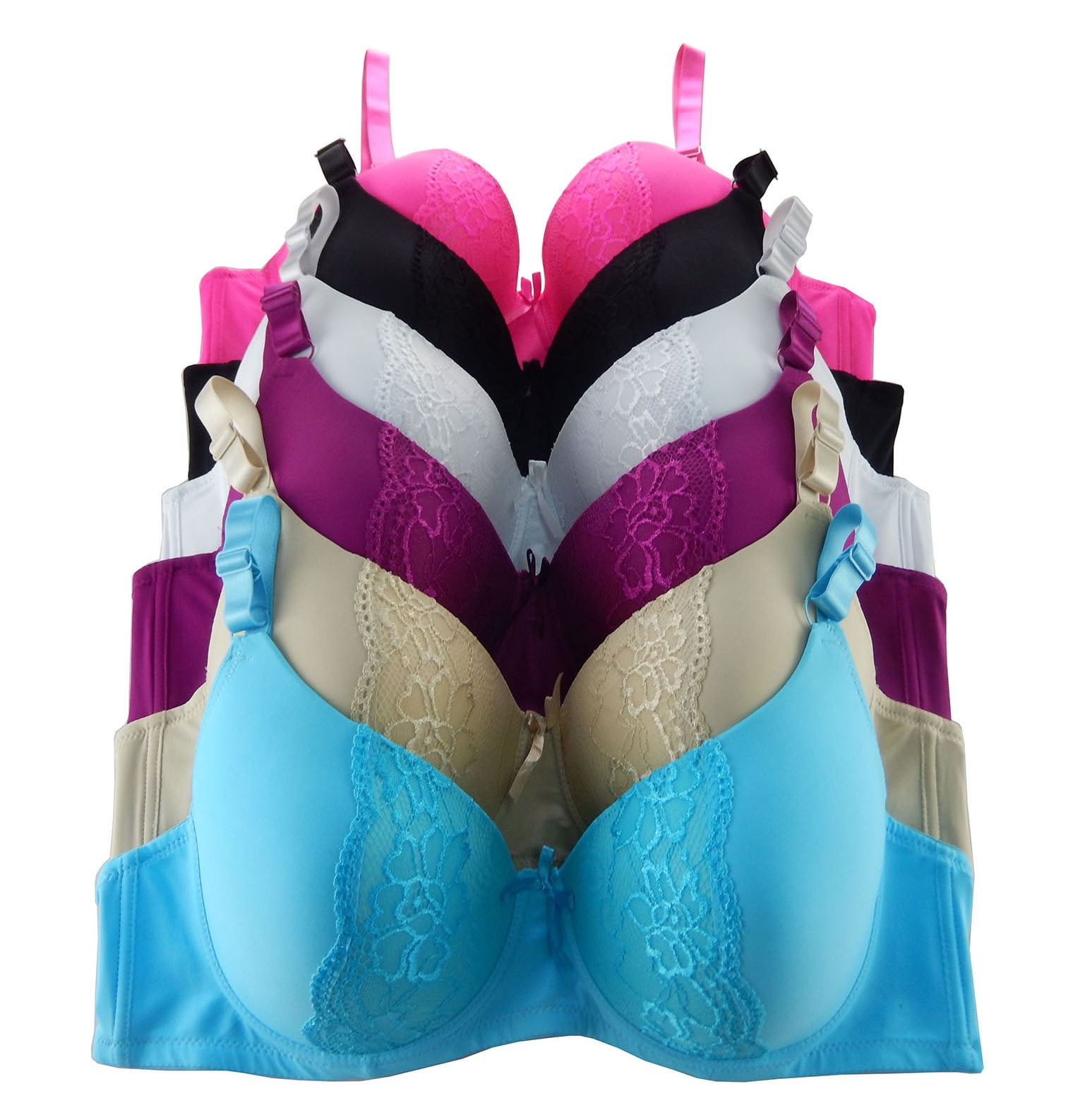
A 42DD bra size indicates a 42-inch ribcage band measurement combined with a bust measurement that is approximately 5 inches larger, representing a full-bust category that requires targeted support structures, proper band tension, and well-designed cup engineering to ensure daily comfort and structural integrity.
Finding the correct undergarment size is an essential aspect of personal comfort, posture support, and clothing fit. For individuals wearing a 42DD bra size, the search for supportive, well-fitting garments often involves understanding how band measurements, cup volumes, and structural engineering intersect. Because sizing systems vary across global manufacturers and brands, navigating this category requires a foundational understanding of bra anatomy, measurement techniques, and the specific design features that separate a standard garment from an exceptional, supportive fit. This overview explores the mechanics of the 42DD size, practical fitting methods, structural considerations, and common misconceptions.
Understanding the Anatomy of a 42DD Bra Size
To comprehend what a 42DD bra size represents, it is necessary to break down the two primary components: the band number and the cup letter. In standard sizing systems, the number 42 refers to the band length, which corresponds to a snug measurement taken directly around the ribcage, immediately underneath the bust. The letters "DD" denote the cup volume, which is calculated by measuring the fullest part of the bust and finding the difference between that bust measurement and the band measurement.
In traditional sizing logic, a DD cup indicates a five-inch difference between the ribcage band measurement and the bust measurement. Therefore, a 42DD bra is engineered for an individual with a 42-inch ribcage and an approximate 47-inch bust measurement. However, standard sizing is rarely universal. Variations in manufacturing practices, fabric elasticity, and historical grading standards mean that a 42DD from one brand may fit differently than one from another.
Furthermore, the concept of sister sizing plays a critical role in finding an ideal fit. A sister size shares the same cup volume as a target size but adjusts the band and cup proportions. For a 42DD, the logical sister sizes are 40DDD (or 40E in UK sizing) for a firmer band or 44D for a looser band. Understanding these relationships helps wearers troubleshoot discomfort without abandoning the general volume category.
The Importance of Professional Fitting and Accurate Measurements
Many individuals wear incorrect bra sizes due to outdated self-measurement methods or shifts in body composition over time. Relying on the traditional "plus-four" method—adding four or five inches to an underbust measurement—frequently leads to purchasing bands that are too loose and cups that are too small. For a 42DD, a loose band fails to provide adequate weight distribution, placing the burden entirely on the shoulder straps and causing them to dig into the skin.
Steps for Determining Your True Size
- Measure the Underbust: Stand straight without a bra and wrap a flexible measuring tape snugly and horizontally around your ribcage directly beneath your bust. Round this number to the nearest even whole inch to find your band size (e.g., 42 inches).
- Measure the Bust: Wrap the tape around the fullest part of the bust, typically across the center of the nipples, ensuring the tape remains parallel to the floor and is not pulled too tight.
- Calculate the Difference: Subtract the band measurement from the bust measurement. Each inch of difference corresponds to a standard cup size (1 inch = A, 2 inches = B, 3 inches = C, 4 inches = D, 5 inches = DD/E).
- Evaluate the Fit: Try on a garment matching these calculations, assessing whether the band stays horizontal, the center gore tacks flat against the sternum, and the breast tissue is fully enclosed within the cups without spilling over.
Structural Features Required for Full-Bust Support
A 42DD bra size falls into the full-bust and plus-size categories, meaning the garment must be engineered to manage weight and movement effectively. Standard bralettes or lightweight fashion pieces often lack the structural integrity required to support a 42DD frame comfortably throughout a full day.
Key Structural Components
- Wider Bands: A supportive 42-inch band should feature multiple hooks and eyes (typically three to four rows) to distribute tension evenly across the back and anchor the garment securely to the torso.
- Reinforced Straps: Wider, cushioned straps prevent shoulder strain and digging. In a well-fitted bra, the band should provide approximately 80% of the support, while the straps provide the remaining 20% to shape and position the cups.
- Encapsulation vs. Compression: Full-support bras generally use encapsulation—separating and supporting each breast individually—rather than compression, which can cause flattening, discomfort, and chafing.
- Underwire Construction: If underwires are present, they should encase the entire breast root without resting on sensitive breast tissue or digging into the ribcage. Modern full-bust underwires are often constructed with heavier-gauge steel or flexible polymer channels to maintain shape under increased load.
| Feature Component | Function in a 42DD Bra | What to Look For |
|---|---|---|
| Band Width & Hooks | Anchors the bra and provides primary weight support. | 3 to 4 column hook-and-eye closure with firm, high-elastane fabric. |
| Strap Construction | Maintains cup positioning and prevents sliding. | Reinforced, non-stretch or semi-stretch straps with a width of at least 3/4 inch. |
| Center Gore | Separates the cups and anchors the front of the band. | A rigid or semi-rigid center piece that lies completely flat against the sternum. |
| Cup Seaming | Provides shaping and structural strength for heavier volumes. | Multi-part seamed cups (such as three-part cups) rather than molded foam for superior lift. |
Common Fit Issues and Troubleshooting
Even when wearing the correct calculated size, wearers of a 42DD bra often encounter specific fit challenges. Recognizing these issues helps in selecting alternative styles or adjusting wear habits.
Band Riding Up the Back
If the back band rides up toward the shoulder blades, the band is likely too large, or the straps have been tightened too much to compensate for a lack of under-bust support. Moving down to a sister size with a firmer band (such as a 40DDD) or trying a brand with tighter elastic retention often resolves this problem.
Quadra-Boob or Spillage
When breast tissue spills over the top or sides of the cup, the cup volume is too small, even if the band size is correct. This is a common indication that the wearer needs to move up a cup letter while keeping the band the same, transitioning from a 42DD to a 42DDD or 42G depending on the brand's sizing scale.
Underwire Digging or Pinching
If the underwire pokes into the armpits or the center sternum, the cup is either too small or the wire shape does not match the wearer's natural breast root shape. Switching from a plunge style to a full-coverage balconette or full-cup bra often provides a wider wire radius that accommodates the body more comfortably.
Material Selection and Daily Maintenance
The longevity and performance of a 42DD bra depend heavily on the textiles used in its construction and how the garment is maintained. Because larger band and cup sizes experience higher structural tension, fabric breakdown can occur faster if proper care guidelines are ignored.
Fabrics rich in high-grade elastane or spandex provide the necessary stretch and recovery for a snug band, while power-net mesh panels in the wings add breathable support. Cotton linings are frequently preferred for daily wear due to their breathability and moisture-wicking properties, whereas synthetic blends offer smoother lines under clothing and enhanced durability.
To preserve elastic tension and wire shape, hand washing in cool water with a mild detergent is the gold standard for full-bust undergarments. If machine washing is necessary, placing the bra inside a structured mesh laundry bag and using a delicate cycle prevents the straps from tangling and protects the underwires from bending or puncturing the fabric casing. Line drying or laying flat to dry is strongly recommended, as the heat from a standard clothes dryer degrades elastane fibers rapidly.
Frequently Asked Questions
Is a 42DD considered a plus-size bra size?
Yes, a 42DD generally falls within the plus-size and full-bust categories. The 42-inch band measurement corresponds to mid-to-upper range band sizes, while the DD cup indicates a fuller breast volume. Many specialty brands design these sizes with reinforced construction to accommodate greater physical support needs.
How do US and UK bra sizing standards differ for a 42DD?
US and UK sizing systems are generally identical up to a DD cup. However, beyond DD, UK brands often introduce E, EE, or F cups, whereas US brands frequently use DDD (or F) and G designations. When purchasing from international manufacturers, it is essential to consult the brand's specific size conversion chart to ensure accurate cup volume selection.
Can I wear a sports bra in a 42DD size for high-impact activities?
Yes, but standard fashion bralettes or low-support lounge bras are generally inadequate for high-impact movement at this size. Look for high-impact encapsulation sports bras or combination encapsulation-compression sports bras featuring wide, adjustable straps and robust back closures to minimize movement and prevent discomfort during exercise.
Why do my bra straps keep slipping off my shoulders?
Strap slippage is frequently caused by sloping shoulders combined with a band that is too loose. When the band is loose, it shifts throughout the day, pulling the straps outward. Ensuring your band is snug enough to stay horizontal will often resolve strap positioning issues, alongside choosing styles with closely set strap attachments in the back.
How often should a 42DD bra be replaced?
Undergarments typically undergo significant mechanical stress, particularly in full-bust categories. With regular rotation and proper hand-washing care, a well-constructed bra maintains its optimal elasticity and structural support for approximately 6 to 12 months. Signs that replacement is needed include a stretched-out band that must be fastened on the tightest hook immediately upon purchase, warped underwires, or persistent fabric sagging.
Practical Next Steps for Finding Your Fit
Finding the optimal 42DD bra begins with accurate self-measurement or seeking a professional fitting at a specialty boutique. Assess your current wardrobe to identify which styles provide the best support, and prioritize multi-part seamed cups or wide-band designs if you experience back strain or shoulder digging. By understanding band mechanics, cup volumes, and proper garment care, you can select undergarments that deliver reliable support, enduring comfort, and a smooth silhouette.