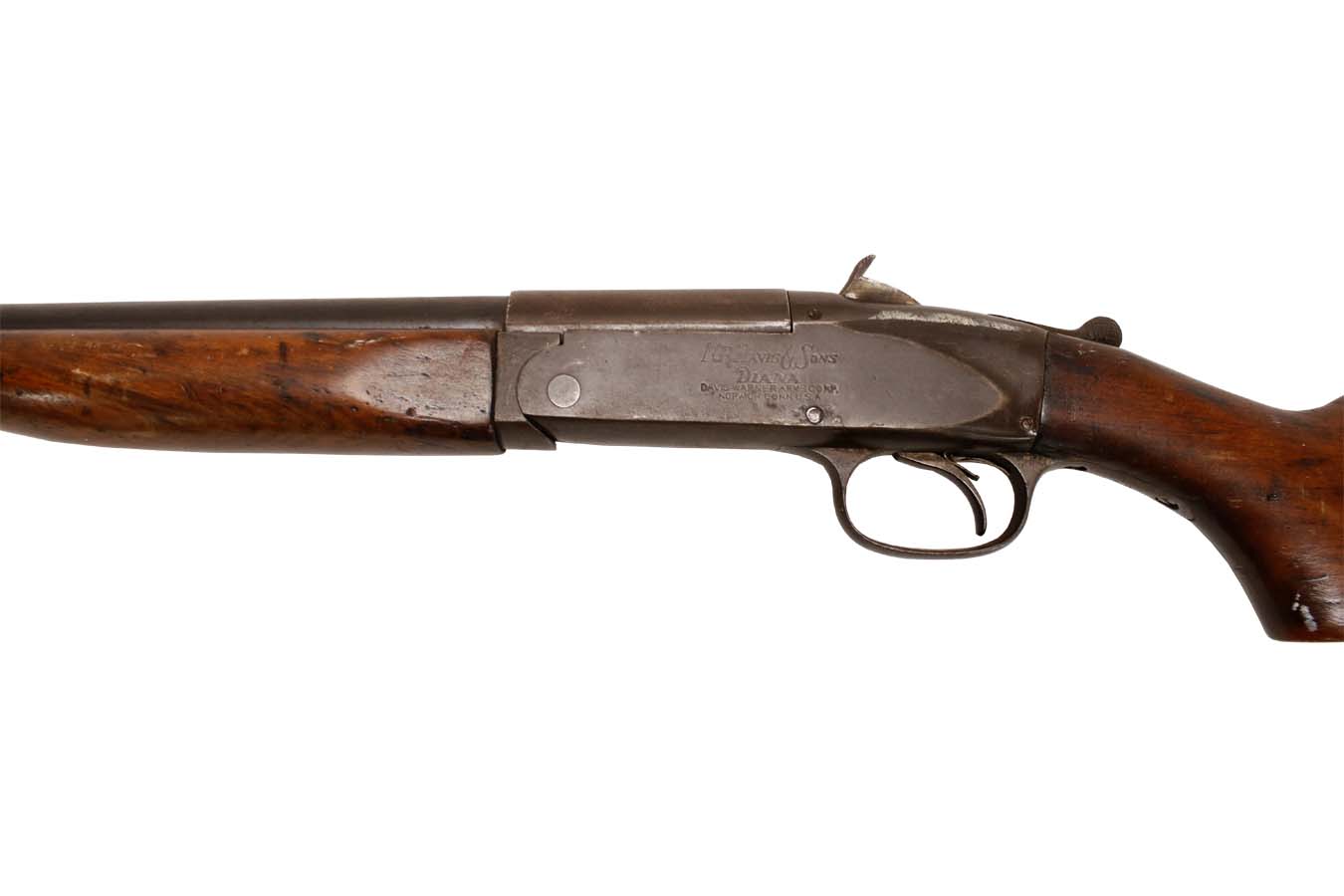
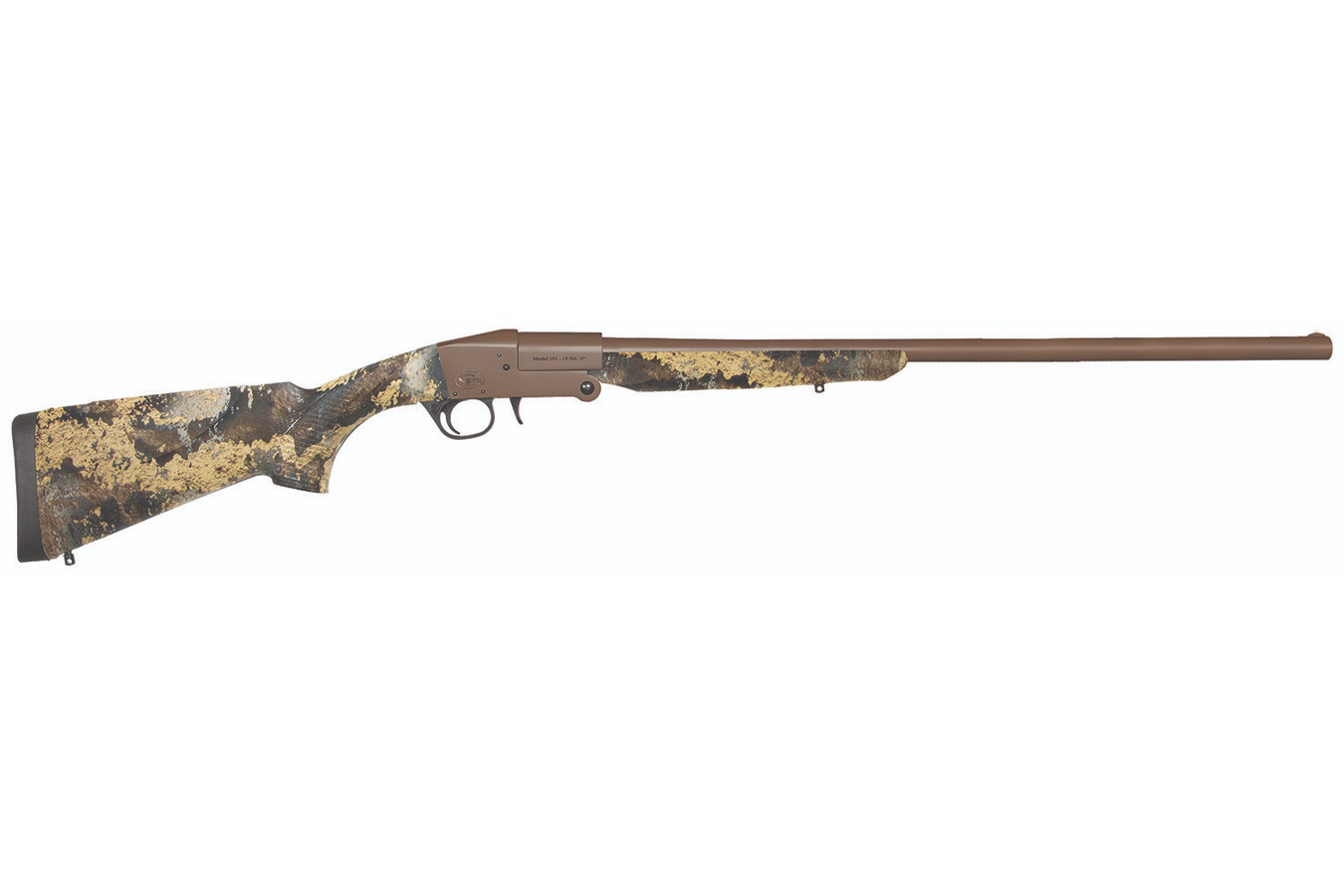
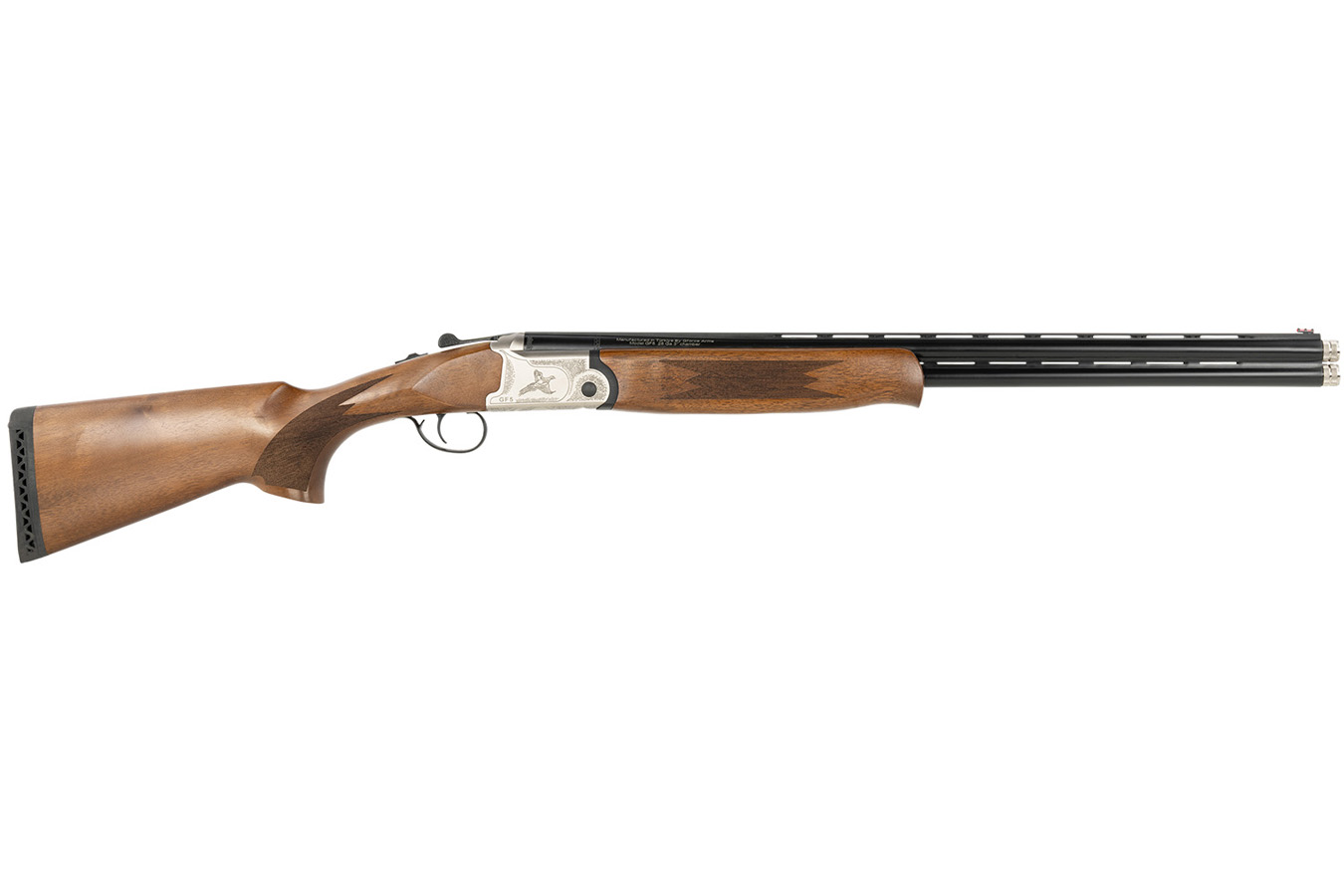
The .410 bore is the smallest commonly used shotgun shell, distinguished by its thin profile and exceptionally low recoil. Unlike other shotguns, it is measured by its actual caliber (.410 inches) rather than gauge. It is primarily used for small game hunting, pest control, clay sports, and specialized turkey hunting using modern high-density alloys.
The .410 bore occupies a unique niche in the world of firearms. Often misidentified as the "410 gauge," this diminutive shell is technically a caliber, representing the bore diameter of the shotgun in inches. Despite its small size, it remains a staple for hunters, sport shooters, and those seeking a manageable self-defense option in specific handgun platforms. In 2026, the .410 bore continues to see a resurgence in popularity, driven largely by advancements in non-toxic shot technology and the continued demand for lightweight, low-recoil firearms.
Understanding the .410 Bore: Caliber vs. Gauge
To understand the .410 bore, one must first address the terminology. Shotguns are traditionally measured by gauge, which is a calculation based on the weight of a lead ball. For example, a 12-gauge shotgun has a bore diameter equal to the diameter of a lead ball weighing 1/12th of a pound. If the .410 were to be measured by this same standard, it would be approximately a 67.5 gauge.
Because the .410 is measured by its actual bore diameter (.410 inches), it is technically a caliber. However, within the industry and among enthusiasts, it is grouped with "small gauge" shotguns (alongside the 28 gauge and 20 gauge). This distinction is important for technical accuracy: while you might hear someone refer to a "410 gauge," they are technically referring to the .410 bore.
Historically, the .410 bore emerged in the late 19th century as a "garden gun" or a small-game cartridge. It was designed for tasks where a 12 or 20 gauge would be excessive, such as dispatching pests in a barn or shooting small birds at close range. Over the decades, it evolved from a simple rimfire-style cartridge into the centerfire, plastic-hulled shell we use today.
Physical Specifications and Shell Variations
The .410 bore is available in several different configurations, primarily differentiated by shell length and payload. Standardized by the Sporting Arms and Ammunition Manufacturers' Institute (SAAMI), these shells must adhere to strict dimensional and pressure limits to ensure safety across various platforms.
Shell Lengths: 2.5-Inch vs. 3-Inch
There are two primary shell lengths for the .410 bore:
- 2.5-Inch Shells: These are the standard "short" shells. They typically carry a shot charge of 1/2 ounce. These are favored for clay target shooting (Skeet) and small upland birds where a high volume of fire and low recoil are desired.
- 3-Inch Shells: Often referred to as ".410 Magnum," these longer shells allow for a heavier payload, usually 11/16 ounce or 3/4 ounce of shot. The 3-inch shell is the preferred choice for hunting, as the increased pellet count provides a more dense pattern at slightly longer ranges.
It is critical to note that a shotgun must be specifically chambered for 3-inch shells to fire them safely. While a 3-inch chamber can safely fire 2.5-inch shells, the reverse is not true. Firing a 3-inch shell in a 2.5-inch chamber can cause the shell crimp to open into the forcing cone, obstructing the bore and creating dangerous pressure spikes.
Internal Ballistics and Pressure
Despite its small size, the .410 bore operates at significantly higher pressures than its larger cousins. While a standard 12-gauge shell might operate around 10,000 to 11,500 PSI, the .410 bore often reaches 12,500 to 13,500 PSI. This is necessary to propel the relatively light shot column to effective velocities (typically 1,100 to 1,300 feet per second).
Because the shot column in a .410 is very long and narrow, it suffers from a phenomenon known as "shot stringing." As the pellets travel down the barrel and through the air, the ones at the back of the column are often deformed by the pressure and heat, causing them to fly erratically. This results in a "longer" but "thinner" cloud of shot compared to the "shorter," "wider" cloud produced by a 12-gauge.
Types of .410 Bore Ammunition
The versatility of the .410 bore is reflected in the wide variety of loads available in 2026. While birdshot remains the most common, specialty loads have expanded the platform's utility.
Birdshot and Target Loads
Birdshot is the bread and butter of the .410. Standard lead shot sizes range from #9 (small, for skeet) to #4 (larger, for squirrels or rabbits).
- Target Loads: Usually 2.5-inch shells with #9 or #8.5 shot. These are designed for consistency and low recoil on the skeet field.
- Game Loads: Usually 3-inch shells with #6 or #7.5 shot. These are optimized for maximizing the number of pellets that reach a small animal at 20–25 yards.
The TSS Revolution (Tungsten Super Shot)
One of the most significant developments in the last decade for the .410 bore is the adoption of Tungsten Super Shot (TSS). Tungsten has a density of 18 g/cc, which is nearly 60% denser than lead (11.34 g/cc). This allows a tiny #9 TSS pellet to carry the same kinetic energy and penetration as a much larger #5 lead pellet.
With TSS, the .410 bore has become a legitimate 40-yard turkey hunting tool. By using extremely dense shot, hunters can achieve patterns that were previously only possible with a 20 or 12 gauge, all while carrying a much lighter firearm.
Buckshot and Defensive Loads
The popularity of .410-bore handguns, such as the Taurus Judge and Smith & Wesson Governor, has led to a surge in specialized defensive ammunition.
- 000 Buckshot: A typical 2.5-inch defensive shell contains three or four "000" (triple-ought) buckshot pellets. Each pellet is roughly .36 inches in diameter.
- Mixed Loads: Some manufacturers produce shells containing a mix of buckshot and smaller "BB" shot or specialized "disks" designed to maximize terminal effect at extremely close range.
Slugs
.410 slugs are solid lead projectiles used for hunting larger pests or deer in specific jurisdictions (where legal). A standard .410 slug weighs roughly 1/4 ounce to 1/5 ounce (87 to 109 grains). While they provide high accuracy at close range, they lack the massive energy of larger shotgun slugs, making them a niche choice for medium game.
Comparison of Small Gauge Shotgun Shells
When choosing a small-bore shotgun, it is helpful to see how the .410 compares to the next steps up in size.
| Specification | .410 Bore (3") | 28 Gauge (2.75") | 20 Gauge (2.75") |
|---|---|---|---|
| Bore Diameter | .410" | .550" | .615" |
| Typical Payload | 11/16 oz | 3/4 oz to 7/8 oz | 7/8 oz to 1 oz |
| Average Pressure | 13,500 PSI | 12,500 PSI | 12,000 PSI |
| Effective Range | 20–30 yards (Lead) | 30–35 yards | 35–40 yards |
| Primary Use | Small Game / Skeet | Upland Birds / Sport | All-Purpose |
| Recoil Level | Negligible | Very Low | Low to Moderate |
Practical Applications and Ethics
The .410 bore is often marketed as a "beginner's gun" due to its low recoil. However, many experts argue it is actually an expert's gun. Because the shot pattern is so sparse (due to the low pellet count), the shooter must be extremely precise. A beginner may find it frustrating to miss targets that would have been hits with the wider, denser pattern of a 20-gauge.
Hunting Ethics
When hunting with a .410, distance management is paramount. While a 12-gauge might effectively take a rabbit at 40 yards, a .410 shooter should ideally limit shots to 25 yards or less. Beyond this distance, the pattern "blows out," meaning there are large gaps between pellets where a small animal could escape unharmed or, worse, be wounded by a single stray pellet.
Pest Control
The .410 is perhaps the ultimate "farm gun." For dispatching snakes, rodents, or crop-raiding birds at close range, the .410 provides enough power to be effective without the excessive noise and potential property damage of a larger shotgun. Using "snake charmer" style single-shot shotguns or .410 handguns, users can carry a lightweight solution for immediate threats.
Clay Sports
In competitive Skeet shooting, the .410 is its own class. It is considered the ultimate test of a shooter's skill. Because there is so little room for error, a perfect score with a .410 is one of the most respected achievements in the sport.
Cost and Availability in 2026
One of the most persistent downsides of the .410 bore is the cost of ammunition. Despite using less lead and powder than a 12-gauge, .410 shells are almost always more expensive. This is due to "economies of scale." Manufacturers produce millions more 12-gauge shells than .410 shells, allowing for lower per-unit costs on the larger gauges.
In 2026, standard lead target loads for the .410 typically retail for 30% to 50% more per box than 12-gauge equivalents. High-performance TSS loads are even more expensive, often costing upwards of $10 to $15 per shell. For high-volume shooters, this makes reloading a highly attractive option. Because the .410 uses small amounts of components, a reloader can significantly reduce their cost per round, provided they can source the specific .410 wads and hulls required.
Compatibility: Shotguns vs. Handguns
The .410 bore is unique in its widespread use across two very different firearm platforms:
- Traditional Shotguns: This includes over-under, side-by-side, pump-action, and semi-automatic shotguns. These are used for traditional hunting and clay sports. The long barrels of these firearms allow the .410 to reach its full ballistic potential, ensuring complete powder burn and better pattern stabilization.
- Specialty Handguns: Revolvers like the Taurus Judge and S&W Governor are chambered to fire both .45 Colt cartridges and .410 bore shells. It is important to remember that these handguns have rifled barrels. Rifling causes a shotgun shell's wad to spin, which uses centrifugal force to sling the shot outward in a "donut" pattern. This makes these handguns effective only at extremely short ranges (typically under 10 feet).
Frequently Asked Questions
Can I use .410 shells for home defense?
While the .410 bore can be used for defense, it is generally considered less effective than a 20 or 12 gauge. When used in a handgun at very close range, specialized defensive buckshot loads can be formidable. However, for a primary home defense long gun, most experts recommend a 20-gauge as a better balance of manageable recoil and "stopping power."
Is there a difference between .410 bore and .410 gauge?
Technically, yes. "Bore" is the correct term because the measurement is a caliber (inches). "Gauge" is a weight-based measurement. However, they refer to the same physical ammunition. You will often see "410 gauge" on store shelves, but "410 bore" is the technically accurate designation used by SAAMI.
Can a .410 bore kill a deer?
In many jurisdictions, the .410 is illegal for deer hunting because it lacks the necessary kinetic energy to ensure a clean, ethical kill. Where it is legal, it should only be attempted at very close ranges (under 40 yards) using a slug and with perfect shot placement. It is generally not recommended for big game.
Why is .410 ammo so much more expensive than 12-gauge?
It comes down to production volume. 12-gauge and 20-gauge shells are produced in massive quantities for the global market, which drives down the price of manufacturing and distribution. The .410 is a "niche" round, meaning machines must be stopped and retooled more frequently to produce smaller batches, increasing the cost.
Does the .410 bore have a lot of recoil?
No, the .410 is famous for its nearly non-existent recoil. This makes it a popular choice for young shooters, the elderly, or anyone who is recoil-sensitive. However, the light weight of many .410 shotguns can make them "swing" differently than heavier guns, which requires some adjustment in shooting technique.
Recommendation for New Users
If you are considering a .410 bore for the first time, your first step should be to pattern your gun. Because the .410 has a sparse shot column, every gun/choke/ammo combination performs differently. Buy several different brands and shot sizes, set up a large paper target at 20 yards, and see how the pellets distribute. This will tell you exactly what your "maximum ethical range" is for hunting or how you need to lead a target in clay sports.
For those interested in turkey hunting, investing in TSS (Tungsten Super Shot) is highly recommended, as it transforms the .410 from a marginal turkey gun into a highly effective, lightweight woods companion.