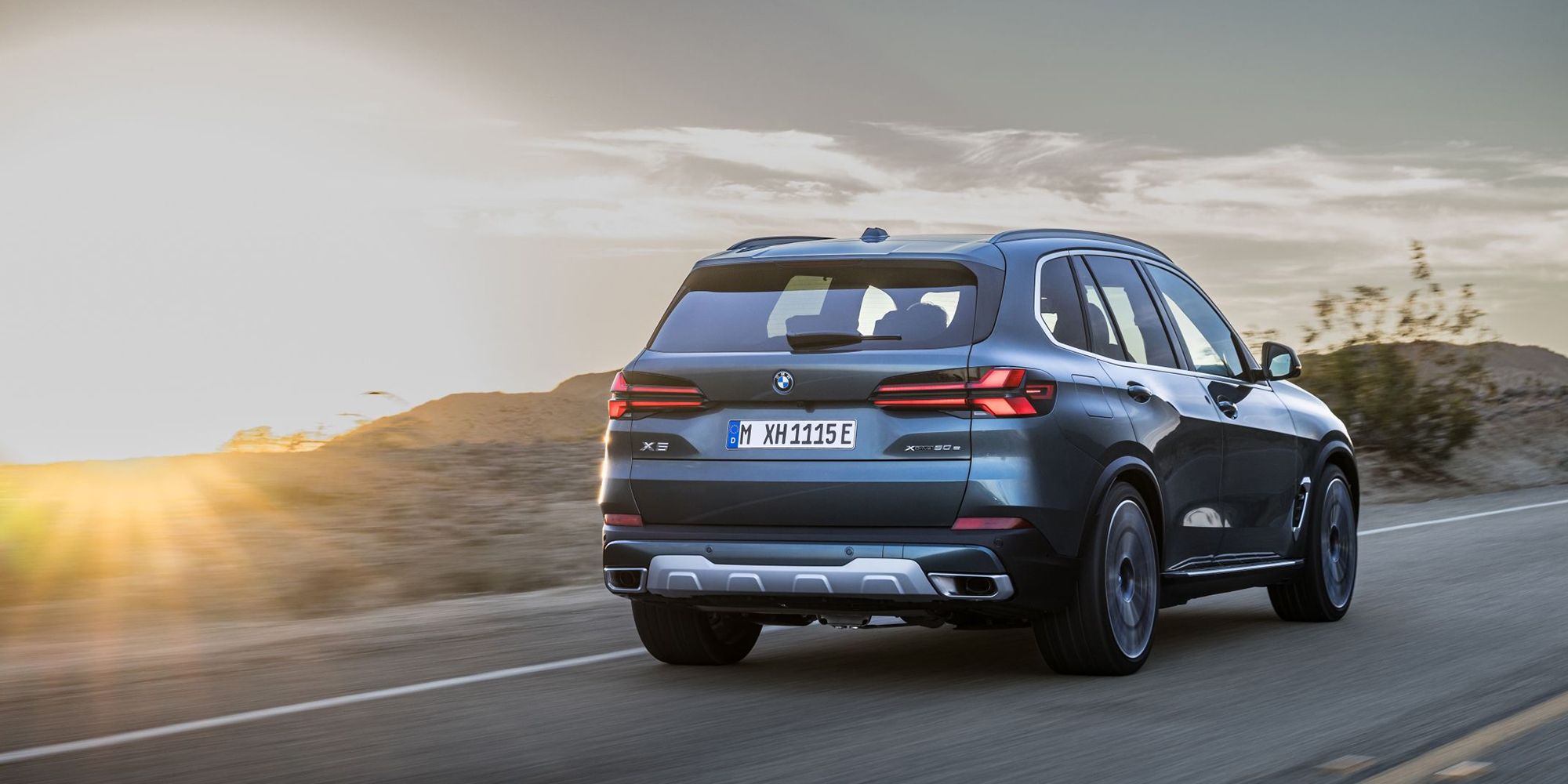
The BMW X5 sdrive35i delivers 300 horsepower from its turbocharged inline-six engine, driving the rear wheels exclusively rather than using an all-wheel-drive system. This layout sparked a significant market debate among enthusiasts and pragmatic buyers alike regarding whether a rear-wheel-drive configuration aligns with the utility, pricing, and performance expectations of a luxury midsize sports activity vehicle.
Evolution and Identity of the BMW X5 sdrive35i
The introduction of the rear-wheel-drive sDrive variant into the BMW X5 lineup marked a strategic shift for the German automaker. Historically, the X5 was synonymous with BMW’s xDrive all-wheel-drive system, cementing its identity as an all-weather luxury vehicle capable of handling diverse driving conditions. By introducing the sDrive35i, BMW aimed to lower the entry barrier for prospective buyers who appreciated the styling, comfort, and interior utility of the X5 but did not require the added weight, mechanical complexity, and fuel consumption penalty of a front-axle differential and transfer case.
Positioned below its all-wheel-drive sibling, the xDrive35i, the sDrive35i utilized the same core architecture and powertrain. This packaging strategy allowed BMW to capture market share from consumers living in temperate climates where snow and ice are rare. However, the move immediately drew scrutiny from traditionalists who questioned whether a rear-wheel-drive layout compromised the core utility of a large luxury vehicle. Understanding the specs and market debate surrounding this model requires a close examination of its mechanical blueprint, driving dynamics, and shifting consumer expectations within the luxury SUV segment.
Technical Specifications and Powertrain Architecture
At the heart of the BMW X5 sdrive35i is the celebrated N55 3.0-liter TwinPower Turbo inline-six-cylinder engine. This powerplant utilizes a single twin-scroll turbocharger, High Precision Direct Injection, Valvetronic fully variable valve control, and Double-VANOS variable camshaft timing.
Core Engine and Performance Metrics
The N55 engine in the sDrive35i produces an output of 300 horsepower available between 5,800 and 6,000 RPM, accompanied by 300 lb-ft of torque kicking in early at 1,300 RPM and holding steady up to 5,000 RPM. This wide torque band ensures that the heavy luxury SUV responds eagerly to throttle inputs from a standstill or when executing passing maneuvers at highway speeds.
- Engine Type: 3.0-liter turbocharged DOHC inline 24-valve 6-cylinder
- Horsepower: 300 hp @ 5,800–6,000 rpm
- Torque: 300 lb-ft @ 1,300–5,000 rpm
- Transmission: 8-speed ZF automatic with Sport and Manual shift modes
- Drivetrain: Rear-wheel drive (sDrive)
- Acceleration (0–60 mph): Approximately 6.1 seconds
- Top Speed: 130 mph (electronically limited; up to 150 mph with optional performance packages)
Transmission and Drivetrain Dynamics
Power is routed through an 8-speed ZF automatic transmission, widely regarded in the automotive industry for its rapid shift times, refined operation, and efficiency. The absence of the xDrive transfer case, front driveshaft, and associated front differential components results in a tangible weight reduction of roughly 150 to 200 pounds compared to the equivalent all-wheel-drive model. This reduced mass translates directly into slightly sharper steering responses, less front-end understeer when cornering aggressively, and minor improvements in fuel efficiency.
Fuel Economy and Efficiency Considerations
Fuel efficiency represents one of the primary selling points highlighted by proponents of the rear-wheel-drive architecture. Because the engine does not constantly expend energy turning front axle components, the sDrive35i achieves favorable EPA fuel economy ratings for a vehicle of its physical footprint and weight class.
| Metric | BMW X5 sDrive35i (RWD) | BMW X5 xDrive35i (AWD) |
|---|---|---|
| City Fuel Economy | 18 mpg | 18 mpg |
| Highway Fuel Economy | 25 mpg | 24 mpg |
| Combined Fuel Economy | 21 mpg | 20 mpg |
| Curb Weight | ~4,600 lbs | ~4,800 lbs |
| Fuel Tank Capacity | 22.4 gallons | 22.4 gallons |
While the numerical gains in fuel economy appear modest on paper, the cumulative savings over years of ownership, combined with a slightly lower initial MSRP, provided a compelling financial argument for budget-conscious luxury buyers. Furthermore, fewer mechanical components in the drivetrain translate to reduced long-term maintenance liabilities associated with transfer case fluid changes and front axle boot wear.
The Market Debate: Rear-Wheel Drive in a Luxury SUV
The decision by BMW to offer a rear-wheel-drive luxury midsize utility vehicle ignited a spirited debate among automotive journalists, brand loyalists, and prospective buyers. The core of the argument revolves around the definition and purpose of a Sports Activity Vehicle (SAV).
The Pragmatic Case for sDrive
Proponents of the sDrive35i argue that the vast majority of luxury SUV owners utilize their vehicles primarily for commuting, road trips, and suburban errand running. For drivers residing in regions such as the Sunbelt, Southern California, or the American Southwest, snow and severe winter weather are virtually nonexistent.
For these consumers, paying an upfront financial premium for an all-wheel-drive system—along with accepting a heavier vehicle with marginally higher mechanical complexity—makes little practical sense. The sDrive35i offered the prestige, comfort, cargo utility, and robust acceleration of the 300-horsepower inline-six engine at a lower entry cost. Additionally, driving enthusiasts noted that eliminating power delivery to the front wheels cleaned up the steering feel, eliminating torque steer and providing a purer, more traditional rear-wheel-drive driving dynamic reminiscent of BMW's classic sedan lineup.
The Skeptic's View and Resale Challenges
Conversely, critics and traditionalists questioned the commercial viability and branding logic of a rear-wheel-drive BMW X5. The counterarguments centered on several key points:
- Resale Value Depreciation: In the used vehicle marketplace, all-wheel-drive configurations for luxury SUVs historically command higher demand and superior residual values. Used car buyers searching for an X5 often filter specifically for xDrive models, making sDrive variants harder to trade or sell in northern markets.
- All-Weather Utility: Critics argued that purchasing a large, heavy vehicle without all-wheel drive defeats part of the psychological and functional safety net associated with utility vehicles. Even in moderate rain, high-torque rear-wheel-drive platforms require disciplined throttle management.
- Brand Identity Dilution: Purists expressed concern that offering rear-wheel-drive utility vehicles diluted the rugged, all-conquering marketing narrative that BMW had built around its xDrive technology.
Practical Performance and Real-World Drivability
Beyond the showroom debates, evaluating the 300 hp bmw x5 sdrive35i specs and market debate requires examining how the vehicle performs under everyday driving conditions.
Ride Quality and Handling
The X5 sDrive35i balances ride comfort and athletic handling well. The multi-link rear suspension and double-wishbone front suspension absorb road imperfections effectively, especially when equipped with optional adaptive dampers or air suspension systems. Because the front wheels are entirely unburdened by tractive forces, turn-in feels direct and precise. The steering weight is substantive, providing good feedback from the road surface, though modern electronic power steering filters out some high-frequency road textures.
Braking and Safety Equipment
Stopping a 4,600-pound luxury vehicle requires robust braking hardware. The sDrive35i features ventilated disc brakes on all four corners, complemented by an array of electronic safety aids including dynamic stability control, dynamic traction control, cornering brake control, and hill descent control. In emergency braking scenarios, the system brings the vehicle to a halt in a predictable, straight-line manner with minimal nose dive.
Common Maintenance and Ownership Considerations
Owners and prospective buyers of the sDrive35i must navigate specific mechanical tendencies inherent to the N55 engine platform and the wider F15-generation X5 chassis. Being aware of these service items helps mitigate unexpected repair expenses.
- Oil Filter Housing Gasket: Over time, the gasket surrounding the oil filter housing can degrade, leading to oil leaks that may drip onto the serpentine belt. Prompt replacement prevents belt shredding and subsequent engine damage.
- Water Pump and Thermostat: Electric water pumps on BMW inline-six engines typically exhibit wear around 80,000 to 100,000 miles. Proactive replacement prevents overheating incidents.
- Valvetronic Servomotor: The variable valve lift system requires stable electrical voltage. Failing batteries can trigger Valvetronic fault codes, necessitating careful diagnostic checks before replacing costly hardware components.
- Suspension Bushings: The sheer weight of the vehicle accelerates wear on front control arm bushings and thrust arms, manifesting as steering wheel vibrations at highway speeds.
Frequently Asked Questions
What makes the BMW X5 sDrive35i different from the xDrive35i?
The primary difference lies in the drivetrain configuration. The sDrive35i sends power exclusively to the rear wheels via a traditional layout, whereas the xDrive35i utilizes an intelligent all-wheel-drive system that continuously distributes torque between the front and rear axles based on road conditions.
Is the BMW X5 sDrive35i good for driving in the snow?
The sDrive35i is poorly suited for deep snow or icy conditions due to its rear-wheel-drive layout and substantial weight. While fitting dedicated winter tires improves cold-weather traction significantly, drivers residing in snowy climates generally find the xDrive variant much more capable and secure.
How reliable is the 300-horsepower N55 engine in the sDrive35i?
The N55 engine is widely considered one of BMW's more robust modern turbocharged powerplants, especially compared to its predecessor, the N54. However, it requires strict adherence to maintenance schedules, frequent oil changes using high-grade synthetic oil, and prompt attention to minor coolant or oil leaks.
Does the rear-wheel-drive sDrive model get significantly better gas mileage?
The fuel economy improvement is modest. The sDrive35i achieves an EPA-estimated 21 mpg combined (18 city / 25 highway), which is roughly 1 mpg better on the highway compared to the all-wheel-drive xDrive35i. The primary benefits of the sDrive model are a lower initial purchase price and reduced mechanical complexity rather than massive fuel savings.
Conclusion and Buying Recommendation
The 300 hp bmw x5 sdrive35i specs and market debate highlight a fascinating intersection of engineering efficiency and consumer psychology. For buyers living in temperate climates who prioritize a slightly lower initial purchase price, simplified mechanical upkeep, and traditional rear-wheel-drive steering dynamics, the sDrive35i represents a smart and capable luxury SUV. However, shoppers residing in northern regions or those prioritizing year-round all-weather traction and stronger resale values should focus their search on the xDrive equivalent. Assess your local climate and long-term ownership goals carefully before committing to a rear-wheel-drive luxury utility vehicle.