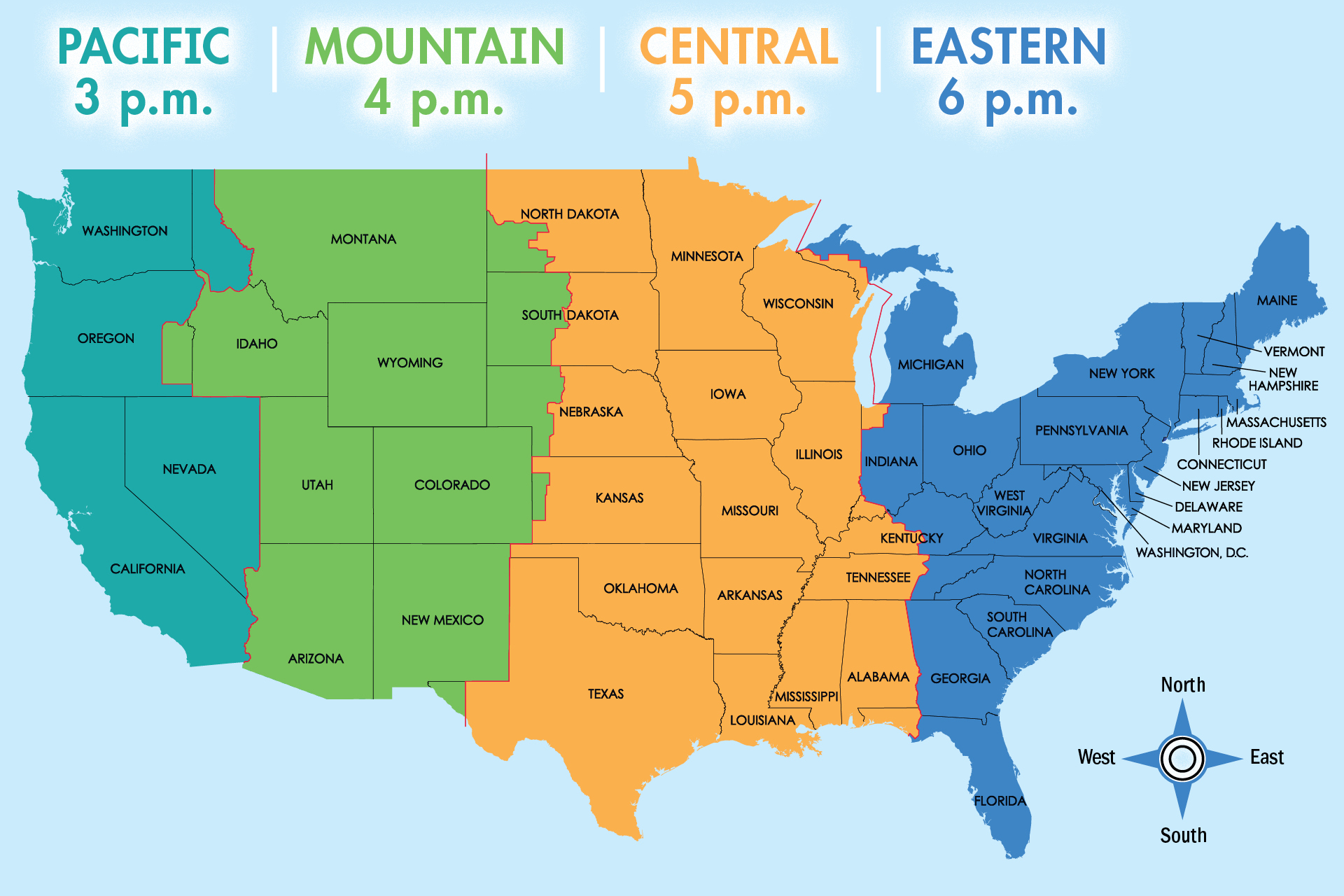
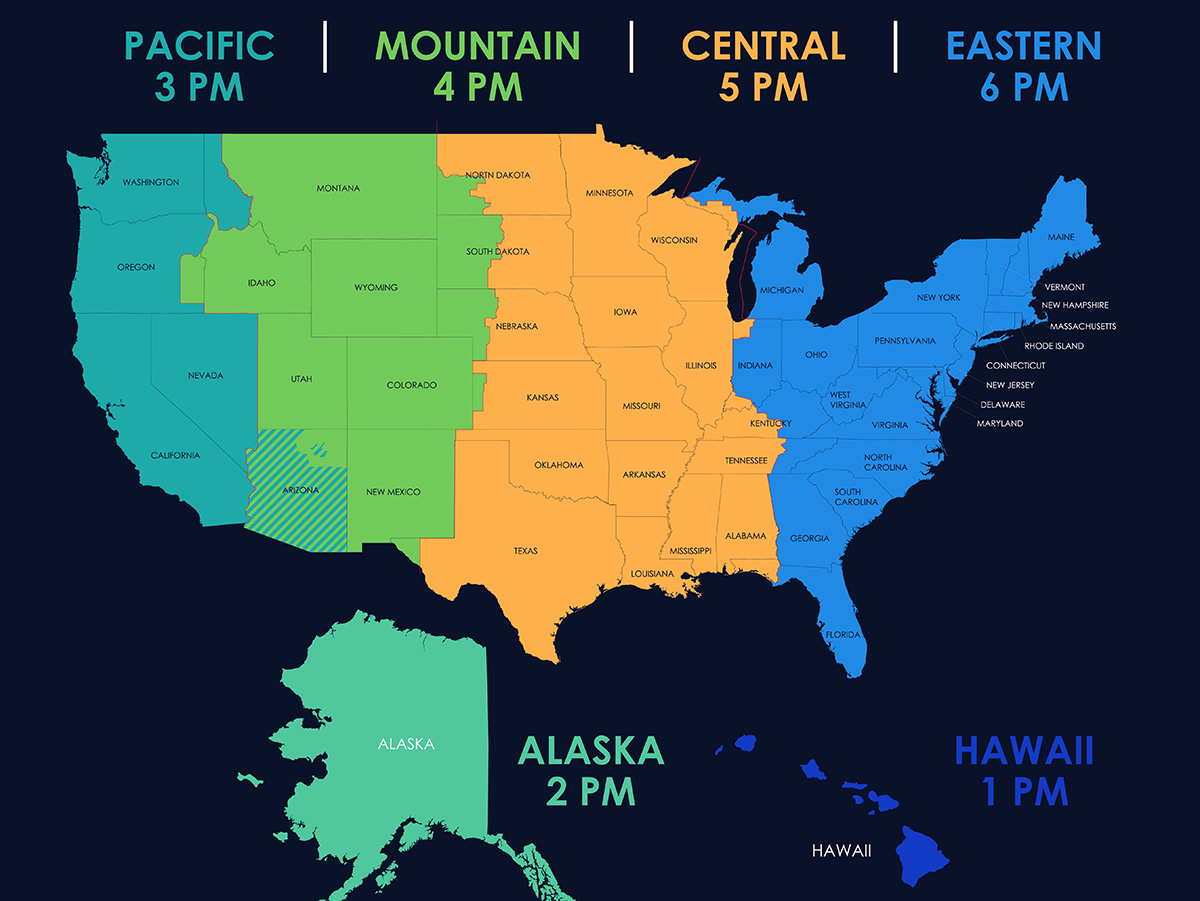
When it is 3 PM in California, the exact time corresponds to Pacific Standard Time (PST) or Pacific Daylight Time (PDT) depending on the time of year, aligning with Coordinated Universal Time (UTC-8 during standard time and UTC-7 during daylight saving time). This specific afternoon hour serves as a critical marker for national business operations, live broadcasting schedules, financial market closures, and cross-country communications across the United States.
The Fundamentals of California Time Zones
California operates under Pacific Time, which is governed by federal law and regulated by the United States Department of Transportation. Because the state spans a wide geographical area along the West Coast, all of its counties, cities, and municipalities share the same time zone designation. However, the exact numerical offset from Coordinated Universal Time shifts twice a year. Understanding this operational framework is essential for scheduling meetings, coordinating logistics, and synchronizing digital systems.
Pacific Standard Time (PST)
During the cooler months of the year, California observes Pacific Standard Time. PST is defined as UTC-8, meaning clocks are set eight hours behind Coordinated Universal Time. This period begins on the first Sunday of November and continues until the second Sunday of March. During these months, the sun sets significantly earlier, and the alignment with eastern time zones shifts, making 3 PM in California correspond to 6 PM on the East Coast.
Pacific Daylight Time (PDT)
For the remainder of the year, California observes Pacific Daylight Time, which is UTC-7. Clocks are moved forward one hour on the second Sunday of March and remain there until the first Sunday of November. This adjustment maximizes daylight hours during the spring and summer. When people refer to 3 PM in California during PDT, they are operating seven hours behind UTC.
The Legislative and Historical Context
The uniformity of timekeeping across the United States stems from the Standard Time Act of 1918 and subsequent modifications by the Uniform Time Act of 1966. While states have the legislative authority to opt out of daylight saving time—as Arizona and Hawaii have done—California remains bound by the federal biannual transition schedule unless federal legislation changes to permit year-round daylight saving time or standard time.
Exact Time Conversions for 3 PM in California
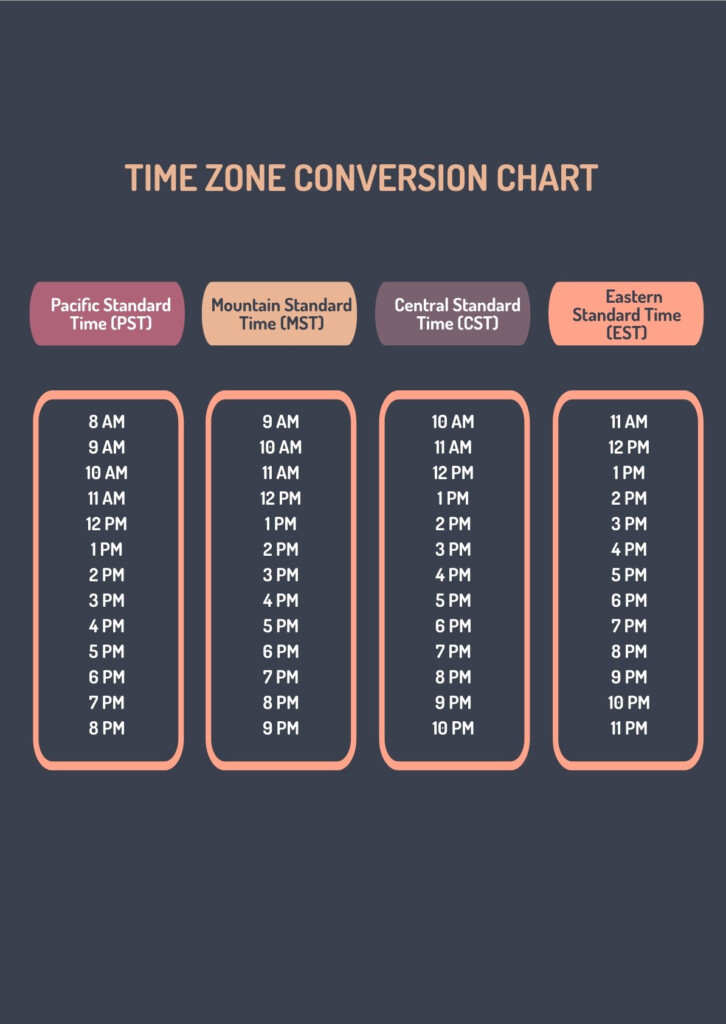
Coordinating schedules across multiple time zones requires a precise reference point. When it is precisely 3:00 PM in California, the hour dictates different local times across major domestic and international meridians. The table below outlines how 3 PM in California translates across various key zones during both standard and daylight saving periods.
| Time Zone Region | Standard Time Offset (PST) | Corresponding Time at 3 PM PST | Daylight Time Offset (PDT) | Corresponding Time at 3 PM PDT |
|---|---|---|---|---|
| Eastern Time (ET) | UTC-5 | 6:00 PM | UTC-4 | 6:00 PM |
| Central Time (CT) | UTC-6 | 5:00 PM | UTC-5 | 5:00 PM |
| Mountain Time (MT) | UTC-7 | 4:00 PM | UTC-6 | 4:00 PM |
| Coordinated Universal Time (UTC) | UTC-0 | 11:00 PM | UTC-0 | 10:00 PM |
| Greenwich Mean Time (GMT) | UTC+0 | 11:00 PM | UTC+1 | 10:00 PM |
| Central European Time (CET) | UTC+1 | 12:00 AM (Next Day) | UTC+2 | 12:00 AM (Next Day) |
Note: International time conversions can occasionally vary by an hour depending on whether the foreign jurisdiction observes daylight saving time on the same calendar weekends as the United States.
Practical Implications of 3 PM in California for Business and Commerce
At 3 PM Pacific Time, the operational landscape of the United States experiences specific shifts. Because the financial markets on the New York Stock Exchange close at 1:00 PM Pacific Time (4:00 PM Eastern Time), the final two hours of the California business day occur after major domestic equity exchanges have closed for regular trading.
Corporate Communication and Deadlines
For national corporations headquartered in California, a 3 PM deadline represents the end of the standard workday for East Coast partners, who are logging off at 6 PM Eastern Time. Conversely, businesses communicating with European partners find that 3 PM in California is late evening in Europe, restricting real-time communication to asynchronous methods such as email or project management software updates.
Media, Broadcasting, and Live Events
In the entertainment and broadcasting sectors, 3 PM in California is a vital benchmark. Live television broadcasts originating from Los Angeles or San Francisco often time their afternoon programming blocks to capture audiences finishing the workday on the West Coast while coinciding with early evening slots in the Midwest and East. Digital marketing campaigns frequently schedule content drops or email blasts for 3 PM Pacific Time to target active afternoon mobile device users across multiple time zones simultaneously.
Common Challenges and Errors in Time Conversion
Miscalculating Pacific Time is a frequent source of error in remote work environments, legal filings, and travel itineraries. Recognizing these pitfalls helps prevent missed deadlines and scheduling conflicts.
The Daylight Saving Transition Gap
The most common mistake occurs during the transition weeks in March and November. Because the United States changes its clocks on different dates than many international nations—such as European Union member states—there are periods of two to three weeks where time offsets shift by an hour. Failing to account for this discrepancy leads to missed international conference calls and delayed data synchronization.
Confusing PST and PDT
Using the acronym "PT" (Pacific Time) is standard practice, but failing to distinguish whether it represents PST or PDT can cause confusion during the transition months. While the literal hour on the clock remains 3 PM regardless of the suffix, the underlying UTC offset changes, which matters significantly for automated computer scripts, database entries, and global financial transactions.
Frequently Asked Questions
What is 3 PM in California in UTC?
When California is on Pacific Standard Time, 3 PM corresponds to 11:00 PM UTC. When California is on Pacific Daylight Time, 3 PM corresponds to 10:00 PM UTC.
Does all of California observe the same time zone?
Yes. The entire state of California is situated within the Pacific Time Zone. There are no split time zones within state borders, unlike larger states such as Texas or Florida.
How many hours behind New York is California at 3 PM?
California is always three hours behind New York. Therefore, when it is 3 PM in California, it is always 6 PM in New York, regardless of the time of year.
How do I know if California is currently on PST or PDT?
California observes Pacific Daylight Time from the second Sunday in March to the first Sunday in November. During the remaining months, the state observes Pacific Standard Time.
Why do some digital systems show UTC instead of Pacific Time?
Many global software applications, servers, and database management systems rely on Coordinated Universal Time as a universal standard to prevent scheduling conflicts and log errors caused by regional daylight saving changes.
Next Actions for Precise Scheduling
When coordinating tasks that rely on 3 PM in California, always verify the exact calendar date to confirm whether daylight saving time is active. For critical legal, financial, or aviation deadlines, utilize an official time server or reference the National Institute of Standards and Technology time service to ensure absolute accuracy before submitting documentation or launching scheduled events.