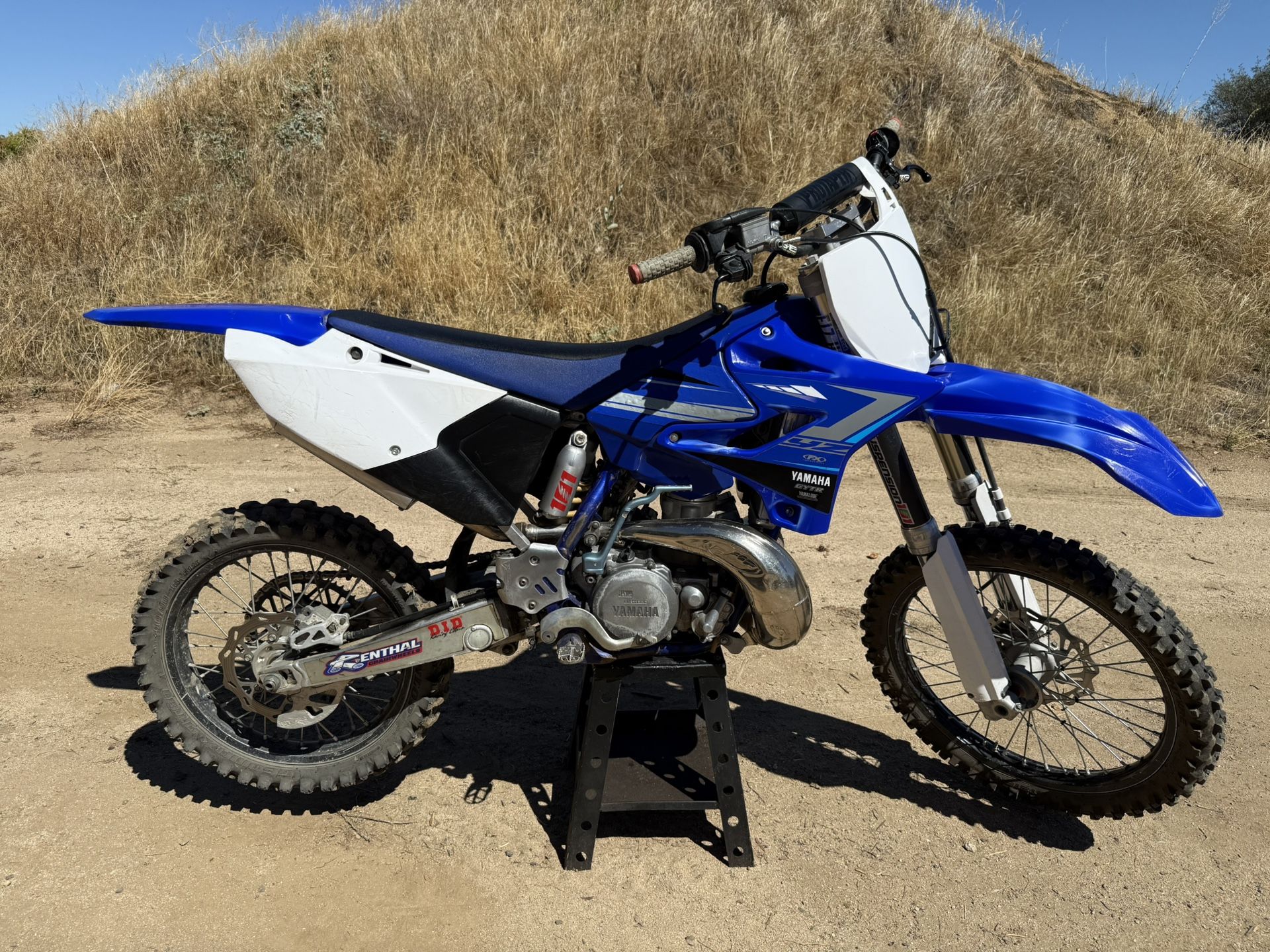
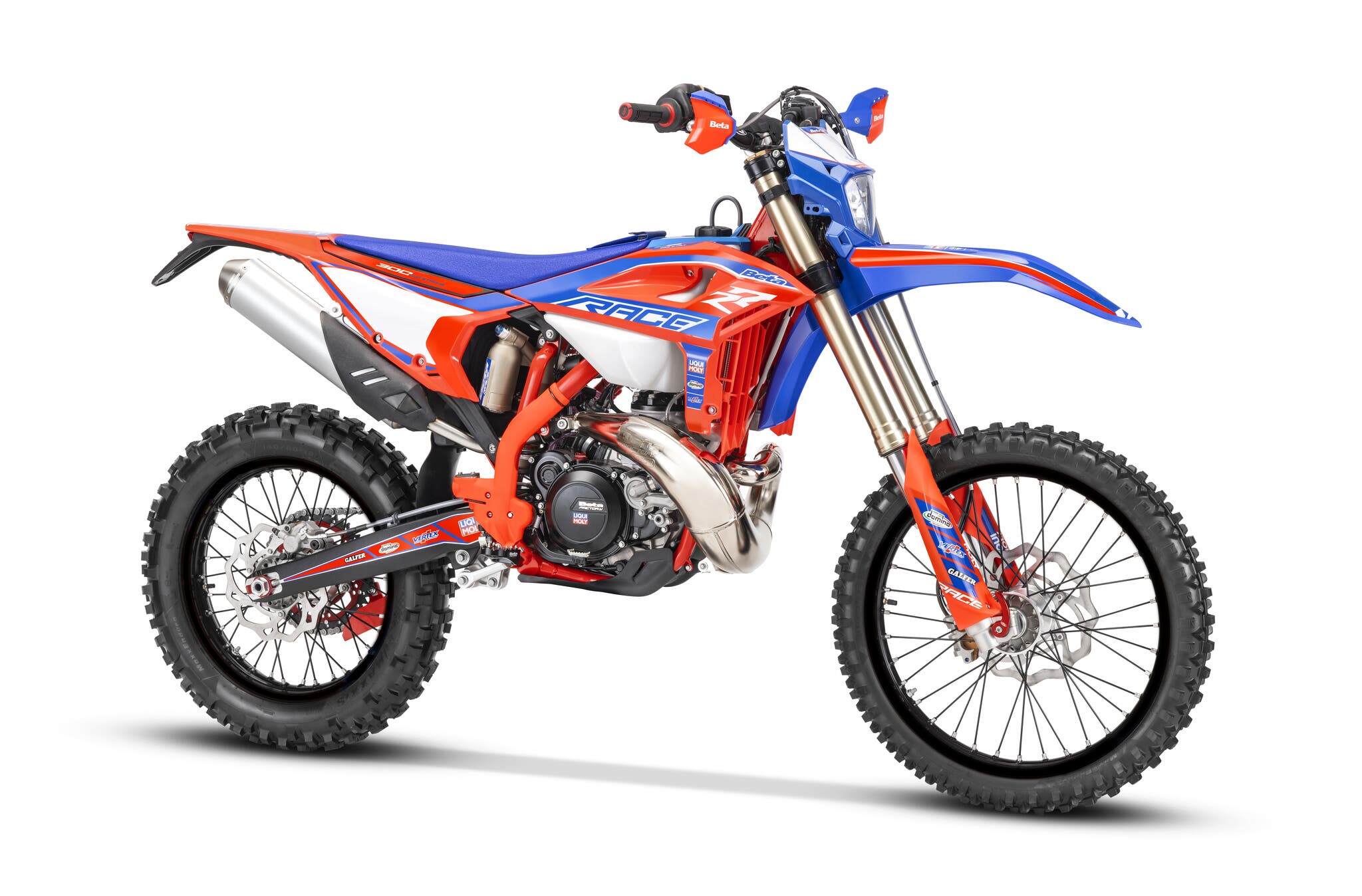
A 250cc 2-stroke engine typically produces between 45 and 55 horsepower in a high-performance motocross trim, though this figure fluctuates significantly based on state of tune, modifications, and intended application. While street-legal versions or vintage enduro models may produce closer to 30–40 horsepower due to restrictive emissions and reliability-focused tuning, the peak performance is defined by the engine’s volumetric efficiency and power band design.
The Physics of 2-Stroke Power Generation
To understand the power output of a 250cc 2-stroke engine, one must first appreciate the fundamental mechanical differences between 2-stroke and 4-stroke cycles. In a 2-stroke engine, a power stroke occurs every revolution of the crankshaft. Because the intake and exhaust processes happen concurrently with compression and combustion, these engines benefit from higher power-to-weight ratios compared to their 4-stroke counterparts of similar displacement.
The "250" in 250cc refers to the cubic centimeter displacement of the cylinder—the volume swept by the piston during its travel from bottom dead center (BDC) to top dead center (TDC). The power derived from this displacement is fundamentally tied to the Mean Effective Pressure (MEP). Because 2-strokes lack a dedicated valve train, their breathing capacity relies entirely on port timing (the specific points at which the intake, transfer, and exhaust ports are opened and closed by the piston skirt) and the geometry of the expansion chamber exhaust system.
Variables Affecting Horsepower
It is a common misconception that all 250cc 2-stroke engines are created equal. In practice, the power output is dictated by a complex interplay of engineering variables.
Exhaust System Dynamics
The expansion chamber—the bulbous section of the exhaust pipe—is arguably the most critical component for power. It utilizes reflected pressure waves to push escaping fuel-air mixture back into the combustion chamber before the exhaust port closes. This "scavenging" effect essentially acts as a low-pressure supercharger. A pipe designed for a broad power band will produce different peak horsepower numbers than one tuned for top-end screaming performance.
Porting and Compression
"Porting" refers to the modification of the cylinder ports to optimize gas flow. Professional engine builders use specific timings to shift the power curve; raising the exhaust port timing generally increases high-RPM power at the expense of low-end torque. Furthermore, the compression ratio—the ratio of the volume of the combustion chamber when the piston is at BDC compared to TDC—directly influences peak pressure. Higher compression generally yields more power but increases the risk of pre-ignition (knocking), which can be catastrophic in a 2-stroke engine.
Fuel and Lubrication
The choice of fuel is a critical constraint. High-performance 2-strokes often require high-octane racing fuel or leaded additives to prevent detonation when running high compression ratios. Furthermore, because the oil is mixed with the fuel (or injected directly into the crankcase), the oil-to-fuel ratio impacts both the sealing of the rings and the internal friction, both of which are measurable variables in a dyno test.
Comparative Performance Metrics
When evaluating 250cc 2-stroke power, it is helpful to categorize engines by their primary purpose. A motocross-spec engine is designed for high-intensity, short-duration bursts of power, whereas an enduro or trail-spec engine is tuned for tractability and longevity.
| Engine Application | Typical Horsepower Range | Power Characteristic |
|---|---|---|
| Motocross (Race) | 48–55 hp | Explosive top-end, narrow band |
| Enduro/Off-Road | 40–46 hp | Mid-range torque, linear delivery |
| Vintage Street/Dual-Sport | 30–40 hp | Smoother, emissions-compliant |
| Highly Modified (Big Bore) | 55–65+ hp | Extremely peaky, high maintenance |
The Dyno Reality: Fact vs. Marketing
Owners often see high horsepower figures in manufacturer literature, but it is important to distinguish between "crank horsepower" and "rear-wheel horsepower" (RWHP). Engine manufacturers measure horsepower at the crankshaft, where the engine outputs its raw power. However, by the time the power travels through the transmission, the clutch, and the drive chain to reach the rear wheel, a loss of 10% to 15% is standard.
If you are using a dynamometer to verify your 250cc engine's performance, ensure the test is conducted under consistent environmental conditions. Atmospheric pressure, humidity, and ambient temperature (often referred to as "density altitude") significantly affect the oxygen content of the air. A bike dynoed on a cold, high-pressure day at sea level will show higher horsepower than the same bike dynoed on a hot, humid day at a higher elevation.
Practical Considerations for High-Performance Builds
If you are looking to extract maximum horsepower from a 250cc 2-stroke, you must accept a trade-off in engine longevity. High-performance builds create extreme thermal stress.
- Jetting Sensitivity: Increasing power through porting and compression changes requires precise fuel-to-air ratios. A lean condition (too much air, not enough fuel) will cause the engine to overheat and can result in a melted piston in seconds.
- Maintenance Intervals: A racing 2-stroke producing 50+ horsepower will require frequent piston, ring, and bearing replacements. Following the service manual's hour-based maintenance schedule is not optional when running the engine at its performance limit.
- Transmission and Clutch: Increasing horsepower puts significant strain on the transmission gear teeth and the clutch basket. Ensure that the clutch plates and springs are rated for the increased torque output of a modified engine.
Troubleshooting Power Loss
If your 250cc 2-stroke feels sluggish or is failing to reach its expected horsepower potential, the issue is rarely a single "broken" part but rather a degradation of efficiency.
- Carbon Buildup: Over time, carbon deposits form in the exhaust port and the expansion chamber. This restricts flow and drastically limits peak horsepower. Cleaning the power valve mechanism (on models equipped with one) is often the first step in restoring lost performance.
- Air Leakage: 2-strokes rely on a pressurized crankcase for the intake charge. If the main crankshaft seals or the base gasket are leaking, the primary compression drops, resulting in poor throttle response and reduced top-end power.
- Worn Top End: As rings wear, they lose their ability to maintain a seal against the cylinder wall. A simple "leak-down" test can verify if your top end is due for a rebuild long before the bike suffers a catastrophic failure.
Frequently Asked Questions
Why does my 250cc 2-stroke feel faster than a 250cc 4-stroke? It is usually because of the power-to-weight ratio and the "hit." 2-strokes deliver power in a more abrupt, visceral way as the power valve opens and the engine hits its pipe. While a 4-stroke may have a flatter, more linear torque curve, the 2-stroke’s lighter weight and explosive acceleration feel significantly more aggressive to the rider.
Can I get 60 horsepower out of a stock 250cc 2-stroke? Generally, no. Achieving 60+ horsepower usually requires significant internal modifications, such as big-bore kits (increasing displacement beyond 250cc), specialized cylinder head designs, high-compression pistons, and custom-tuned exhaust systems. Even then, the engine will likely have a very narrow power band that is difficult to manage on a track.
Does a 250cc 2-stroke require different fuel than a car? Yes. Modern 2-stroke engines require a high-quality two-stroke oil mixed with gasoline. Furthermore, depending on the engine's compression ratio, you may be required to run premium unleaded (91-93 octane) or even race gas to prevent detonation. Always refer to your engine manufacturer’s specified fuel requirements.
How often should I rebuild the top end on a performance 250cc 2-stroke? For competitive racing, top-end rebuilds are often performed every 15 to 30 hours of operation. For casual trail riding, many owners safely extend this to 50 or 80 hours. Always monitor your engine’s performance and listen for changes in the exhaust note or power delivery as indicators of wear.
What is a power valve and why does it matter for horsepower? A power valve is a mechanical or electronic device in the exhaust port that varies the port height. At low RPMs, it closes to improve torque and low-end response. At high RPMs, it opens to allow maximum exhaust flow, facilitating higher peak horsepower. It essentially allows the engine to have the benefits of both a low-tuned and high-tuned engine in one package.
Recommendations for Optimization
If you are aiming to optimize your 250cc 2-stroke for a specific application, start with the "bottlenecks." Rather than chasing a theoretical peak horsepower number, focus on the power curve that suits your riding style.
- Ensure Mechanical Integrity: Perform a leak-down test and replace worn crankshaft seals before attempting performance modifications.
- Exhaust Matching: If you ride tight woods, look for an exhaust system designed for "bottom to mid" power. If you ride open tracks, look for "mid to top" systems.
- Jetting: Spend the time to jet the carburetor correctly for your local altitude and temperature. This is the most cost-effective way to regain missing horsepower.
- Professional Guidance: If you plan to port the cylinder or modify the head, consult with a professional engine builder who has proven dyno data for your specific model and year. Attempting these modifications based on trial and error often results in an engine that is both less powerful and less reliable than it was in stock form.