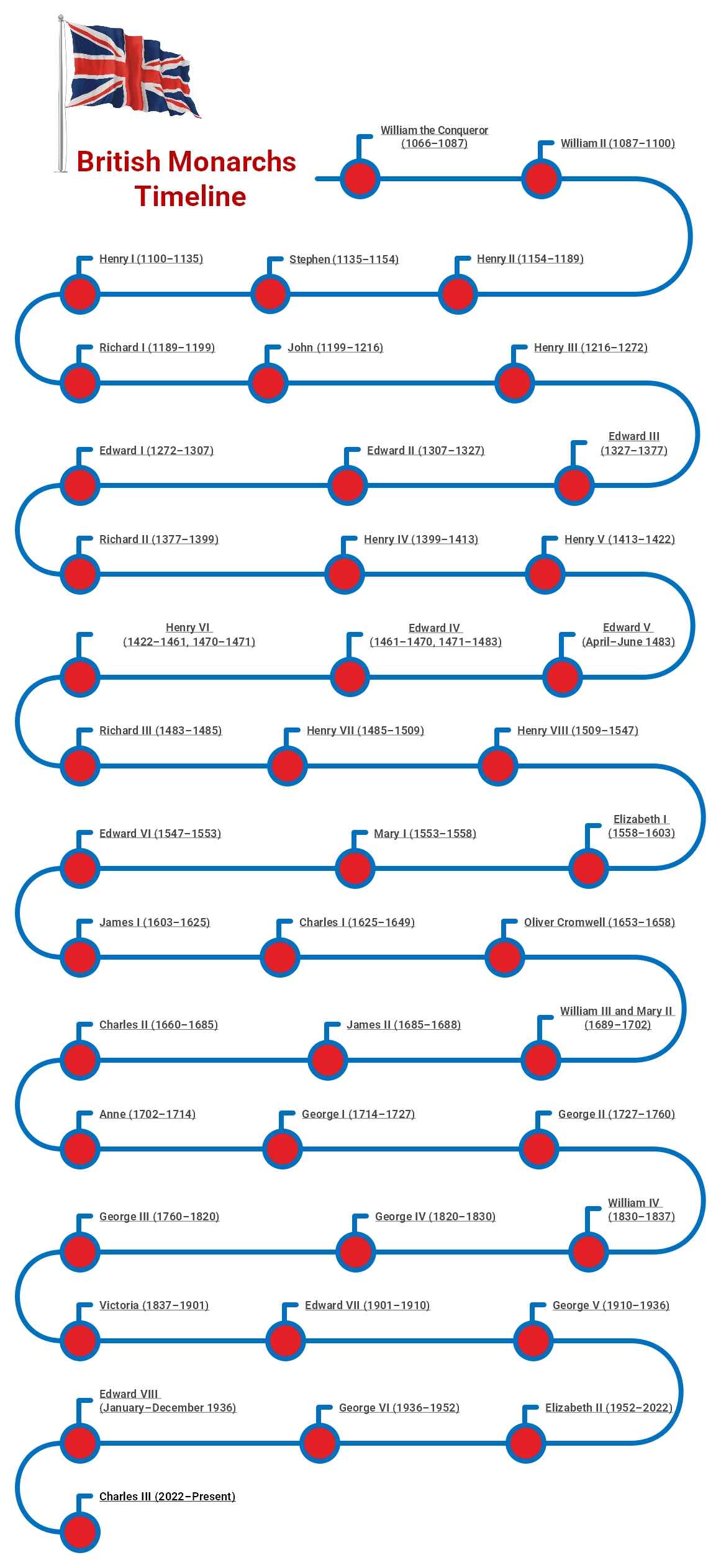
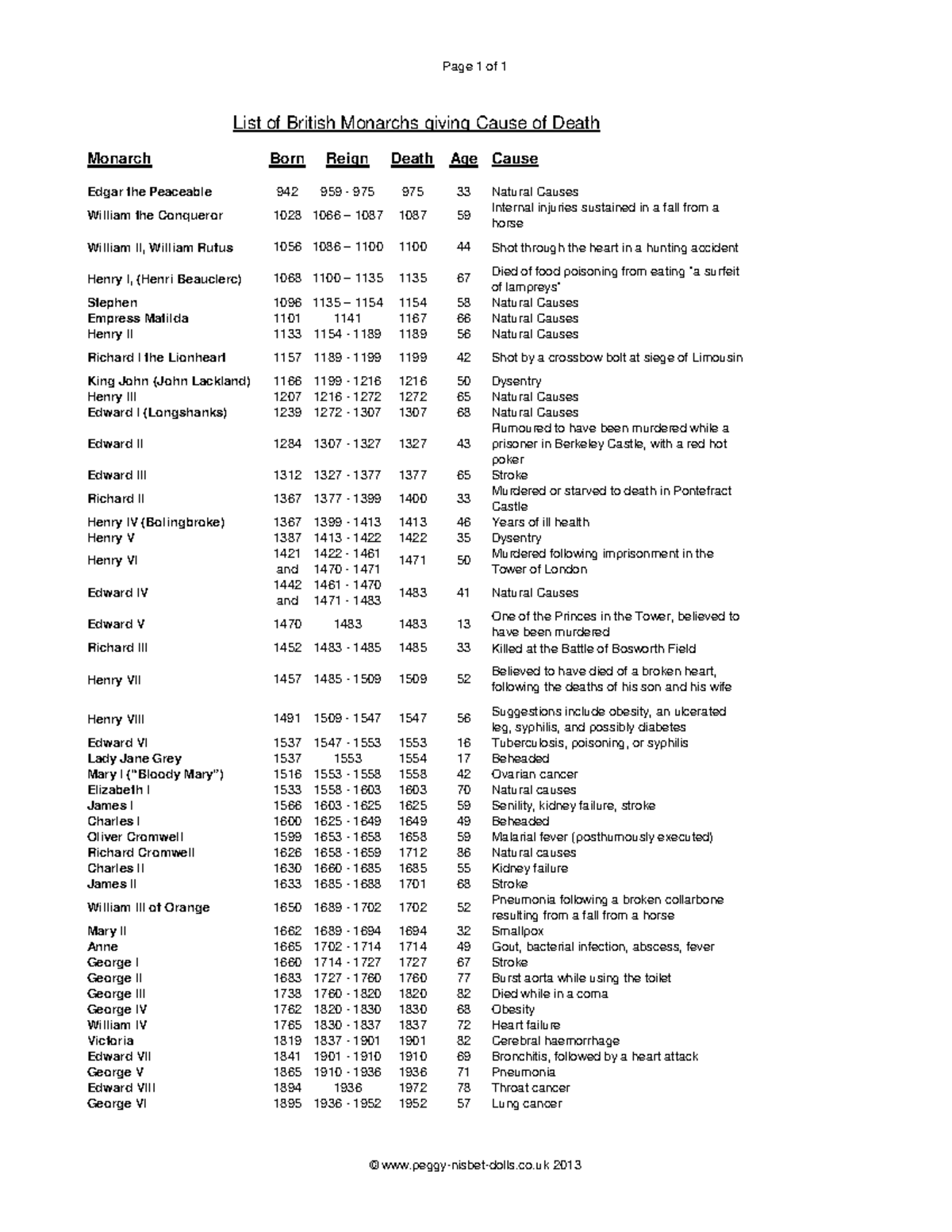
The 20th century was a period of unprecedented transformation for the British monarchy, shifting from a global imperial power into a modern constitutional institution. Over this dynamic hundred-year span, six sovereigns occupied the throne: Victoria, Edward VII, George V, Edward VIII, George VI, and Elizabeth II. Each monarch faced distinct geopolitical crises, technological revolutions, and cultural shifts that permanently altered the role of the Crown in British and international society.
The Sunset of the Victorian Era and the Edwardian Interlude
The 20th century opened during the final years of Queen Victoria’s long reign. Victoria, who had ascended the throne in 1837, had come to personify an entire epoch. By 1900, the British Empire spanned roughly a quarter of the globe, and the monarch was not only Queen of the United Kingdom but also Empress of India. However, the realities of modern industrial society and the geopolitical tensions leading up to World War I meant that the old Victorian certainty was rapidly giving way to a more complex global landscape.
When Victoria died in January 1901, her eldest son, Albert Edward, succeeded her as Edward VII. The Edwardian era, spanning from 1901 to 1910, is often remembered nostalgically as a golden afternoon of peace and high society before the devastation of the First World War. Yet, beneath the veneer of leisure and aristocratic opulence, Edwardian Britain experienced fierce political battles, particularly regarding the power of the House of Lords and the rise of the Labour Party and the trade union movement.
Edward VII proved to be a pragmatic and socially adept monarch. He utilized his extensive European familial network—earning the moniker "Uncle of Europe"—to help forge diplomatic alliances, most notably the Entente Cordiale with France in 1904. Though constitutional monarchs in the United Kingdom wield limited direct executive power, Edward VII demonstrated how personal diplomacy and public visibility could support government foreign policy objectives.
The House of Windsor: George V and the First World War
Edward VII’s death in 1910 brought his second son, George V, to the throne. George V was a serious, naval-trained monarch who preferred a quiet domestic life to the glittering social scene favored by his father. His reign would coincide with some of the most catastrophic events in modern history, testing the resilience of the British Crown.
The outbreak of the First World War in 1914 threatened the stability of European monarchies, many of which were overthrown or dissolved in the wake of the conflict, including the Russian Romanovs, the German Hohenzollerns, and the Austro-Hungarian Habsburgs. George V was first cousins with both Kaiser Wilhelm II of Germany and Tsar Nicholas II of Russia. As anti-German sentiment surged across Britain, the British royal family recognized the need to distance themselves from their German roots.
In 1917, George V took the historic step of relinquishing all German titles and renaming the royal house from the House of Saxe-Coburg and Gotha to the House of Windsor. This rebranding exercise anchored the monarchy firmly in British national identity. Furthermore, George V pioneered the use of modern mass media to connect with his subjects, initiating the tradition of the Royal Christmas Broadcast on the radio in 1932, a practice that cemented the sovereign as a comforting, stabilizing presence in British households.
The 1936 Abdication Crisis: Edward VIII and George VI
Following the death of George V in January 1936, his eldest son ascended the throne as Edward VIII. The reign of Edward VIII would be among the shortest in British history, lasting a mere 325 days, and it plunged the constitutional monarchy into its gravest crisis of the century.
Edward VIII was a charismatic and popular Prince of Wales, but he held modernizing, unconventional views that clashed with the traditional expectations of the Establishment, the Church of England, and the government led by Prime Minister Stanley Baldwin. The central conflict arose from Edward's relationship with Wallis Simpson, an American socialite who was twice divorced. Under the conventions of the time and the laws of the Church of England, the monarch, who served as the Supreme Governor of the Church, could not marry a divorcee whose former husbands were still living.
When Edward made it clear that he intended to marry Simpson regardless of the constitutional consequences, a political crisis ensued. Options such as a morganatic marriage—where Simpson would not become queen—were rejected by the dominion governments. Faced with the choice between the Crown and the woman he loved, Edward chose abdication.
On December 11, 1936, Edward VIII broadcast his famous abdication speech to the nation, stating:
"I have found it impossible to carry the heavy burden of responsibility and to discharge my duties as King as I would wish to do without the help and support of the woman I love."
The throne immediately passed to Edward’s younger brother, Prince Albert, Duke of York, who took the regnal name George VI. Initially reluctant and plagued by a severe stutter—famously depicted in historical accounts and media such as The King's Speech—George VI grew into a symbol of quiet resilience during the darkest hours of the Second World War. Refusing to leave London during the Blitz, George VI and Queen Elizabeth became potent morale boosters, sharing the hardships of ordinary citizens and famously remaining at Buckingham Palace even after it was bombed.
20th Century British Monarchs Compared
| Monarch | Reign Dates | Significant Historical Events & Crises | Key Legacy |
|---|---|---|---|
| Queen Victoria | 1837–1901 | Height of the British Empire, Industrial Revolution, Boer War | Personified an entire era of imperial expansion and moral earnestness. |
| Edward VII | 1901–1910 | Entente Cordiale (1904), constitutional crisis over the House of Lords | Utilized royal diplomacy to strengthen European alliances; modernized royal visibility. |
| George V | 1910–1936 | World War I, creation of the House of Windsor (1917), 1926 General Strike | Secured the survival of the monarchy through war and domestic upheaval; initiated the Christmas broadcast. |
| Edward VIII | 1936 | The Abdication Crisis | Chose private life over public duty, precipitating a major constitutional realignment. |
| George VI | 1936–1952 | World War II, post-war austerity, dismantling of the Indian Empire | Restored public trust in the Crown through wartime solidarity and steadfast duty. |
| Elizabeth II | 1952–2022 | Decolonization, Cold War, entry into the European Economic Community, birth of the internet age | Modernized the institution while preserving traditional pageantry across seven decades of change. |
Elizabeth II: The Long Reign and Post-War Modernization
George VI’s untimely death in February 1952 brought his 25-year-old daughter, Princess Elizabeth, to the throne. Elizabeth II’s reign spanned seventy years, covering the vast majority of the second half of the 20th century. Her accession coincided with the dawn of the television age; her coronation in Westminster Abbey in 1953 was the first major international event to be broadcast live to millions worldwide, signaling a new era of media accessibility for the monarchy.
The latter half of the 20th century required the British monarchy to navigate massive socio-economic shifts. The post-war period witnessed the orderly dismantling of the British Empire, transforming into the modern Commonwealth of Nations—an association of independent member states of which Elizabeth II served as head. This transition required delicate diplomacy to maintain diplomatic and cultural ties with newly independent nations in Africa, Asia, and the Caribbean.
Domestically, the Queen presided over profound cultural changes, including the rise of a secularized society, the entry and subsequent exit of the United Kingdom from the European Communities, and shifting public attitudes toward traditional institutions. Despite public scrutiny and personal family trials—most notably during the turbulent 1990s, which culminated in the death of Diana, Princess of Wales—Elizabeth II maintained a steadfast commitment to duty, ensuring that the monarchy remained a stable and enduring pillar of the British constitution as the world entered the 21st century.
Frequently Asked Questions
Who was the longest-reigning British monarch of the 20th century?
Queen Elizabeth II was the longest-reigning British monarch of the 20th century, having ascended the throne in 1952 and reigning until her death in 2022. While Queen Victoria reigned longer overall (63 years), the majority of her reign occurred during the 19th century.
Why did the British royal family change its name to Windsor in 1917?
During the First World War, intense anti-German sentiment in Britain made the royal family's actual dynastic name—Saxe-Coburg and Gotha, inherited from Prince Albert of Saxe-Coburg and Gotha—politically untenable. King George V issued a royal proclamation changing the house and family name to Windsor to emphasize British national identity.
How did Edward VIII's abdication affect the line of succession?
Edward VIII's abdication in 1936 bypassed him and any potential heirs he might have had, passing the Crown directly to his younger brother, who became King George VI. This unexpected constitutional shift made George VI's eldest daughter, Elizabeth, the heir presumptive, ultimately leading to her historic seventy-year reign as Elizabeth II.
What role do 20th-century British monarchs play in government decisions?
Under the British constitutional monarchy, the sovereign acts on the advice of government ministers and remains politically neutral. While 20th-century monarchs retained certain constitutional prerogatives—such as appointing the Prime Minister and granting Royal Assent to legislation—their direct political power steadily diminished in favor of parliamentary democracy.