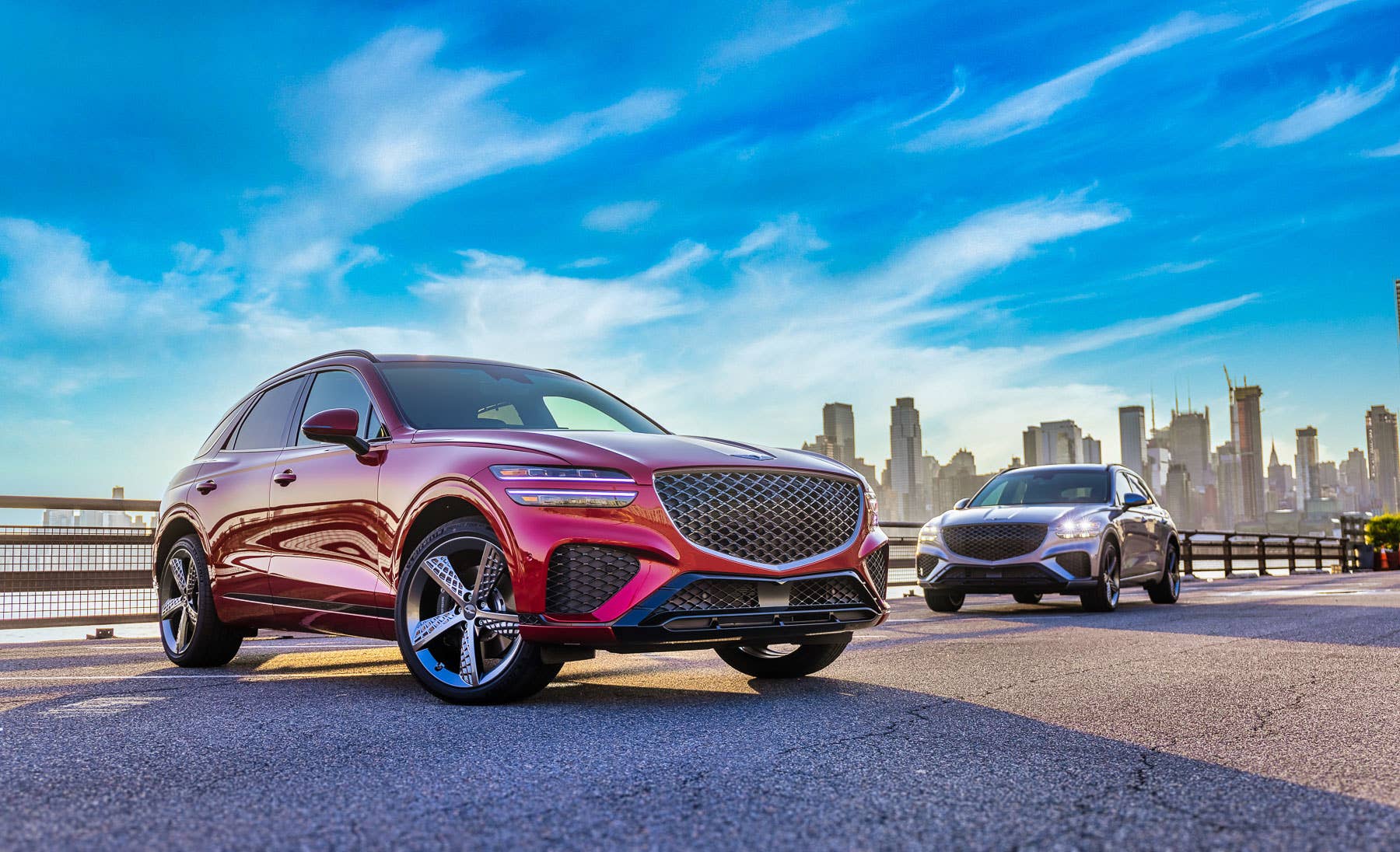
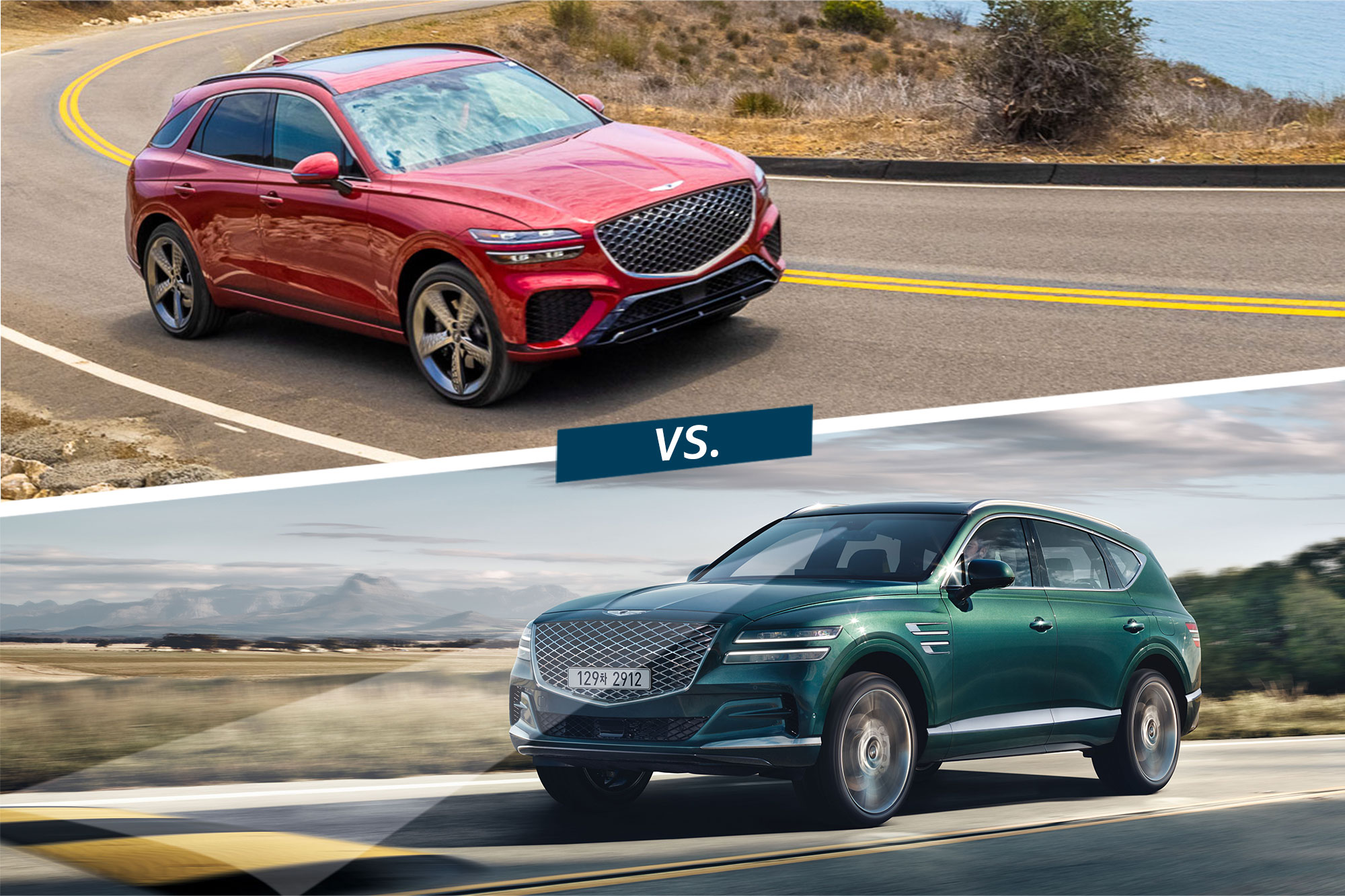
The 2025 and 2026 Genesis GV70 models represent two highly refined iterations of the brand’s flagship luxury compact SUV. While the 2025 model finalized the current generation’s aesthetic and feature set, the 2026 model year introduces subtle refinements to interior ergonomics, standard technology integration, and trim-level consolidation designed to streamline the ownership experience while maintaining the platform's performance pedigree.
The Genesis GV70 Context
The Genesis GV70 has consistently held a position of prestige in the luxury compact SUV segment since its introduction. Known for its "Athletic Elegance" design language, the vehicle balances the aggressive stance of a sport sedan with the versatility of a crossover. When evaluating the 2025 versus the 2026 model year, buyers are essentially choosing between the absolute maturity of the initial facelift cycle (2025) and the incremental, software-forward updates introduced in the 2026 production run.
For the prospective buyer, the distinction is less about a complete overhaul and more about specific equipment availability and the standard inclusion of connectivity features that have become essential for the modern driver.
Performance and Powertrain Dynamics
The engineering foundation of the GV70 remains remarkably consistent across the 2025 and 2026 models. Genesis has maintained the dual-powertrain strategy that defines the vehicle's dual-nature performance.
The 2.5L Turbocharged Four-Cylinder
The base powertrain for both years is the 2.5-liter turbocharged inline-four engine, producing 300 horsepower and 311 lb-ft of torque. This engine is paired with an eight-speed automatic transmission. In both the 2025 and 2026 iterations, this powertrain is optimized for daily drivability, offering a smooth power delivery that masks the typical harshness of four-cylinder units.
The 3.5L Twin-Turbo V6
The flagship performance option remains the 3.5-liter twin-turbocharged V6, delivering 375 horsepower and 391 lb-ft of torque. This engine is reserved for the upper-tier trims and serves as the primary differentiator for drivers prioritizing acceleration and passing power. Across both model years, this V6 remains electronically tuned for a refined surge rather than a raw, track-focused burst, consistent with the Genesis brand ethos.
Handling and Chassis
Both model years utilize the same platform, which features a multi-link rear suspension and a focus on chassis rigidity. The "Preview Electronic Control Suspension," which uses forward-facing cameras to scan the road and adjust damper settings, remains a standout feature for the higher-end trims in both years. There are no fundamental changes to the suspension geometry or steering ratio between 2025 and 2026, meaning the driving experience is functionally identical.
Interior Design and Ergonomics
The interior of the GV70 is where the primary differences between the two model years begin to manifest. The 2025 model features the "Beauty of White Space" design philosophy, characterized by an elliptical theme and high-quality materials such as Nappa leather and real metal accents.
In 2026, Genesis has focused on refining the user interface within the cabin. While the layout of the climate control interface and the signature rotary gear selector remain, the 2026 model sees an expansion of available ambient lighting themes and a slight increase in the tactile quality of the haptic feedback controls. For buyers who prioritize physical build quality, the 2025 and 2026 models are effectively on par, as the core materials palette remains consistent.
Technology and Connectivity
The most significant shifts between the 2025 and 2026 GV70 are found in the digital infrastructure.
- Infotainment Systems: The 2026 model year introduces enhanced processing speeds for the central 14.5-inch widescreen display. This is a subtle but noticeable improvement during navigation routing and switching between high-bandwidth apps.
- Over-the-Air (OTA) Updates: The 2026 model features an expanded architecture for OTA updates, allowing Genesis to push more significant system improvements to the vehicle’s operating system without requiring a service center visit.
- Digital Key Integration: While both models support Digital Key technology, the 2026 version has updated protocols to accommodate a wider range of smartphone operating system updates, ensuring greater reliability for users who rely on their phones for vehicle access.
Comparison Table: 2025 vs 2026 Genesis GV70 Key Attributes
| Feature | 2025 Genesis GV70 | 2026 Genesis GV70 |
|---|---|---|
| Primary Engine | 2.5L Turbo I4 (300 hp) | 2.5L Turbo I4 (300 hp) |
| Performance Engine | 3.5L Twin-Turbo V6 (375 hp) | 3.5L Twin-Turbo V6 (375 hp) |
| Infotainment Screen | 14.5-inch Widescreen | 14.5-inch Widescreen (Improved Processing) |
| System Updates | Standard OTA Capabilities | Enhanced OTA Architecture |
| AWD Availability | Standard across all trims | Standard across all trims |
| Primary Focus | Feature consolidation | Digital refinement |
Safety and Driver Assistance Systems
Safety standards for the GV70 have reached a high level of maturity. Both the 2025 and 2026 models include the "Genesis Highway Driving Assist II" system as a core component. This system integrates lane-change assist, adaptive cruise control, and steering assistance to reduce driver fatigue on highways.
There are no major hardware changes to the sensor suite—which includes forward collision-avoidance assist, blind-spot collision-avoidance assist, and rear cross-traffic alert—between these years. Consequently, both models maintain identical high-tier safety ratings from major automotive safety organizations. For the consumer, this indicates that choosing the 2025 model over the 2026 does not mean compromising on safety technology.
Financial Considerations and Value
When weighing the purchase of a 2025 or 2026 model, the value proposition is influenced heavily by the current market status in 2026.
Depreciation and Market Trends
As a 2026 model, the current year's vehicle is subject to standard MSRP pricing. Conversely, remaining 2025 inventory is often subject to dealer incentives, end-of-model-year clearances, or competitive financing rates. If a buyer prioritizes immediate cost savings, the 2025 model represents a superior value, as the delta in technical capability is relatively small.
Long-term Ownership
The 2026 model year is likely to hold its value marginally better in the long term due to the more modern software architecture and a later production start date. However, the GV70’s depreciation curve is more closely tied to brand perception and mileage than to single-year model differences. Buyers looking to keep the vehicle for 5–7 years will find that both models offer similar longevity in terms of mechanical reliability.
Common Considerations for Prospective Buyers
Before deciding between the two model years, consider these practical factors:
- Connectivity Requirements: If you are a heavy user of connected services, such as integrated streaming, real-time traffic updates, and smartphone-based vehicle control, the 2026 model’s updated communication module may offer a better long-term experience.
- Exterior Aesthetics: There are no significant sheet-metal changes. If you have a specific color combination in mind that was discontinued or changed, you may be forced to choose the model year that offers it.
- Inventory Availability: In 2026, finding a brand-new 2025 GV70 requires navigating existing dealership stocks. Ensure that any "new" 2025 model has been stored in a climate-controlled environment to protect rubber seals and battery health.
Frequently Asked Questions
Is there a major design facelift between the 2025 and 2026 GV70?
No. There are no major exterior design changes between the 2025 and 2026 model years. Both maintain the same bodywork, wheel designs, and lighting signatures that define the current generation of the GV70.
Are the engines different in the 2026 model?
No. Both the 2.5-liter turbocharged four-cylinder and the 3.5-liter twin-turbocharged V6 remain mechanically identical in both years, utilizing the same output figures and eight-speed automatic transmissions.
Can the 2025 model get the 2026 software updates?
While some features are delivered via over-the-air (OTA) updates, the 2026 model incorporates newer hardware for processing power. Therefore, while some software parity exists, the 2026 model may support future updates that the 2025 model's hardware cannot handle.
Which model is better for highway driving?
Both models are excellent for highway driving due to the inclusion of Highway Driving Assist II. There is no performance difference that would favor one over the other for long-distance travel.
Should I choose a 2025 model for the price or a 2026 model for the tech?
If you are budget-conscious, the 2025 model is a highly compelling choice because the mechanical and structural platform is unchanged. If you are a technology-first buyer, the 2026 model's enhanced processing and OTA architecture justify the premium price.
Final Recommendation
For most buyers, the 2025 Genesis GV70 represents the most logical financial choice. Because the platform, powertrain, and design are shared with the 2026 model, you are essentially securing the same luxury driving experience for a lower total cost. Only buyers who place a high premium on the absolute latest software integration and the longest possible support window for over-the-air updates should prioritize the 2026 model. We recommend test-driving both to determine if the marginal gains in infotainment response time are noticeable enough to justify the price difference in your specific local market.