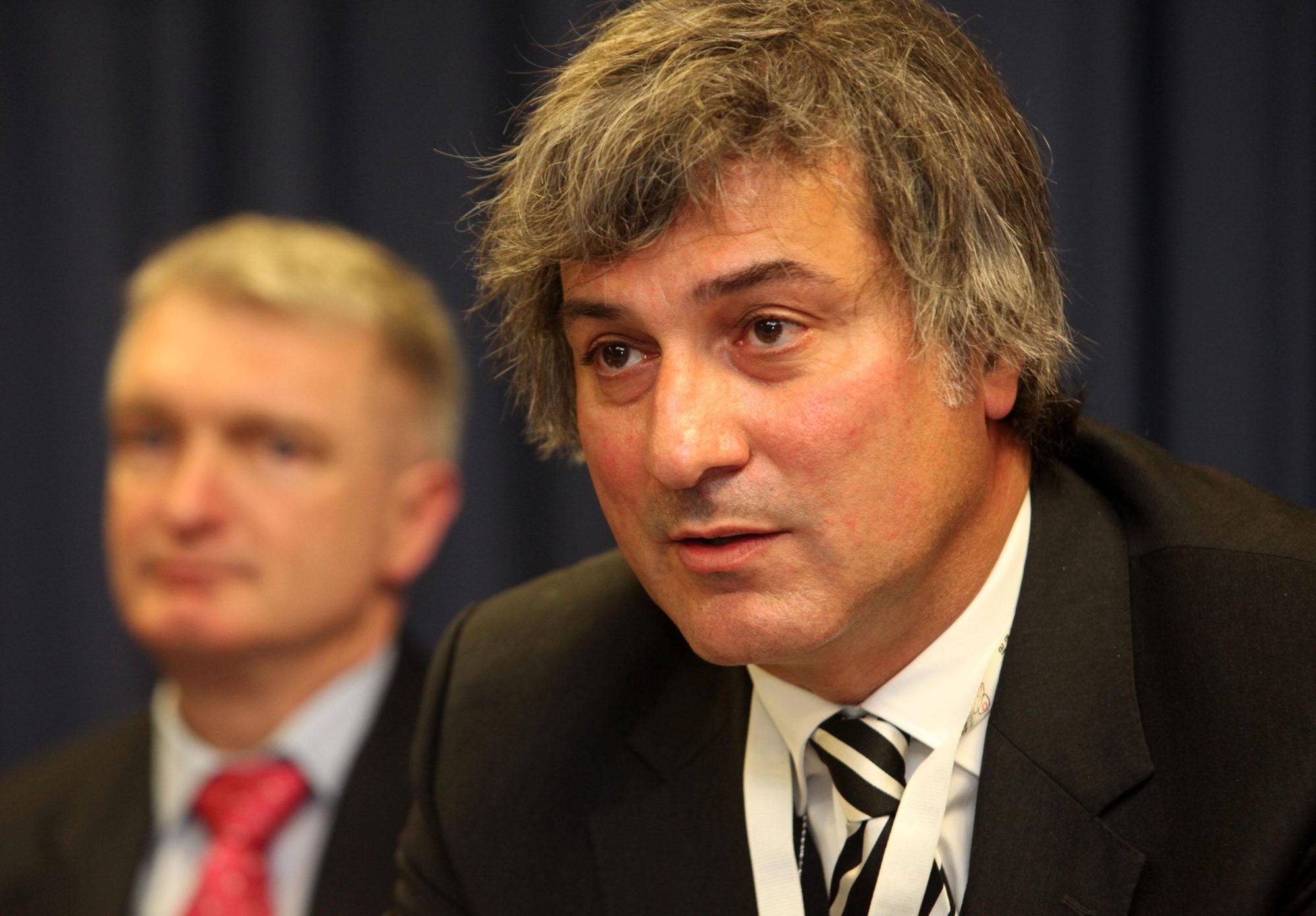
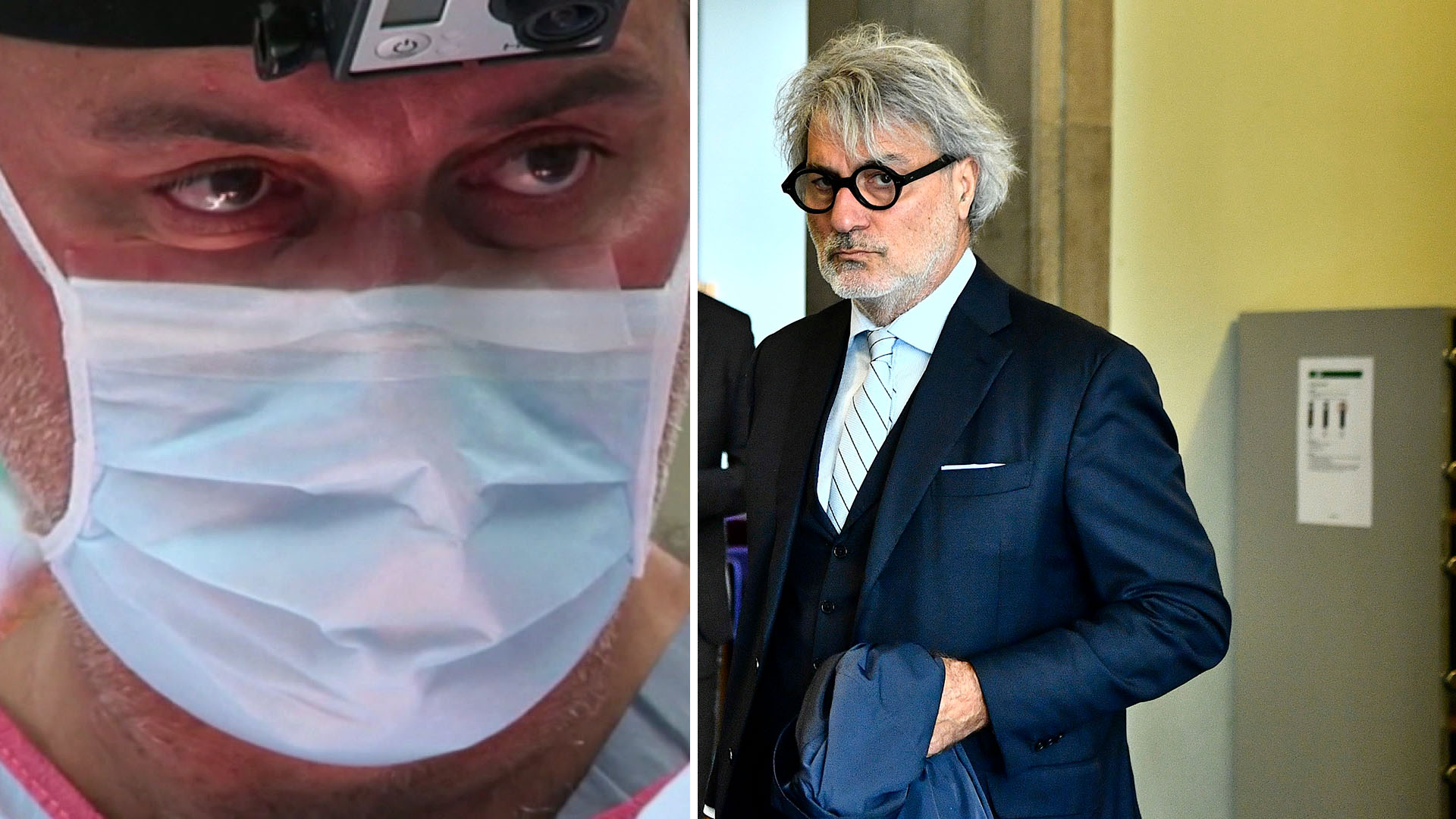
The 2025 timeline concerning Paolo Macchiarini encompasses the ongoing legal aftermath, academic investigations, and institutional fallout stemming from his fraudulent synthetic trachea transplant surgeries. While Macchiarini’s peak operational years occurred between 2011 and 2014 at the Karolinska Institute, subsequent years—including 2025—have continued to focus on accountability, institutional ethics reforms, and the long-term legal consequences of medical malpractice on a global scale.
Understanding the full scope of the Macchiarini case requires separating the clinical timeline of the experimental procedures from the multi-year investigative and judicial processes that followed. This overview examines the institutional failures, legal milestones, and enduring bioethical lessons that define the discourse surrounding his case.
Background and the Synthetic Trachea Scandal
To understand any modern milestone or retrospective assessment of the case, one must examine the foundational events that brought Paolo Macchiarini to international prominence and subsequent disgrace. Macchiarini was a thoracic surgeon who gained notoriety for performing surgeries involving synthetic tracheas scaffolded with a patient's own stem cells. Promoted as a revolutionary breakthrough in regenerative medicine, these procedures were initially performed at the Karolinska Institute in Sweden and later in other countries, including Russia, the United States, and Spain.
The premise of the operation was that a plastic scaffold (made of polyethylene terephthalate and coated with nanocomposite materials) seeded with bone marrow stem cells would regenerate into a living, fully functional organ. However, clinical reality starkly contradicted these claims.
The Clinical Outcome
Of the patients who received synthetic tracheas from Macchiarini and his team, the vast majority suffered catastrophic complications, including:
- Scaffold degradation and detachment
- Severe infections and tissue necrosis
- Airway obstruction and recurrent hemorrhaging
- Progressive organ failure leading to death
Independent investigations later revealed that preclinical animal testing was virtually nonexistent or deeply flawed before these procedures were attempted on human subjects. Furthermore, informed consent protocols were severely compromised, and institutional oversight at premier research bodies like the Karolinska Institute failed to flag glaring discrepancies between claimed patient outcomes and actual clinical statuses.
Investigative Journalism and Whistleblower Actions
The unraveling of Macchiarini’s career stands as a landmark case study in investigative journalism and academic whistleblowing. Long before formal legal indictments were handed down, internal and external pressures began mounting.
In 2014, four senior physicians at the Karolinska University Hospital filed formal concerns regarding research fraud and lack of ethical approval for the synthetic trachea transplants. Despite these warnings, initial institutional inquiries cleared Macchiarini of scientific misconduct, demonstrating a profound conflict of interest within elite academic networks.
The turning point arrived through investigative media reporting, most notably via the Swedish public service broadcaster SVT and its documentary series Experimenten (The Experiments) in 2016. The reporting exposed systemic failures in how the Karolinska Institute handled allegations of scientific misconduct, prompting international outrage, the resignation of high-ranking university officials, and renewed criminal investigations by Swedish prosecutors.
Legal Proceedings and Judicial Timeline
The legal reckoning for Paolo Macchiarini has spanned multiple jurisdictions and several years, moving slowly through complex international legal frameworks.
| Jurisdiction / Body | Nature of Proceedings | Status and Outcomes |
|---|---|---|
| Sweden (Karolinska Institute) | Initial workplace and research misconduct investigations | Led to dismissal of Macchiarini in 2016; subsequent police investigations into gross causing of bodily harm. |
| Sweden (Court of Appeal) | Criminal prosecution for assault | In June 2023, the Svea Court of Appeal convicted Macchiarini of gross assault against three patients, sentencing him to two years and six months in prison. |
| Italy | Medical license and prior professional scrutiny | Disciplinary actions and local medical board investigations regarding credentials and prior institutional practices. |
| Spain / Russia / US | Institutional reviews and regulatory inquiries | Local hospitals and universities severed ties and reviewed internal credentialing processes for visiting surgeons. |
The culmination of the Swedish judicial process in 2023 marked the first time a major international medical researcher faced criminal conviction for experimental surgical practices of this magnitude. The appeals court determined that the procedures were not legally justifiable as life-saving treatments given the lack of preclinical testing and the foreseeable risk of severe harm.
| Key Legal Phase | Primary Focus | Consequence |
|---|---|---|
| Phase 1: Internal Reviews (2014–2016) | Whistleblower reports and institutional defense | Initial dismissal of claims followed by public exposure and resignations. |
| Phase 2: Criminal Indictments (2020–2022) | Prosecutor-led investigations into bodily harm | Formal charges filed by Swedish prosecutors regarding specific patient cases. |
| Phase 3: Conviction and Sentencing (2023–Present) | Judicial appeals and establishment of legal precedent | Upholding of gross assault convictions and implementation of strict institutional reforms. |
Impact on Global Bioethics and Research Integrity
The fallout from the Macchiarini scandal extends far beyond the courtroom, permanently altering global standards for clinical trials, institutional governance, and regenerative medicine.
Institutional Governance and Conflict of Interest
Major research universities and teaching hospitals worldwide reevaluated how they vet visiting professors and high-profile international recruits. The scandal exposed the vulnerability of academic institutions driven by prestige, funding, and media attention, demonstrating that traditional peer review and internal compliance mechanisms are insufficient when individual ambition overrides institutional skepticism.
Informed Consent and Experimental Procedures
Regulatory bodies, including the European Medicines Agency (EMA) and the U.S. Food and Drug Administration (FDA), strengthened oversight regarding "compassionate use" exemptions and experimental surgical innovations. The case underscored that labeling a procedure as compassionate use does not exempt clinicians from rigorous preclinical safety testing, independent ethical review, and transparent documentation of risks.
Frequently Asked Questions
What was Paolo Macchiarini's primary claim to fame?
Paolo Macchiarini rose to prominence for pioneering synthetic trachea transplants seeded with stem cells. He claimed these procedures offered a regenerative solution for patients with severe airway damage, though subsequent investigations proved these claims were fraudulent and scientifically unfounded.
How many patients received synthetic tracheas from Macchiarini?
Macchiarini performed synthetic trachea transplants on approximately 20 patients across multiple countries, including Sweden, Russia, the United States, and Spain. The vast majority of these patients experienced severe complications and ultimately died from the procedures.
What was the final legal verdict against Macchiarini?
In June 2023, the Svea Court of Appeal in Sweden convicted Macchiarini of gross assault against three patients, sentencing him to two years and six months in prison. This followed earlier dismissals and subsequent appeals within the Swedish judicial system.
How did the Karolinska Institute respond to the scandal?
The Karolinska Institute faced severe international criticism for initially clearing Macchiarini of misconduct. In response to the fallout, the institution overhauled its leadership, revised its research integrity guidelines, and implemented stricter background check and credential-verification protocols for academic appointments.
Why is the Macchiarini case considered a watershed moment in bioethics?
The case exposed deep vulnerabilities in medical research oversight, particularly regarding the pressure on institutions to commercialize unproven biotechnologies. It prompted international calls for stricter enforcement of preclinical animal testing standards and tighter controls on compassionate use exemptions in surgery.
Practical Recommendations for Research Oversight and Patient Advocacy
For medical professionals, institutional administrators, and patients navigating modern healthcare systems, the Macchiarini case offers critical takeaways regarding safety and compliance:
- Verify Institutional Credentials: Academic and medical institutions must independently verify professional credentials, prior research funding, and publication records rather than relying on institutional prestige or self-reported CVs.
- Prioritize Whistleblower Protection: Healthcare facilities must establish confidential, independent channels for reporting clinical anomalies without fear of professional retaliation.
- Demand Preclinical Transparency: Regulatory bodies and ethical review boards should enforce rigorous, peer-reviewed animal and laboratory data before approving first-in-human surgical innovations.
- Maintain Realistic Informed Consent: Patients and families considering experimental therapies should seek second opinions from independent medical centers not financially or reputationally tied to the innovating surgical team.