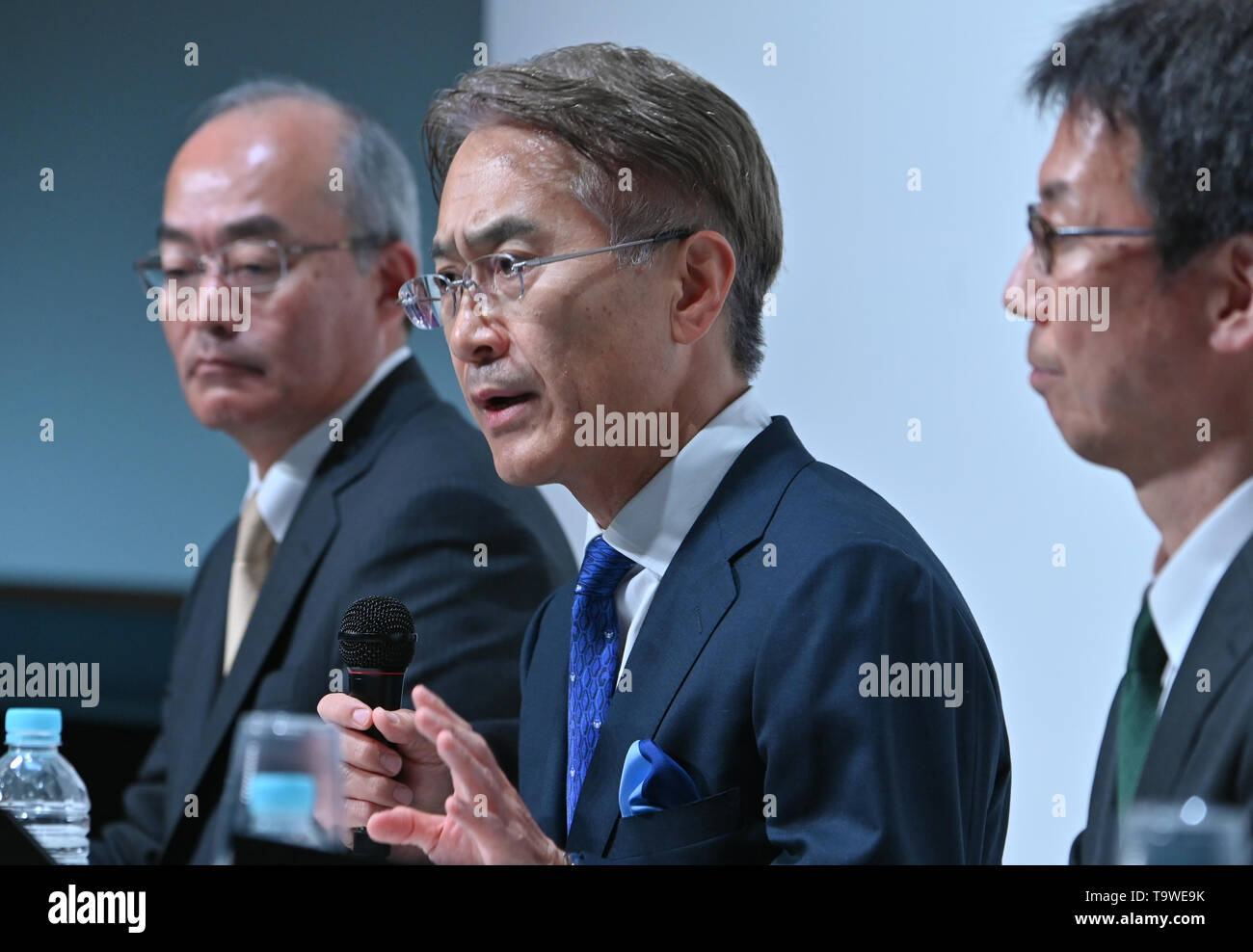
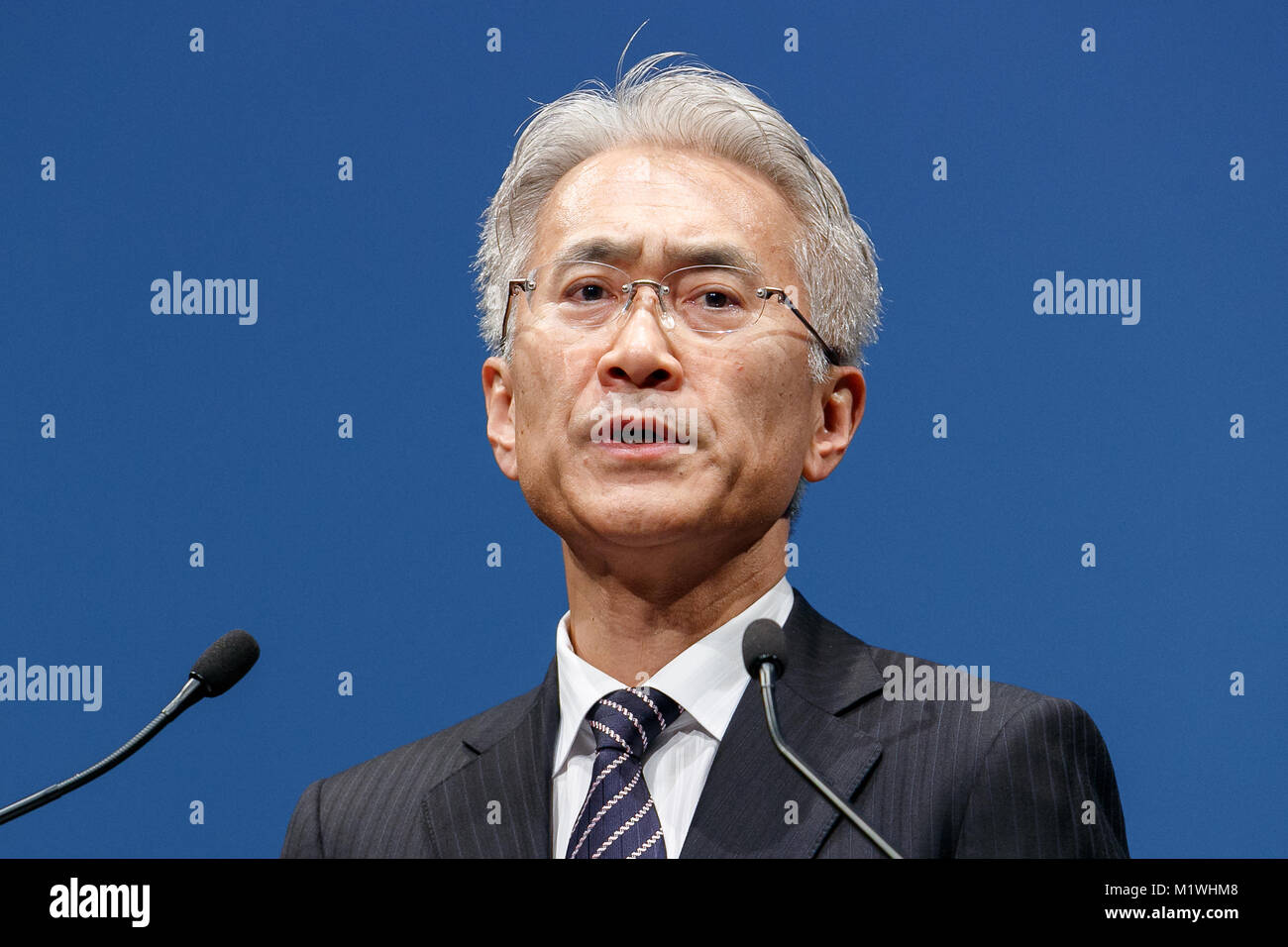
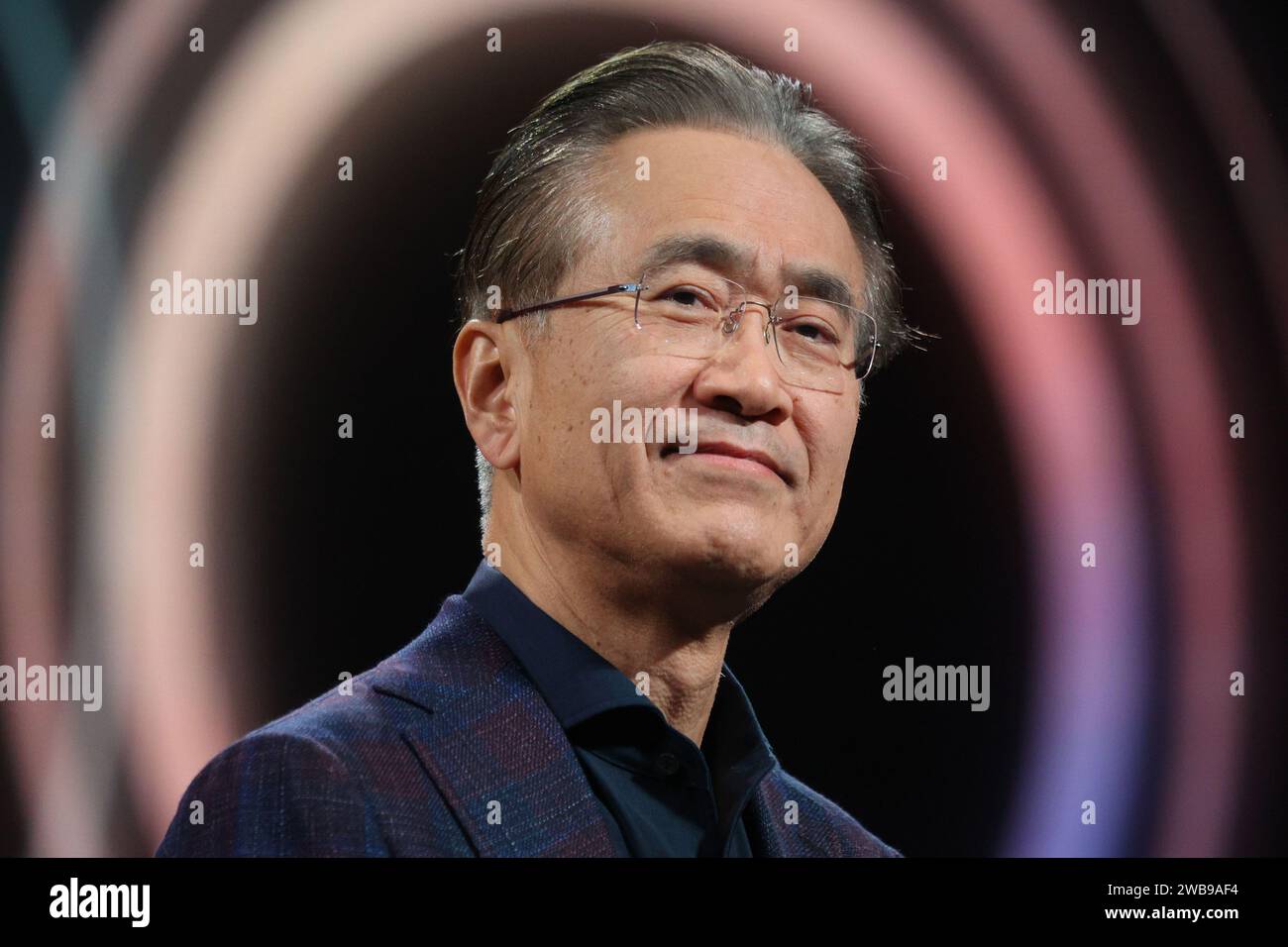
Kenichiro Yoshida’s financial standing around the year 2020 reflects his tenure as the Chief Executive Officer of Sony Corporation, encompassing corporate stock holdings, executive compensation packages, and broader market evaluations of multinational technology leadership. While precise, publicly traded net worth figures for private executives are rarely disclosed in exact totals, financial analysts and regulatory filings provide a clear framework for understanding the composition, sources, and scale of executive wealth during this period.
The Role of Kenichiro Yoshida at Sony Corporation
To understand the financial metrics associated with Kenichiro Yoshida, it is necessary to examine his professional trajectory within Sony Corporation. Yoshida assumed the role of President and CEO in April 2018, succeeding Kazuo Hirai, after serving as Chief Financial Officer (CFO). His appointment was widely credited by market analysts with steering the multinational conglomerate through a successful financial turnaround, pivoting the business away from struggling consumer electronics toward high-margin image sensors, gaming (PlayStation), and entertainment sectors.
During 2020, Yoshida’s leadership was tested by the onset of the global COVID-19 pandemic, which paradoxically accelerated demand for home entertainment and digital services while disrupting global supply chains. Financial reports filed with the Tokyo Stock Exchange during this fiscal period highlighted robust operating income, largely driven by the gaming and network services divisions. As the top executive of a major global enterprise listed on the Tokyo Stock Exchange and the New York Stock Exchange, Yoshida’s compensation and financial holdings became a matter of public regulatory interest.
Executive Compensation Structures in Japanese Corporations
Executive compensation in Japan differs structurally from practices common in the United States. Historically, Japanese corporate compensation relied heavily on base salaries with conservative performance bonuses. However, by 2020, Sony Corporation had adopted a more globally aligned compensation structure that incorporated significant equity-based incentives, performance-linked stock compensation, and long-term incentives tied to total shareholder return (TSR).
Under Japanese corporate disclosure laws, companies are required to individually disclose the compensation of executives who receive total compensation exceeding 100 million yen. Yoshida’s compensation package during this period typically consisted of:
- Base Salary: A fixed annual cash payment reflecting his responsibilities as CEO.
- Performance-Linked Bonuses: Short-term cash incentives tied to consolidated operating income and strategic milestones achieved during the fiscal year.
- Stock-Based Compensation: Restricted stock units (RSUs) and performance share units designed to align the executive's financial interests directly with shareholder value.
Estimating Net Worth: Public Equities and Disclosed Assets
Calculating an exact net worth for figures like Kenichiro Yoshida involves evaluating publicly accessible data points, primarily corporate proxy statements and insider trading reports. Unlike founders who hold massive foundational stakes in their companies, professional corporate executives typically derive their net worth from accumulated compensation, vested stock options, restricted shares, and personal investments.
In public filings submitted by Sony Corporation, executive share ownership is periodically reported. While Yoshida did not hold a founding stake comparable to tech entrepreneurs in Silicon Valley, his equity accumulation through years of service—including his critical tenure as CFO—represented a substantial portfolio. The valuation of these shares fluctuated daily based on Sony's stock performance on global exchanges. In 2020, Sony's stock experienced strong momentum due to anticipation surrounding the launch of the PlayStation 5 console and sustained demand for CMOS image sensors used in smartphones worldwide.
| Financial Component | Source / Mechanism | Relevance to Executive Wealth |
|---|---|---|
| Base Salary | Annual corporate payroll | Provides predictable, baseline liquidity |
| Performance Bonuses | Fiscal year operating results | Varies annually based on corporate profitability |
| Restricted Stock Units (RSUs) | Long-term incentive plans | Links executive wealth directly to stock market valuation |
| Open Market Holdings | Direct share purchases | Demonstrates alignment with external shareholder interests |
Market Context and Economic Environment in 2020
The year 2020 introduced unprecedented macroeconomic volatility due to the COVID-19 pandemic. Central banks implemented aggressive monetary policies, and global technology stocks experienced significant bifurcations. While traditional brick-and-mortar sectors struggled, technology, gaming, and digital entertainment conglomerates saw surges in market capitalization.
Sony Corporation’s market capitalization crossed substantial thresholds during 2020, bolstering the value of equity-based compensation held by its executive leadership team. Analysts monitoring executive wealth during this period noted that stock appreciation played a far more significant role in growing net worth than annual cash salaries or short-term bonuses. Consequently, public interest searches regarding "2020 kenichiro yoshida net worth" frequently coincided with periods of strong financial reporting and announcements regarding Sony’s gaming and semiconductor divisions.
Regulatory Disclosure Requirements and Transparency
Evaluating executive wealth requires navigating strict regulatory frameworks. In Japan, the Cabinet Office Ordinance on Disclosure of Corporate Information mandates detailed reporting of executive remuneration in annual securities reports (Yukashoken-Hokokusho). These reports provide transparency regarding the total remuneration paid to directors and executive officers, distinguishing between monetary compensation and stock options.
However, these disclosures do not constitute a complete personal net worth statement. Personal real estate holdings, private investments outside the corporation, family assets, and tax liabilities are private matters not captured in corporate proxy filings. Therefore, any specific numerical net worth figure published by third-party biographical websites or financial blogs must be viewed as an unverified estimate rather than an officially certified audit.
Comparison of Executive Wealth Dynamics
To contextualize Kenichiro Yoshida’s financial profile within global corporate governance, it is helpful to compare the structural differences between Japanese professional executives and founders or Western corporate leaders.
- Founder-CEOs: Individuals who start companies often retain double-digit equity percentages, resulting in multi-billion-dollar net worth figures tied directly to enterprise valuation.
- Professional CEOs (Japan): Leaders promoted from within, such as Yoshida, typically accumulate wealth through decades of high-level salary and performance-tied equity grants, resulting in net worth figures measured in tens of millions rather than billions.
- Western Professional CEOs: Executives in US technology firms frequently receive large upfront stock option grants that can scale rapidly based on aggressive growth targets, often yielding higher reported equity values than their Japanese counterparts.
Frequently Asked Questions
What was Kenichiro Yoshida’s role at Sony in 2020?
Kenichiro Yoshida served as the President and Chief Executive Officer (CEO) of Sony Corporation throughout 2020, having previously served as the company’s Chief Financial Officer (CFO).
How is executive net worth typically calculated for public CEOs?
Executive net worth is estimated by aggregating disclosed base salaries, cash bonuses, the market value of vested stock holdings, and reported insider share transactions. Private assets and liabilities are generally not publicly available.
Did Sony Corporation perform well financially in 2020?
Yes, Sony reported strong financial results in 2020, driven heavily by high demand for the PlayStation brand, digital network services, and image sensors, despite broader economic disruptions caused by the COVID-19 pandemic.
Are exact net worth figures for corporate executives publicly verified?
No. While executive compensation and insider share ownership are strictly regulated and disclosed in corporate filings, total personal net worth is private information. Public figures provided online are estimates based on available regulatory data.
Why do executive compensation packages include stock options?
Stock options and restricted stock units are utilized by corporate boards to align the financial interests of executive management with the long-term returns experienced by external shareholders.
Conclusion and Financial Perspective
Assessing the financial standing of corporate leaders like Kenichiro Yoshida in 2020 requires looking beyond speculative online net worth estimates and focusing on verifiable regulatory filings. Through disciplined corporate leadership, strategic asset reallocation, and equity-based remuneration tied to Sony's market performance, Yoshida managed a multi-billion-dollar enterprise during a critical period of global economic transition. For observers tracking executive compensation, understanding the distinction between corporate market capitalization, executive remuneration, and private personal assets remains essential for accurate financial analysis.