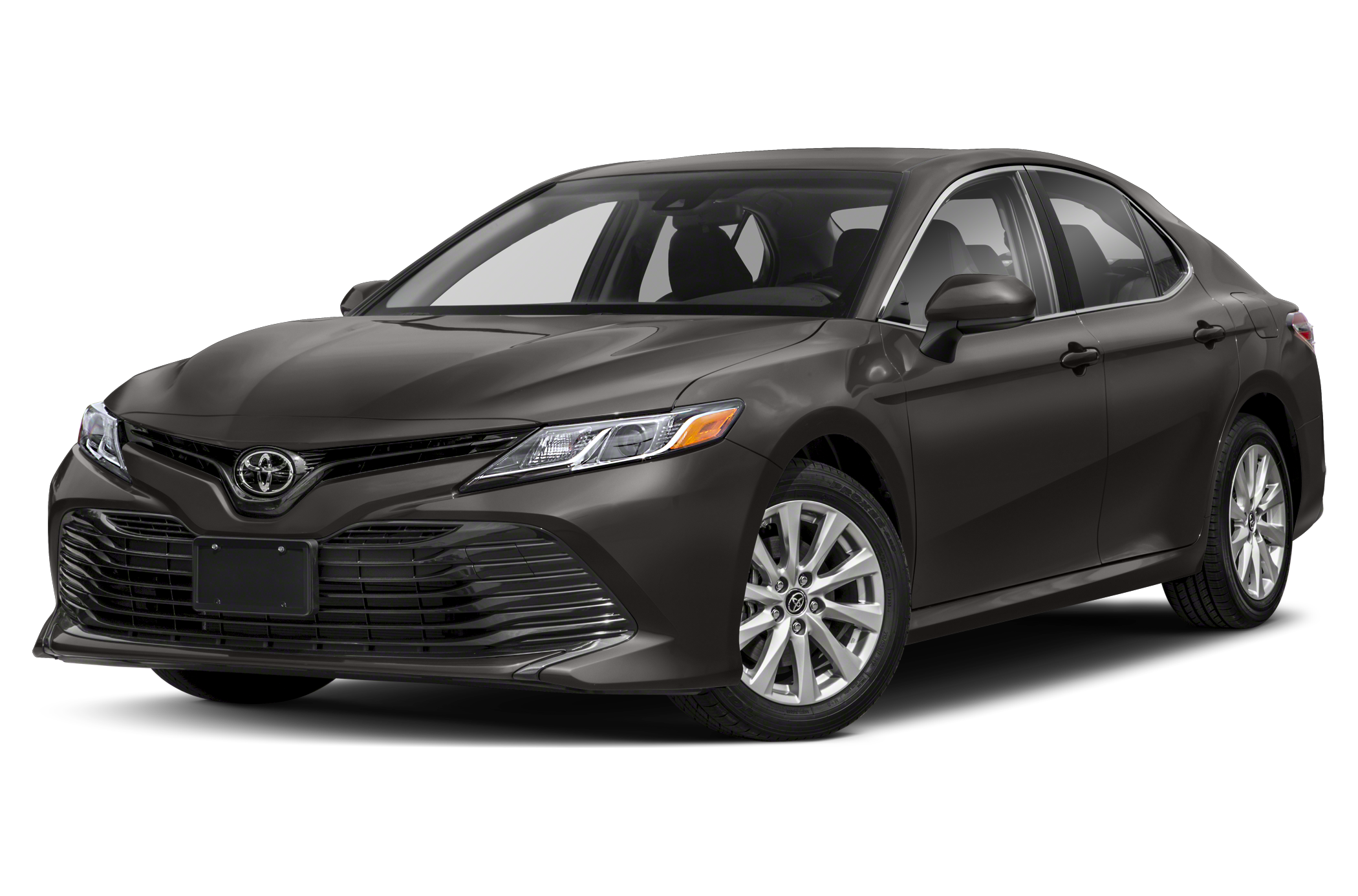
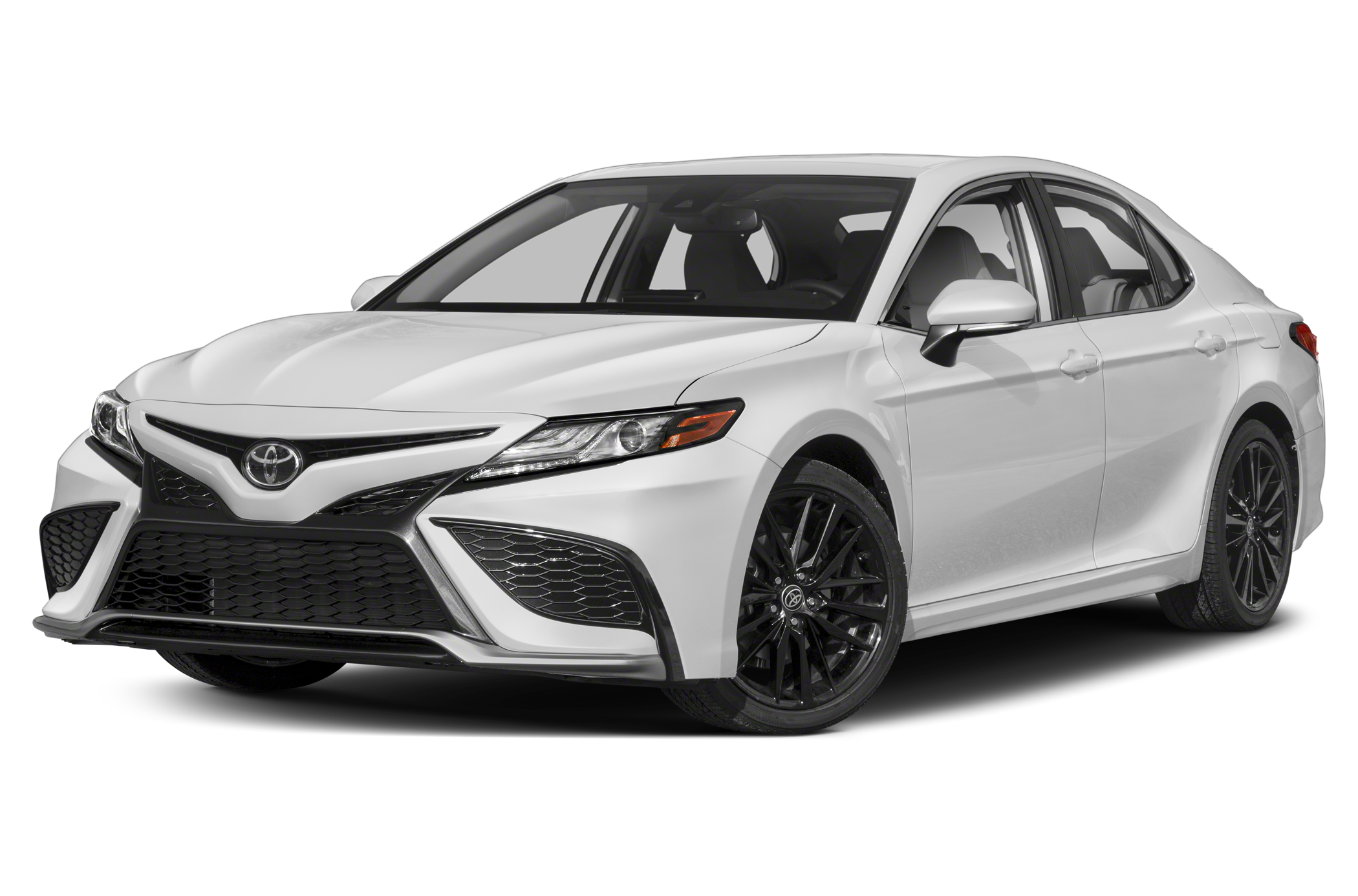
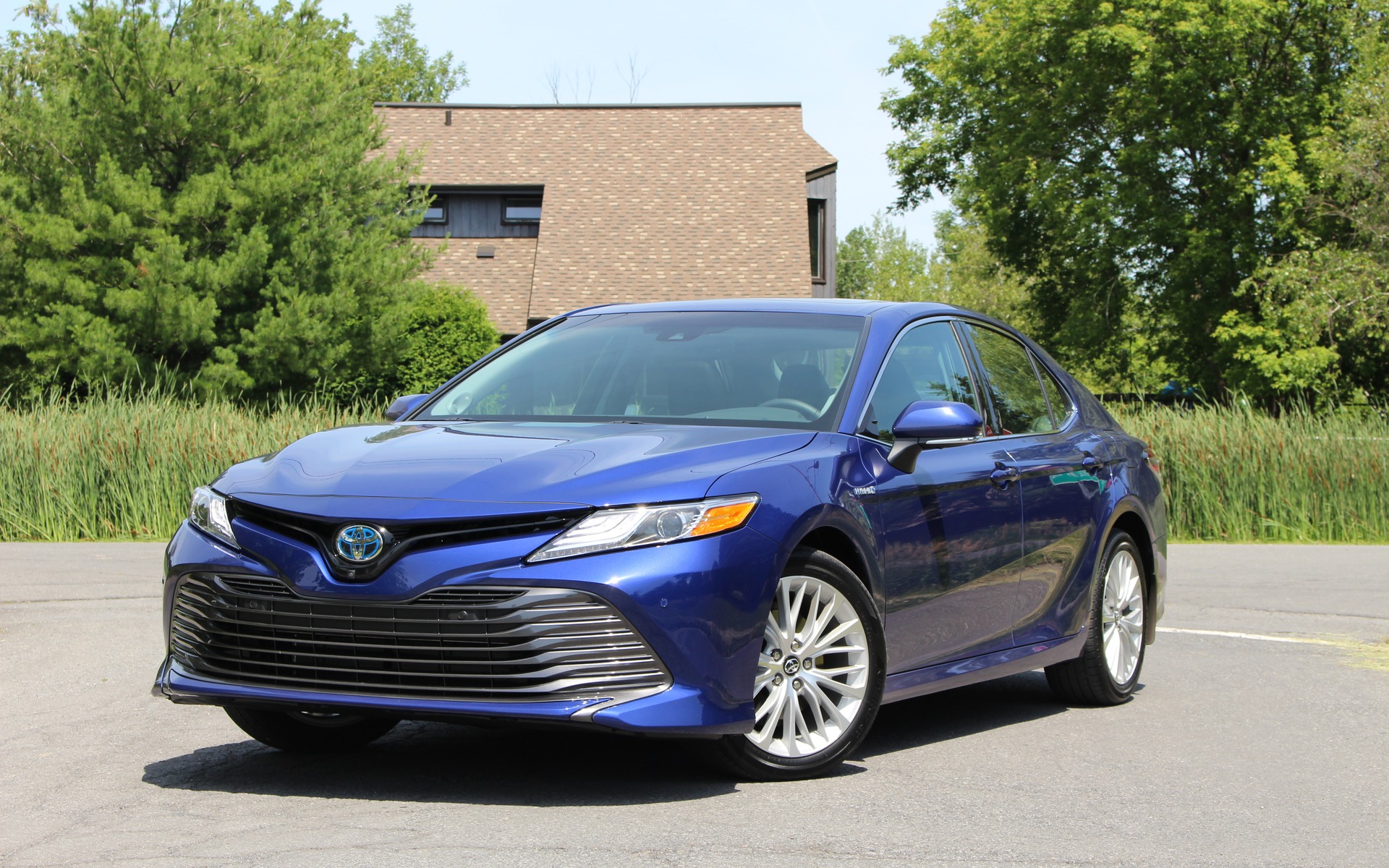
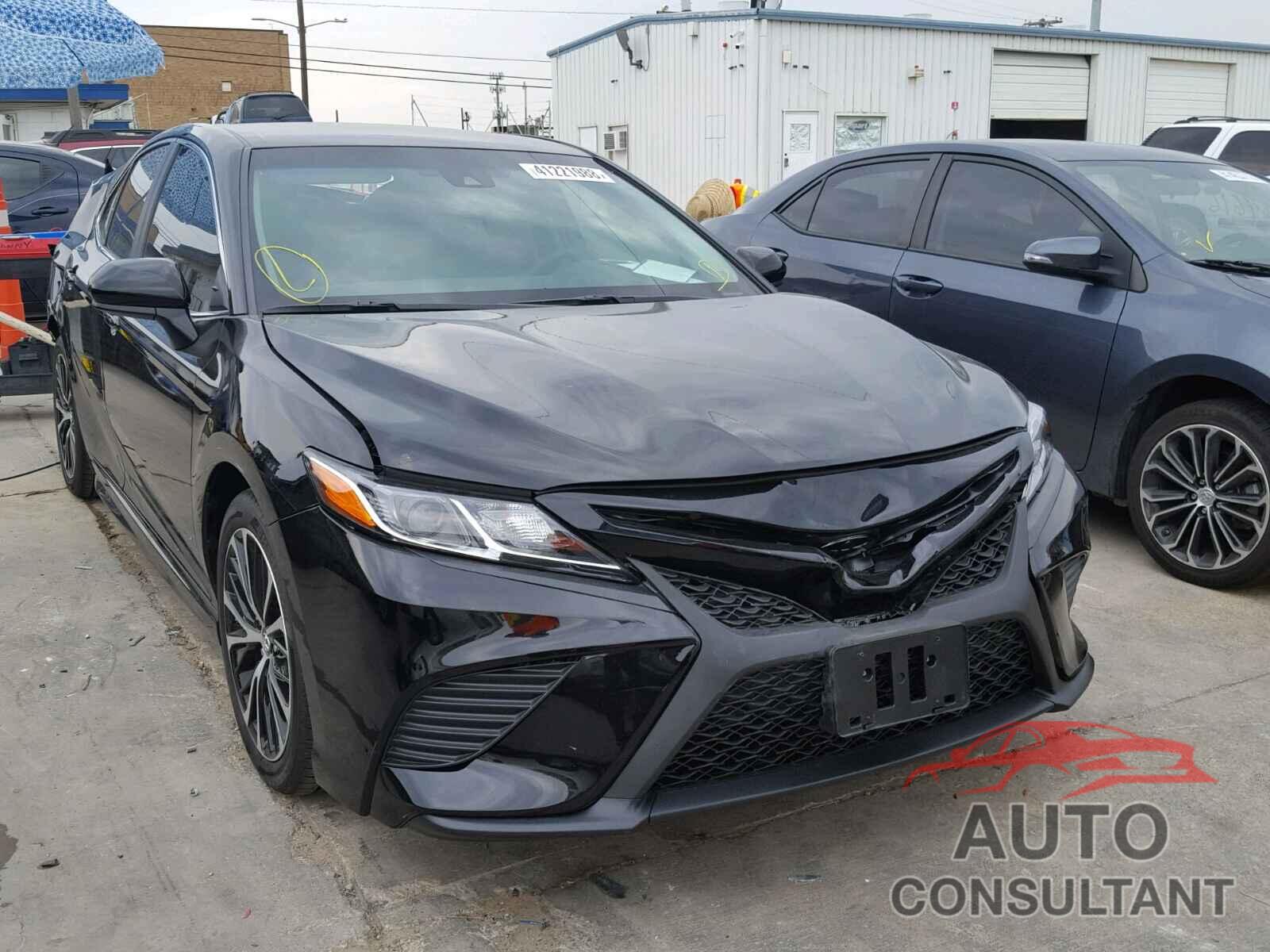
The 2018 Toyota Camry LE features a 2.5-liter Dynamic Force 4-cylinder engine producing 203 horsepower and 184 lb-ft of torque paired with an 8-speed automatic transmission. Built on the TNGA-K platform, it delivers EPA-estimated fuel economy ratings of 28 mpg city, 39 mpg highway, and 32 mpg combined, alongside standard Toyota Safety Sense P (TSS-P) driver assistance.
Overview of the 2018 Toyota Camry LE
The 2018 Toyota Camry marked the launch of the model line's eighth generation (designated internally as the XV70 series). Built from the ground up on the Toyota New Global Architecture (TNGA-K) platform, the 2018 model brought fundamental structural changes compared to previous generations, including a lower center of gravity, a wider stance, and a significantly stiffer unibody structure.
The LE trim level serves as the popular core mid-tier configuration within the Camry lineup. Positioned directly above the fleet-oriented base L trim and below the sport-tuned SE or luxury-oriented XLE trims, the LE balances essential modern technology, upgraded cabin conveniences, and optimal fuel economy. Understanding the technical specifications of the 2018 Camry LE is vital for used car buyers, auto technicians, and vehicle owners evaluating performance, replacement parts, interior space, and running costs.
Engine Architecture and Powertrain Specifications
At the heart of the 2018 Toyota Camry LE is the 2.5-liter Dynamic Force engine (engine code A25A-FKS). This naturally aspirated inline 4-cylinder engine was introduced specifically for the TNGA architecture to achieve higher thermal efficiency and improved power delivery compared to the outgoing 2.5-liter 2AR-FE engine.
Engine Code: A25A-FKS Configuration: Inline 4-Cylinder, DOHC 16-Valve Displacement: 2.5 Liters (2,487 cc) Bore x Stroke: 87.5 mm x 103.4 mm Compression Ratio: 13.0:1 Horsepower: 203 hp @ 6,600 RPM Torque: 184 lb-ft @ 5,000 RPM Thermal Efficiency: 40%
Direct and Port Fuel Injection (D-4S)
The A25A-FKS engine utilizes Toyota’s D-4S dual-injection system, which combines both high-pressure direct fuel injection into the combustion chamber and low-pressure port fuel injection into the intake ports. The engine ECU dynamically chooses between port injection, direct injection, or both depending on engine load, RPM, and operating temperature:
- Light to Moderate Loads: Operates using both direct and port injection to optimize fuel-air mixing, lower emissions, and stabilize combustion.
- High Loads / Hard Acceleration: Transitions predominantly to direct injection, which cools the intake charge inside the cylinder, preventing engine knock and allowing the high 13.0:1 compression ratio without requiring premium fuel.
Valve Timing and Thermal Management
The engine features VVT-iE (Variable Valve Timing-intelligent Electric) on the intake camshaft, which uses an electric motor rather than oil pressure to adjust intake valve timing. This system operates across a wider temperature range and at lower engine speeds than traditional hydraulic systems. Variable valve timing on the exhaust camshaft (VVT-i) remains hydraulically controlled.
To maximize efficiency, the engine achieves a 40% thermal efficiency rating through multi-hole direct injectors, high-tumble intake ports, a laser-clad valve seat design, a variable cooling system, and an electric water pump.
Transmission and Drivetrain Configuration
Power is transmitted to the front wheels via Toyota's Direct Shift 8-speed automatic transmission (UB80E). This transmission was engineered with a wider gear ratio spread than the outgoing 6-speed automatic, allowing for punchier low-end acceleration in lower gears and reduced engine RPM during highway cruising in top gears.
- Drive Layout: Front-Wheel Drive (FWD). All-wheel drive (AWD) was not available for the 2018 Camry model year; it was added later to the lineup in 2020.
- Torque Converter: Equipped with a multi-plate lock-up clutch that engages across a wider operating range to minimize power loss through liquid coupling.
Fuel Economy, Tank Capacity, and Cruising Range
The efficiency upgrades integrated into the 2.5-liter Dynamic Force engine and 8-speed transmission yield high EPA fuel economy ratings for a midsize sedan of its footprint.
EPA City Rating: 28 MPG EPA Highway Rating: 39 MPG EPA Combined Rating: 32 MPG Fuel Tank Capacity: 16.0 Gallons (60.6 Liters) Recommended Fuel Octane: 87 Unleaded (Regular) Theoretical Max Highway Range: ~624 Miles
Fuel Economy Variances Across Trims
It is important to note that the LE trim receives an EPA rating of 28 MPG City / 39 MPG Highway / 32 MPG Combined. While the ultra-stripped base L trim achieved slightly higher ratings (29 City / 41 Highway / 34 Combined), this was due to its smaller 16-inch steel wheels, narrower tires, lighter overall curb weight, and a smaller 14.5-gallon fuel tank.
The LE trim features a larger 16.0-gallon fuel tank, providing a total theoretical highway driving range exceeding 600 miles under optimal driving conditions.
Chassis, Suspension, and Braking Systems
The adoption of the TNGA-K platform significantly altered the chassis design and vehicle dynamics of the 2018 Camry LE compared to previous generations. torsional rigidity was increased by roughly 30%, providing a stable baseline for chassis tuning.
Platform: Toyota New Global Architecture (TNGA-K) Front Suspension: Independent MacPherson Strut with Stabilizer Bar Rear Suspension: Multi-Link Double Wishbone with Stabilizer Bar Steering System: Electric Power Steering (EPS), Rack-and-Pinion Steering Turns (Lock-to-Lock): 2.6 Turns Turning Circle (Curbside to Curbside): 37.4 Feet
Suspension Dynamics
Unlike older Camry models that relied on dual-link Strut setups at the rear axle, the 2018 Camry LE features a multi-link double-wishbone rear suspension. This design isolates road shocks more effectively while maintaining tire contact patch geometry during cornering and load transfers. The front suspension retains an independent MacPherson strut configuration mounted to a subframe for vibration damping.
Brakes, Wheels, and Tires
The 2018 Camry LE comes standard with 4-wheel disc brakes combined with an Electronic Parking Brake (EPB) featuring automatic hold capabilities.
- Front Brakes: 11.8-inch ventilated disc rotors with single-piston calipers.
- Rear Brakes: 11.1-inch solid disc rotors with single-piston calipers.
- Standard Wheels: 17-inch x 7.5-inch silver-painted aluminum alloy wheels.
- Standard Tires: P215/55R17 all-season tires.
- Spare Tire: Compact temporary spare tire stored under the trunk floor.
Exterior Dimensions and Weight Specifications
The 2018 Camry LE expanded slightly in length and width compared to the 2017 model, while dropping its overall roofline to improve aerodynamic efficiency and high-speed stability.
| Dimension Metric | Specification (Imperial) | Specification (Metric) |
|---|---|---|
| Wheelbase | 111.2 in. | 2,824 mm |
| Overall Length | 192.1 in. | 4,879 mm |
| Overall Width | 72.4 in. | 1,839 mm |
| Overall Height | 56.9 in. | 1,445 mm |
| Front Track Width | 62.2 in. | 1,580 mm |
| Rear Track Width | 62.6 in. | 1,590 mm |
| Ground Clearance | 5.7 in. | 145 mm |
| Curb Weight | 3,296 lbs. | 1,495 kg |
| Coefficient of Drag (Cd) | 0.28 | 0.28 |
Interior Dimensions, Seating, and Cargo Capacity
The interior layout of the 2018 Camry LE focuses on ergonomic driver controls and occupant comfort. One key structural upgrade of the LE trim over the lower L trim is the inclusion of a power driver's seat and standard split-folding rear seats.
Seating Capacity: 5 Passengers EPA Total Passenger Volume: 100.4 cu. ft. Trunk Cargo Volume: 15.1 cu. ft.
Front Seat Dimensions
- Headroom: 38.3 in. (without moonroof)
- Legroom: 42.1 in.
- Shoulder Room: 57.7 in.
- Hip Room: 55.4 in.
- Driver Seat Adjustment: 8-way power-adjustable driver's seat with power lumbar support.
- Front Passenger Seat Adjustment: 4-way manual-adjustable front passenger seat.
Rear Seat Dimensions
- Headroom: 38.0 in.
- Legroom: 38.0 in.
- Shoulder Room: 55.7 in.
- Hip Room: 54.7 in.
- Rear Seat Utility: 60/40 split fold-down rear seats with center armrest and cup holders (the base L trim has a fixed rear seatback without a split fold option).
Safety Features and Driver-Assistance Specs
Toyota equipped the 2018 Camry LE with a wide range of standard active and passive safety features. The active safety suite, marketed as Toyota Safety Sense P (TSS-P), relies on a millimeter-wave radar sensor mounted behind the front grille combined with a monocular camera mounted on the upper windshield.
Standard Active Safety Systems (TSS-P)
- Pre-Collision System with Pedestrian Detection (PCS w/ PD): Uses radar and camera systems to detect vehicles or pedestrians ahead. Provides audible/visual warnings and automatically applies emergency braking if collision risk is imminent.
- Dynamic Radar Cruise Control (DRCC): Full-Speed Range DRCC allows the vehicle to maintain a preset speed and distance from preceding traffic, operating down to a complete stop in stop-and-go highway traffic.
- Lane Departure Alert with Steering Assist (LDA w/ SA): Detects visible lane markings at speeds above 32 mph. Alerts the driver if an unindicated lane drift occurs and applies small steering inputs to help keep the vehicle within the lane.
- Automatic High Beams (AHB): Toggles between high and low beams based on ambient lighting conditions and surrounding traffic detection.
Passive Safety Equipment
- Star Safety System: Includes Vehicle Stability Control (VSC), Traction Control (TRAC), Anti-lock Brake System (ABS), Electronic Brake-force Distribution (EBD), Brake Assist (BA), and Smart Stop Technology (SST).
- Airbag Count: 10 standard airbags, including driver and front passenger dual-stage airbags, front and rear seat-mounted side airbags, front knee airbags, and side curtain airbags covering both rows.
- Crash Ratings: The 2018 Camry received a 5-Star Overall Safety Rating from the National Highway Traffic Safety Administration (NHTSA) and was designated a Top Safety Pick+ by the Insurance Institute for Highway Safety (IIHS).
Infotainment, Audio, and Electronics
The 2018 Camry introduced the Entune 3.0 infotainment ecosystem. The LE trim came standard with the baseline Entune 3.0 Audio package.
Screen Size: 7.0-inch Capacitive Touchscreen Display Speaker Configuration: 6 Speakers Connected Services: Scout GPS Link App Compatibility, Siri Eyes Free USB Ports: 1 Front USB Media Port (1.5A), 2 12V Auxiliary Power Outlets Bluetooth: Hands-free phone capability and wireless audio streaming
Apple CarPlay and Android Auto Availability
When manufactured, the 2018 model year Toyota Camry did not include standard Apple CarPlay or Android Auto support. However, Toyota released an official customer service program in mid-2019 allowing owners to retroactively update the Entune 3.0 system via dealership installation to support Apple CarPlay and Amazon Alexa integration. Android Auto cannot be retrofitted to the factory 2018 unit.
2018 Toyota Camry Trim Level Comparison: L vs. LE vs. SE vs. XLE
To understand where the LE trim fits within the 2018 lineup, compare its technical parameters directly against neighboring trim offerings:
| Feature / Specification | Camry L | Camry LE | Camry SE | Camry XLE (4-Cyl) |
|---|---|---|---|---|
| Engine | 2.5L 4-Cyl (203 hp) | 2.5L 4-Cyl (203 hp) | 2.5L 4-Cyl (203 hp) | 2.5L 4-Cyl (203 hp) |
| Transmission | 8-Speed Automatic | 8-Speed Automatic | 8-Speed Auto (Paddle Shifters) | 8-Speed Automatic |
| Wheels | 16-in. Steel w/ Covers | 17-in. Alloy | 18-in. Black Alloy | 18-in. Chrome Alloy |
| Fuel Tank Capacity | 14.5 Gallons | 16.0 Gallons | 16.0 Gallons | 16.0 Gallons |
| EPA MPG (City/Hwy) | 29 / 41 | 28 / 39 | 28 / 39 | 28 / 39 |
| Driver Seat | 6-Way Manual | 8-Way Power | 8-Way Power | 8-Way Power |
| Seating Material | Fabric | Fabric | SofTex Leatherette | Leather-Trimmed |
| Rear Seat Folding | Fixed Single Unit | 60/40 Split-Folding | 60/40 Split-Folding | 60/40 Split-Folding |
| Suspension Setup | Standard Comfort | Standard Comfort | Sport-Tuned | Standard Comfort |
Maintenance Intervals, Engine Oil Specs, and Ownership Guidelines
Proper upkeep keeps the 2.5-liter A25A-FKS engine operating reliably. Maintenance schedules follow Toyota's standard 5,000-mile or 6-month interval requirements.
Essential Fluids and Capacities
- Engine Oil Type: SAE 0W-20 Full Synthetic (meets ILSAC GF-5 or GF-6 specifications).
- Engine Oil Capacity: 4.8 quarts (4.5 liters) with filter change.
- Coolant Type: Toyota Super Long Life Coolant (pink).
- Coolant Capacity: 7.5 quarts (7.1 liters).
- Transmission Fluid: Toyota Genuine ATF WS (World Standard). Sealed unit; checked via overflow plug during servicing.
- Brake Fluid: DOT 3 or DOT 4 fluid.
Key Maintenance Schedule Milestones
- Every 5,000 Miles / 6 Months: Tire rotation, visual brake inspection, check fluid levels, inspect wiper blades.
- Every 10,000 Miles / 12 Months: Engine oil and filter replacement, cabin air filter inspection.
- Every 20,000 Miles / 24 Months: Replace cabin air filter.
- Every 30,000 Miles / 36 Months: Replace engine air filter, inspect brake lines, drive belts, and steering gearboxes.
- Every 60,000 Miles / 72 Months: Inspect spark plugs, drive belts, and transmission fluid.
- Every 120,000 Miles / 144 Months: Replace iridium spark plugs (Denso or NGK exact match).
Common Service Considerations for Used Buyers
When evaluating a used 2018 Toyota Camry LE, buyers should verify the following technical points:
- Transmission Calibration Updates: Early 2018 models had customer complaints regarding hesitant shift timing on the UB80E 8-speed automatic. Toyota issued Technical Service Bulletins (TSBs) providing revised Transmission Control Module (TCM) software calibrations to smooth gear transitions.
- Fuel Pump Recall: Certain 2018 Camry units fell under a global recall for a low-pressure fuel pump failure (impeller swelling). Check the VIN through official NHTSA databases to confirm recall completion.
- CarPlay Retrofit Verification: Check whether the installed Entune 3.0 software was retrofitted with Apple CarPlay capability by connecting an iPhone via USB.
Frequently Asked Questions
Does the 2018 Toyota Camry LE have Apple CarPlay?
The 2018 Toyota Camry LE did not come standard with Apple CarPlay from the factory. However, Toyota released a dealer retrofitting software update in 2019 that adds Apple CarPlay and Amazon Alexa functionality to the factory Entune 3.0 head unit. Prospective buyers can check if a used vehicle received this update by connecting an iPhone via the front USB port.
What engine comes standard in the 2018 Camry LE?
The standard engine in the 2018 Toyota Camry LE is a 2.5-liter Dynamic Force 4-cylinder engine (A25A-FKS). It generates 203 horsepower at 6,600 RPM and 184 lb-ft of torque at 5,000 RPM. This engine features Toyota's D-4S dual port and direct injection system.
What is the EPA fuel economy of the 2018 Toyota Camry LE?
The EPA estimated fuel economy for the 2018 Toyota Camry LE is 28 MPG city, 39 MPG highway, and 32 MPG combined. It runs on regular 87-octane unleaded gasoline and has a 16.0-gallon fuel tank.
What is the difference between the 2018 Camry L and LE trims?
The LE trim adds several upgrades over the base L model, including 17-inch alloy wheels (instead of 16-inch steel wheels), an 8-way power driver's seat with lumbar support, 60/40 split-folding rear seats (the L has a fixed rear seatback), an overhead console with map lights, a security alarm, and a larger 16.0-gallon fuel tank compared to the L trim's 14.5-gallon tank.
Is the 2018 Toyota Camry LE available with all-wheel drive (AWD)?
No, the 2018 Toyota Camry LE was manufactured exclusively with Front-Wheel Drive (FWD). Toyota did not reintroduce All-Wheel Drive (AWD) to the Camry model range until the 2020 model year.
What tires come standard on the 2018 Camry LE?
The 2018 Toyota Camry LE comes equipped with P215/55R17 all-season tires mounted on 17-inch by 7.5-inch aluminum alloy wheels.
Practical Buying and Ownership Recommendation
If you are inspecting or purchasing a 2018 Toyota Camry LE, prioritize a full vehicle history report to verify completed maintenance and open safety recalls. Ensure that the low-pressure fuel pump recall has been performed by an authorized service department.
When test driving, monitor the gear shifts of the Direct Shift 8-speed automatic transmission. If shifting feels erratic or slow during low-speed accelerations, consult a Toyota dealer to apply the latest TCM software update. Using 0W-20 synthetic oil according to the 10,000-mile schedule will help preserve the high thermal efficiency and longevity of the 2.5-liter Dynamic Force engine.