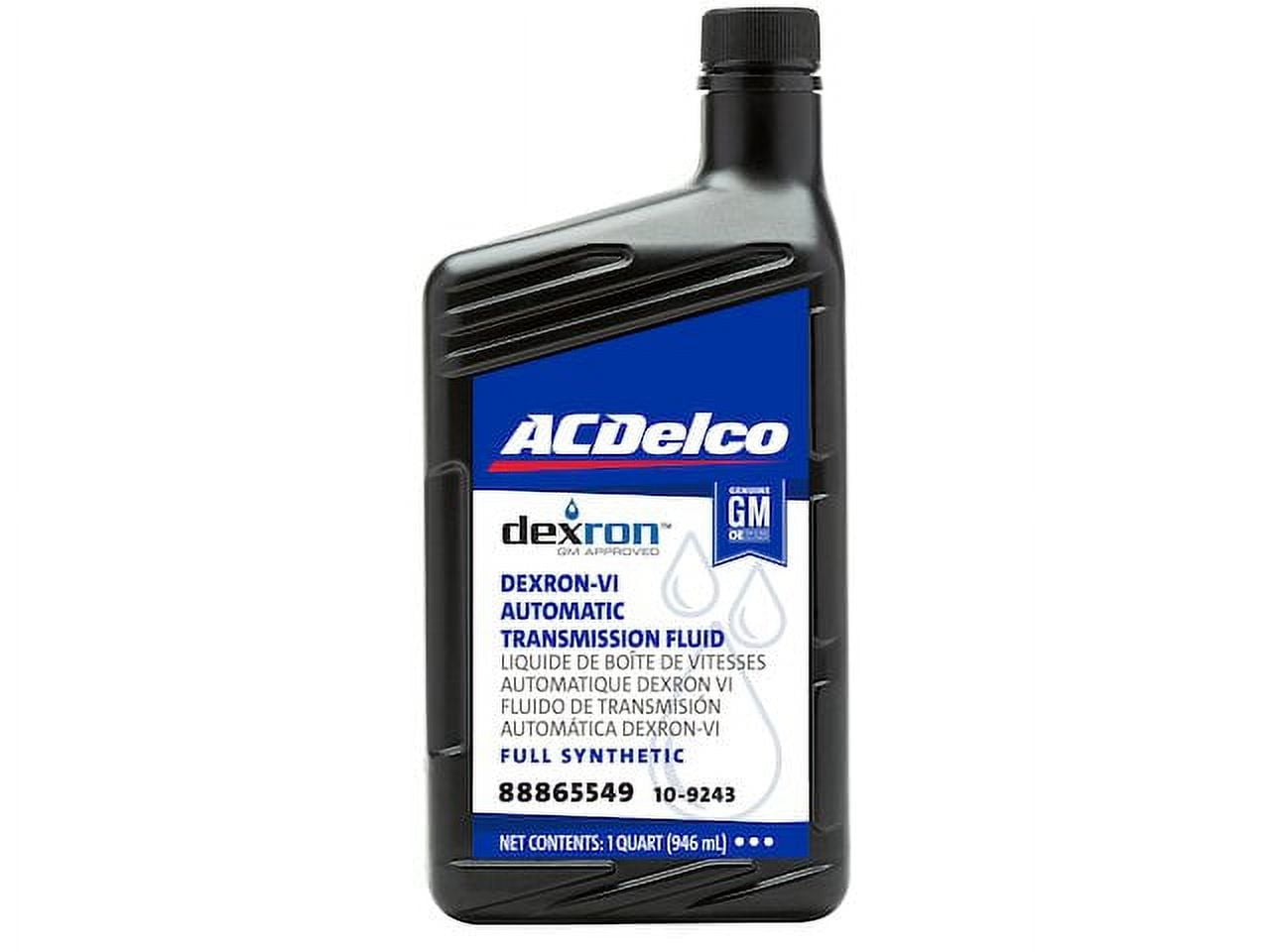
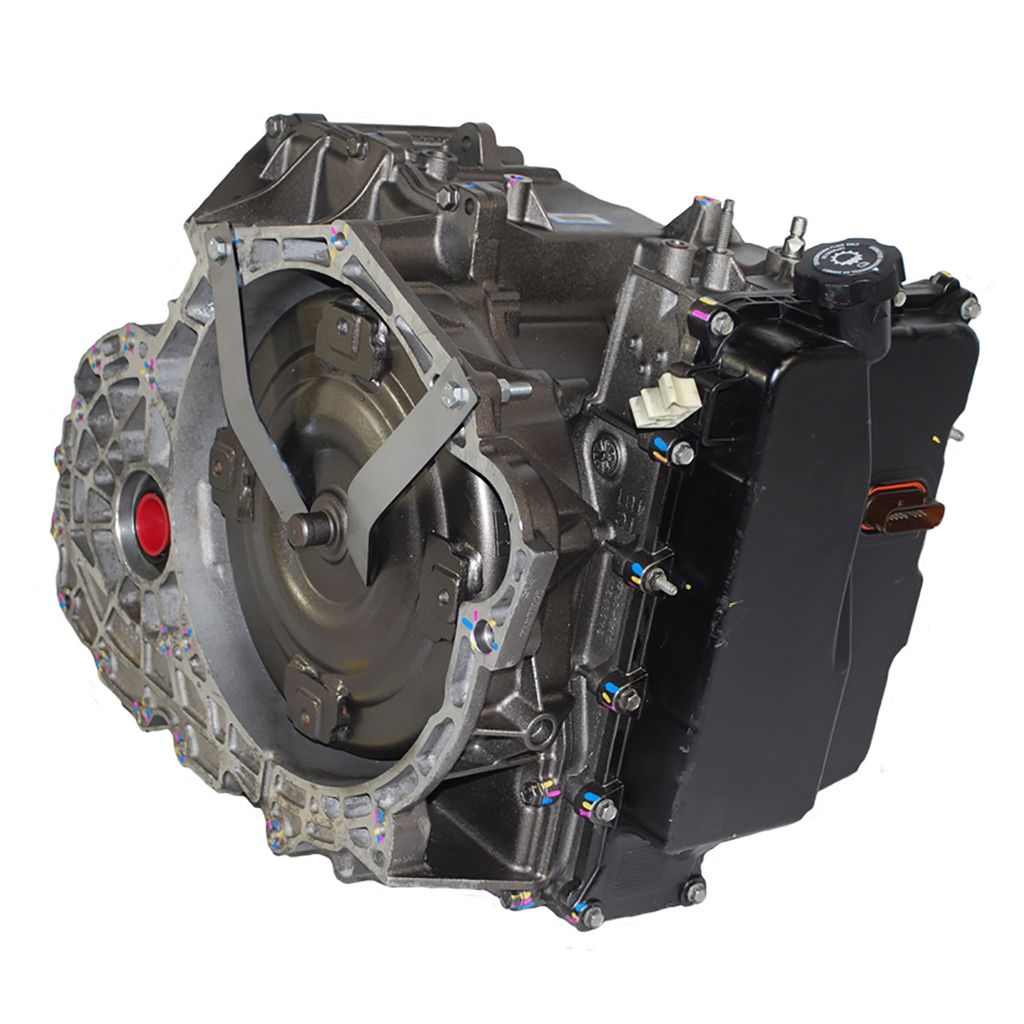
The 2014 GMC Acadia primarily uses Dexron VI (Dexron-VI) automatic transmission fluid, which is the official factory-standard lubricant specified by General Motors for the Hydra-Matic 6T70 and 6T75 six-speed automatic transmissions. Using the correct fluid specification is vital for maintaining hydraulic pressure, ensuring smooth clutch engagement, preventing internal component wear, and extending the overall operational lifespan of the transaxle assembly.
Understanding the 2014 GMC Acadia Transmission System
Before diving into fluid specifications, it helps to understand the hardware under the vehicle. The 2014 GMC Acadia comes equipped with a six-speed automatic transaxle—specifically the 6T70 (for front-wheel-drive and light-duty all-wheel-drive configurations) or the heavier-duty 6T75 variant found in select configurations and its platform siblings. This transaxle combines a traditional automatic transmission with a final drive differential into a single housing.
Because modern automatic transmissions rely heavily on precise hydraulic pressure to actuate clutches, control bands, and shift solenoids, the fluid inside acts as more than just a lubricant. It is a hydraulic working medium, a heat transfer agent, and a friction modifier. Using an incorrect fluid type can disrupt the delicate friction characteristics required by the clutch plates, leading to shuddering, delayed shifts, slipping, and catastrophic internal mechanical failure.
Official Fluid Specification: Dexron VI
General Motors introduced the Dexron-VI specification backward-compatible across older transmission lines while serving as the mandatory fill for modern units like the 6T70/6T75. For a 2014 GMC Acadia, the certified fluid type must meet or exceed GM's Dexron-VI standard.
Why Dexron VI is Required
- Shear Stability: Dexron-VI maintains its viscosity better under high operational temperatures compared to older Dexron-III fluids, ensuring consistent hydraulic pressure during heavy towing or stop-and-go driving.
- Oxidation Resistance: The fluid resists thermal breakdown over extended service intervals, reducing the formation of varnish and sludge that can clog microscopic valve body passages and shift solenoids.
- Friction Characteristics: It provides precise friction coefficients tailored for the clutch material used in GM six-speed transaxles, preventing harsh shifting or excessive clutch wear.
When purchasing fluid, look for bottles explicitly licensed and certified as "Dexron-VI" on the label. Many aftermarket multi-vehicle fluids claim to be "compatible with Dexron-VI," but verified licensed fluids undergo rigorous testing by GM to ensure they meet exact chemical compositions.
Transmission Fluid Capacities and Service Requirements
Knowing the correct fluid type is only half the battle; understanding how much fluid the system holds and when to change it is equally important for proper vehicle maintenance.
Total Capacity vs. Drain and Fill
The 2014 GMC Acadia transmission holds a significant amount of fluid, but a standard service does not drain the entire system.
- Initial Dry Fill (Complete Overbuild): Approximately 9.5 to 10.0 quarts (9.0 to 9.5 liters) when rebuilding or replacing a dry transmission, including the torque converter.
- Standard Drain and Fill: Typically requires between 4.0 and 6.0 quarts of fluid. When you remove the drain plug or drop the pan, a large portion of the fluid remains trapped inside the torque converter, valve body, and internal passages.
Service Intervals: Normal vs. Severe Duty
General Motors outlines two distinct maintenance schedules for the 2014 GMC Acadia transmission:
- Normal Operating Conditions: For daily commuting under moderate weather and highway driving, GM historically categorized transmission fluid as a lifetime fill in some early marketing, but the official service manual recommends inspection and fluid replacement based on operating environments. Many technicians strongly advise changing the fluid every 45,000 to 60,000 miles to prevent premature wear.
- Severe Operating Conditions: If your Acadia is frequently used for towing trailers, hauling heavy cargo, driving in mountainous terrain, idling extensively in heavy city traffic, or operating in extreme ambient temperatures, the fluid should be changed every 45,000 miles.
Fluid Comparison Table: Dexron VI vs. Legacy Standards
To highlight why selecting the correct fluid is crucial, the following table compares the factory-specified Dexron VI against older GM fluids and universal alternatives.
| Fluid Specification | Viscosity Stability | Thermal Breakdown Resistance | Appropriate Transmission Application | Recommended for 2014 GMC Acadia? |
|---|---|---|---|---|
| Dexron-VI | High (Synthetic blend base) | Excellent | Modern GM 6-speed & 8-speed automatic transmissions | Yes (Factory Standard) |
| Dexron-III (Legacy) | Moderate (Conventional base) | Lower | Older 4-speed GM transmissions (pre-2006) | No (Will cause clutch damage and slipping) |
| Type F | High | Moderate | Older Ford transmissions | No (Incorrect friction profile) |
| Universal / Multi-Vehicle | Varies by brand | Varies | Various makes (check manufacturer license) | Only if explicitly licensed as Dexron-VI |
Step-by-Step Verification and Checking Procedure
Unlike older vehicles with a traditional dipstick attached directly to the transmission filler tube, checking the fluid level on a 2014 GMC Acadia requires a specific procedure because these units lack a conventional dipstick under the hood.
Tools and Supplies Needed
- 4 to 6 quarts of certified Dexron-VI automatic transmission fluid
- 11mm wrench or socket (for the fluid level check plug)
- Flathead screwdriver or trim tool (for underbody splash guards if applicable)
- Drain pan and rags
- Fluid transfer pump or long-neck funnel
- Level ground and a reliable floor jack with jack stands (if lifting the vehicle)
Procedure for Checking and Changing Fluid
- Operating Temperature: Ensure the transmission fluid is at proper operating temperature (typically between 180°F and 200°F). Drive the vehicle for about 15 to 20 minutes before performing the check.
- Vehicle Leveling: Park the vehicle on a completely flat, level surface. Engage the parking brake. If lifting the vehicle, all four corners must be raised to the exact same height to ensure accurate fluid level readings.
- Engine Running: With the engine idling in Park, cycle through all the transmission gears, pausing for a few seconds on each, before returning the shifter to Park. Leave the engine running for the level check.
- Locate the Level Plug: Unlike the fill plug located higher up on the transaxle housing, the fluid level check plug is located on the side of the transmission case (near the driver-side wheel area, lower down).
- Check the Flow: Remove the small level check plug.
- If a small, steady trickle or intermittent drip of fluid emerges, the level is correct.
- If no fluid emerges, fluid must be added through the upper fill plug until it begins to trickle out of the check hole.
- If a heavy gush pours out, the transmission was overfilled and excess fluid must drain out until it reaches a trickle.
- Reinstall and Torque: Clean the plug threads, reinstall securely, and wipe away any excess fluid.
Common Mistakes to Avoid
When servicing the transmission on a 2014 GMC Acadia, several pitfalls can lead to mechanical issues or component damage:
- Using Dexron III or Older Fluids: Pouring legacy Dexron-III or generic non-synthetic fluids into a 6T70 transmission can cause harsh shifting, erratic clutch engagement, and accelerated wear on internal friction discs.
- Overfilling or Underfilling: Failing to check the fluid level with the engine running and at operating temperature leads to incorrect volume measurements. Overfilling causes aeration, foaming, and blown seals, while underfilling leads to oil starvation, pump cavitation, and burned-out clutches.
- Neglecting the Filter: While a standard drain-and-fill replaces the fluid, the internal filter inside the 6T70 transmission pan is not easily accessible without dropping the entire subframe in some model configurations. Consult an experienced technician if a full internal filter replacement is required during a major service interval.
- Ignoring Leaks: The PTU (Power Transfer Unit) on all-wheel-drive models sits adjacent to the transmission and can sometimes leak gear oil that is easily mistaken for transmission fluid. Verify the source of any fluid puddles underneath the vehicle.
Frequently Asked Questions
Can I mix Dexron-VI with older transmission fluids?
While accidental minor mixing during a standard fluid top-off will not instantly destroy the transmission, you should never intentionally mix fluids. Doing so dilutes the advanced additive packages and synthetic base stocks of Dexron-VI, reducing its thermal stability and shear resistance. Always perform a complete fluid exchange if transitioning from an unknown fluid.
How often should I change the transmission fluid in my 2014 GMC Acadia?
For optimal reliability, change the fluid every 45,000 to 60,000 miles. If you frequently tow heavy loads, drive in hilly terrain, or use your Acadial for commercial ride-sharing, lean toward the shorter 45,000-mile interval to protect the delicate valve body and internal solenoids.
Does the 2014 GMC Acadia transmission have a dipstick?
No. The 2014 GMC Acadia does not feature a traditional dipstick under the hood for checking transmission fluid levels. Instead, it utilizes a fill plug on top of the transaxle and a level control check plug on the side of the housing, requiring a specific check procedure with the engine running.
What happens if I use the wrong transmission fluid?
Using an incorrect fluid specification alters the friction properties required by the clutch packs inside the 6T70 transmission. This results in slip flare, delayed engagement, harsh shifting, overheating, and eventual internal mechanical failure that requires a costly transmission rebuild or replacement.
Is synthetic transmission fluid required for this vehicle?
Yes. Dexron-VI is formulated as a synthetic-blend or full-synthetic fluid designed to meet rigorous standards for oxidation resistance and viscosity stability. Using conventional, non-synthetic fluids that lack the official Dexron-VI license will compromise transmission longevity.
Final Recommendations
Maintaining the transmission in a 2014 GMC Acadia starts with using certified Dexron-VI automatic transmission fluid. Because these transaxles operate under high thermal loads and complex hydraulic pressures, sticking to factory-approved lubricants and adhering to a strict 45,000-to-60,000-mile service interval is the single best way to prevent premature wear. If you notice delayed engagement, slipping gears, or dark, burnt-smelling fluid during inspection, schedule a professional fluid service immediately.