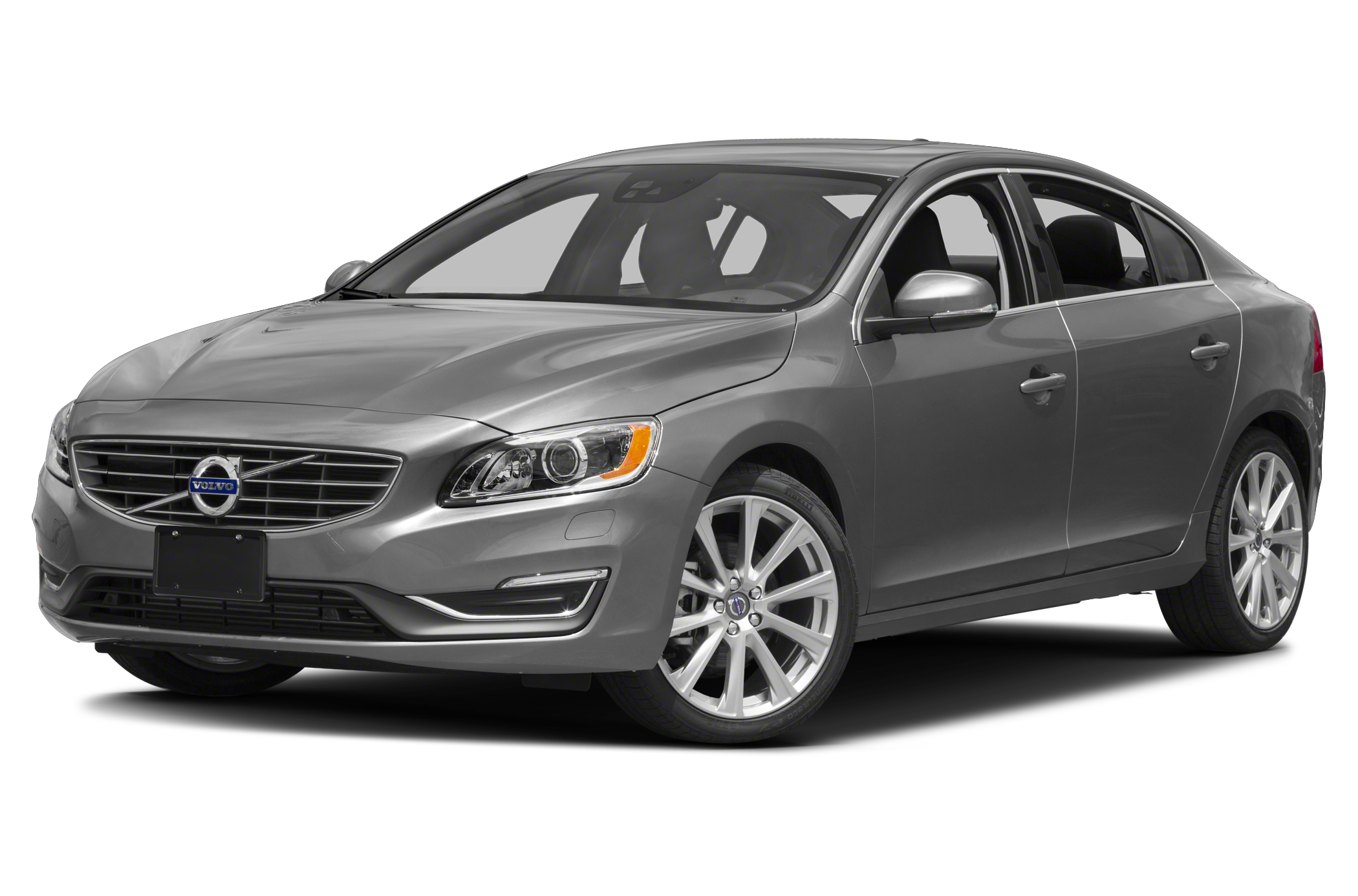
The 2013 Volvo S60 T5 produces 250 horsepower at 5,400 RPM and 266 lb-ft of torque from 1,800 to 4,200 RPM. Powered by a 2.5-liter turbocharged inline five-cylinder engine, the vehicle features an automatic overboost function that temporarily elevates torque output to 295 lb-ft under wide-open throttle during spirited acceleration.
The 2013 Volvo S60 T5 Powertrain Architecture
To understand the performance of the 2013 Volvo S60 T5, one must look closely at its powerplant: the B5254T12 engine. This engine represents one of the final iterations of Volvo’s modular "white block" inline-five cylinder architecture before the Swedish automaker transitioned exclusively to four-cylinder "Drive-E" powertrains.
The 2.5-liter (2,497 cc) engine features an aluminum-alloy cylinder block and cylinder head, double overhead camshafts (DOHC), four valves per cylinder (20 valves total), and continuously variable valve timing (CVVT) on both the intake and exhaust sides. Induction is handled by an integrated BorgWarner turbocharger and an air-to-air intercooler. Fuel is delivered through traditional electronic sequential multi-point port injection rather than direct injection, which helps prevent the intake-valve carbon buildup common in many direct-injected competitors of the same era.
Compression is set at a relatively high 9.5:1 for a turbocharged engine of that period. This compression ratio allows the engine to remain responsive off-boost while relying on sophisticated knock sensors and variable boost control to prevent premature detonation when the turbo spools up.
Key Powertrain Specifications: • Engine Designation: B5254T12 • Configuration: Transverse Inline-5 Turbocharged • Displacement: 2.5 Liters (2,497 cc) • Bore and Stroke: 83.0 mm x 92.3 mm • Horsepower: 250 hp @ 5,400 RPM • Standard Torque: 266 lb-ft @ 1,800–4,200 RPM • Overboost Torque: 295 lb-ft (Gears 2–6, up to 10 seconds) • Transmission: Aisin-Warner TF-80SC 6-Speed Automatic
The 250-horsepower rating was an increase over earlier versions of the 2.5T motor (which typically produced 208 to 227 hp in earlier chassis like the P2 generation). Volvo achieved this bump through revised engine management programming, optimized intake runner design, reduced internal friction, and increased turbocharger boost pressure.
Torque Curve Dynamics and the Overboost Function
Peak horsepower only tells half the story of how the 2013 Volvo S60 T5 drives. What distinguishes this inline-five from the turbocharged four-cylinders of rival German sedans is its broad, linear torque delivery.
Peak torque of 266 lb-ft arrives at just 1,800 RPM and stays flat through 4,200 RPM. This creates a plateau of pulling power right in the usable rev range for passing, highway merging, and general commuting. Because drivers do not need to downshift multiple gears or wind the engine up to redline to access meaningful thrust, the S60 T5 feels substantially quicker around town than its raw 250-horsepower figure suggests.
How the Overboost Function Operates
For the 2013 model year, Volvo engineered an overboost capability into the engine control module (ECM). When the driver fully depresses the accelerator pedal into the kickdown switch:
- The ECM verifies that engine coolant, oil, and intake charge temperatures are within safe operating limits.
- The turbocharger wastegate duty cycle increases, briefly bumping boost pressure.
- Torque rises from the standard 266 lb-ft to a peak of 295 lb-ft.
- This surplus torque remains active for up to 10 seconds in gears two through six.
This feature is designed specifically for highway passing and high-load acceleration. Once the 10-second timer expires or the throttle position drops below full engagement, boost smoothly steps down to regular operating thresholds to protect the turbocharger bearings, cylinder head gasket, and transmission clutches from thermal and mechanical overload.
Front-Wheel Drive vs. All-Wheel Drive Performance
A major milestone for the 2013 model year was the introduction of an optional all-wheel-drive (AWD) configuration on the T5 trim. Previously in the second-generation (P3) S60, buyers who wanted all-wheel drive were required to purchase the more expensive, six-cylinder T6 model.
Both front-wheel-drive (FWD) and all-wheel-drive (AWD) variants of the 2013 S60 T5 share the identical 250-horsepower engine tuning, but they put that power down differently due to weight and driveline layout.
Transmission Pairing
Every 2013 S60 T5 relies on an Aisin-Warner TF-80SC second-generation six-speed "Geartronic" automatic transmission. It includes a sport mode setting alongside manual sequential shifting. For 2013, Volvo updated transmission software to provide faster shift execution and earlier torque converter lockup, which reduced the sluggish shift response noted by automotive journalists on 2011 and 2012 models.
FWD Characteristics
The standard FWD model weighs approximately 3,528 pounds. Under hard acceleration from a standstill, the front wheels must handle both steering forces and the instant arrival of 266 (or 295) lb-ft of torque. Volvo mitigates torque steer using its Corner Traction Control with Torque Vectoring system, which brakes the inside front wheel in hard turns to transfer power to the outside wheel.
- 0–60 MPH Time: 6.4 to 6.6 seconds
- Curb Weight: ~3,528 lbs
- EPA Fuel Economy: 21 MPG City / 30 MPG Highway / 24 MPG Combined
AWD Characteristics
The AWD model uses a fifth-generation Haldex electro-hydraulic coupling. Under standard highway cruising conditions on dry pavement, the system routes roughly 95% of available torque to the front wheels to preserve fuel economy. When slip is detected—or preemptively during hard off-the-line launches—the Haldex clutch packs engage to instantly direct up to 50% of the engine's torque to the rear axle.
The AWD mechanicals add roughly 180 to 200 pounds, bringing curb weight to around 3,724 pounds. While the added mass marginally blunts rolling acceleration, the AWD variant launches far more consistently on wet, icy, or loose surfaces without lighting up the traction control warning lamp.
- 0–60 MPH Time: 6.6 to 6.8 seconds
- Curb Weight: ~3,724 lbs
- EPA Fuel Economy: 20 MPG City / 29 MPG Highway / 23 MPG Combined
2013 S60 Model Lineup Comparison
To see how the 250-horsepower T5 fits into the broader 2013 Volvo S60 range, compare it against its six-cylinder siblings: the T6 AWD and the performance-flagship T6 R-Design.
| Model Variant | Engine Architecture | Horsepower (HP) | Base Torque (lb-ft) | Overboost Torque (lb-ft) | Drivetrain | 0–60 MPH Time | Curb Weight (lbs) |
|---|---|---|---|---|---|---|---|
| S60 T5 FWD | 2.5L Turbocharged I5 | 250 @ 5,400 RPM | 266 @ 1,800–4,200 | 295 (up to 10s) | Front-Wheel Drive | ~6.4 sec | ~3,528 |
| S60 T5 AWD | 2.5L Turbocharged I5 | 250 @ 5,400 RPM | 266 @ 1,800–4,200 | 295 (up to 10s) | All-Wheel Drive | ~6.6 sec | ~3,724 |
| S60 T6 AWD | 3.0L Turbocharged I6 | 300 @ 5,600 RPM | 325 @ 2,100–4,200 | N/A | All-Wheel Drive | ~5.5 sec | ~3,815 |
| S60 T6 R-Design | 3.0L Turbocharged I6 | 325 @ 5,400 RPM | 354 @ 3,000–3,600 | N/A | All-Wheel Drive | ~5.3 sec | ~3,835 |
The T5 serves as the balanced middle ground. While the 3.0-liter T6 variants deliver faster outright track times, the T5 engine carries significantly less weight over the front axle, giving the five-cylinder car a slightly more agile, balanced turn-in feel in daily driving.
Competitor Comparison: 2013 Entry-Level Luxury Sedans
In 2013, the S60 T5 went up against four-cylinder and six-cylinder sport sedans from German and Japanese premium brands. The chart below shows how the T5's 250 horsepower and 266 lb-ft of torque stacked up against its key competitors.
| Vehicle | Engine | Horsepower | Torque (lb-ft) | 0–60 MPH | Drivetrain |
|---|---|---|---|---|---|
| 2013 Volvo S60 T5 | 2.5L Turbo I5 | 250 hp | 266 (295 boost) | ~6.4–6.6 sec | FWD / AWD |
| 2013 BMW 328i | 2.0L Turbo I4 | 240 hp | 255 | ~5.7 sec | RWD / AWD |
| 2013 Audi A4 2.0T | 2.0L Turbo I4 | 211 hp | 258 | ~6.3–6.6 sec | FWD / AWD |
| 2013 Mercedes C250 | 1.8L Turbo I4 | 201 hp | 229 | ~7.1 sec | RWD |
| 2013 Mercedes C300 | 3.5L Naturally Aspirated V6 | 248 hp | 251 | ~6.0 sec | AWD |
| 2013 Lexus IS 250 | 2.5L Naturally Aspirated V6 | 204 hp | 185 | ~7.7 sec | RWD / AWD |
Key Observations Against the Field
- Power Advantage: The Volvo S60 T5 surpassed the four-cylinder turbo engines found in the Audi A4 and Mercedes-Benz C250 in both horsepower and torque.
- The Transmission Gap: While the BMW 328i was rated at 240 horsepower (10 hp lower than the Volvo), its ZF 8-speed automatic and aggressive rear-wheel-drive gearing allowed it to record faster 0–60 times.
- Refinement: The 5-cylinder engine in the S60 produced an off-beat, resonant exhaust warble that stood out against the buzzing, sterile engine notes of contemporary four-cylinder rivals.
Technical Factors Affecting Long-Term Power and Longevity
Horsepower degrades when maintenance lapses, sensors deteriorate, or mechanical faults develop. For anyone owning or evaluating a 2013 S60 T5 on the secondary market, several model-specific mechanical considerations dictate whether that 250-horsepower rating is still being delivered reliably.
1. Piston Ring Design and Excessive Oil Consumption
The most critical mechanical consideration for the 2013 B5254T12 engine is oil consumption. In early iterations of this engine code (specifically vehicles manufactured within the 2013 to early 2014 timeframe), Volvo utilized low-tension oil control rings intended to reduce internal friction and increase fuel efficiency.
Over time and with extended oil drain intervals (such as the factory-suggested 10,000-mile schedule), these rings can gum up, stick in the piston ring lands, and allow engine oil to enter the combustion chamber.
- Impact on Performance: Excessive oil fouling coats spark plugs, decreases effective octane rating inside the cylinder, triggers pre-ignition (knock), and forces the engine control module to pull ignition timing, directly lowering horsepower.
- Secondary Failure: Burned oil coats the catalytic converter and oxygen sensors, generating backpressure that chokes turbo exhaust flow.
- Remedy: Volvo released technical service bulletins (such as TSB TJ 30087 and TJ 31215) and extended warranty service campaigns for affected chassis numbers. The repair involves inspecting cylinder bores for cross-hatch damage and installing redesigned pistons and oil ring assemblies.
2. PCV System (Oil Trap Box / Flame Trap)
The positive crankcase ventilation (PCV) system on the 2.5-liter engine includes an integrated oil separator assembly mounted to the front of the engine block. Inside the oil trap, an internal rubber diaphragm regulates crankcase pressure.
- Symptoms of Failure: When the diaphragm tears, unmetered air enters the system, causing a lean fuel condition and a loud whistling or squealing noise from the engine bay at idle (which stops if you pull the oil dipstick out).
- Impact on Performance: A torn PCV diaphragm causes rough idling, misfires under boost, and erratic manifold pressure readings. The ECU responds by reducing boost pressure and timing, sapping horsepower.
3. Boost Leaks and Turbo Control Valve (TCV) Degradation
The boost control system on the S60 T5 relies on a three-port electronic Turbo Control Valve (TCV) that directs vacuum to the internal wastegate actuator.
- Over dozens of heat cycles, the internal solenoid can stick or weaken, leading to lazy boost onset or mild boost spikes followed by sudden fuel cuts.
- The factory rubber intercooler boots, charge piping couplers, and small-diameter vacuum lines can harden, crack, and develop pinhole leaks. Even a small boost leak prevents the engine from hitting its target manifold absolute pressure (MAP), leaving the engine well short of its 250-horsepower ceiling.
4. Spark Plug Gapping and Ignition Coils
Turbocharged five-cylinder engines put substantial thermal load on ignition components. The factory spark plugs are platinum/iridium tipped, but the gap will widen over 40,000 to 50,000 miles of driving. As the gap increases, the ignition coils must work harder to jump the spark under high-boost conditions, causing subtle high-RPM spark blowout. Replacing coils and using genuine Volvo spark plugs correctly gapped to factory specifications (0.028 to 0.030 inches / 0.7 to 0.75 mm) restores lost top-end power.
Factory and Aftermarket Tuning: Unlocking More Horsepower
For owners seeking more power from the 2013 S60 T5, the B5254T12 engine has substantial tuning headroom thanks to its cast-iron cylinder sleeve liners and robust bottom-end rotating assembly.
1. Polestar Performance Optimization (Factory Software)
Volvo offered an official, dealer-installed Polestar Performance tune for the 2013 T5.
- Power Output: Increases horsepower from 250 hp to approximately 270–275 hp, and torque from 266 lb-ft to roughly 295–300 lb-ft across the rev range.
- Benefits: Retained full factory emissions compliance and powertrain warranty coverage. It altered the electronic throttle map for sharper pedal response, raised mid-range turbo boost pressure by 1.5 to 2.0 PSI, and adjusted the transmission shift mapping for faster gear changes in Sport mode.
2. Aftermarket Stage 1 ECU Flashes
Reputable Volvo tuners (such as Hilton Tuning, IPD, and elevate) provide aftermarket engine tunes that maximize performance on premium high-octane gasoline:
- Stage 1 Output: Typically yields 280 to 290 horsepower and 310 to 330 lb-ft of torque on 93-octane (AKI) pump fuel.
- Prerequisites: A fresh PCV system, new spark plugs gapped down to 0.026–0.028 inches, clean ignition coils, and a high-flow dry engine air filter.
3. Stage 2 and Hardware Upgrades
Pushing past 300 horsepower requires hardware modifications to relieve exhaust backpressure and keep intake air temperatures in check:
- Larger Front-Mount Intercooler (FMIC): The factory intercooler suffers from heat soak during consecutive pulls. An upgraded aluminum core stabilizes intake temperatures, keeping timing advance consistent.
- Downpipe and High-Flow Cat: A 3-inch performance downpipe reduces backpressure directly behind the turbo turbine housing, allowing the turbocharger to spool roughly 300 RPM sooner and hold peak boost deeper into the rev range.
- Upper Torque Mount Bushing: The engine moves significantly under hard launches. A poly or uprated rubber upper engine mount limits engine rocking, improving power transfer to the wheels and eliminating wheel hop.
Frequently Asked Questions
Does the 2013 Volvo S60 T5 require premium fuel to achieve 250 hp?
Volvo recommends 91 octane (AKI) or higher premium fuel to achieve the full 250 horsepower and 266 lb-ft of torque rating. While the engine's knock control system allows it to safely run on 87-octane regular unleaded without damaging internal components, the ECU will retard ignition timing and slightly decrease boost to prevent pre-detonation. Running regular fuel results in an estimated loss of 10 to 15 horsepower and a slight decrease in fuel economy.
How fast is the 2013 Volvo S60 T5 from 0 to 60 mph?
The front-wheel-drive 2013 S60 T5 reaches 60 mph in roughly 6.4 to 6.6 seconds in independent testing. The all-wheel-drive variant completes the sprint in approximately 6.6 to 6.8 seconds. While the AWD version has superior traction off the line, its extra 196 pounds of curb weight slightly reduces its acceleration figure once moving.
Is the 2013 Volvo S60 T5 5-cylinder engine reliable?
The 2.5-liter five-cylinder is structurally robust, but potential buyers must watch for excessive oil consumption. Certain 2013 VIN ranges have problematic piston oil control rings that cause early oil consumption. If the pistons and rings have been updated, or if the car has a documented history of frequent oil changes (every 5,000 miles) and normal oil levels, this engine routinely lasts beyond 200,000 miles. Key maintenance items include replacing the PCV oil trap box every 80,000 to 100,000 miles and replacing the timing belt, tensioner, and water pump every 10 years or 120,000 miles.
Can you get the 2013 Volvo S60 T5 with a manual transmission?
No, the 2013 Volvo S60 T5 was not offered with a manual transmission in the North American market. All 2013 S60 T5 models came equipped with an Aisin-Warner TF-80SC six-speed Geartronic automatic transmission with manual shift mode and a sport shifting program.
How does the 2013 5-cylinder T5 differ from the 2015+ 4-cylinder Drive-E T5?
The 2013 T5 uses an older, port-injected 2.5-liter turbocharged inline-five (B5254T12) producing 250 hp and 266 lb-ft of torque paired with a 6-speed automatic. Starting midway through the 2015 model year, Volvo introduced the "Drive-E" T5, which is an all-aluminum 2.0-liter turbocharged inline-four (B4204T11) featuring direct fuel injection and an 8-speed automatic transmission. The Drive-E engine produced 240 horsepower and 258 lb-ft of torque, prioritizing higher EPA fuel economy over the deeper engine note and heavier low-end torque punch of the earlier five-cylinder.
Practical Ownership and Inspection Guidance
If you are inspecting or maintaining a 2013 Volvo S60 T5, use this step-by-step diagnostic checklist to verify that the powertrain is healthy and producing its full 250 horsepower:
- Verify Oil Consumption and History: Pull the dipstick immediately upon a cold inspection. Ask the seller for service records showing oil change frequency. If the car consumes more than one quart of oil per 1,000 to 1,500 miles, the engine likely requires piston and ring replacement.
- Perform the PCV Glove Test: With the engine idling at normal operating temperature, remove the oil filler cap and place an uninflated latex glove (or a flat piece of paper) over the oil filler opening.
- Good: The glove is gently pulled inward by vacuum, showing normal crankcase depression.
- Bad: The glove rapidly inflates like a balloon, indicating a failed PCV oil trap diaphragm or excessive cylinder blow-by.
- Inspect the Timing Belt Service Record: The B5254T12 is an interference engine. If the timing belt snaps, the valves will collide with the pistons, causing catastrophic internal engine damage. Because the rubber degrades over time regardless of mileage, the timing belt, idler pulley, tensioner, and auxiliary drive belts must be replaced every 10 years or 120,000 miles.
- Scan for Stored Boost Codes: Connect an OBD-II scanner capable of reading proprietary Volvo VIDA/DICE codes. Check for hidden fault codes such as ECM-603C (Turbocharger control, pressure too low) or misfire codes (ECM-3000 series) that may not illuminate a hard Check Engine Light but will cause the ECM to restrict boost.
- Check Engine and Transmission Mounts: Five-cylinder engines naturally carry primary and secondary imbalance forces. Inspect the passenger-side hydraulic engine mount and the lower transmission torque mount. If the rubber is torn or the hydraulic fluid has leaked, the engine will shudder under acceleration, dampening power delivery and causing vibration through the cabin.