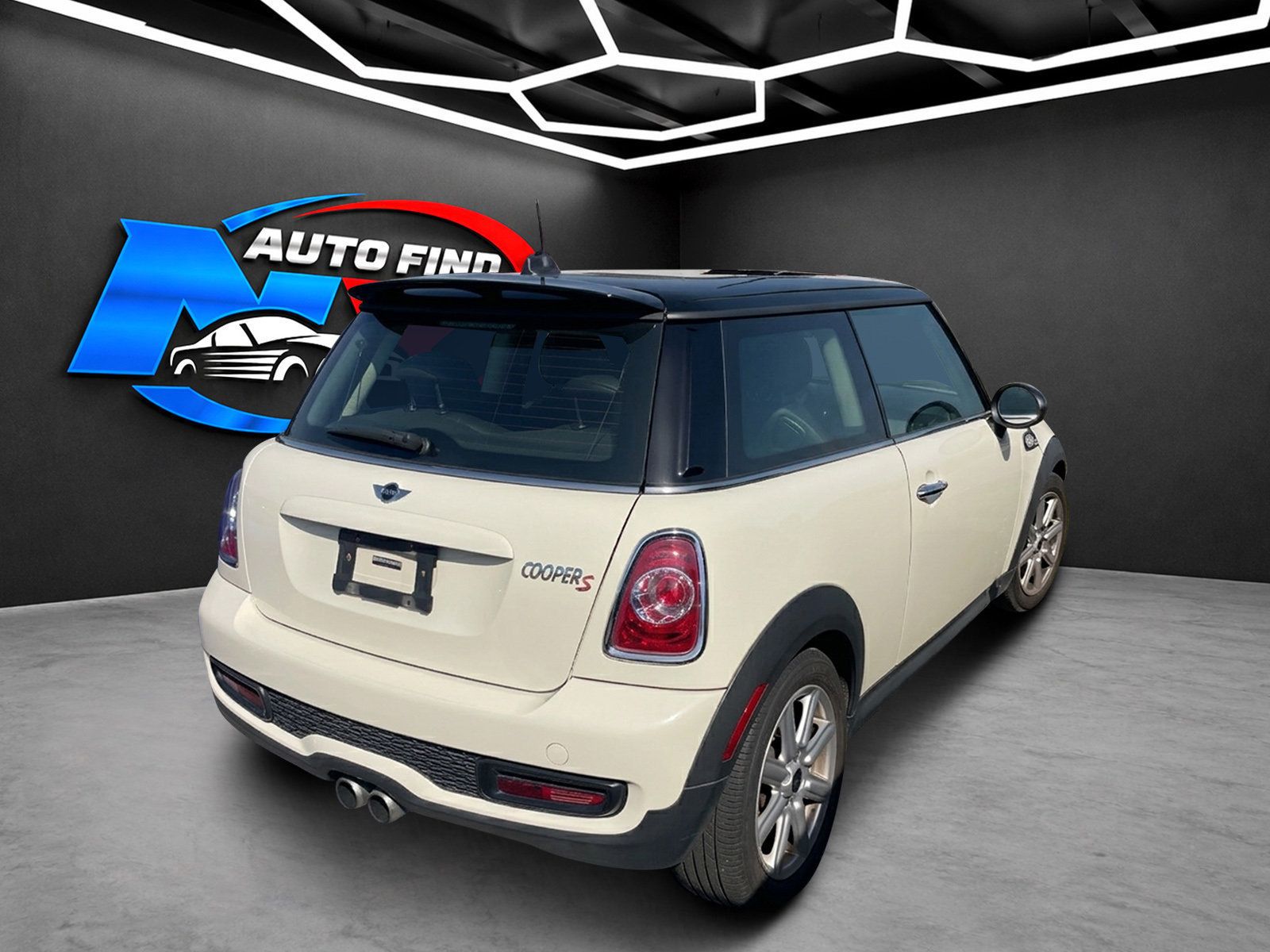
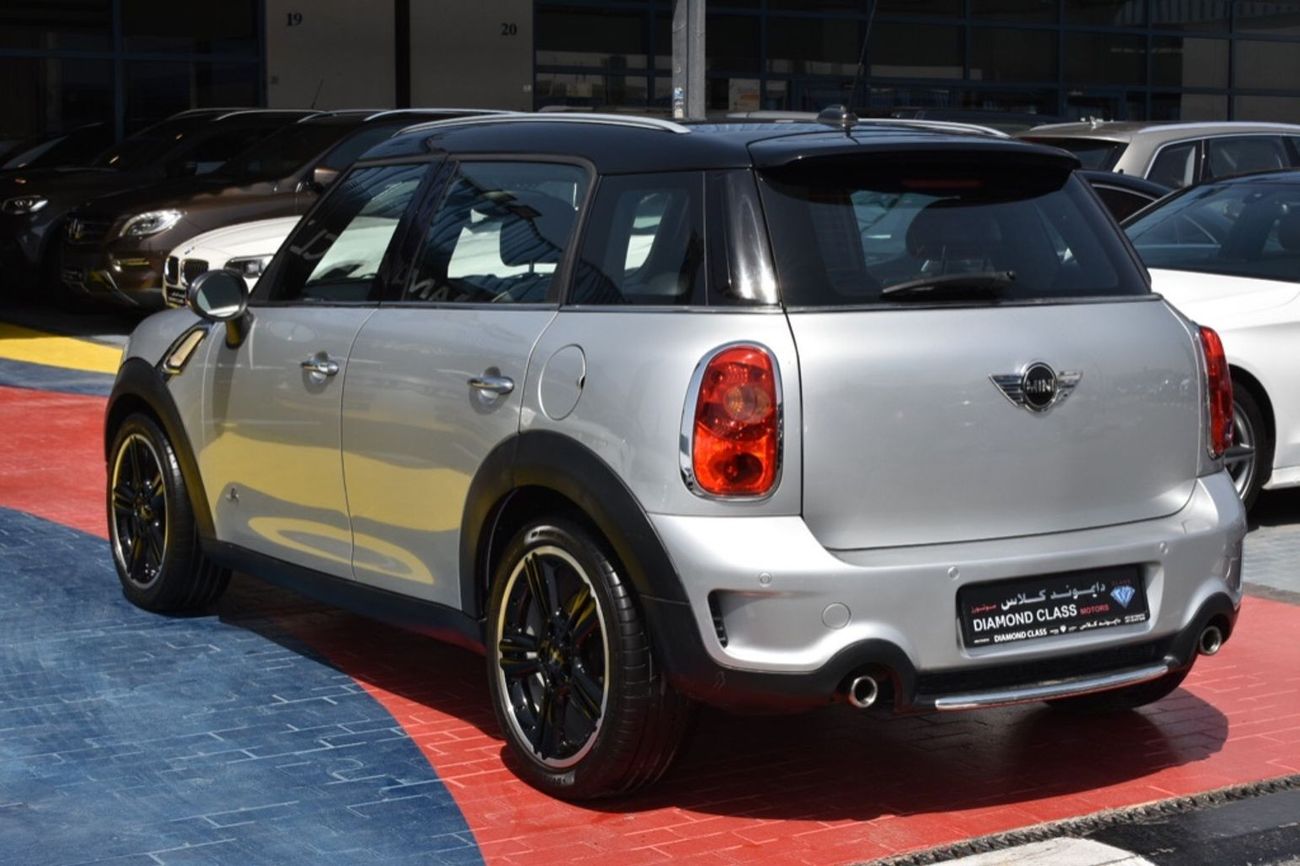
The curb weight of a 2013 Mini Cooper S Hardtop is approximately 2,668 pounds (1,210 kg) when equipped with a six-speed manual transmission. For models featuring the six-speed automatic transmission, the weight increases slightly to roughly 2,712 pounds (1,230 kg). This weight positioning was central to the vehicle's reputation for "go-kart" handling during its production era.
Understanding the weight of the 2013 Mini Cooper S requires looking beyond a single number. As the penultimate year of the second-generation (R56) Hardtop, the 2013 model represents the peak of the "New Mini" philosophy before the platform shifted to the larger, heavier third-generation (F56) in 2014. This article provides a technical deep dive into the weight specifications across all 2013 Mini Cooper S variants, the engineering factors that influenced these figures, and how that mass translates to real-world performance in 2026.
Understanding Weight Metrics: Curb vs. GVWR
When discussing the 2013 Mini Cooper S weight, it is vital to distinguish between different measurement standards. In the automotive industry, "weight" is rarely a static figure.
Curb Weight
Curb weight refers to the total weight of the vehicle with all standard equipment and all necessary operating consumables—such as motor oil, transmission fluid, brake fluid, and a full tank of fuel—but without any passengers or cargo. For the 2013 Mini Cooper S, the curb weight of 2,668 lbs is the standard baseline used for performance metrics like power-to-weight ratios.
Gross Vehicle Weight Rating (GVWR)
The GVWR is the maximum operating weight of a vehicle as specified by the manufacturer. This includes the curb weight plus the weight of the driver, passengers, and cargo. For the 2013 Hardtop, the GVWR typically hovers around 3,500 to 3,600 pounds. Exceeding this limit can strain the suspension, overheat the brakes, and compromise the structural integrity of the chassis during high-speed maneuvers.
Payload Capacity
By subtracting the curb weight from the GVWR, we find the payload capacity. For a 2013 Mini Cooper S, this is usually around 800 to 900 pounds. While the car is marketed as a four-seater, four adult passengers of average weight, plus luggage, will quickly approach the vehicle's safe operating limit.
2013 Mini Cooper S Weight by Body Style
The 2013 model year was unique because Mini offered a wide array of body styles under the "Cooper S" badge. Each variant utilized the same 1.6-liter turbocharged engine but featured different chassis reinforcements and dimensions that significantly impacted the final weight.
| Model Variant | Curb Weight (Manual) | Curb Weight (Auto) | Notes |
|---|---|---|---|
| Mini Cooper S Hardtop (R56) | 2,668 lbs | 2,712 lbs | The standard performance benchmark. |
| Mini Cooper S Clubman (R55) | 2,855 lbs | 2,899 lbs | Longer wheelbase and additional "Clubdoor." |
| Mini Cooper S Convertible (R57) | 2,811 lbs | 2,855 lbs | Heavier due to structural bracing and top motor. |
| Mini Cooper S Coupe (R58) | 2,679 lbs | 2,723 lbs | Stepped roof design; slightly heavier than Hardtop. |
| Mini Cooper S Roadster (R59) | 2,745 lbs | 2,789 lbs | Two-seater open-top with reinforced pillars. |
| Mini Cooper S Countryman (R60) | 3,053 lbs | 3,097 lbs | The first "SUV-lite" Mini; significantly heavier. |
| Mini Cooper S Countryman ALL4 | 3,208 lbs | 3,252 lbs | Heaviest due to All-Wheel Drive system. |
| Mini Cooper S Paceman (R61) | 3,075 lbs | 3,120 lbs | Two-door version of the Countryman. |
The R56 Hardtop: The Lightweight Standard
The R56 Hardtop remains the most sought-after version for enthusiasts in 2026. At under 2,700 pounds, it is significantly lighter than modern hot hatches. This low mass allowed Mini to use a relatively small 1.6L engine while still achieving a 0-60 mph time of approximately 6.6 seconds. The light weight also contributes to the car's agility, allowing for rapid direction changes that heavier vehicles cannot replicate without much more expensive suspension technology.
The Countryman and Paceman: The Heavyweights
The 2013 Countryman S and its coupe sibling, the Paceman, represent the upper end of the weight spectrum. At over 3,000 pounds, these models sacrifice some of that "flickable" nature for utility and ground clearance. The ALL4 all-wheel-drive system adds approximately 150 pounds of hardware, including a transfer case, prop shaft, and rear differential. This extra weight is noticeable in the 0-60 mph sprint, which increases to about 7.3 to 7.5 seconds.
Engineering and Material Composition
The 2013 Mini Cooper S weight was a result of a specific engineering philosophy that balanced safety requirements with performance goals.
The N18 Engine and Drivetrain
The heart of the 2013 Cooper S is the N18 engine, an all-aluminum 1.6-liter four-cylinder unit. By using aluminum for the block and head, Mini kept the front-end weight low, which is crucial for a front-wheel-drive car to minimize understeer. The engine itself is relatively compact, allowing for a tight engine bay and a short front overhang, further enhancing the weight distribution.
High-Strength Steel and Safety
Despite its small size, the 2013 Mini is not a "tin can." It utilizes high-strength steel in the A-pillars, B-pillars, and side-impact beams. This adds weight but was necessary to achieve competitive safety ratings. The 2013 model also includes six airbags and various electronic stability control modules, which add incremental weight compared to the original 1960s Mini, yet still keep the car under the 3,000-pound threshold common in modern vehicles.
The Weight of the Convertible and Roadster
One might assume that removing a metal roof would make a car lighter. In the case of the 2013 Mini Cooper S Convertible (R57) and Roadster (R59), the opposite is true. To compensate for the loss of the structural rigidity provided by a fixed roof, engineers had to add heavy steel bracing to the chassis and floorpan. Additionally, the electric motor and hydraulic mechanism for the soft top add significant weight high up in the car's center of gravity. This is why the Convertible is nearly 150 pounds heavier than the Hardtop.
Performance Dynamics: The Power-to-Weight Ratio
In 2026, the 2013 Mini Cooper S is still regarded as a benchmark for power-to-weight efficiency in the subcompact segment.
Calculating the Ratio
With a curb weight of 2,668 lbs and a factory output of 181 horsepower, the 2013 Cooper S Hardtop has a power-to-weight ratio of approximately 14.74 lbs per horsepower.
To put this in perspective:
- 2013 VW GTI: ~15.2 lbs per hp (Heavier car, slightly more power).
- 2013 Fiat 500 Abarth: ~15.6 lbs per hp (Lighter car, but significantly less power).
This ratio explains why the Cooper S feels so punchy in third and fourth gears. Because there is less mass to move, the 177 lb-ft of torque (which can "overboost" to 192 lb-ft) provides immediate acceleration that feels more substantial than the raw numbers suggest.
Braking and Momentum
Weight is the enemy of braking. The 2013 Mini Cooper S benefits from its low mass by requiring less energy to stop. Standard 11.5-inch ventilated front discs are more than adequate for a 2,700-pound car, leading to excellent fade resistance during spirited driving or track days. In contrast, heavier cars in the same class often require larger, more expensive brake setups to achieve the same stopping distances.
Factors That Increase Real-World Weight
While the curb weight is the official figure, several common options on the 2013 Mini Cooper S can push the actual weight higher.
- Panoramic Sunroof: One of the most popular options, the dual-pane glass sunroof adds roughly 60 pounds to the very top of the car. Enthusiasts often seek out "slick top" models (those without sunroofs) to keep the center of gravity as low as possible.
- Wheel and Tire Packages: The standard 16-inch wheels are lighter than the optional 17-inch "Conical Spoke" or "Infinite Stream" wheels. Furthermore, many 2013 Minis came with Run-Flat Tires, which have reinforced sidewalls that are heavier than standard pneumatic tires.
- Loaded Technology Packages: Features like the Mini Connected infotainment system, Harman Kardon speakers, and heated leather seats add incremental weight—often totaling 30 to 50 pounds when combined.
- Automatic Transmission: As noted in the table, the Aisin-sourced six-speed automatic adds about 44 pounds over the Getrag manual transmission.
Comparison: 2013 vs. Newer Mini Generations
By 2026, many owners have moved on to the third-generation (F56) or fourth-generation Minis. However, the 2013 (R56) remains a "sweet spot" for many due to its weight.
When the 2014 Mini Cooper S (F56) was released, it grew in almost every dimension to accommodate a larger 2.0L engine and stricter pedestrian safety regulations. The curb weight jumped to approximately 2,795 lbs for the manual—an increase of over 120 pounds. While the newer cars are faster and more refined, enthusiasts often argue that the 2013 model feels more "tossable" because it hasn't yet crossed the 2,800-pound threshold.
Compared to the 2026 electric Mini models, the difference is even more stark. Modern electric subcompacts often weigh between 3,300 and 3,800 pounds due to battery density. This makes the 2013 Cooper S one of the last "true" lightweights in the modern automotive era.
Maintenance Considerations Related to Weight
The weight of the 2013 Mini Cooper S influences several maintenance areas that owners should monitor:
- Bushings and Suspension: Because the car is light, it relies on very stiff bushings to maintain its handling characteristics. Over time, these bushings (especially the front control arm bushings) can wear out, leading to a "loose" feeling.
- Tire Pressure: Given the light weight of the rear end, maintaining proper tire pressure is critical. If the rear tires are over-inflated, the car can become "tail-happy" or bouncy over mid-corner bumps.
- Engine Mounts: The N18 engine produces significant torque for its size. The engine mounts must hold this mass in place during rapid shifts. Worn mounts are a common issue on the 2013 model, often signaled by excessive vibration in the cabin.
FAQ: Common Questions About 2013 Mini Cooper S Weight
Does the 2013 Mini Cooper S have a good weight distribution?
Yes, the 2013 Mini Cooper S Hardtop has a weight distribution of approximately 63% front / 37% rear. While this is front-heavy (typical for front-wheel-drive cars), the short wheelbase and sophisticated multi-link rear suspension help the car rotate effectively, masking the forward bias.
How much weight can I save by removing the rear seats?
Removing the rear seat bench and seat backs in a 2013 Hardtop saves approximately 35 to 40 pounds. While this sounds minimal, in a car that weighs only 2,668 lbs, it is a measurable percentage and is a popular modification for those building "track-day" Minis.
Is the 2013 Mini Cooper S heavier than the John Cooper Works (JCW) model?
Interestingly, the 2013 JCW and the Cooper S are almost identical in weight. The JCW features slightly heavier brakes and a different turbocharger, but it often lacks some of the luxury options found on "loaded" Cooper S models, resulting in a curb weight within 10-20 pounds of the standard S.
How does the weight affect towing?
Mini does not recommend towing with the 2013 Cooper S Hardtop, Coupe, or Convertible. The chassis is not designed for the vertical tongue weight of a trailer. However, the Countryman S has a towing capacity of approximately 2,000 lbs in certain markets, thanks to its heavier, more robust frame.
What is the lightest 2013 Mini Cooper S you can buy?
The lightest configuration is a 2013 Mini Cooper S Hardtop with a manual transmission, no sunroof, and 16-inch wheels. This "stripper" spec can weigh in at slightly under 2,650 pounds.
Practical Recommendation
For those looking to purchase or optimize a 2013 Mini Cooper S in 2026, weight management is the most cost-effective way to improve performance. If you are shopping for a used model, prioritize cars without the panoramic sunroof if handling is your main goal.
If you already own one, consider replacing the heavy factory run-flat tires with high-performance conventional tires; this reduces unsprung weight, which has a disproportionately positive effect on how the suspension reacts to road imperfections. At 2,668 pounds, the 2013 Mini Cooper S remains a rare example of a modern car that respects the "light is right" mantra, providing a tactile driving experience that is increasingly hard to find.