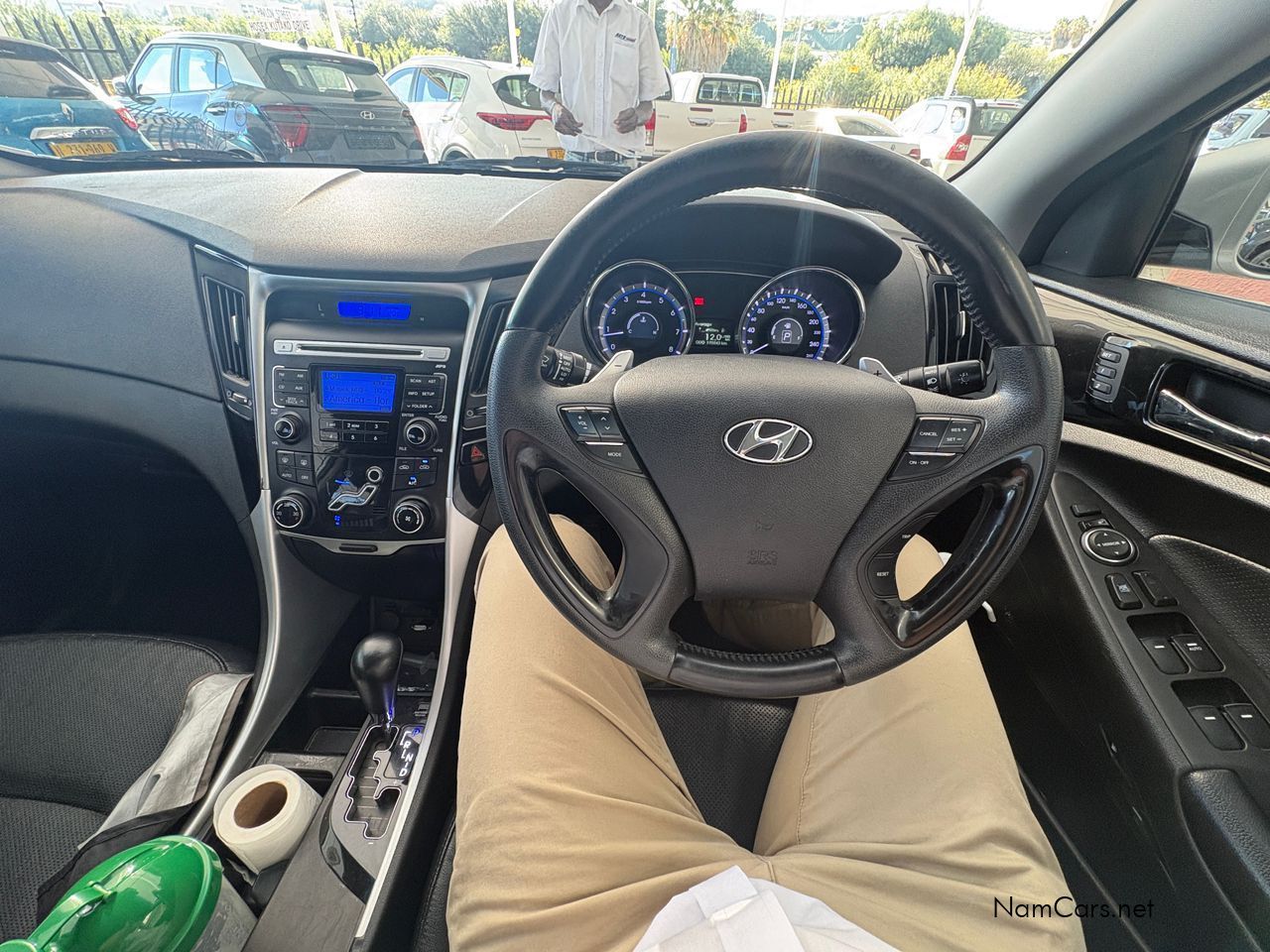
The 2011 Hyundai Sonata GLS represents a pivotal moment in automotive history, marking the year Hyundai introduced its "Fluidic Sculpture" design language to the midsize sedan market. As the entry-level trim for the redesigned sixth-generation Sonata, the GLS balances affordability with a surprisingly robust suite of standard features, including a 198-horsepower 2.4-liter GDI engine, six-speed automatic transmission, and an extensive array of passive and active safety equipment.
The Evolution of the 2011 Sonata GLS
When the 2011 Hyundai Sonata debuted, it signaled a departure from the conservative, anonymous styling that had defined the midsize sedan segment for years. The GLS trim was designed to be the volume seller, targeting families and commuters who desired the space of a midsize vehicle but required the fuel efficiency and value proposition Hyundai had become known for. By 2026, the 2011 GLS has transitioned from a new flagship model to a reliable, budget-friendly used vehicle. Understanding its core features—from its unique powertrain architecture to its interior ergonomics—is essential for anyone considering purchase, maintenance, or long-term ownership of this specific model year.
Powertrain and Mechanical Architecture
The heart of the 2011 Sonata GLS is the Theta II 2.4-liter Gasoline Direct Injection (GDI) four-cylinder engine. This was a significant technological leap for Hyundai at the time, as direct injection allowed for higher compression ratios, resulting in better fuel efficiency without sacrificing power.
- Engine Output: The engine produces 198 horsepower and 184 lb-ft of torque. In states that required partial zero-emission vehicle (PZEV) standards, the output was rated at 190 horsepower.
- Transmission: A six-speed automatic transmission with SHIFTRONIC manual shift capability comes standard. This transmission was engineered to be "sealed for life," meaning it lacks a traditional dipstick for user-level maintenance, relying instead on specific service intervals for fluid changes.
- Suspension and Handling: The vehicle utilizes a MacPherson strut front suspension and a multi-link rear suspension. This configuration was tuned to provide a balance between highway comfort and responsiveness. Over the last 15 years, owners have noted that while the steering is electrically assisted—which was cutting-edge in 2011—it offers a lighter feel that prioritized ease of parking over raw road feedback.
Interior Comfort and Technological Features
The interior of the 2011 Sonata GLS was designed to maximize cabin space, earning it an EPA classification as a "Large Car" due to its total interior volume. The GLS trim features cloth seating surfaces that were specifically designed for durability.
Key interior standard features include:
- Ergonomics: The dashboard is canted toward the driver, creating a "cockpit" feel. The center stack houses the primary audio and climate controls, which are kept distinct and tactile.
- Connectivity: The standard audio system included an AM/FM/XM/CD/MP3 player with six speakers. Crucially, the GLS came equipped with USB and auxiliary input jacks, allowing for integration with the digital media players that were prevalent during its initial retail period.
- Comfort Options: Cruise control, steering-wheel-mounted audio and phone controls, and air conditioning were standard equipment. Power windows with a driver’s auto-down feature and heated power-adjustable side mirrors added a touch of convenience often missing from base trims of that era.
Safety and Structural Integrity
One of the primary reasons the 2011 Sonata maintained its value into the mid-2020s is its safety profile. Hyundai implemented a comprehensive safety suite that was advanced for the 2011 model year. The car utilized high-tensile steel in its construction to manage crash energy effectively.
Standard safety features include:
- Electronic Stability Control (ESC): This system monitors wheel speed and steering angle to prevent loss of control in emergency maneuvers.
- Traction Control System (TCS): Integrates with the engine and brakes to limit wheel spin on slippery surfaces.
- Advanced Airbag Array: Dual front-seat airbags, front-seat-mounted side-impact airbags, and roof-mounted side-curtain airbags provide full-cabin coverage.
- Anti-lock Braking System (ABS): Includes Electronic Brake-force Distribution (EBD) and Brake Assist, ensuring that pedal pressure is optimized during panic stops.
- Active Head Restraints: Designed to reduce whiplash injury by moving forward during a rear-end collision.
Technical Comparison: GLS vs. Up-Level Trims
To understand the position of the GLS within the 2011 lineup, it is helpful to compare it against the mid-tier SE and top-tier Limited trims. While the engine remained the same for the non-turbo models, the GLS serves as the foundation for the series.
| Feature | GLS Trim | SE Trim | Limited Trim |
|---|---|---|---|
| Wheels | 16-inch Steel w/ Covers | 18-inch Alloy | 17-inch Alloy |
| Driver Seat | Manual Adjust | 8-way Power | 8-way Power + Lumbar |
| Leather | No (Cloth) | Partial (Bolster) | Yes (Full Leather) |
| Sunroof | Not Available | Optional | Standard |
| Climate | Manual | Manual | Dual-Zone Automatic |
Operational Considerations and Maintenance
For the 2026 owner, the 2011 Sonata GLS requires specific attention to maintain its reliability. Because this engine uses GDI technology, the intake valves can be prone to carbon buildup over high-mileage intervals. Regular use of high-quality detergents in fuel and adherence to strict oil change intervals using the manufacturer-recommended viscosity (typically 5W-20 or 5W-30 depending on region) is vital for the longevity of the oil-fed components, such as the variable valve timing actuators.
Another factor for owners is the "Popular Equipment Package," which was a common factory add-on for the GLS. This package included front fog lights, a power driver’s seat, and heated front seats. When verifying the features of a specific 2011 GLS, it is common to find these upgrades, as they were frequently selected by original retail customers.
Frequently Asked Questions
1. Does the 2011 Hyundai Sonata GLS have Bluetooth connectivity? Bluetooth hands-free phone capability was available as an option on the GLS trim, but it was not standard equipment on all base models. If a specific vehicle lacks this, it can often be identified by the absence of the "Phone" button on the steering wheel controls.
2. Is the 2011 Sonata GLS prone to engine issues? The 2.4L Theta II engine in the 2011 Sonata has been the subject of various service campaigns and recalls related to connecting rod bearing wear. Owners should check the specific VIN against official Hyundai recall databases to ensure that any necessary engine inspections or replacements have been performed.
3. What is the fuel economy of the 2011 GLS? The EPA-estimated fuel economy for the 2011 Sonata GLS is 22 mpg in the city and 35 mpg on the highway. These figures are achievable in 2026 provided the fuel injectors are clean and the vehicle is running on tires with the correct rolling resistance and inflation pressure.
4. Can I use E85 fuel in the 2011 Sonata GLS? No. The 2011 Sonata GLS engine is designed for regular unleaded gasoline. Using E85 or other high-ethanol blends can cause damage to the fuel system components and will likely trigger a check-engine light, as the fuel sensors are not calibrated for flex-fuel compatibility.
5. How much space is in the trunk of the 2011 Sonata? The 2011 Sonata offers 16.4 cubic feet of trunk space. The rear seats feature a 60/40 split-folding mechanism, which allows for the transport of longer items, a significant benefit for a sedan of this era.
Practical Next Steps for Owners
If you are evaluating a 2011 Hyundai Sonata GLS for purchase or maintenance, your first step should be to obtain the Vehicle Identification Number (VIN) and run it through the National Highway Traffic Safety Administration (NHTSA) database. Given the model’s history, verifying the status of open recalls is the most critical action for safety. Once you have confirmed the vehicle's history, perform a cold-start check of the engine to listen for any abnormal tapping noises, which can be an early indicator of the bearing issues associated with the Theta II platform. Finally, ensure the vehicle is maintained with high-quality synthetic oil, which helps manage the heat generated by the GDI system, extending the life of the engine's internal seals and components.