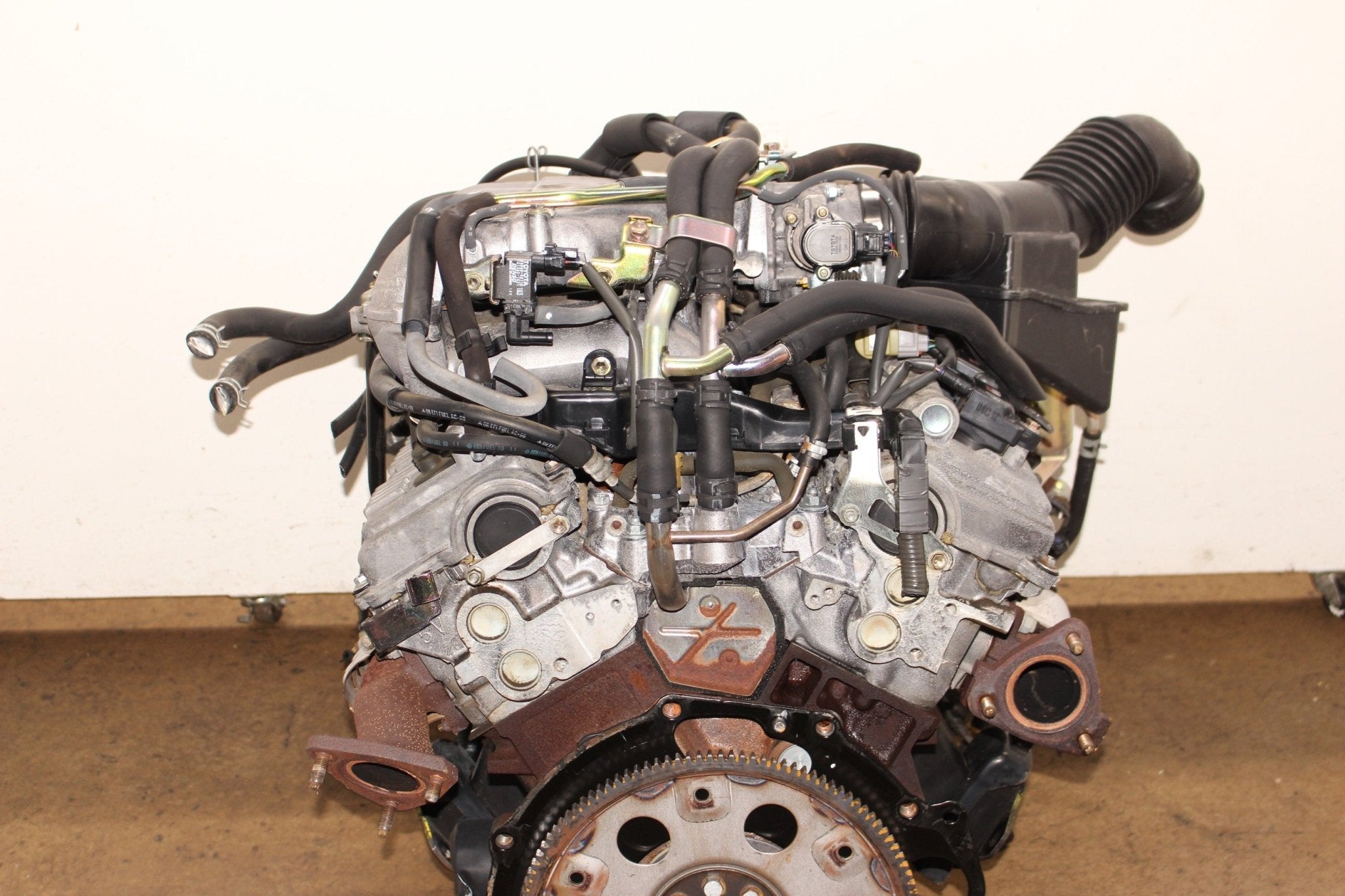
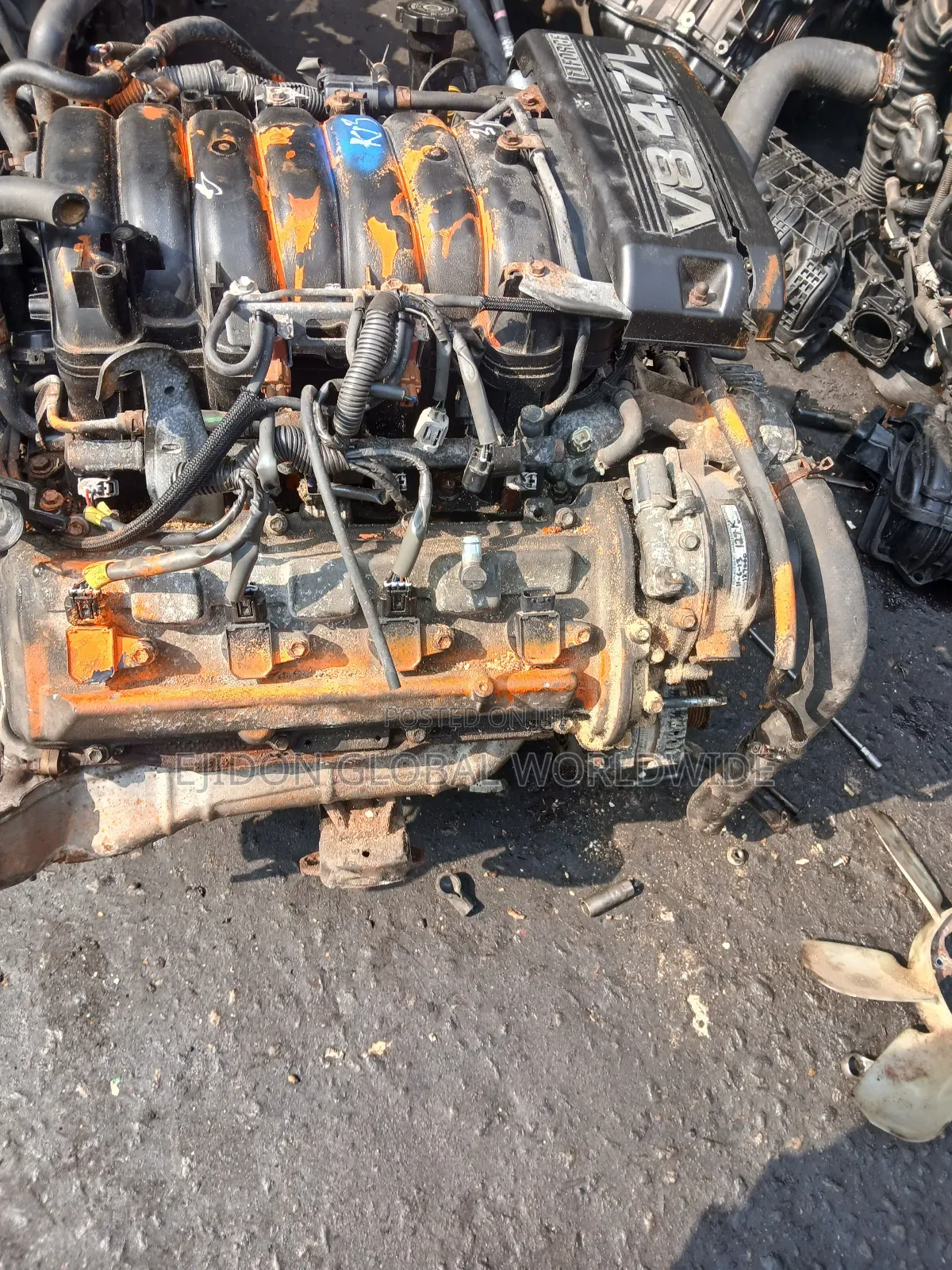
The 2004 Toyota 4Runner is powered by two distinct engine options: a 4.0-liter 1GR-FE V6 and a 4.7-liter 2UZ-FE V8. Both powerplants built upon Toyota's reputation for extreme mechanical durability, utilizing modern electronic fuel management, overhead cam designs, and robust cast or aluminum construction to deliver reliable performance for both daily commuting and rugged off-road exploration.
Introduction to the 2004 Toyota 4Runner Powertrain Lineup
When evaluating the 2004 4runner engine history, enthusiasts and potential buyers alike look at a pivotal era for the mid-size SUV segment. The fourth-generation Toyota 4Runner, launched for the 2003 model year and continuing strongly into 2004, marked a major departure from the utilitarian styling and smaller engine options of its predecessors. Toyota completely redesigned the vehicle to offer a larger footprint, a more refined interior, and a choice of two advanced, powerful, and durable powerplants: a high-output V6 and a muscular V8.
Understanding the history of these engines requires examining how Toyota engineered them to meet evolving demands for fuel efficiency, emissions regulations, and low-end torque. The 2004 model year sits firmly in the middle of a golden era of internal combustion engine development for the brand, preceding stricter emissions rollouts while benefiting from decades of refinement. This guide explores the mechanical heritage, technical specifications, operational nuances, common quirks, and long-term reliability of both the 4.0L V6 and the 4.7L V8 engines found in the 2004 Toyota 4Runner.
The 4.0L 1GR-FE V6 Engine: Origins and Specifications
The 1GR-FE engine represents Toyota's clean-sheet design for a modern, large-displacement V6 intended for trucks and SUVs. Introduced globally in 2002 and finding its way into the 4Runner for the 2003 and 2004 model years, this 4.0-liter powerplant replaced the older 3.4-liter 5VZ-FE V6.
Mechanical Architecture and Design Goals
Toyota designed the 1GR-FE with a 60-degree V-angle, a lightweight aluminum cylinder block, and aluminum cylinder heads to shed unnecessary weight over the front axle compared to older cast-iron block designs. Iron cylinder liners were cast into the block to ensure durability and allow for potential rebuilding, while a chain-driven dual overhead camshaft (DOHC) setup managed the 24 valves.
To maximize usable power across a broad rpm range, the 2004 4Runner’s V6 featured Toyota’s VVT-i (Variable Valve Timing with intelligence) system on the intake camshafts. This dynamically adjusts valve timing based on engine load, throttle position, and engine speed, optimizing both low-end pulling power and high-speed highway efficiency.
Performance Figures and Fuel Delivery
In the 2004 4Runner, the 4.0L V6 produced an impressive 245 horsepower at 5,200 rpm and 282 lb-ft of torque at 3,800 rpm. This power output significantly outperformed the outgoing 3.4-liter engine, giving the 2004 model snappy throttle response and strong passing capability. Fuel delivery was handled by a multi-point sequential electronic fuel injection system running on regular unleaded gasoline, making it economical to operate relative to its displacement and vehicle weight.
The 4.7L 2UZ-FE V8 Engine: Heritage and Capability
For drivers requiring maximum towing capacity and effortless, smooth power delivery, the 2004 Toyota 4Runner offered the 4.7-liter 2UZ-FE V8. This engine was already well-proven in larger Toyota platforms, including the Land Cruiser and the Tundra pickup truck, bringing a legendary reputation for bulletproof reliability to the mid-size SUV class.
Heavy-Duty Construction
Unlike the aluminum block of the V6, the 2UZ-FE features a deep-skirt cast-iron cylinder block mated to aluminum alloy cylinder heads. The heavy-duty block provides exceptional rigidity, minimizing vibration and engine noise while offering maximum structural integrity for heavy towing and sustained high-load applications.
The valvetrain utilizes a belt-driven double overhead camshaft configuration per bank (four cams total) operating 32 valves. Unlike the V6, the 2004 model year 2UZ-FE in the 4Runner did not yet feature VVT-i (which was introduced to this engine family for the 2005 model year), meaning it relied on a simpler, mechanically robust design that many high-mileage enthusiasts still prize for its straightforward service requirements.
Power Delivery and Towing Dynamics
The 4.7L V8 generated 235 horsepower at 4,800 rpm—slightly lower on paper than the V6's peak horsepower—but delivered a substantial 320 lb-ft of torque at a low 3,400 rpm. This low-end torque curve made the V8 exceptionally well-suited for towing heavy loads, hauling gear, and turning larger off-road tires without straining the transmission.
Comparative Overview of 2004 4Runner Engines
Choosing between the V6 and the V8 in a 2004 Toyota 4Runner depends heavily on primary use cases, maintenance preferences, and fuel economy considerations. The table below details the core specifications of both powerplants.
| Specification | 4.0L 1GR-FE V6 | 4.7L 2UZ-FE V8 |
|---|---|---|
| Block Material | Aluminum alloy | Cast iron |
| Valvetrain | DOHC, 24-valve with VVT-i | DOHC, 32-valve (non-VVT-i in 2004) |
| Horsepower | 245 hp @ 5,200 rpm | 235 hp @ 4,800 rpm |
| Torque | 282 lb-ft @ 3,800 rpm | 320 lb-ft @ 3,400 rpm |
| Timing Component | Timing chain (maintenance-free) | Timing belt (service every 90k miles) |
| Max Towing Capacity | Up to 5,000 lbs | Up to 7,300 lbs (depending on configuration) |
Maintenance Requirements and Common Service Items
While both engines are celebrated for reaching hundreds of thousands of miles with basic upkeep, they have distinct maintenance profiles that owners must understand.
Timing Chain vs. Timing Belt
One of the most consequential mechanical differences between the 2004 4Runner engines is how they manage camshaft timing:
- The V6 (1GR-FE) uses a heavy-duty timing chain designed to last the lifetime of the engine under normal operating conditions. Regular oil changes using high-quality synthetic oil are critical to prevent premature wear on the chain guides and tensioners.
- The V8 (2UZ-FE) uses a rubber timing belt. Toyota specified replacement intervals of every 90,000 miles or 9 years. Neglecting this maintenance item risks catastrophic interference-engine damage if the belt fails. When servicing the timing belt, technicians routinely replace the water pump, tensioner pulleys, and serpentine belt simultaneously.
Cooling System and Fluids
Both engines demand proper coolant management. Toyota's Red or Pink Long Life Coolant is strongly recommended to prevent electrochemical degradation of aluminum radiator cores and heater matrices. Keeping the cooling system flushed prevents localized overheating, which is particularly important for aluminum cylinder heads.
Historical Reliability and Known Technical Quirks
No engine history is complete without examining known issues and failure points reported by long-term owners and master technicians.
Early V6 Head Gasket Vulnerability
Early production runs of the 1GR-FE V6 (primarily spanning model years 2003 through late 2005) carried a known vulnerability regarding head gasket failure on the passenger side (cylinder bank 1). A design flaw in the original factory head gasket material led to coolant leaks externally near the rear of the engine block or, in rarer cases, internally. Toyota revised the gasket design in subsequent manufacturing runs. When inspecting or purchasing a 2004 V6 model, checking service records for head gasket replacement or performing a combustion leak test is a recommended best practice.
Exhaust Manifold Cracking
Both the V6 and V8 engines of this era are prone to developing hairline cracks in the factory exhaust manifolds over extended mileage. This typically manifests as a ticking noise from the engine bay upon cold startup that disappears once the metal expands and seals the crack. While primarily an acoustic nuisance and an emissions concern, replacement with aftermarket headers or upgraded OEM manifolds resolves the issue permanently.
Starter Motor Placement on the V8
The 2UZ-FE V8 places its starter motor directly underneath the intake manifold in the "valley" of the V8 engine block. While this protects the starter from external water, mud, and road debris during off-roading, it makes starter replacement labor-intensive. Fortunately, the original Denso starters are exceptionally durable, often lasting well past 200,000 miles before requiring service.
Real-World Fuel Economy and Operating Costs
Fuel economy for the 2004 Toyota 4Runner reflects the heavy curb weight of a body-on-frame SUV combined with mid-2000s powertrain technology.
- The V6 typically achieves around 16–18 mpg in city driving and 20–21 mpg on the highway for two-wheel-drive variants, dropping slightly for four-wheel-drive models.
- The V8 trades some highway efficiency for low-end grunt, generally returning 14–15 mpg in the city and 18–19 mpg on the highway.
Given fluctuating fuel prices, operating cost considerations often guide buyers toward the V6 unless heavy towing duties justify the V8's fuel consumption and timing belt replacement expenses.
Frequently Asked Questions
Do both 2004 4Runner engines have timing belts?
No. The 4.0L V6 engine utilizes a maintenance-free timing chain, whereas the 4.7L V8 engine uses a rubber timing belt that must be replaced every 90,000 miles to prevent internal engine damage.
Which 2004 4Runner engine is better for towing?
The 4.7L V8 is significantly better for towing. It produces higher low-end torque (320 lb-ft at 3,400 rpm) and higher overall towing capacity, making it superior for hauling heavy trailers and boats.
Is the early V6 head gasket issue common on all 2004 models?
While the early 1GR-FE V6 engines carry a known risk of passenger-side head gasket failure, not all vehicles experience it. Many units run past 300,000 miles on factory gaskets provided they never suffered from overheating.
Can the 2004 V8 run on regular 87 octane gasoline?
Yes. Despite its robust performance and dual-overhead-cam design, the 4.7L 2UZ-FE is designed to run efficiently on standard 87 octane regular unleaded fuel without requiring premium gasoline.
How many miles can a 2004 4Runner engine last?
With diligent routine maintenance—including regular oil changes, timely cooling system flushes, and scheduled timing belt services for the V8—both engines routinely surpass 300,000 miles before requiring major internal mechanical overhauls.
Conclusion and Final Recommendation
The engine history of the 2004 Toyota 4Runner represents a high watermark in rugged, mechanical engineering. Whether you select the nimble and efficient 4.0L V6 or the smooth and tireless 4.7L V8, both powerplants offer exceptional longevity that explains the enduring market demand for fourth-generation 4Runners. Prospective buyers should prioritize verifying maintenance history, checking for early V6 head gasket service records, and confirming the timing belt replacement status on V8 models to ensure decades of dependable driving enjoyment.