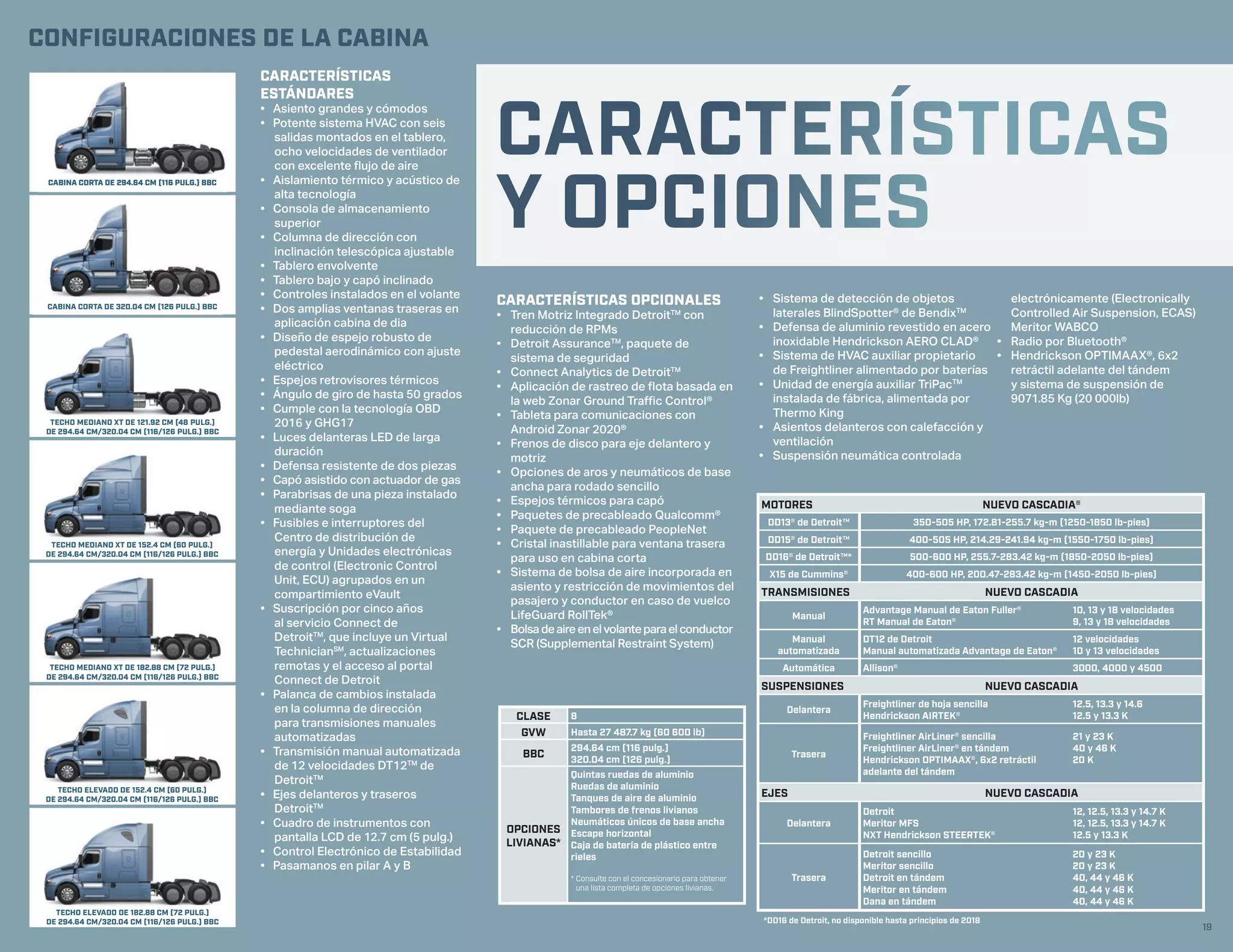
The Freightliner Cascadia is the most successful Class 8 truck in North American history, though it did not officially exist in the year 2000. While the Cascadia nameplate debuted in 2007 for the 2008 model year, the "2000 Freightliner Cascadia" search often refers to its direct predecessors—the Century Class S/T and the Columbia—which established the aerodynamic and technological foundation for the modern Cascadia line.
Resolving the Naming and Timeline Discrepancy
When researching a "2000 Freightliner Cascadia," it is essential to understand the Freightliner product timeline to ensure you are sourcing the correct parts or historical data. In the year 2000, Freightliner’s flagship aerodynamic model was the Century Class S/T (Safety/Technology), supported by the newly launched Columbia. These trucks were the industry's first major pivot toward integrated aerodynamics and driver-centric electronic systems.
The Cascadia was the result of a massive, multi-year $400 million investment by Daimler (Freightliner’s parent company) known as "Project P3." This project utilized extensive wind-tunnel testing and computer-aided design (CAD) to improve upon the Century Class. Therefore, what many enthusiasts and fleet buyers describe as the "early Cascadia era" actually encompasses the refinement of the Century Class and Columbia models produced between 1996 and 2007.
The State of Freightliner Engineering in 2000
In 2000, the North American trucking industry was at a crossroads. The Environmental Protection Agency (EPA) was preparing for the stringent 2002 and 2004 emissions standards, and fuel efficiency was becoming the primary driver of fleet profitability. Freightliner dominated the market during this period because they were the first to move away from the traditional "square-nose" design in favor of sloped hoods and integrated fairings.
The Century Class S/T: The Direct Ancestor
The Century Class S/T was the high-tech workhorse of 2000. It introduced several features that would later become standard on the Cascadia:
- Collision Warning Systems: Early iterations of radar-based safety.
- Driver Message Centers: Digital displays in the dashboard that provided real-time fuel mileage and engine diagnostics.
- Self-Adjusting Clutches: Reducing maintenance intervals for long-haul operators.
- Lightweight Components: Extensive use of aluminum and composite materials to maximize payload capacity.
The Columbia: The Practical Alternative
Launched around the year 2000, the Columbia was designed to be a slightly more utilitarian version of the Century Class. It featured a simpler hood design and easier access to the engine compartment, making it a favorite for owner-operators and regional fleets. The Columbia’s aerodynamic profile served as a bridge between the older FLD series and the future Cascadia, proving that a truck could be both efficient and easy to maintain.
Engine Options and Technical Specifications (Circa 2000)
The "pre-Cascadia" era was defined by some of the most legendary diesel engines ever produced. Unlike the modern Cascadia, which primarily uses the proprietary Detroit DD15 or DD13, trucks built in 2000 offered a wide variety of powerplants from multiple manufacturers.
Detroit Diesel Series 60
In 2000, the 12.7L and 14L Detroit Diesel Series 60 were the gold standard. Known for their reliability and ease of overhaul, these engines offered between 430 and 500 horsepower. This engine's electronic control system (DDEC IV) was a precursor to the highly integrated powertrain management found in 2026 Cascadia models.
Cummins N14 and ISX
The Cummins N14 "Select Plus" was still available in 2000 and remains a favorite among "old school" drivers for its torque curve and mechanical durability. However, the ISX was beginning to take over, introducing the dual-overhead-cam (DOHC) design and the Integrated Braking System, which significantly improved downhill control.
Caterpillar C12 and C15
For those who prioritized raw power and "pulling" capability, the Caterpillar C12 and C15 were popular options in Freightliner chassis in 2000. The C15 "6NZ" serial number prefix models from this era are still highly sought after in 2026 for glider kit projects due to their lack of complex Exhaust Gas Recirculation (EGR) systems.
| Specification | Century Class (2000) | Columbia (2000) | First-Gen Cascadia (2008) |
|---|---|---|---|
| Primary Material | Aluminum/Composite | Aluminum/Composite | Aluminum/Steel/Composite |
| Standard Engine | Detroit Series 60 | Detroit Series 60 | Detroit DD15 |
| Cab Width | 88 Inches | 88 Inches | 98 Inches |
| Wind Tunnel Tested | Yes | Yes | Extensive (2,500+ hrs) |
| Bumper-to-Back-of-Cab | 112" or 120" | 112" or 120" | 113" or 125" |
| Transmission | Eaton Fuller 10/13/18 | Eaton Fuller 10/13/18 | Eaton/UltraShift |
The Transition to the Cascadia (Project P3)
The reason many search for a 2000 Cascadia is that the development for what would become the Cascadia actually began in the early 2000s. Freightliner engineers were tasked with solving the "quiet cab" problem. The Century Class and Columbia, while revolutionary, were often criticized for wind noise and cab vibration.
Project P3 (Cascadia development) focused on three pillars:
- Fuel Economy: Creating a shape that could "slip" through the air better than the Columbia. This included a larger, more rounded grille and a hood that channeled air more effectively around the A-pillars.
- Reliability: Redesigning the electrical system into a "Power Distribution Center" to reduce the miles of wiring found in the 2000-era trucks, which were prone to corrosion.
- Driver Comfort: Widening the cab by 10 inches compared to the 2000 Century Class. This allowed for better seat travel, more storage, and a more ergonomic wrap-around dashboard.
Maintenance and Longevity in 2026
As of 2026, many of the Freightliner models produced around the year 2000 are entering their "classic" or "high-mileage" phase. For owners maintaining these vehicles or those looking at the used market, several factors remain critical.
Structural Integrity
The aluminum cabs of the 2000-era Freightliners have aged remarkably well compared to the steel cabs of their competitors. However, the "Huck bolts" and rivets used in the chassis and cab mounts should be inspected for play. In 2026, refurbished cab bushings are a common and necessary upgrade to maintain ride quality.
Electrical Troubleshooting
The year 2000 was the dawn of the multiplexing era. While not as complex as a modern 2026 Cascadia, the Century Class S/T utilized early electronic control modules (ECMs) for the dashboard. Common issues include flickering gauges or sensor failures in the air system. Replacing these with modernized digital interfaces has become a popular aftermarket solution.
Emissions Compliance
A significant reason drivers look back at the 2000 models is the absence of Diesel Particulate Filters (DPF) and Selective Catalytic Reduction (SCR) systems using Diesel Exhaust Fluid (DEF). In 2026, these "pre-emission" trucks are often subject to regional restrictions (such as California's CARB rules), but they remain highly valued in jurisdictions where such rules do not apply due to their simpler maintenance profiles.
Common Misconceptions: The "Early" Cascadia
It is common to see 2000-2005 Freightliners listed in online auctions as "Cascadia-style" or even mislabeled as Cascadias. This usually occurs because the seller has replaced the original hood or fairings with aftermarket parts that mimic the smoother lines of the later Cascadia.
If you are inspecting a truck and are unsure of its identity:
- Check the VIN: The 4th through 6th characters of a Freightliner VIN identify the model.
- Look at the Headlights: The 2000-era Century and Columbia used rectangular or teardrop-style integrated lights, whereas the Cascadia introduced the distinctive large, swooping composite headlamps.
- Examine the Door Handles: The 2000-era trucks used "pull-out" style handles, while the Cascadia moved to a more automotive-style "pull-up" handle integrated into the door skin.
Why the Year 2000 Matters to the Cascadia Legacy
The year 2000 represented the peak of the "analog-to-digital" transition in trucking. The lessons learned from the Century Class S/T—specifically regarding driver fatigue and the cost of wind resistance—directly dictated the blueprints for the Cascadia. Without the testing done on the 2000-era fleet, the Cascadia would not have been able to achieve the 7% to 15% fuel economy gains it boasted upon its 2007 release.
For modern operators in 2026, the 2000 Freightliner fleet serves as a benchmark. It reminds the industry that while technology (like the autonomous driving features found in 2026 Cascadias) is vital, the core requirements of a truck remain the same: a durable frame, a reliable engine like the Series 60, and a cab that protects the driver.
Frequently Asked Questions
Did Freightliner produce any Cascadias in 2000?
No. The Freightliner Cascadia did not enter production until 2007. The primary aerodynamic models produced in 2000 were the Century Class S/T and the Columbia. If you see a vehicle labeled as a 2000 Cascadia, it is likely a mislabeled Columbia or a truck that has undergone a significant body conversion.
Which engine is best in a 2000-era Freightliner?
The Detroit Diesel Series 60 (12.7L) is widely considered the best engine from that period. It offers an ideal balance of fuel efficiency, horsepower, and long-term parts availability. In 2026, parts for the Series 60 remain significantly cheaper and easier to find than parts for the newer DD15 or Cummins X15 engines.
Can I upgrade a 2000 Century Class to look like a Cascadia?
While some aftermarket fiberglass companies offer "conversion kits," it is technically difficult and often not cost-effective. The Cascadia has a wider cab structure and different mounting points for the hood and cooling system. It is generally more efficient to maintain the classic aesthetic of the Century Class or Columbia.
Why do people search for a "2000 Freightliner Cascadia" so often?
This is largely due to the "Cascadia" name becoming a generic trademark for "Freightliner Highway Truck." Just as people use "Kleenex" to refer to any tissue, many new drivers or people outside the industry use "Cascadia" to describe any aerodynamic Freightliner sleeper truck, regardless of its actual model year.
Is a 2000-era Freightliner still viable for OTR work in 2026?
Yes, but with caveats. While the mechanical components are robust, these trucks lack the modern safety suites (like active braking) and are often restricted from entering ports or states with strict emissions laws. However, for agricultural use, heavy haul, or regional work in non-regulated areas, they remain highly profitable due to their low purchase price and simple repair needs.
Practical Recommendation for Buyers and Historians
If you are in the market for a truck from the 2000 era, prioritize finding a Freightliner Century Class S/T with a 12.7L Detroit Diesel Series 60. Verify the engine's "blow-by" and check the service records for the electrical harness replacements. While it isn't a Cascadia by name, it provides the same fundamental aerodynamic advantages and is one of the most documented vehicles in the history of the American road. For those needing the specific features of a Cascadia, look for models produced from 2008 onward, specifically the "Evolution" trim levels which represent the first major leap in the Cascadia's own historical timeline.