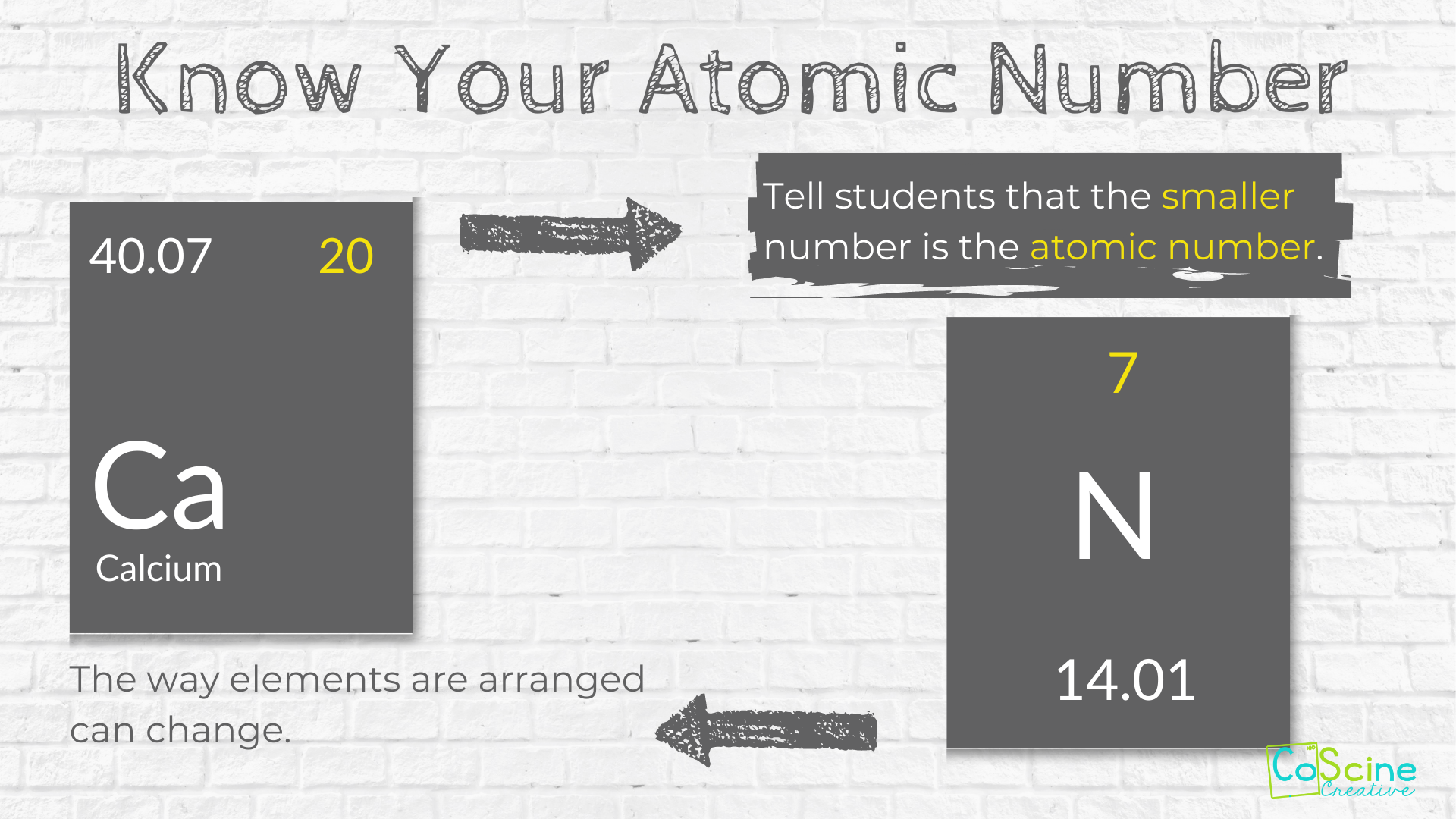
The element with 20 protons is calcium, denoted by the chemical symbol Ca. As the twentieth member of the periodic table, calcium is a soft, silvery-white alkaline earth metal that plays a fundamental role in Earth's geology, industrial manufacturing, and the biological processes of almost all living organisms.
The Atomic Identity of Element 20
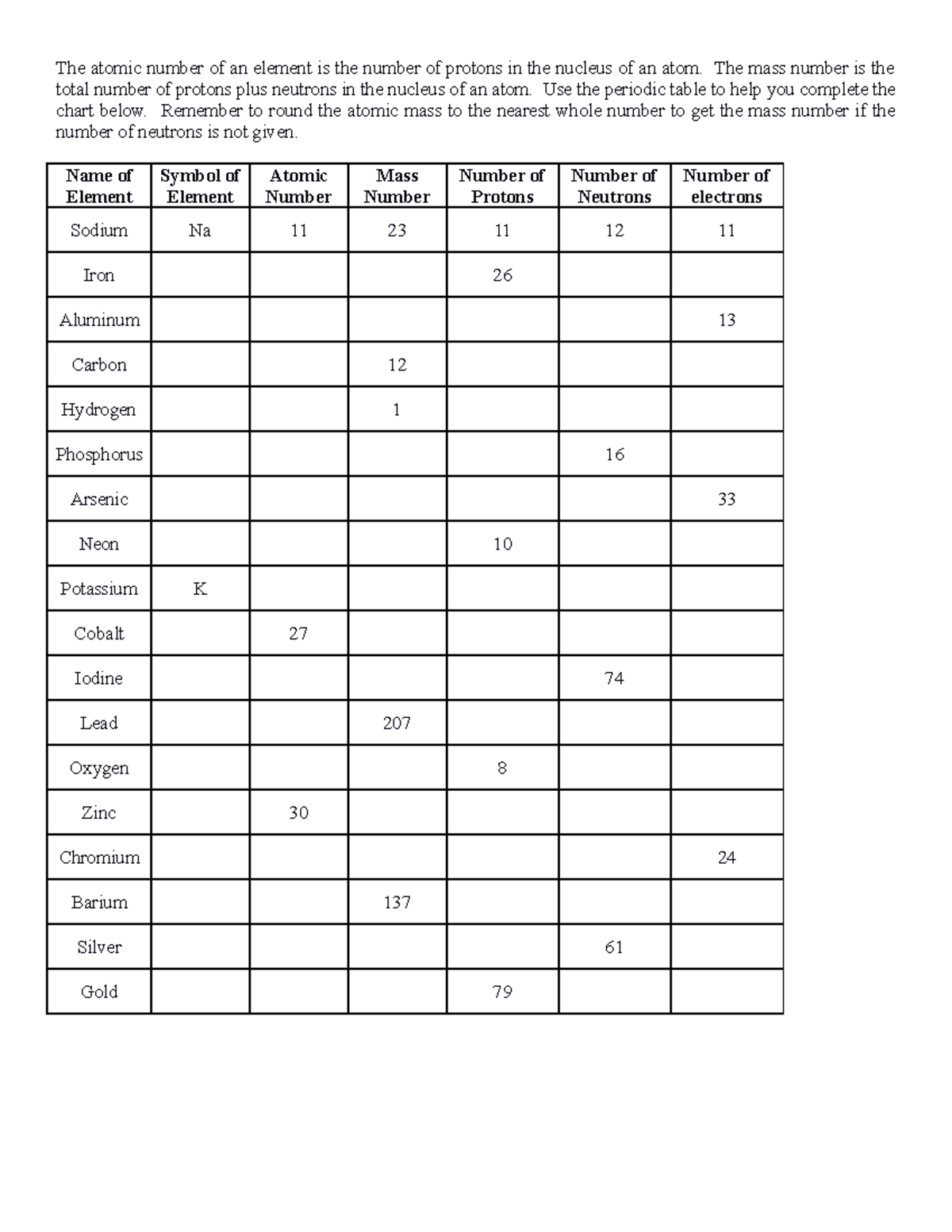
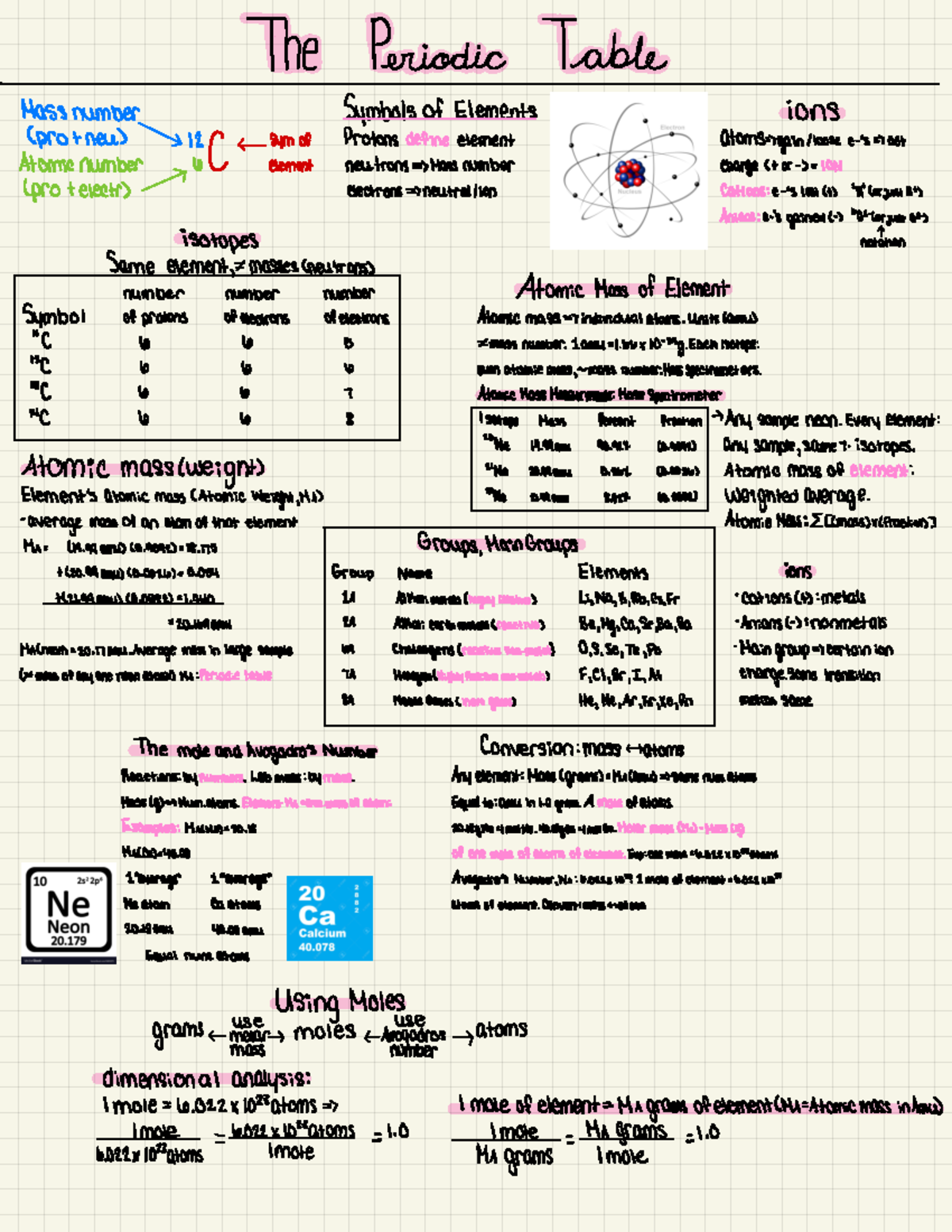
In the realm of chemistry, the identity of an element is dictated entirely by the number of protons residing in its nucleus. This number is known as the atomic number. For calcium, having 20 protons defines its position in the periodic table and its fundamental chemical behavior. In a neutral calcium atom, these 20 positively charged protons are balanced by 20 negatively charged electrons.
The arrangement of these electrons determines how calcium interacts with other elements. Calcium follows the electronic configuration [Ar] 4s², meaning it has two valence electrons in its outermost shell. Because atoms generally seek a stable, full outer shell, calcium is highly "electropositive." It readily loses those two outer electrons to achieve a stable configuration similar to the noble gas argon, resulting in a Ca²⁺ oxidation state. This propensity to lose electrons makes calcium a reactive metal, which is why it is never found in its pure, elemental state in nature.
Beyond protons and electrons, the nucleus of calcium also contains neutrons. While the number of protons is fixed at 20, the number of neutrons can vary, creating different isotopes. The most common isotope, Calcium-40, contains 20 protons and 20 neutrons. This specific configuration is notable in nuclear physics because it is "doubly magic," meaning both the proton and neutron shells are full, providing the nucleus with exceptional stability.
Physical and Chemical Properties of Calcium
Pure calcium metal is relatively soft—harder than lead but can be scratched with a knife with some effort. It has a silvery luster when freshly cut, though it quickly tarnishes in the air, forming a greyish-white oxide and nitride layer.
Chemical Reactivity
As an alkaline earth metal (Group 2), calcium is less reactive than the alkali metals (Group 1) like sodium or potassium, but it is still potent. When placed in water, calcium reacts to produce hydrogen gas and calcium hydroxide [Ca(OH)₂]. The reaction is vigorous but generally not explosive at room temperature, unlike the more violent reactions of heavier group members like barium.
When heated in air or oxygen, calcium ignites to form calcium oxide (CaO), also known as quicklime. This reaction is accompanied by a signature brick-red flame color, a characteristic often used in flame tests to identify the presence of calcium in unknown samples.
Thermodynamic and Mechanical Data
As of 2026, the standardized physical constants for calcium remain a cornerstone of materials science. It possesses a melting point of approximately 842°C (1,548°F) and a boiling point of 1,484°C (2,703°F). Its density is relatively low for a metal, at about 1.55 grams per cubic centimeter, making it the lightest of the alkaline earth metals except for beryllium and magnesium.
Calcium in the Natural World: Occurrence and Extraction
Calcium is the fifth most abundant element by mass in the Earth's crust, making up roughly 3.4% of the terrestrial surface. Due to its high reactivity, it exists exclusively in compounds, primarily as carbonates, sulfates, and silicates.
Common Minerals
The most ubiquitous calcium-bearing mineral is calcite (calcium carbonate, CaCO₃), which is the primary component of limestone, marble, and chalk. Other significant minerals include:
- Gypsum: Calcium sulfate dihydrate (CaSO₄·2H₂O), essential for the construction of drywall.
- Fluorite: Calcium fluoride (CaF₂), used as a flux in steelmaking.
- Apatite: Calcium phosphate, which is the mineral basis for human bones and teeth.
Industrial Production
Extracting pure calcium metal is a complex process. The most common method involves the electrolysis of molten calcium chloride (CaCl₂). In this process, a high electrical current is passed through the liquid salt, causing the calcium ions to migrate to the cathode, where they deposit as metal. Alternatively, calcium oxide can be reduced with aluminum in a vacuum at high temperatures. In 2026, industrial facilities continue to refine these processes to reduce carbon footprints, particularly in the production of lime, which traditionally releases significant CO₂.
The Biological Essentiality of Calcium
For humans and most animals, calcium is the most abundant mineral in the body. It is not merely a structural component; it is a vital signaling molecule involved in nearly every physiological system.
Skeletal Structure
Approximately 99% of the body's calcium is stored in the bones and teeth in the form of hydroxyapatite. This mineral matrix provides the rigidity necessary for the skeleton to support weight and protect internal organs. Throughout a person's life, bone is constantly "remodeled," with calcium being deposited and withdrawn as needed.
Cellular Signaling and Muscle Contraction
The remaining 1% of calcium circulates in the blood and soft tissues, where it performs critical functions:
- Muscle Contraction: When a nerve stimulates a muscle, calcium ions are released within the muscle cells, allowing the protein filaments (actin and myosin) to slide over each other and create a contraction.
- Blood Clotting: Calcium (Factor IV) is a necessary cofactor in the coagulation cascade. Without it, blood cannot clot effectively after an injury.
- Nerve Impulse Transmission: Calcium ions trigger the release of neurotransmitters at the synapses between neurons.
- Enzymatic Regulation: Many enzymes require calcium ions as cofactors to function correctly, impacting metabolism and cell division.
Nutritional Requirements
To maintain these functions, humans must ingest adequate calcium through their diet. Common sources include dairy products, leafy greens (like kale and bok choy), and fortified foods. As of 2026, nutritional guidelines emphasize that calcium absorption is heavily dependent on Vitamin D levels; without sufficient Vitamin D, the body cannot effectively absorb calcium from the intestines, leading to conditions like osteoporosis in adults or rickets in children.
Industrial and Technical Applications
The utility of calcium extends far beyond biology. Its chemical properties make it indispensable in several heavy industries.
Construction and Infrastructure
The construction industry is the largest consumer of calcium compounds. Limestone is crushed for use as an aggregate in roads. When limestone is heated, it becomes quicklime (CaO), which is a primary ingredient in Portland cement. Cement, when mixed with water, sand, and gravel, forms concrete—the most widely used man-made material on Earth.
Metallurgy
In the production of steel, calcium is used as a deoxidizer and desulfurizer. Because calcium has a high affinity for oxygen and sulfur, it helps remove these impurities from the molten metal, resulting in higher-quality, more durable steel alloys. It is also used as an alloying agent for aluminum and lead, particularly in the production of maintenance-free automotive batteries.
Chemical Synthesis
Calcium compounds serve as precursors for many other chemicals. Calcium carbide (CaC₂) is used to produce acetylene gas for welding. Calcium hypochlorite [Ca(OCl)₂] is a common bleaching agent and disinfectant used in swimming pool treatment and water purification.
Comparing Calcium to Other Alkaline Earth Metals
To understand calcium’s specific role, it is helpful to compare it with its neighbors in Group 2 of the periodic table.
| Property | Magnesium (Mg) | Calcium (Ca) | Strontium (Sr) | Barium (Ba) |
|---|---|---|---|---|
| Atomic Number | 12 | 20 | 38 | 56 |
| Atomic Weight | 24.305 | 40.078 | 87.62 | 137.327 |
| Melting Point | 650°C | 842°C | 777°C | 727°C |
| Reactivity with Water | Very slow (hot water) | Moderate (room temp) | Vigorous | Violent |
| Flame Color | Brilliant White | Brick Red | Crimson Red | Apple Green |
| Primary Use | Lightweight alloys | Construction/Biology | Fireworks/Glass | Medical imaging/Drilling |
Isotopes and Scientific Research
While Calcium-40 is the dominant isotope (96.9%), calcium has several other stable isotopes, including Ca-42, Ca-43, Ca-44, and Ca-46. There is also a very long-lived radioactive isotope, Calcium-48.
Calcium-48 is of particular interest to the scientific community in 2026. Because it is extremely "neutron-rich" for a light element, it is frequently used as a "bullet" in particle accelerators. By smashing Ca-48 ions into heavy target elements (like berkelium or californium), researchers can synthesize superheavy elements, such as Oganesson (element 118). This makes calcium a vital tool in expanding our understanding of the limits of matter.
Furthermore, calcium isotope ratios are used in geochemistry and archaeology. By analyzing the ratio of Ca-44 to Ca-40 in fossilized teeth or bones, scientists can reconstruct the diets of ancient organisms and track historical changes in the marine calcium cycle, which is closely linked to global CO₂ levels and climate change.
Safety and Handling
While calcium ions are essential for life, pure calcium metal and certain compounds require careful handling.
- Elemental Calcium: Because it reacts with moisture to produce heat and flammable hydrogen gas, calcium metal must be stored in airtight containers, often under a layer of mineral oil. It can cause severe skin burns upon contact with sweat.
- Calcium Oxide (Quicklime): This is a caustic material. If inhaled or touched, it reacts with the moisture in the body to form calcium hydroxide, a strong base that can cause chemical burns to the eyes, skin, and respiratory tract.
- Hypercalcemia: In a medical context, an excess of calcium in the blood (often due to overactive parathyroid glands or excessive supplementation) can lead to kidney stones, impaired kidney function, and heart rhythm disturbances.
Frequently Asked Questions
Why does calcium have 20 protons?
An element is defined by its number of protons. If an atom has 20 protons, it is, by definition, calcium. This number is determined by the element's position in the periodic table, where it follows potassium (19 protons) and precedes scandium (21 protons).
Is the calcium in milk the same as the metal?
Chemical elements exist in different forms. The calcium in milk consists of calcium ions (Ca²⁺) bound within complex proteins or salts. These ions are stable and safe to ingest. In contrast, "elemental calcium" is a reactive, shiny metal that would react violently with the water in your mouth and is not found in food.
How was calcium discovered?
Although calcium compounds like lime have been used since antiquity, the pure metal was first isolated by the English chemist Sir Humphry Davy in 1808. He used the then-new technique of electrolysis to separate the metal from a mixture of lime and mercuric oxide.
Why is calcium called an "alkaline earth metal"?
The term "alkaline" refers to the fact that when calcium oxides are mixed with water, they form basic (alkaline) solutions. The term "earth" was an old chemical name for non-metallic substances that were insoluble in water and resistant to heating—properties that described calcium oxide.
Does calcium expire?
Calcium metal does not "expire" in the traditional sense, but it will oxidize over time if exposed to air, eventually turning into a white powder (calcium oxide/carbonate). In terms of dietary supplements, calcium tablets have an expiration date because the binders and fillers in the pill may degrade, even if the calcium carbonate itself remains chemically stable.
Final Recommendations for Study and Application
For those looking to deepen their understanding of element 20, the best next step is to observe its effects in the world around you. In a laboratory setting, a simple flame test or a reaction between calcium turnings and water provides an immediate demonstration of its chemical energy.
For students and professionals, keeping abreast of the International Union of Pure and Applied Chemistry (IUPAC) standards is essential, as they provide the most accurate updated data on atomic weights and isotopic abundances. In 2026, the focus remains on the sustainable use of calcium in the "green" cement industry and the continued use of calcium isotopes in high-energy physics research. Whether you are studying for a chemistry exam or working in materials science, remember that calcium is more than just a "bone builder"—it is a cornerstone of the physical world.