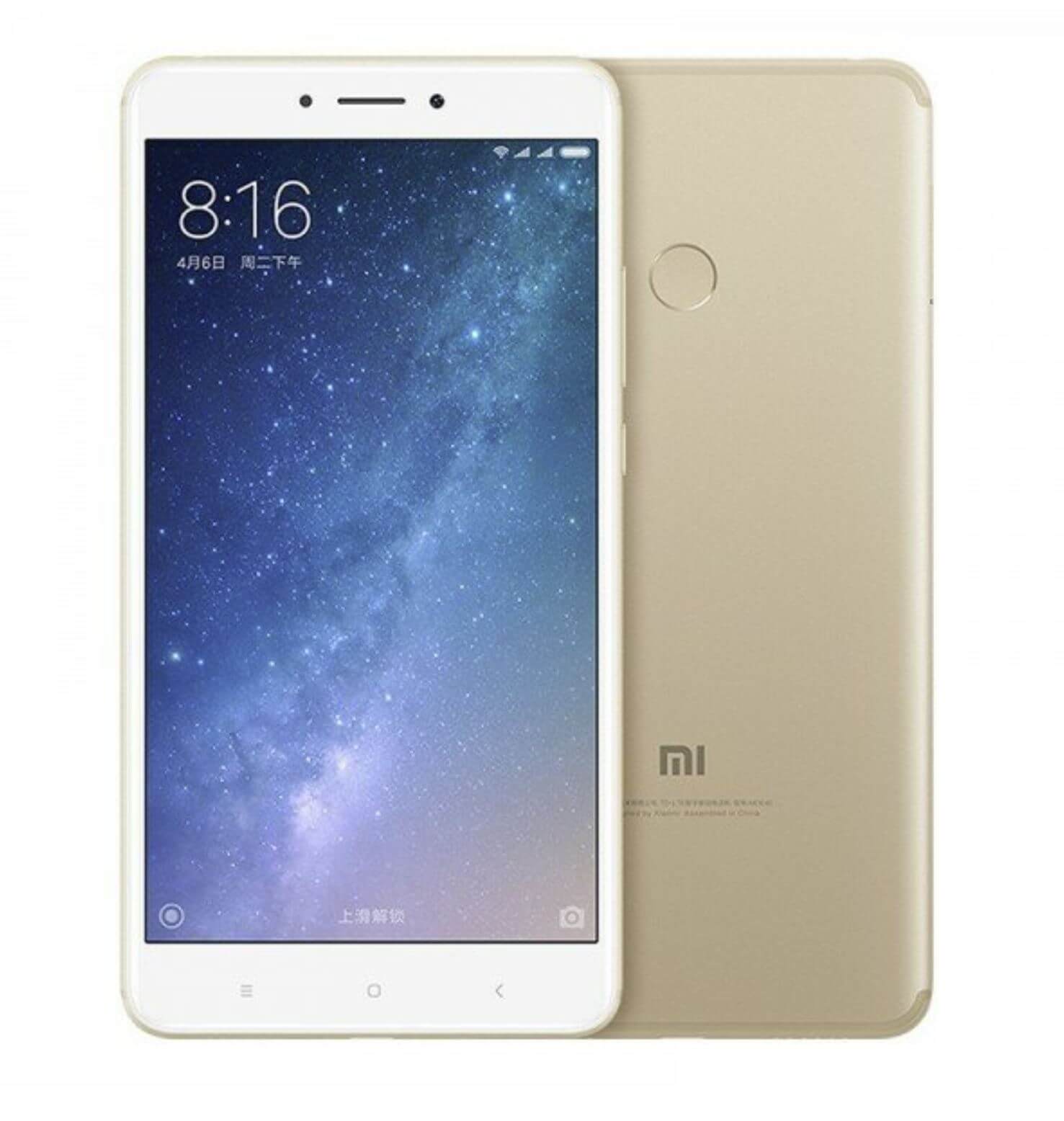
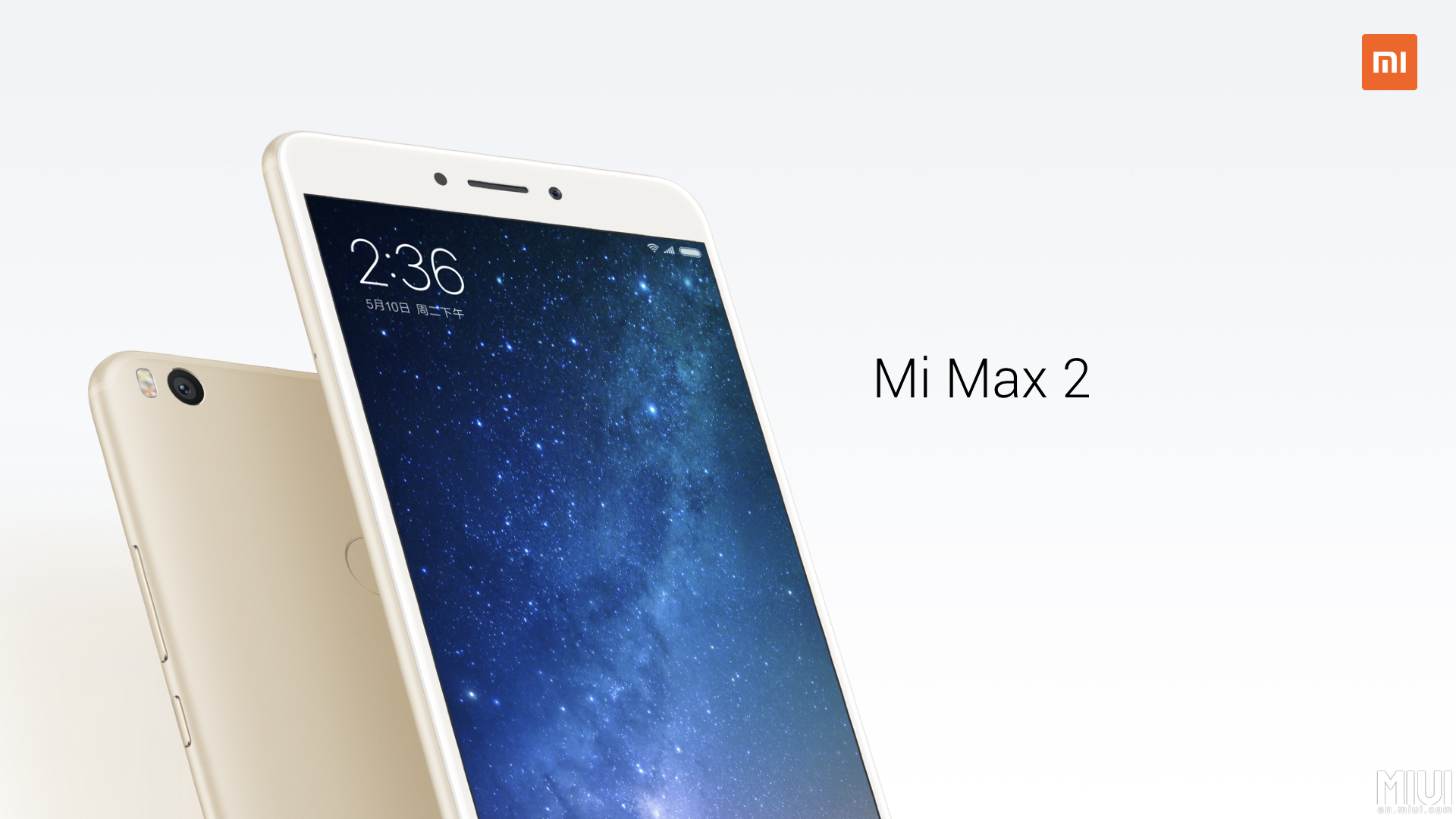
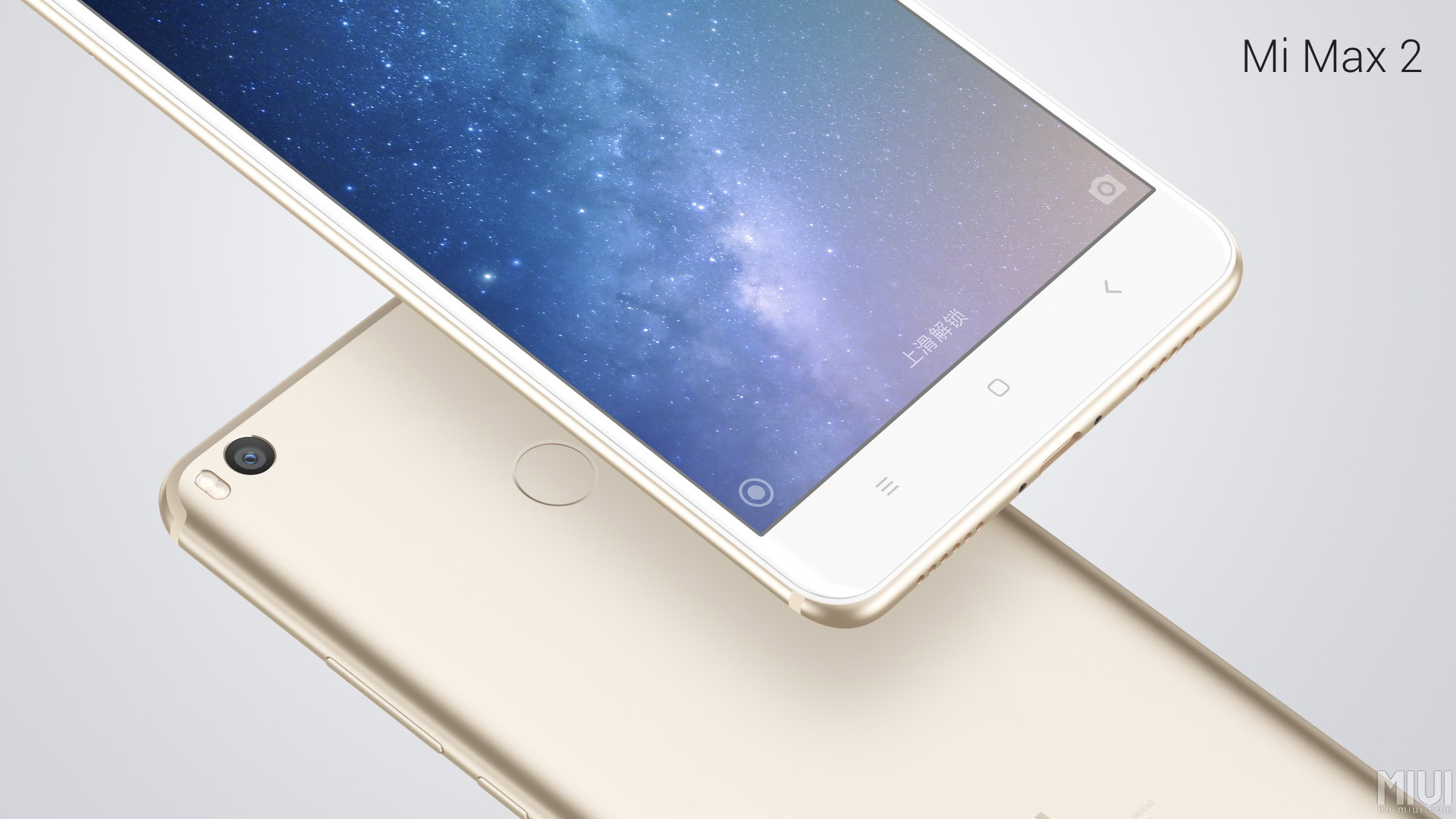
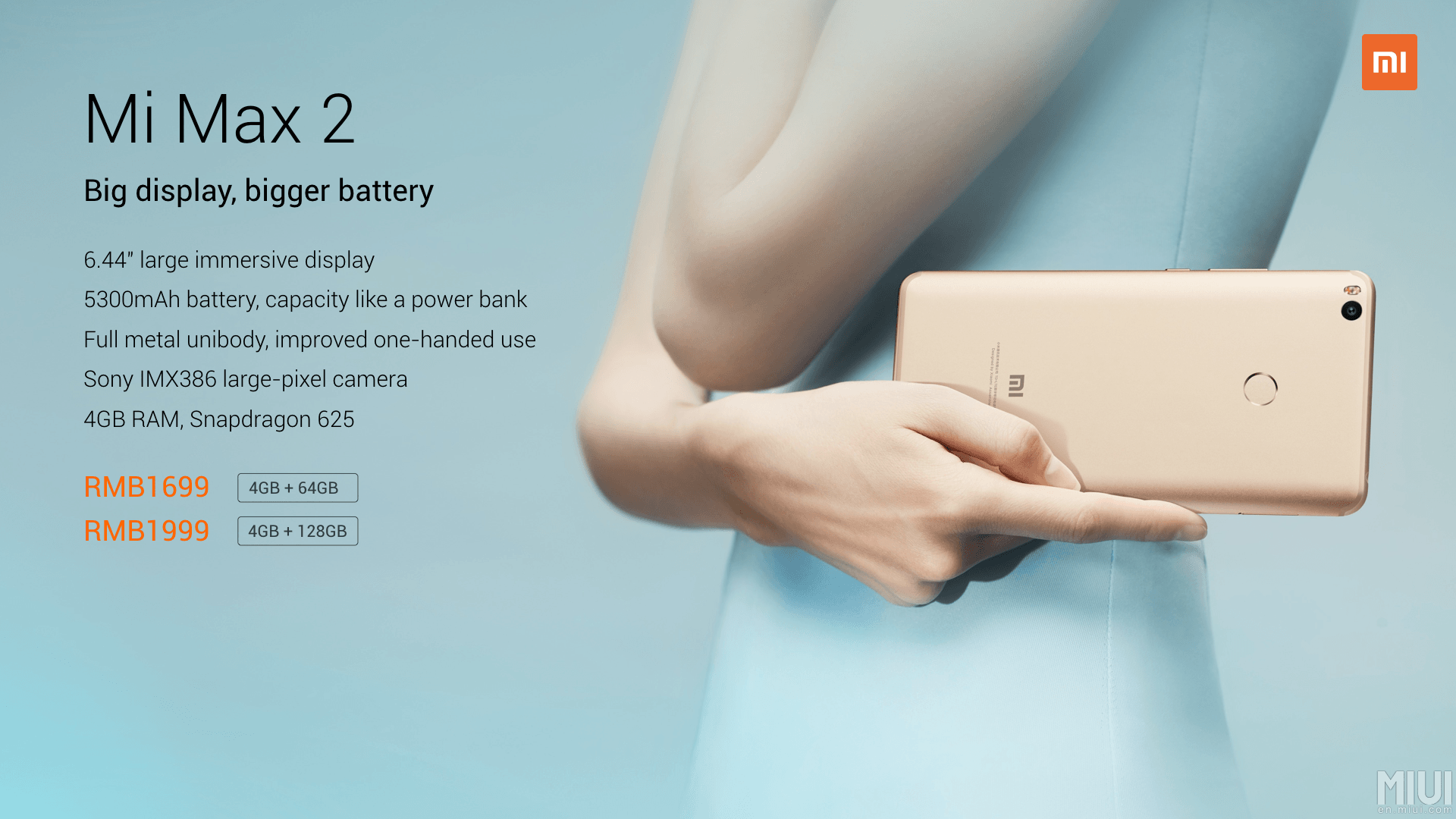
The Xiaomi Mi Max 2 remains a landmark device in the "phablet" category, characterized by its massive 6.44-inch display and substantial 5300mAh battery. While originally released in 2017, it continues to serve as a specialized secondary device or a legacy media player in 2026. Its primary appeal lies in the expansive 16:9 aspect ratio screen, which offers a wider viewing area for reading and document editing compared to the narrower, taller displays of modern smartphones.
The Legacy of the Xiaomi Mi Max 2
When Xiaomi introduced the Mi Max 2, the smartphone industry was in a state of transition. Screens were getting larger, but the move toward bezel-less designs and ultra-tall aspect ratios (like 20:9 or 21:9) had not yet become the universal standard. The Mi Max 2 leaned heavily into the "bigger is better" philosophy, providing a tablet-like experience that could still fit into a (large) pocket.
In the current landscape of 2026, the Mi Max 2 is categorized as a legacy or "vintage" device. However, its specific form factor has a cult following. The width of the screen makes it particularly effective for viewing full-width desktop websites and reading PDFs without constant horizontal scrolling. For many enthusiasts, the Mi Max 2 represents the pinnacle of the wide-format phablet era before the industry shifted toward the narrower "Remote Control" style of modern handsets.
Technical Specifications: A Deep Dive
To understand the longevity of the Mi Max 2, one must examine the hardware that powered it. Xiaomi opted for efficiency over raw power, a choice that has allowed many units to remain functional nearly a decade later.
Display and Build Quality
The centerpiece is the 6.44-inch IPS LCD panel with a resolution of 1920 x 1080 (FHD). With a pixel density of approximately 342 PPI, it remains sharp enough for most media consumption. The build is a sturdy metal unibody with rounded edges, which was a significant upgrade over the original Mi Max's plastic caps. The use of Gorilla Glass 3 provided a baseline of scratch resistance that has helped many units survive the intervening years.
The Snapdragon 625 Processor
The choice of the Qualcomm Snapdragon 625 was controversial at launch because it was seen as a side-grade from the Snapdragon 650/652 found in its predecessor. However, the 625 was built on a 14nm process, making it one of the most power-efficient chips of its time. This efficiency is the primary reason the Mi Max 2 gained a reputation for legendary battery life. In 2026, while this chip struggles with modern, heavy applications, it remains capable of handling lightweight tasks like e-book reading, local video playback, and basic web browsing.
Memory and Storage
The device typically shipped with 4GB of LPDDR3 RAM and options for 64GB or 128GB of eMMC 5.1 storage. While eMMC is significantly slower than the UFS storage found in contemporary 2026 devices, it is sufficient for the tasks the Mi Max 2 is now suited for. Furthermore, the inclusion of a microSD card slot allows for expansion up to 256GB (and often more with modern SDXC cards), which is essential for those using the device as an offline media vault.
Battery Life and Power Management
The 5300mAh battery was the Mi Max 2's "killer feature." At the time of its release, most flagship phones were struggling to exceed 3000mAh.
Longevity in 2026
For a unit still in operation in 2026, battery health is the most critical factor. Lithium-ion batteries degrade over time, and a nine-year-old Mi Max 2 will likely only retain 60-70% of its original capacity unless the cell has been replaced. Fortunately, the Mi Max 2 was designed before the era of excessively complex adhesive-heavy internals, making battery replacement a viable DIY project for those with basic tools.
Charging Standards
The device supports Quick Charge 3.0 via its USB Type-C port. In 2026, where 65W and 120W charging are common, the 18W charging of the Mi Max 2 feels slow. It takes approximately 2.5 hours to charge from 0% to 100%. However, given the massive capacity, a single charge can still last several days when used as a dedicated e-reader or music player.
Software Environment and Security Considerations
The Mi Max 2 originally launched with MIUI 8.5 based on Android 7.1.1 (Nougat). Over its official support lifecycle, it received updates up to MIUI 11, though the underlying Android version for the global ROM largely plateaued at Android 9.0 (Pie).
The Risks of Using Outdated Android
Using a device stuck on Android 9 in 2026 presents significant security challenges. Most modern banking apps and high-security services require at least Android 12 or 13 to function. Furthermore, the lack of recent security patches means the device is vulnerable to exploits that have been patched in more recent versions of the OS.
The Custom ROM Community
For users who want to keep the "2 Xiaomi Mi Max 2 mobile" units functional, the developer community has been a lifesaver. Because the Snapdragon 625 was a very popular chip, developers ported various versions of Android (via LineageOS and other custom ROMs) to the device. These custom builds can sometimes bring the device up to more recent Android versions, though hardware limitations like camera drivers or proprietary sensors can sometimes lead to bugs.
Practical Use Cases for the Mi Max 2 in 2026
Given its age, the Mi Max 2 should not be used as a primary smartphone. However, its unique physical attributes make it excellent for several niche applications:
- Dedicated E-Reader: The width of the 6.44-inch 16:9 screen is much closer to the aspect ratio of a printed book than modern smartphones. It is an excellent alternative to an E-Ink Kindle for those who prefer a backlit LCD or need to view color-rich PDFs and magazines.
- Smart Home Controller: Its large screen makes it an ideal dedicated wall-mounted controller for smart home ecosystems (Home Assistant, Google Home, etc.).
- Media Server/Player: With a large microSD card, it can store a massive library of FLAC audio or offline videos for use in cars or during travel where data is unavailable.
- Legacy Gaming: It is perfectly capable of running older 2D games or emulators for retro consoles (NES, SNES, Genesis, and some PS1 titles).
- GPS for Vehicles: The large screen is excellent for navigation, though it should be used with offline maps (like HereWeGo or OSMAnd) to avoid the need for a constant data connection on an unpatched device.
Comparison: Mi Max 2 vs. The Mi Max Series
To understand where the Mi Max 2 fits, it is helpful to compare it with its predecessor and successor.
| Feature | Mi Max (Original) | Mi Max 2 | Mi Max 3 |
|---|---|---|---|
| Release Year | 2016 | 2017 | 2018 |
| Display Size | 6.44-inch | 6.44-inch | 6.9-inch |
| Aspect Ratio | 16:9 | 16:9 | 18:9 |
| Processor | Snapdragon 650/652 | Snapdragon 625 | Snapdragon 636 |
| Battery | 4850 mAh | 5300 mAh | 5500 mAh |
| Charging | Micro-USB | USB Type-C | USB Type-C |
| Build | Metal/Plastic Mix | Full Metal Unibody | Full Metal Unibody |
The Mi Max 2 is often cited as the most "balanced" of the trio. While the Mi Max 3 had a larger screen and a more powerful processor, the 18:9 aspect ratio made the device much taller and narrower, losing that "mini-tablet" feel that the Mi Max 2 perfected with its wider 16:9 stance.
Camera Performance: The Sony IMX386 Sensor
The Mi Max 2 featured a single 12MP rear camera using the Sony IMX386 sensor with 1.25µm pixels. At the time, this was the same primary sensor used in Xiaomi's flagship Mi 6.
In 2026, the camera performance is noticeably dated. It lacks Optical Image Stabilization (OIS) and modern computational photography features like Night Mode or advanced HDR. In bright daylight, it can still produce decent images with accurate colors. However, in low light, the images suffer from significant noise and loss of detail. The video recording maxes out at 4K at 30fps, but the lack of stabilization makes handheld footage quite shaky. For a secondary device, the camera is sufficient for scanning QR codes or basic document capture, but it will not compete with even entry-level 2026 smartphones for photography.
Troubleshooting and Maintenance
If you are acquiring a "2 Xiaomi Mi Max 2 mobile" set or looking to revive an old one, here are the primary technical hurdles you may face:
Bootloops and Software Bricking
If the device is stuck on the Mi logo, it is often a software corruption issue or a failing battery that cannot provide enough voltage to boot. Reflashing the official Fastboot ROM using the MiFlash Tool is the standard solution, though this requires an unlocked bootloader or using the "Emergency Download" (EDL) mode by shorting test points on the motherboard.
Finding Replacement Parts
By 2026, official parts are no longer manufactured. However, because the Mi Max 2 was so popular in Asian markets, third-party screens, batteries, and charging port daughterboards remain available on global marketplaces like AliExpress. When buying a replacement battery, look for "BM50" (the battery model number) and ensure it was manufactured recently to avoid "New Old Stock" that has already degraded on the shelf.
Connectivity Limitations
The Mi Max 2 supports 4G LTE, but it lacks many of the bands used for modern 5G networks. Furthermore, as carriers continue to sunset 2G and 3G networks, and re-farm 4G bands, the signal reception on a Mi Max 2 may be less reliable than a modern device. It does support dual-band Wi-Fi (2.4GHz and 5GHz), which is the most reliable way to keep the device connected in 2026.
FAQ
Can I run WhatsApp or Telegram on the Mi Max 2 in 2026?
Yes, as of early 2026, these applications still support Android 9.0. However, as the minimum requirements for these apps increase, the Mi Max 2 will eventually lose access unless you install a custom ROM with a higher Android version. Always ensure you are using the latest available APK from the official website.
Is the Mi Max 2 waterproof?
No. The Mi Max 2 has no official IP rating for water or dust resistance. It has a standard headphone jack and a physical SIM tray that are not sealed against liquid ingress. Great care should be taken when using it near water.
How do I improve the performance of my Mi Max 2?
To speed up a sluggish Mi Max 2, go to Settings > About Phone and tap "MIUI Version" seven times to unlock Developer Options. Inside Developer Options, set "Window animation scale," "Transition animation scale," and "Animator duration scale" to 0.5x. This makes the UI feel significantly snappier. Additionally, disabling "System ads" in MIUI settings will reduce background processing.
Can I use the Mi Max 2 as a second monitor for my PC?
Yes, the 6.44-inch screen is quite useful as a secondary display for monitoring system stats (CPU/GPU temperature) or keeping a chat window open. Apps like Spacedesk or SuperDisplay (if compatible) work over Wi-Fi or USB to turn the Mi Max 2 into a small auxiliary monitor.
Does the Mi Max 2 support 5G?
No, the Mi Max 2 is a 4G LTE device. It does not have the hardware (modem or antennas) required to connect to 5G NR networks.
Final Recommendation
The Xiaomi Mi Max 2 is a classic example of a device that "did one thing right." By focusing on screen width and battery capacity, it created a utility that modern phones have struggled to replicate. In 2026, if you own one or are looking to purchase one, treat it as a specialized tool. It is not a daily driver for social media and banking, but as a dedicated device for reading, media consumption, or smart home management, it remains a highly functional piece of technology. Ensure you check the battery health and consider exploring the custom ROM community to get the most out of this phablet icon.