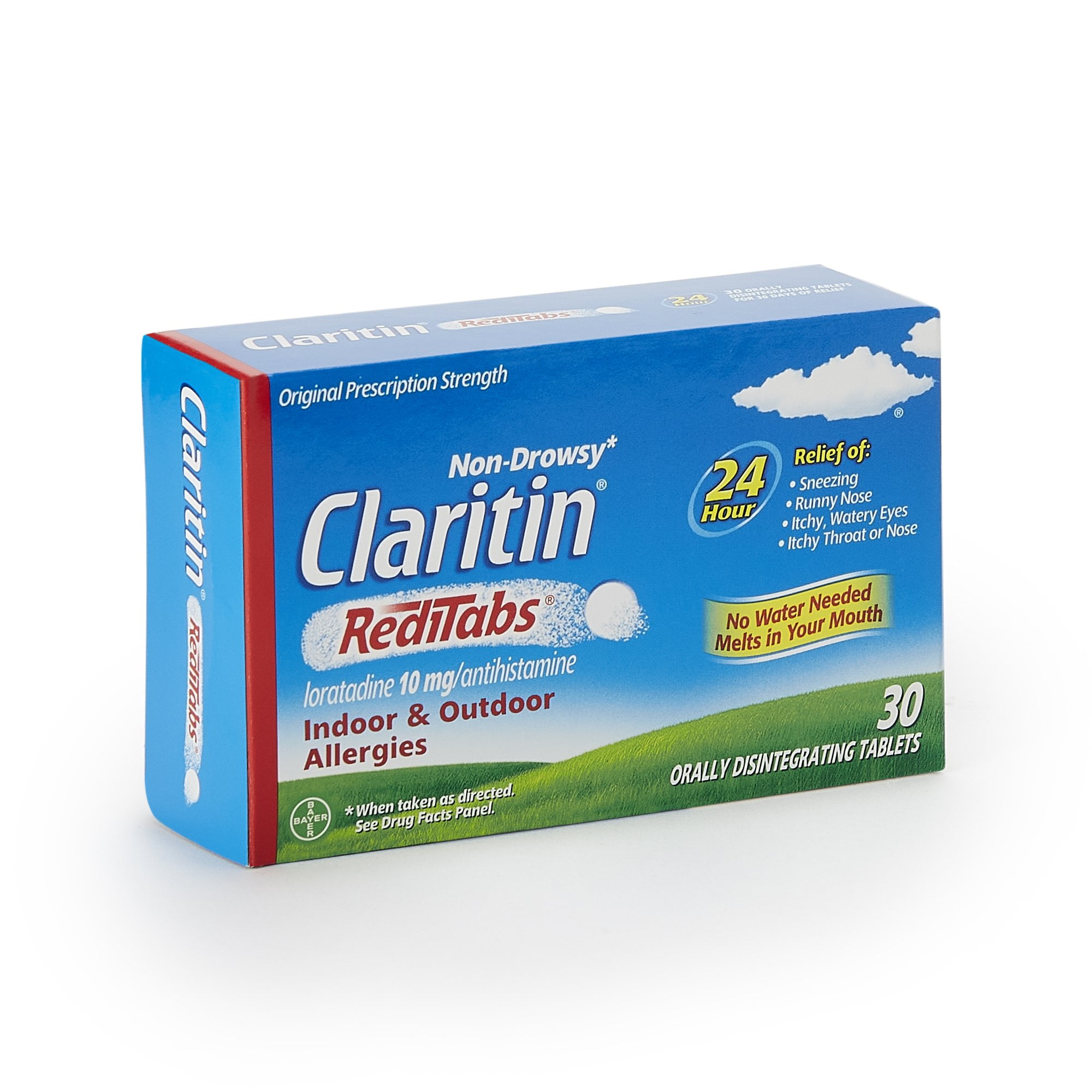
Accidentally taking two Claritin tablets instead of the recommended single daily dose generally does not cause a severe or life-threatening medical emergency for most healthy adults. Because loratadine, the active ingredient in Claritin, is a second-generation antihistamine designed to have a high safety margin and a non-drowsy profile, a mild double dose typically results in minor, manageable side effects like a slight headache or dry mouth, though individuals with underlying health conditions or those taking specific medications should consult a healthcare professional.
Understanding Claritin and Loratadine
Claritin is one of the most widely used over-the-counter (OTC) medications globally, relied upon by millions of allergy sufferers to manage symptoms such as sneezing, runny nose, itchy or watery eyes, and allergic skin hives. The active pharmaceutical ingredient in standard Claritin is loratadine, a second-generation histamine H1 receptor antagonist. To fully understand what occurs when someone takes two tablets, it is essential to look at how this medication functions within the human body and why it was engineered with a wide therapeutic window.
Unlike first-generation antihistamines—such as diphenhydramine (Benadryl)—second-generation options like loratadine were explicitly developed to minimize central nervous system (CNS) side effects. First-generation molecules readily cross the blood-brain barrier, which accounts for the heavy sedation, drowsiness, and cognitive slowing associated with them. Loratadine, conversely, has poor penetration into the central nervous system under normal therapeutic conditions. This selective targeting of peripheral histamine receptors is what allows Claritin to provide 24-hour allergy relief without causing significant drowsiness in the vast majority of users.
Standard Dosing Guidelines
The standard, FDA-approved dosage for adults and children aged 6 years and older is one 10 mg tablet once daily. For children aged 2 to 5 years, the typical dosage is 5 mg once daily, usually administered in a syrup formulation. The medication is formulated to release slowly or maintain steady plasma concentrations over a 24-hour period. Because it has a relatively long half-life (approximately 8 hours for loratadine and up to 28 hours for its active metabolite, desloratadine), taking a dose more frequently than every 24 hours can lead to drug accumulation in the bloodstream, raising the risk of adverse reactions.
What Happens Physically When You Take Two Tablets
When an adult accidentally takes two 10 mg Claritin tablets instead of one, they have consumed a total of 20 mg. While this is double the standard daily dose, it rarely triggers severe toxicity in a healthy individual. Regulatory toxicological data and clinical studies evaluating loratadine overdose have shown that single acute ingestions of up to 40 mg to 160 mg in adults generally result in predictable, mild side effects rather than catastrophic medical crises.
Common Mild Side Effects of a Double Dose
For most people, taking two tablets will either pass completely unnoticed or produce mild, temporary discomfort. The most commonly reported side effects associated with a slight excess of loratadine include:
- Headache: A mild, dull tension headache can sometimes occur as blood concentrations of the drug peak.
- Dry Mouth: Antihistamines possess mild anticholinergic properties, which can temporarily reduce saliva production, leading to a dry or sticky feeling in the oral cavity.
- Fatigue or Drowsiness: Although Claritin is marketed as non-drowsy, higher-than-recommended doses can occasionally cross the blood-brain barrier in greater quantities, causing mild tiredness or lethargy.
- Nervousness or Agitation: Paradoxically, particularly in children or sensitive adults, higher doses of antihistamines can occasionally manifest as mild jitteriness, excitability, or restlessness.
Comparison of Standard vs. Double Dose Effects
| Parameter | Standard Dose (10 mg) | Accidental Double Dose (20 mg) | Substantial Overdose (>40 mg) |
|---|---|---|---|
| Primary Effect | 24-hour allergy symptom relief | 24-hour relief with heightened systemic exposure | Extended symptom control alongside heightened side effect risk |
| Drowsiness Risk | Minimal to none | Low, occasional mild fatigue reported | Moderate risk of sedation or paradoxical excitation |
| Anticholinergic Effects | Negligible | Mild dry mouth or mild dry eyes | Noticeable dry mouth, mild tachycardia, or gastrointestinal upset |
| Duration of Action | Approximately 24 hours | Extended elimination timeline | Prolonged clearance requiring monitoring |
Factors That Influence Overdose Severity
Not everyone reacts to an accidental double dose of medication in the exact same way. Several physiological, pharmacological, and environmental factors influence how the body processes loratadine and whether adverse effects become pronounced.
Age and Body Weight
Body mass plays a significant role in drug distribution. A healthy adult weighing 180 pounds will process a 20 mg dose of loratadine with virtually no noticeable physiological disruption. Conversely, children, adolescents, or lightweight adults have a lower volume of distribution. If a child accidentally takes an adult-strength 10 mg tablet—or worse, two of them—the relative concentration of the drug in their system is significantly higher, elevating the likelihood of experiencing central nervous system stimulation or sedation.
Renal and Hepatic Function
Loratadine is extensively metabolized in the liver by the cytochrome P450 enzyme system (specifically CYP3A4 and CYP2D6) and is excreted via both the kidneys and feces. Individuals with pre-existing hepatic impairment or severe chronic kidney disease cannot metabolize and clear the drug efficiently. In such patients, even a standard dose can accumulate; taking two tablets could lead to prolonged drug half-life and extended exposure, increasing the risk of adverse side effects.
Concomitant Medication Use
Drug-drug interactions are among the most common reasons why an otherwise safe over-the-counter dose can become problematic. Loratadine is metabolized by liver enzymes that are also utilized by many prescription medications. Drugs that inhibit CYP3A4 or CYP2D6—such as certain antifungal agents (ketoconazole), macrolide antibiotics (erythromycin), and selective serotonin reuptake inhibitors (cimetidine or fluoxetine)—can slow down the breakdown of loratadine. When these medications are present in the bloodstream alongside a double dose of Claritin, the plasma levels of loratadine can rise higher than intended, mimicking a much larger overdose.
Claritin-D vs. Standard Claritin: A Critical Distinction
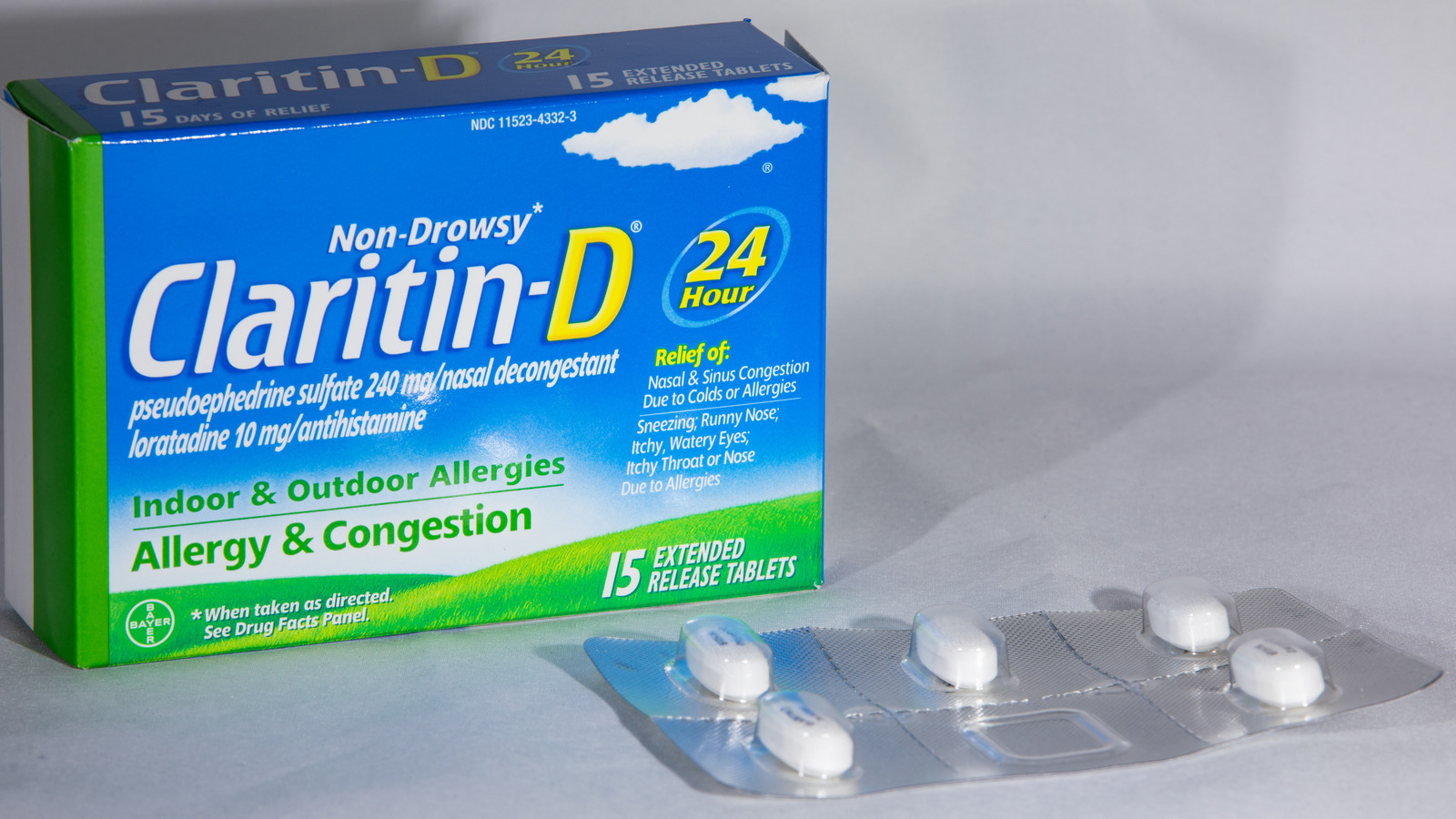
It is vital to distinguish between standard Claritin and Claritin-D. While standard Claritin contains only loratadine, Claritin-D contains loratadine combined with pseudoephedrine sulfate, a powerful nasal decongestant that acts as a sympathomimetic stimulant.
Taking two tablets of standard Claritin results in a manageable excess of an antihistamine. However, taking two tablets of Claritin-D means doubling the dose of pseudoephedrine, which can cause significant physiological stimulation. Pseudoephedrine constricts blood vessels and increases heart rate and blood pressure.
Risks Associated with Claritin-D Double Doses
- Elevated Blood Pressure (Hypertension): Can cause sudden spikes in blood pressure, dangerous for individuals with underlying cardiovascular disease.
- Rapid Heart Rate (Tachycardia) or Palpitations: Users may feel their heart racing or pounding in their chest.
- Insomnia and Jitteriness: Severe central nervous system stimulation that prevents sleep and causes physical anxiety.
- Urinary Retention: Particularly problematic in older men with benign prostatic hyperplasia (BPH).
If a person accidentally takes two tablets of Claritin-D, the threshold for seeking medical guidance is lower, especially for individuals with high blood pressure, heart conditions, thyroid disorders, or diabetes.
Immediate Steps to Take After Taking Two Claritin Tablets
If you or someone in your care has just realized they took two tablets of standard Claritin, remaining calm is the first and most important step. Panic rarely aids medical decision-making, and as established, a single double dose of standard loratadine is rarely dangerous for a healthy adult.
Recommended Action Plan
- Verify the Product: Check the packaging immediately to confirm whether the medication was standard Claritin (loratadine only) or Claritin-D (loratadine plus pseudoephedrine). Note the milligram strength per tablet (usually 10 mg for adults).
- Assess the Individual: Determine who took the medication, their approximate weight, age, and whether they have any pre-existing medical conditions or take prescription drugs.
- Monitor for Symptoms: Watch for signs of unusual drowsiness, headache, dry mouth, or rapid heartbeat over the next several hours.
- Hydrate: Drink a glass of water, which helps mitigate mild dry mouth and supports normal metabolic clearance.
- Avoid Additional Doses: Do not take another dose of allergy medication until the normal dosing schedule resumes the following day.
When and How to Seek Professional Medical Help
While severe toxicity from standard Claritin is rare, there are clear scenarios where professional guidance or emergency intervention is warranted. Knowing when to contact a poison control center or a physician ensures safety without causing unnecessary hospital visits.
Contacting Poison Control
In the United States, the nationwide Poison Control network provides free, confidential, expert guidance 24/7. You can reach them online at Poison Help or by calling 1-800-222-1222. It is advisable to contact Poison Control immediately if:
- A young child has ingested adult-strength medication.
- Claritin-D was taken in a double dose by someone with high blood pressure or heart disease.
- Unusual or severe symptoms develop, such as extreme dizziness, confusion, or rapid heart palpitations.
When to Go to the Emergency Room
Emergency medical services (calling 911 or visiting the nearest emergency department) should be sought immediately if the individual exhibits red-flag symptoms, which include:
- Loss of consciousness or unresponsiveness.
- Severe chest pain or pressure.
- Severe difficulty breathing or swallowing.
- Uncontrollable tremors, seizures, or extreme hallucinations.
Frequently Asked Questions
Can taking two Claritin tablets cause an overdose?
Technically, consuming more than the recommended dose constitutes an overdose, but a double dose (20 mg) of standard Claritin is generally considered a minor ingestion that rarely results in severe toxicity or poisoning for healthy adults. Most people experience no symptoms or only mild, temporary effects like a headache or dry mouth.
What should I do if my child accidentally took two Claritin tablets?
If a child has ingested adult-strength Claritin or consumed more than their prescribed pediatric dose, you should contact Poison Control (1-800-222-1222) or a pediatrician immediately. Children have lower body weights and developing metabolisms, making them more sensitive to medication errors.
Will taking two Claritin tablets make me sleepier than usual?
While standard Claritin is non-drowsy, taking a double dose can occasionally cause mild fatigue or drowsiness in some individuals because higher plasma concentrations may cause minor central nervous system penetration. However, severe sedation is uncommon unless combined with other sedating substances like alcohol or sleep aids.
When can I take my next regular dose of Claritin?
After an accidental double dose, you should skip the next scheduled daily dose to allow the medication levels in your body to return to baseline. Resume your normal once-daily dosing schedule 24 hours after the time you accidentally took the extra tablets. Do not attempt to "make up" or double up on subsequent days.
Is it dangerous if I accidentally took two Claritin-D tablets instead of regular Claritin?
It requires more caution. Claritin-D contains pseudoephedrine, a stimulant that can elevate blood pressure and heart rate. If a healthy adult takes two Claritin-D tablets, they may feel jittery or experience a racing heart, but it is typically not life-threatening. However, individuals with high blood pressure, heart disease, or anxiety should contact Poison Control or a doctor right away.
Practical Recommendations for Medication Safety
Accidental double dosing usually happens due to distraction, fatigue, or poor communication among household members sharing medicine cabinets. To prevent future dosing errors, store all over-the-counter medications in their original packaging in a consistent, well-lit location out of the reach of children. Consider utilizing a weekly pill organizer if managing multiple daily medications, and always read the Drug Facts label before administering any pharmaceutical product. If an accidental ingestion occurs, verify the exact product formulation, monitor the affected individual closely, and do not hesitate to contact Poison Control for personalized, expert advice.