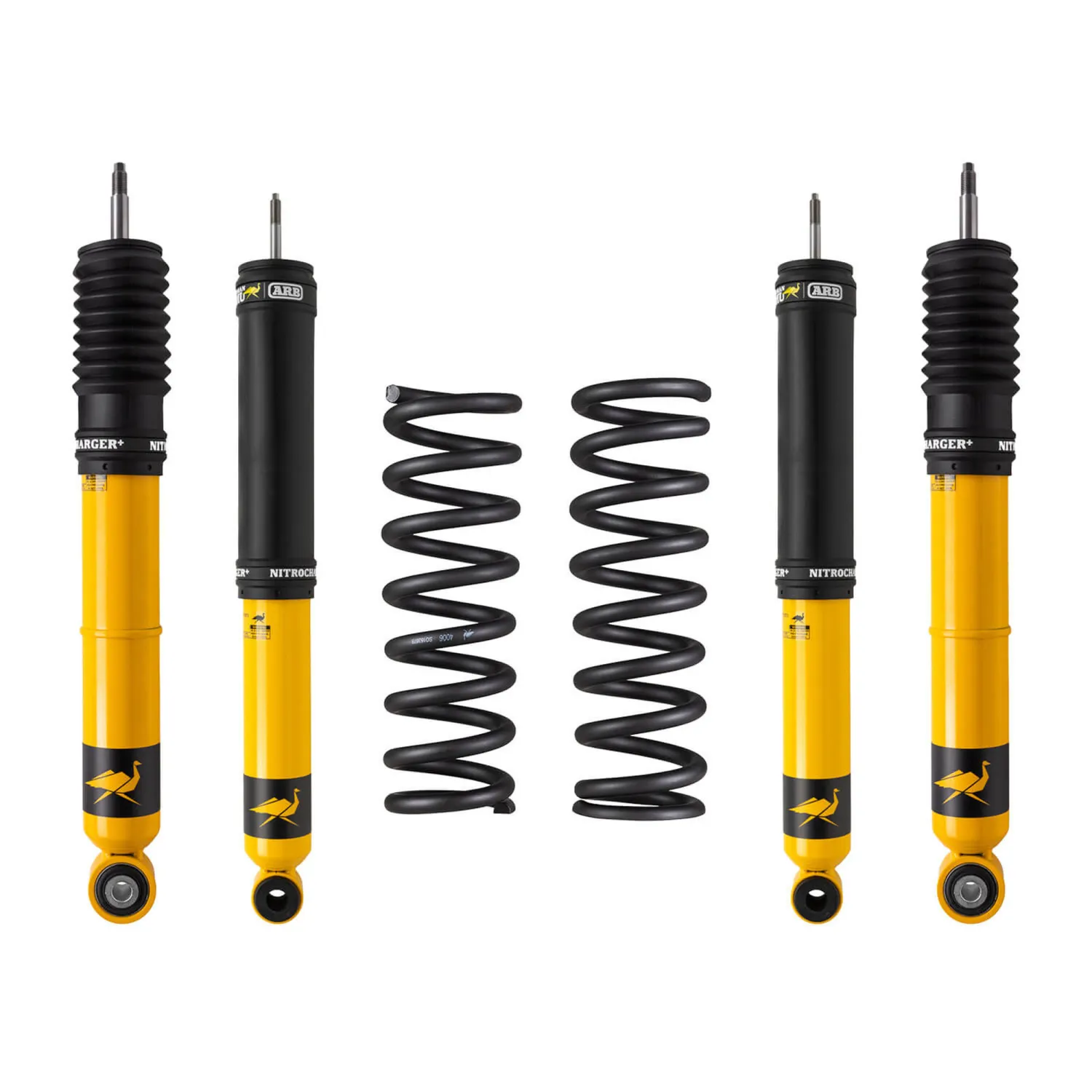
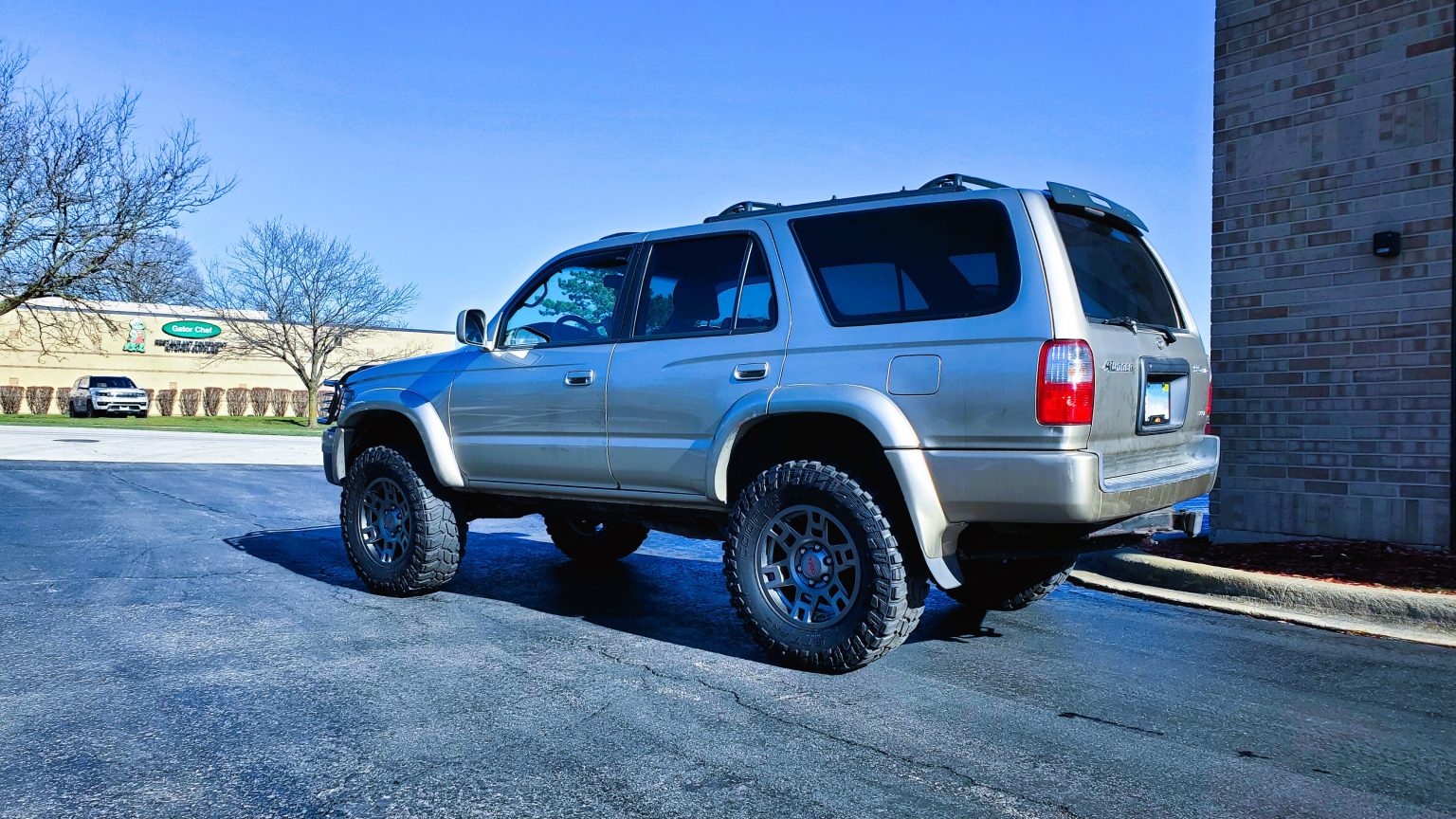
Lifting a 1998 Toyota 4Runner typically involves installing a suspension lift, body lift, or spacer kit to increase ground clearance and accommodate larger tires. For most owners, a 2- to 3-inch suspension lift using Bilstein shocks and Old Man Emu (OME) coils provides the best balance of off-road performance, ride quality, and mechanical reliability.
The 1998 Toyota 4Runner remains a cornerstone of the off-road community. As a key representative of the third-generation (1996–2002) platform, its coil-spring rear suspension and independent front suspension (IFS) make it a versatile candidate for various modifications. Whether you are aiming for a rugged "overland" build or simply want to refresh a sagging 28-year-old suspension, understanding the mechanics of a lift kit is essential for maintaining vehicle longevity.
Understanding the 1998 4Runner Suspension Architecture
Before selecting a lift kit, it is vital to understand the factory configuration of the 1998 model. The front suspension utilizes a double-wishbone design with a coil-over-shock (strut) assembly. The rear suspension features a solid axle supported by a four-link system with a Panhard bar (track bar) and coil springs.
A primary motivation for lifting a 1998 4Runner is "butt sag," a common phenomenon where the factory rear springs lose their tension over decades of use, causing the rear end to sit lower than the front. A lift kit not only resolves this aesthetic issue but also restores the load-carrying capacity required for camping gear, steel bumpers, and winches.
Types of Lift Kits for the 3rd Gen 4Runner
There are three primary methods for lifting a 1998 4Runner, each catering to different budgets and performance requirements.
1. Suspension Lift Kits
A suspension lift is the most comprehensive and recommended method. It involves replacing the factory shocks and coil springs with aftermarket components designed for increased height and higher spring rates.
- Front Suspension: Most kits use adjustable or fixed-seat struts. Bilstein 5100 series shocks are the industry standard, offering multiple snap-ring grooves to adjust the height of the lower spring seat.
- Rear Suspension: Longer coil springs are paired with extended-travel shocks. Brands like Old Man Emu (OME) offer various spring rates (light, medium, or heavy duty) depending on how much weight the vehicle typically carries.
2. Spacer Lift Kits (Leveling Kits)
Spacers are the most affordable way to achieve lift. These are typically polyurethane or aluminum "pucks" that sit on top of the factory strut assembly or coil spring.
- Pros: Very inexpensive; maintains factory ride quality on smooth roads; easy to install.
- Cons: Does not improve suspension travel; can cause "coil bind" or premature wear on factory shocks; often results in a harsher ride over bumps because the suspension is "pre-loaded."
3. Body Lifts
A body lift increases the distance between the vehicle's frame and the body itself. This is achieved by placing spacers on the body mounts.
- Purpose: Body lifts are used almost exclusively to clear larger tires (such as 35-inch tires) without affecting the suspension geometry.
- Considerations: A 1-inch body lift is common and manageable, but anything higher creates visible gaps between the bumper and the body, and may require steering shaft extensions or radiator shroud modifications.
Essential Components and Geometry Correction
Lifting a 1998 4Runner beyond two inches introduces geometric stresses that must be addressed to ensure safety and drivability.
Upper Control Arms (UCAs)
When the front of a 3rd Gen 4Runner is lifted, the factory upper control arms often cannot achieve the proper alignment specs, specifically caster. Low caster leads to "wandering" at highway speeds. Aftermarket UCAs from manufacturers like SPC, Total Chaos, or JBA provide the necessary clearance for the coil spring and allow for correct alignment.
Differential Drop Kits
The front CV (constant velocity) axles on a 4Runner are designed to operate at specific angles. Lifting the front suspension increases the "fin-to-fin" contact on the CV boots, leading to premature tearing and joint failure. A differential drop kit uses spacers to lower the front differential by about an inch, flattening the CV angles and extending the life of the axles.
Panhard Correction
The Panhard bar keeps the rear solid axle centered under the vehicle. As the vehicle is lifted, the bar pulls the axle to the driver's side. At a 3-inch lift, the axle shift is noticeable. Owners often use a Panhard Correction Kit (PCK), which involves welding a bracket to raise the mounting point, or an adjustable Panhard bar to re-center the axle and restore the roll center of the vehicle.
Popular Lift Kit Combinations for 2026
By 2026, several "tried and true" combinations have dominated the 1998 4Runner market. These setups are valued for their reliability and availability of replacement parts.
| Kit Type | Components | Typical Lift Height | Primary Use Case |
|---|---|---|---|
| Budget/Entry Level | Front Spacers / Rear OME 906 Springs | 2.0" Front / 2.0" Rear | Daily driving and mild forest roads. |
| The "Classic" Setup | Bilstein 5100 Shocks / OME 881 & 890 Coils | 2.5" Front / 2.5" Rear | Overlanding and balanced on-road comfort. |
| Heavy Duty / Loaded | Bilstein 5100s / OME 883 & 891 Coils | 3.0" Front / 3.0" Rear | Vehicles with steel bumpers, winches, and drawers. |
| Premium Performance | Fox 2.0 or Icon Coilovers / Remote Reservoir Shocks | Adjustable (0-3.5") | High-speed desert driving and technical rock crawling. |
Tire Fitment and Trimming Requirements
One of the main reasons owners seek an overview of 1998 4Runner lift kits is to determine what tire size they can run. The factory tire size is typically 265/70R16 (approx. 31 inches).
- 32-inch Tires (265/75R16): These generally fit on a stock 1998 4Runner with minimal to no rubbing.
- 33-inch Tires (285/75R16): This is the most popular size for lifted 4Runners. To fit these, a 2.5-inch to 3-inch lift is required. Even with a lift, you will likely need to trim the plastic inner fender liners and potentially perform a "pinch weld mod" (flattening the metal seam behind the front tires) to prevent rubbing at full steering lock.
- 35-inch Tires (315/75R16): Fitting 35s on a 1998 model is a significant undertaking. It requires a 3-inch suspension lift, a 1-inch body lift, extensive trimming of the firewall (tubbing), and re-gearing the differential to maintain acceleration.
Installation Overview and Technical Depth
Installing a lift kit on a 28-year-old Toyota requires patience and the right tools. Because these vehicles are often subject to frame rust and seized bolts, the use of penetrating oil (like PB Blaster or Liquid Wrench) several days before the install is mandatory.
The Front Install: The "No-Compressor" Method
Traditional strut replacement requires a dangerous coil spring compressor. However, many 4Runner enthusiasts use the "floor jack method." By disconnecting the lower ball joint bolts and using the weight of the vehicle to slowly decompress the spring, the shock and coil can be swapped safely without external compression tools.
The Rear Install
The rear is straightforward but requires disconnecting the sway bar links and the Panhard bar to allow the axle to droop low enough for the new, longer springs to be seated. It is critical to check the length of the rear brake line; at full articulation with a 3-inch lift, the factory rubber brake line can become taut and snap. Installing an extended stainless steel braided brake line is a highly recommended safety measure.
Common Pitfalls and Maintenance
A lifted 1998 4Runner requires more frequent inspections than a stock vehicle.
- Driveline Vibration: Lifting the rear can change the pinion angle, leading to a "U-joint vibration." This is often solved by installing a carrier bearing drop or shim kit.
- Lower Ball Joint (LBJ) Failure: The 3rd Gen 4Runner is famous for LBJ failures, where the wheel can literally fall off. The increased stress of a lift kit and heavier tires accelerates this wear. It is an industry-standard recommendation to replace LBJs with OEM Toyota parts only every 60,000 to 80,000 miles, especially on lifted rigs.
- Sway Bar Links: After a lift, the factory sway bar links are often too short, which can cause them to snap or limit suspension travel. Many owners upgrade to longer links from a 2nd Gen 4Runner rear or adjustable aftermarket links.
Frequently Asked Questions
Can I lift my 1998 4Runner and keep the stock shocks?
While you can technically use spacers with stock shocks, it is not recommended for a vehicle of this age. The factory shocks are likely past their service life, and the added height will force them to operate outside their intended range, leading to poor handling and potential failure.
How much does it cost to lift a 1998 4Runner?
A basic spacer lift can cost between $150 and $300 for parts. A high-quality Bilstein/OME suspension lift typically costs between $800 and $1,200 for parts. If you pay a professional shop for installation and alignment, expect to add another $600 to $1,000 to the total.
Will a 3-inch lift make my 4Runner tip over?
Any time you raise the center of gravity of a vehicle, you increase the risk of a rollover. However, 3rd Gen 4Runners are relatively stable. Many owners install wider tires or wheel spacers to increase the vehicle's "track width," which helps offset the increased height and maintains stability during cornering.
Do I need to re-gear my 1998 4Runner after a lift?
The lift itself does not require re-gearing, but the larger tires do. If you move to 33-inch tires (285s), you will notice a slight loss in power and fuel economy. If you move to 35-inch tires, re-gearing the differentials to 4.88 or 5.29 ratios is practically mandatory to keep the engine within its power band.
Is an alignment necessary after a lift?
Yes. Any modification to the suspension height changes the toe, camber, and caster of the front wheels. Driving without a professional alignment will result in rapid tire wear and unpredictable steering. It is best to let the new springs "settle" for about 100 miles before taking the vehicle to an alignment shop.
Final Recommendation for 1998 4Runner Owners
For the majority of 1998 4Runner owners, the most effective lift is a 2.5-inch suspension system consisting of Bilstein 5100 adjustable front shocks and Old Man Emu rear springs. This setup provides a significant upgrade in off-road capability while remaining composed enough for daily commuting. Pair this with a 1-inch differential drop and a fresh set of OEM lower ball joints to ensure your classic Toyota remains reliable for the next decade of adventure.