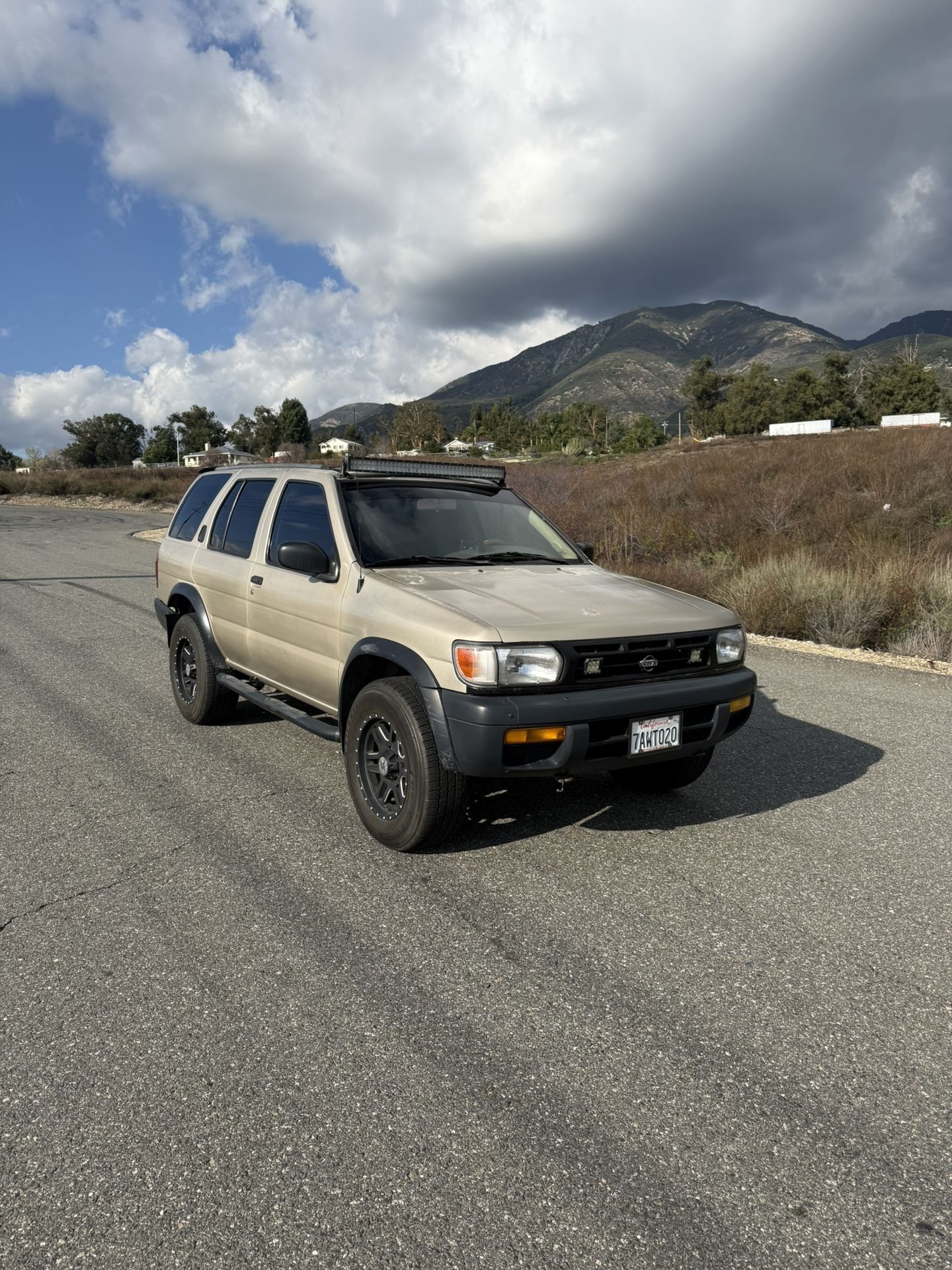
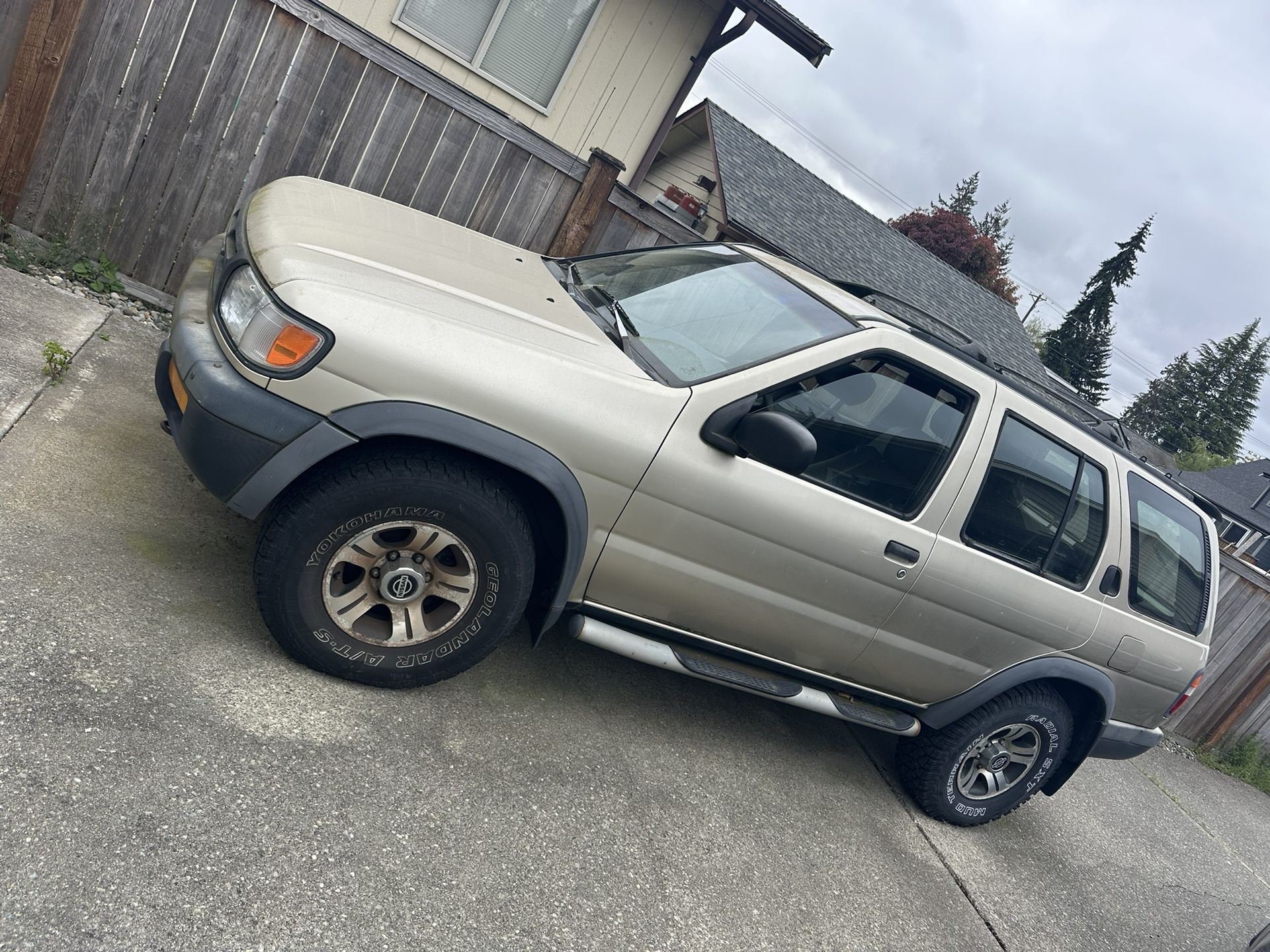
The 1997 Nissan Pathfinder marked the second year of the R50 generation, introducing minor refinements to its pioneering unibody construction. Key changes focused on interior trim upgrades, enhanced safety features, and expanded exterior color options, solidifying its position as a more comfortable, car-like alternative to the traditional body-on-frame SUVs that dominated the market during the late 1990s.
Historical Context: The Birth of the R50 Generation
To understand the 1997 Pathfinder, one must look back at the radical shift Nissan undertook in 1996. For the first decade of its existence, the Pathfinder (WD21) was a rugged, body-on-frame vehicle based on the Nissan Hardbody pickup. In 1996, Nissan launched the R50 generation, which utilized a "MonoFrame" unibody construction.
This move was controversial among off-road purists but brilliant for the growing suburban market. By 1997, the Pathfinder had established itself as a leader in ride quality and structural rigidity. The unibody design allowed for a lower floor, more interior room, and significantly better handling on paved roads. For the 1997 model year, Nissan’s goal was to polish the rough edges of the debut R50 and provide more value across its three primary trim levels: the base XE, the sporty SE, and the luxury-oriented LE.
1997 Nissan Pathfinder: Specific Changes and Refinements
Because 1996 was a year of total redesign, the 1997 model year did not see a massive overhaul. Instead, Nissan focused on incremental improvements that addressed consumer feedback from the first year of production.
Interior and Comfort Updates
In 1997, Nissan improved the quality of the interior materials. The cloth upholstery in the XE and SE trims was updated for better durability. More significantly, the LE trim saw the inclusion of more standard luxury features that were previously optional. This included wood-tone trim accents and an improved Bose® premium audio system specifically tuned for the R50’s cabin acoustics.
Exterior and Aesthetics
Nissan expanded the color palette for 1997. New metallic finishes were introduced to give the vehicle a more premium appearance. The SE trim, which featured the distinctive "Off-Road" look, continued to offer black-out trim and fender flares, but the 1997 model saw better paint-matching for the bumpers on the LE trim, moving it further away from the "utility" look and closer to the "luxury SUV" segment.
Safety and Security
By 1997, safety was becoming a primary selling point for family SUVs. Nissan made the engine immobilizer system more widely available across the trim range. Standard safety features for 1997 included dual front airbags and side-guard door beams. Anti-lock brakes (ABS) were standard on the LE and SE models, while remaining an option on the base XE.
Technical Specifications: Under the Hood of the 1997 Model
The 1997 Pathfinder relied on a single, proven powertrain. While it lacked the raw horsepower of some American V8 competitors, it was praised for its smoothness and legendary reliability.
The VG33E Engine
The heart of the 1997 Pathfinder was the 3.3-liter VG33E V6 engine. This was an evolution of the previous 3.0-liter engine found in the WD21 generation.
- Horsepower: 168 hp @ 4,800 rpm
- Torque: 196 lb-ft @ 2,800 rpm
- Valvetrain: Single Overhead Cam (SOHC), 12 valves
The VG33E was known for its low-end torque, which made it suitable for light towing and off-roading. However, it was an interference engine, meaning that a failure of the timing belt could result in catastrophic engine damage. Owners in 2026 should note that the timing belt replacement interval is critical every 105,000 miles (or sooner based on age).
Transmission and Drivetrain
The 1997 model offered two transmission choices:
- 5-Speed Manual: Available primarily on the XE and SE 4WD models.
- 4-Speed Automatic: Standard on the LE and optional on other trims. This transmission featured an "Overdrive" mode and a "Power/Auto" switch that altered shift points for better acceleration.
The 4WD system was a part-time, shift-on-the-fly setup. It allowed drivers to shift from 2WD to 4H at speeds up to 50 mph. However, unlike modern "Auto-4WD" systems, it was not intended for use on dry pavement, as it lacked a center differential to allow for speed differences between the front and rear axles during turns.
Trim Levels and Feature Availability in 1997
Nissan structured the 1997 lineup to appeal to three distinct types of buyers. Understanding these trims is essential for anyone looking to verify the authenticity of a classic R50.
| Feature | XE (Base) | SE (Sport) | LE (Luxury) |
|---|---|---|---|
| Wheels | 15-inch Steel | 15-inch Alloy (6-spoke) | 15-inch Alloy (special design) |
| 4WD System | Optional | Optional/Standard | Standard (usually) |
| Roof Rack | Optional | Standard (Tubular) | Standard (Sleek) |
| Interior | Cloth | Sport Cloth | Leather-appointed |
| Audio | 4-speaker FM/AM/Cassette | 6-speaker Audio | Bose® Premium Audio |
| Fender Flares | Not included | Wide black or color-coded | Integrated splash guards |
The SE "Off-Road" Identity
The SE was the most popular trim for enthusiasts. It featured a firmer suspension calibration and the iconic "Lego" or 6-spoke alloy wheels. In 1997, the SE also came with a shift-knob design that felt more substantial than the base XE, emphasizing its sporty nature.
The R50 Era Timeline (1996–2004)
While 1997 was a year of stability, it sits within a broader timeline of significant changes for the R50 generation.
- 1996: Launch of the R50. Introduction of the MonoFrame unibody and the 3.3L VG33E engine.
- 1997: Minor refinements. Expansion of LE trim standard features.
- 1998: Revised grille design and minor interior ergonomic changes. The "Chilkoot" edition was introduced in some markets (notably Canada).
- 1999.5: A major mid-cycle facelift. The front fascia was redesigned with integrated headlights and a more rounded appearance. The interior received a new dashboard layout.
- 2001: The most significant mechanical update. The 3.3L engine was replaced by the 3.5L VQ35DE V6, boosting horsepower from 168 to 240-250 hp.
- 2004: The final year of the R50. Production moved toward the larger, body-on-frame R51 generation for 2005.
Performance and Off-Road Capability
Despite the move to a unibody platform, the 1997 Pathfinder remained a capable off-roader. It featured a sophisticated five-link rear suspension with coil springs, which provided much better axle articulation than the leaf springs found on many competitors of the time.
The front suspension used MacPherson struts. While this was criticized for being less durable than a double-wishbone setup in extreme rock crawling, it provided the Pathfinder with steering precision that was unheard of in the SUV segment in 1997. With approximately 8.3 inches of ground clearance, the 1997 Pathfinder could handle moderate trails, deep snow, and beach driving with ease.
Common Issues and Maintenance for the 1997 Pathfinder
In 2026, the 1997 Pathfinder is considered a classic "youngtimer" vehicle. For owners or buyers, there are several era-specific issues to monitor:
1. Rear Strut Tower Rust
The most significant safety concern for the R50 generation is rust in the rear strut towers. In areas where road salt is used, the metal can corrode, potentially causing the strut to break free from the body. This was the subject of a major recall by Nissan in earlier years. Any 1997 model should be inspected thoroughly for structural integrity in this area.
2. Exhaust Manifold Studs
The VG33E engine is notorious for snapping exhaust manifold studs. This usually manifests as a loud "ticking" sound when the engine is cold, which fades as the metal expands. While not immediately fatal to the engine, it can lead to exhaust leaks and failed emissions tests.
3. The "Death Wobble" (Trailing Arm Bushings)
As the bushings in the five-link rear suspension wear out, the vehicle can develop a lateral sway at highway speeds, often called the "death wobble" by the community. Replacing the rear trailing arm bushings restores the factory handling and is a common maintenance task for high-mileage 1997 units.
4. Timing Belt Maintenance
As mentioned, the VG33E is an interference engine. In 2026, even low-mileage Pathfinders are at risk if the belt is old. Rubber degrades over time regardless of mileage. If the service history is unknown, the timing belt and water pump should be replaced immediately.
Comparing the 1997 Pathfinder to Competitors
In 1997, the SUV market was exploding. The Pathfinder faced stiff competition from the Toyota 4Runner and the Jeep Grand Cherokee.
- Pathfinder vs. 4Runner: The 4Runner remained body-on-frame and offered a power rear window. The 4Runner was generally considered superior for heavy off-roading, but the 1997 Pathfinder offered a much smoother highway ride and better interior ergonomics.
- Pathfinder vs. Grand Cherokee: The Jeep offered V8 power, which the Nissan lacked. However, the Pathfinder was widely regarded as having superior build quality and long-term reliability compared to the ZJ-generation Jeep.
Buying a 1997 Pathfinder in 2026: What to Look For
If you are looking to purchase a 1997 Pathfinder today, focus on the "bones" of the vehicle. These engines are easily capable of 300,000 miles if the oil is changed and the timing belt is maintained.
- Check the 4WD engagement: Ensure the transfer case shifts smoothly between 2H, 4H, and 4L. Listen for any grinding from the front hubs.
- Verify the Cooling System: The radiators on these models can develop hairline cracks in the plastic end tanks. Overheating is the quickest way to kill a VG33E.
- Inspect the Dashboard: Unlike many 90s vehicles, Nissan’s interior plastics held up well, but the clock in the center dash is a common failure point that is often ignored.
- Service Records: Prioritize vehicles with documented timing belt changes. In 2026, a 1997 model is nearly 30 years old; age-related rubber degradation (vacuum lines, fuel lines) is more of a concern than pure mileage.
Frequently Asked Questions
Is the 1997 Nissan Pathfinder good on gas?
By 2026 standards, no. The 1997 Pathfinder was rated at approximately 15 MPG in the city and 19 MPG on the highway. Its aerodynamic profile and older engine technology make it a thirsty vehicle compared to modern crossovers, though it is comparable to other SUVs of its era.
Can I tow with a 1997 Pathfinder?
Yes, the 1997 Pathfinder has a maximum towing capacity of 5,000 pounds when properly equipped with a Class III hitch and the automatic transmission. The manual transmission models are typically rated lower (around 3,500 pounds) due to clutch wear concerns during heavy loads.
Does the 1997 model have a cabin air filter?
No, the 1997 Nissan Pathfinder did not come equipped with a cabin air filter. This feature was not common in SUVs until the late 1990s and early 2000s. Owners should ensure the cowl area is clear of leaves and debris to maintain airflow to the HVAC system.
How do I know if my 1997 Pathfinder has the "Death Wobble"?
If the vehicle feels like it is swaying or "fishtailing" side-to-side when you hit a bump at highway speeds, your rear trailing arm bushings are likely shot. This is a common and fixable issue but can feel very unstable if left unaddressed.
Is the 1997 Pathfinder a "true" 4x4?
Yes. Unlike many modern AWD crossovers, the 1997 Pathfinder features a true two-speed transfer case with a dedicated Low Range (4L). This provides the torque multiplication necessary for steep climbs and difficult off-road terrain.
Practical Recommendation
For those interested in the 1997 Nissan Pathfinder, it remains one of the best values in the vintage SUV market. It offers a unique blend of 90s nostalgia, genuine off-road capability, and a level of daily-driver comfort that many of its contemporaries lacked. If you are buying one in 2026, prioritize a rust-free chassis and immediately perform a "baseline" service including the timing belt, water pump, and all fluids. This ensures that the legendary reliability of the R50 continues for another decade of adventure.