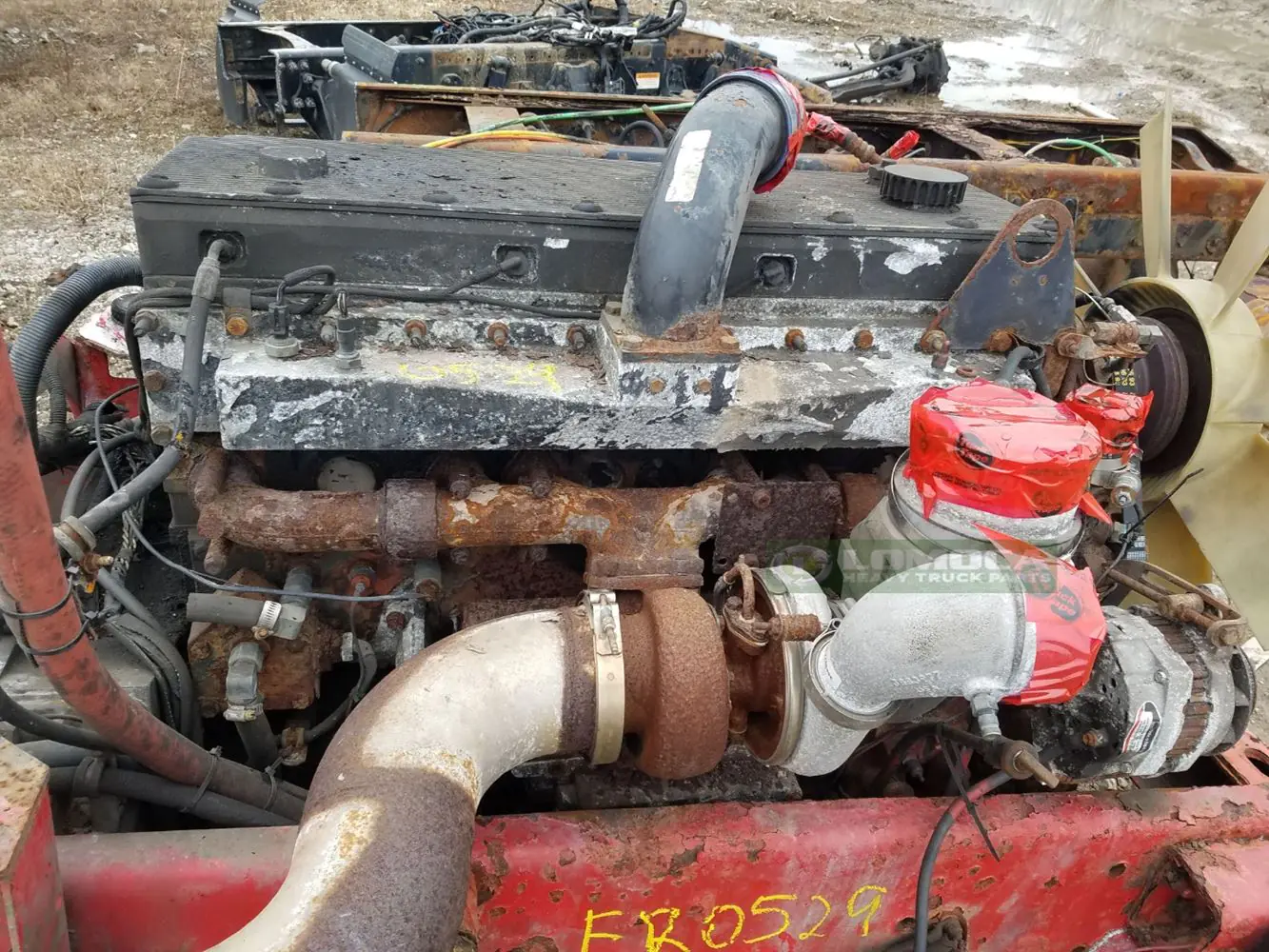
The 1996 Cummins 5.9L 12-valve turbo diesel engine produces 215 horsepower and 440 lb-ft of torque when paired with a 5-speed manual transmission. Models equipped with an automatic transmission are rated at 180 horsepower and 420 lb-ft of torque. These figures represent the mechanical peak of the legendary 6BT series.
For diesel enthusiasts, restorers, and heavy-duty truck owners, the 1996 model year represents a "sweet spot" in automotive history. As of 2026, the 1996 Cummins 12-valve (6BT) has reached the status of a legendary vintage powerplant. It is celebrated primarily for its Bosch P7100 inline injection pump, a purely mechanical component that allows for significant power gains without the need for electronic tuning. This engine was the heartbeat of the Dodge Ram 2500 and 3500 series, cementing the partnership between Cummins and Chrysler.
Understanding the specific power and torque details of the 1996 variant requires looking beyond simple numbers. It involves examining the mechanical architecture, the differences between transmission pairings, and the engineering reasons why this specific year is often preferred over both its predecessors and its electronic successors.
Power and Torque Ratings by Transmission
In 1996, Cummins and Dodge offered different power levels based on the drivetrain. This was largely due to the limitations of the transmissions available at the time. The manual transmission could handle higher input loads, whereas the automatic transmission required a more conservative tune to ensure longevity and heat management.
The 215 HP Manual Configuration
The 215-horsepower version is the most sought-after configuration of the 1996 model year. Paired with the New Venture NV4500 5-speed manual transmission, this engine produced a peak of 440 lb-ft of torque. This torque arrived early in the RPM range, typically peaking around 1,600 RPM, providing the massive "low-end grunt" that diesel engines are known for.
To achieve this higher output, the 215-hp engines utilized a specific version of the Bosch P7100 injection pump (often referred to as the "911" pump based on its part number suffix). This pump featured different cam profiles and larger delivery valves compared to the automatic versions, allowing for more aggressive fuel delivery.
The 180 HP Automatic Configuration
Vehicles equipped with the 47RE 4-speed automatic transmission were factory-rated at 180 horsepower and 420 lb-ft of torque. While these numbers are lower than the manual counterparts, the engine remains fundamentally the same in terms of block and head construction. The reduction in power was achieved through the calibration of the P7100 injection pump and the fuel plate profile.
The 47RE transmission was an electronically controlled evolution of the previous hydraulic units, but it still struggled with the extreme torque of a modified Cummins engine. By capping the factory output at 420 lb-ft, Dodge aimed to reduce warranty claims related to torque converter slippage and heat-related failures in the transmission's overdrive unit.
Mechanical Architecture and Engine Specifications
The 1996 Cummins 5.9L belongs to the B-series engine family, specifically the 6BT. It is an inline-six configuration, which is inherently balanced and provides easier access for maintenance compared to V8 diesel engines.
Internal Components and Build Quality
The engine features a cast-iron block and a cast-iron cylinder head. Unlike modern engines that use overhead cams, the 1996 Cummins uses a cam-in-block design with solid lifters and pushrods operating two valves per cylinder. This 12-valve design is often praised for its simplicity and robustness.
- Bore and Stroke: 4.02 inches x 4.72 inches (102 mm x 120 mm).
- Displacement: 359 cubic inches (5.9 liters).
- Compression Ratio: 17.5:1.
- Firing Order: 1-5-3-6-2-4.
- Aspiration: Turbocharged and Aftercooled.
The long stroke of 4.72 inches is a primary factor in the engine's ability to generate high torque at low engine speeds. The 1996 model also utilized a Holset HX35W turbocharger, which featured a wastegate to help control boost pressures and improve spool-up times compared to the non-wastegate turbos found on earlier 1st Gen Cummins engines.
The Bosch P7100 Injection Pump
The defining characteristic of the 1996 engine is the Bosch P7100 inline injection pump. Often called the "P-pump," this component is entirely mechanical. It is lubricated by engine oil, making it incredibly durable compared to later rotary pumps that relied on diesel fuel for lubrication.
The P7100 is essentially a miniature six-cylinder engine in itself, with six plungers and barrels that pump fuel to the injectors. Because it is mechanical, the timing and fuel delivery are not controlled by an Engine Control Module (ECM). This means that even in the event of a total electrical failure, the engine will continue to run as long as it has air and fuel—a trait highly valued for survivalist applications and extreme reliability.
1996 Cummins Technical Specifications Table
| Feature | Manual Transmission (NV4500) | Automatic Transmission (47RE) |
|---|---|---|
| Horsepower | 215 hp @ 2,600 RPM | 180 hp @ 2,500 RPM |
| Torque | 440 lb-ft @ 1,600 RPM | 420 lb-ft @ 1,600 RPM |
| Injection Pump | Bosch P7100 (Mechanical) | Bosch P7100 (Mechanical) |
| Turbocharger | Holset HX35W | Holset HX35W |
| Compression Ratio | 17.5:1 | 17.5:1 |
| Oil Capacity | 11 Quarts (with filter) | 11 Quarts (with filter) |
| Coolant Capacity | 24 Quarts | 24 Quarts |
| Governor Speed | 2,700 RPM | 2,700 RPM |
California vs. Federal Emissions
It is important to note that 1996 models sold in California often had slightly different configurations to meet stricter emissions standards. Some California-bound 1996 engines included an EGR (Exhaust Gas Recirculation) system, which was rare for diesels of that era. These models may have different injection pump calibrations and slightly different vacuum line routing. When sourcing parts or performing power upgrades, verifying whether the engine is a "California" or "Federal" model is a critical first step.
Performance Potential and Modifications
While the factory numbers (180–215 hp) were impressive for 1996, the real appeal of this engine in 2026 lies in its "tunability." Because the fuel system is mechanical, increasing power does not require expensive software.
The Fuel Plate
Inside the P7100 pump sits a small piece of steel known as the fuel plate. This plate acts as a mechanical stop for the fuel rack. By replacing the factory plate with an aftermarket "profiled" plate or simply sliding the stock plate forward, owners can increase fuel delivery significantly. It is common to see 1996 Cummins engines jump from 215 hp to 300 hp with just a fuel plate adjustment and adequate cooling.
Governor Spring Kits (GSK)
The factory governor on the 1996 Cummins begins to defuel the engine around 2,400 to 2,700 RPM. This creates a narrow power band. By installing a 3,000 or 4,000 RPM governor spring kit, the engine can maintain its fuel delivery much higher into the RPM range. This is particularly useful for towing on grades or for performance applications.
Turbo and Injector Upgrades
To support higher fuel levels, the 1996 engine often requires more airflow. While the Holset HX35W is a robust turbo, it reaches its efficiency limit around 35 PSI of boost. Upgrading to a larger S300-frame turbo and larger fuel injectors can easily push a 1996 12-valve beyond 400 horsepower and 800 lb-ft of torque while maintaining daily-driver reliability.
Common Reliability Issues and Maintenance
Despite its "million-mile" reputation, the 1996 Cummins is not without its flaws. Prospective owners or current operators must be aware of specific mechanical vulnerabilities.
The Killer Dowel Pin (KDP)
The most notorious issue with the 12-valve Cummins is the Killer Dowel Pin. This is a small steel pin used during engine assembly to align the timing gear case with the engine block. Over time, engine vibration can cause this pin to back out. If it falls into the timing gears, it can cause catastrophic engine failure by cracking the gear case or jumping time. Every 1996 Cummins owner should verify that a "KDP Tab" or "KDP Fix" has been installed to secure the pin.
Front Crankshaft Seal
The front seal on the 1996 models is prone to leaking as the rubber ages. Since these engines are now reaching 30 years of age as of 2026, many original seals have become brittle. Replacing this seal is often done in conjunction with the KDP fix, as the front timing cover must be removed for both procedures.
Valve Lash Adjustments
Unlike modern engines with hydraulic lifters, the 12-valve Cummins requires manual valve lash adjustments. Cummins recommends checking the overhead every 100,000 miles, though many enthusiasts do it more frequently to ensure optimal performance and engine acoustics. The intake should typically be set to 0.010 inches and the exhaust to 0.020 inches.
Why the 1996 Model Year Matters Today
In the context of 2026, the 1996 Cummins occupies a unique space. It avoids the complexities of the 1998.5–2002 24-valve engines, which utilized the sometimes-unreliable VP44 electronic injection pump. It also avoids the modern emissions requirements like Diesel Particulate Filters (DPF) and Selective Catalytic Reduction (SCR/DEF) found on trucks built after 2007.
The 1996 model provides the perfect balance of the updated "Second Generation" Dodge chassis (which featured a much more comfortable interior than the 1989–1993 models) with the purest version of the mechanical 6BT engine. For those looking for a "forever truck" that can be repaired with basic hand tools and no laptop, the 1996 12-valve remains the gold standard.
Frequently Asked Questions
What is the life expectancy of a 1996 Cummins engine?
With proper maintenance, it is not uncommon for a 1996 Cummins 5.9L to exceed 500,000 miles. Many have documented cases of reaching over 1,000,000 miles without a bottom-end rebuild. The key to this longevity is regular oil changes and addressing the Killer Dowel Pin (KDP) before it causes damage.
Why does the manual transmission have more power than the automatic?
The 47RE automatic transmission used in 1996 was susceptible to heat and mechanical failure when subjected to high torque. To protect the transmission and reduce warranty costs, the engine was factory-de-rated to 180 hp. The NV4500 manual transmission was considered much more durable, allowing for the higher 215 hp rating.
Can I run biodiesel or SVO in a 1996 Cummins?
The mechanical P7100 injection pump is much more tolerant of alternative fuels than modern common-rail systems. However, users must ensure the fuel is properly filtered and that rubber fuel lines are replaced with Viton or other synthetic materials, as older rubber lines can degrade when exposed to certain biodiesels.
How much boost does a stock 1996 Cummins make?
A stock 1996 Cummins with the Holset HX35W turbo typically produces between 18 and 22 PSI of boost under full load. With a "boost elbow" or wastegate modification and increased fueling, the stock turbo can safely push up to 30–35 PSI before it becomes inefficient and generates excessive heat.
Is the 1996 Cummins 12-valve or 24-valve?
The 1996 model is a 12-valve engine. Cummins did not switch to the 24-valve head and electronic VP44 injection pump until midway through the 1998 model year. The 12-valve is generally preferred for its mechanical simplicity, while the 24-valve is known for slightly better airflow and more precise (though more complex) fueling.
Final Recommendations for Owners
If you are operating or purchasing a 1996 Cummins in 2026, your first priority should be documentation and preventative maintenance. Ensure the Killer Dowel Pin has been addressed and inspect the fuel lines for dry rot. If you plan on increasing the power beyond the stock 215 hp, invest in a set of gauges—specifically Exhaust Gas Temperature (EGT) and Boost—to monitor engine health. The 1996 Cummins is a masterpiece of mechanical engineering, and with the right care, it will continue to provide reliable service for decades to come.