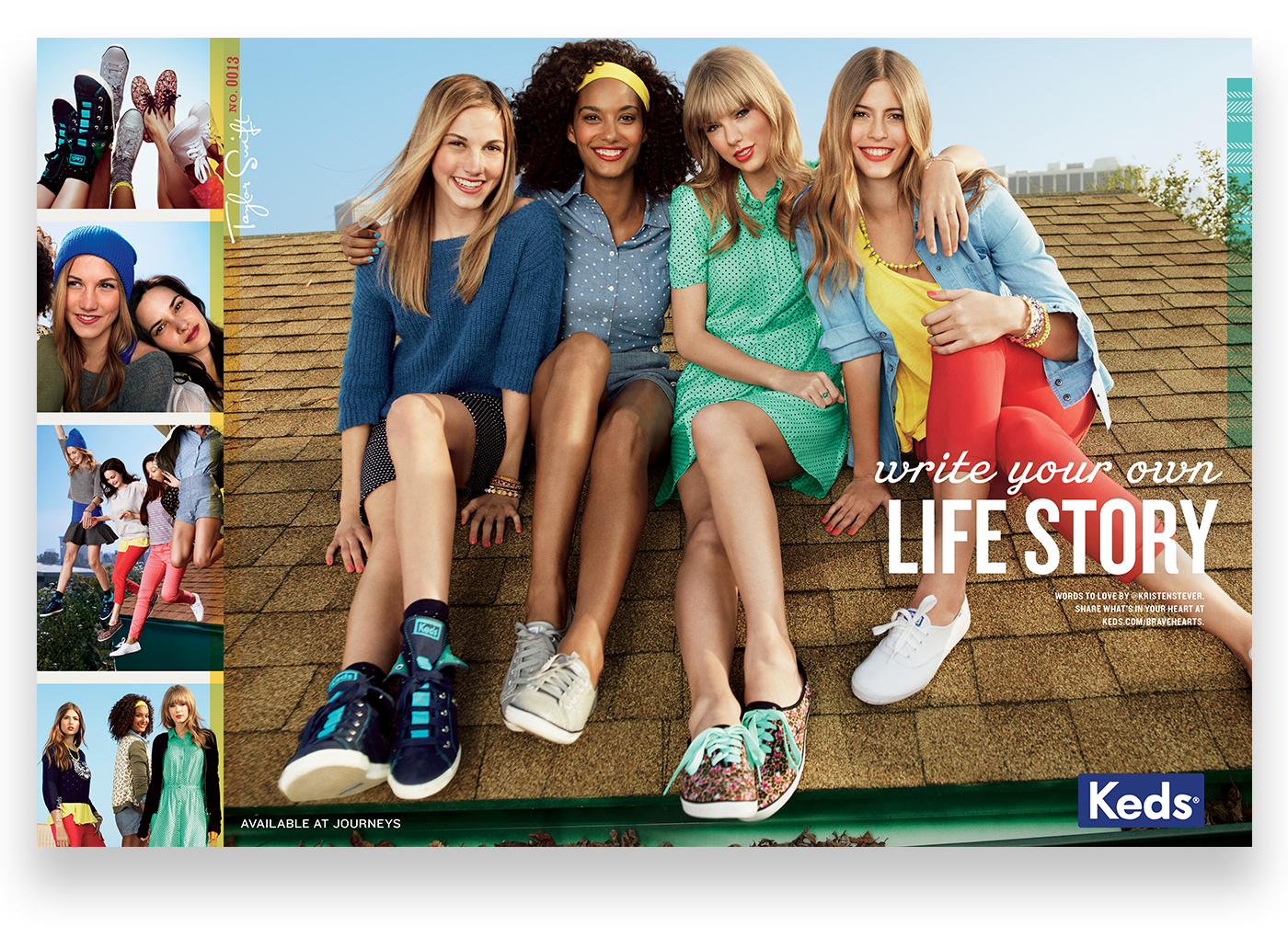
In 1989, Keds reached a cultural zenith as the essential "all-American" canvas sneaker. Defined by its minimalist design, blue rubber heel logo, and association with relaxed, preppy fashion, the 1989 Keds Champion became a symbol of late-80s style, driven by pop culture influence and a universal demand for timeless, accessible comfort.
The Cultural Landscape of 1989 and the Keds Renaissance
To understand why Keds were ubiquitous in 1989, one must look at the preceding years of the decade. While the early and mid-1980s were dominated by the rise of high-tech basketball shoes and aerobic gear—think of the Reebok Freestyle or the Nike Air Jordan—the late 80s saw a pivot toward "back-to-basics" fashion. By 1989, the Keds Champion had transitioned from a functional athletic shoe into a definitive lifestyle statement.
The 1987 film Dirty Dancing played a pivotal role in this resurgence. Jennifer Grey’s character, Baby, wore white Keds throughout the film, which was set in 1963. This sparked a wave of 1960s nostalgia that peaked around 1989. For teenage girls and young women in 1989, the white canvas Keds sneaker was not just a shoe; it was a uniform. It represented a clean-cut, approachable aesthetic that contrasted with the neon-soaked, heavy-metal, or high-glamour trends of the earlier years.
The year 1989 specifically marked the height of the "Keds with socks" trend. It was common to see Keds paired with slouch socks, stirrup pants, or floral "skimmer" dresses. This was the era of the "Mall Girl" aesthetic, and Keds provided the perfect footwear foundation for that demographic. As we look back from 2026, the 1989 snapshot reveals a moment when a simple canvas shoe successfully bridged the gap between vintage nostalgia and modern casual wear.
Technical Specifications of the 1989 Champion
The 1989 version of the Keds Champion remained remarkably true to its original 1916 design, but certain manufacturing nuances distinguished it from earlier and later iterations. Keds, owned by Stride Rite at the time, maintained a high standard for canvas quality and vulcanization.
Upper Construction and Material
The 1989 Keds featured a heavy-duty 10-ounce canvas upper. This material was chosen for its breathability and its ability to hold shape despite the lack of internal structural reinforcement. The stitching was typically double-needle reinforced along the eyelet stay and the heel counter. In 1989, the most popular color was undoubtedly white, but the company also offered navy, red, and various pastel shades that were popular in the late-80s palette.
The Vulcanization Process
A key technical aspect of the 1989 model was the vulcanized rubber outsole. Vulcanization involves heating the rubber and sulfur at high temperatures to create cross-links between polymer chains, resulting in a durable, flexible sole that is chemically bonded to the canvas upper. This process ensured that the shoe would not delaminate under stress—a common failure point in cheaper imitation sneakers of the era.
Internal Comfort and Branding
Inside the shoe, the 1989 Champion utilized a classic blue foam insole with a "Keds" screen print. While it lacked the advanced arch support found in modern ergonomic sneakers, it offered a "grounded" feel that many users preferred for daily walking. Externally, the most recognizable feature was the blue rubber rectangular logo on the heel and a small blue fabric tag sewn into the side seam of the upper near the laces.
The "They Feel Good" Marketing Strategy
In 1989, Keds launched and maintained advertising campaigns that focused on the sensory experience of wearing the shoes. The slogan "They Feel Good" was more than just a marketing tag; it was a response to the increasingly complex and often uncomfortable footwear designs of the late 80s.
Marketing materials from 1989 often depicted Keds in "lifestyle" settings—beaches, picnics, and suburban sidewalks. These ads didn't sell performance or athletic prowess; they sold a feeling of ease. The 1989 campaigns were notable for their inclusivity, featuring women of various ages, though the primary target remained the "all-American girl." This marketing strategy was so effective that by 1989, Keds held a significant market share in the women's casual footwear category, often outperforming much larger athletic brands in that specific niche.
Comparing 1989 Keds to Modern Reissues
As of 2026, many consumers seek out "vintage" or "heritage" Keds. However, there are distinct differences between an original 1989 pair and the versions produced in the 2020s.
| Feature | 1989 Keds Champion | 2026 Keds Champion (Modern) |
|---|---|---|
| Canvas Weight | 10 oz. Heavy Canvas | 8 oz. Standard Canvas (often recycled) |
| Insole Technology | Simple Blue Foam | Dream Foam™ / OrthoLite® |
| Eyelets | Aluminum/Steel (often painted) | Coated metal (tarnish resistant) |
| Logo Placement | Blue Heel Label & Side Tab | Blue Heel Label & Side Tab |
| Manufacturing | Primarily USA or Korea | Primarily Vietnam or China |
| Price (Adjusted) | ~$25.00 ($60.00 in 2026 USD) | ~$55.00 - $65.00 |
One of the most significant differences lies in the "last"—the foot-shaped mold used to create the shoe. The 1989 last tended to be slightly narrower in the midfoot compared to modern "comfort-fit" variations. Additionally, the rubber compound used in 1989 was denser, providing a slightly heavier feel but greater longevity against sidewalk abrasion compared to the lighter, air-infused rubbers often used today to reduce shipping weights and increase out-of-the-box softness.
Collecting and Verifying Authentic 1989 Keds
For collectors in 2026, finding a "Deadstock" (unworn) pair of Keds from 1989 is a challenge due to the nature of canvas and rubber. Over decades, rubber can undergo a process called oxidation, becoming brittle or "chalky," while the glue used in the construction may yellow and seep through the canvas.
To verify a pair of Keds as a genuine 1989 product, look for the following markers:
- The Box: Keds boxes from the late 80s typically featured a blue and white color scheme with the "Keds" logo in a specific bold, sans-serif typeface.
- Country of Origin: Many Keds from this specific window were manufactured in Korea or the United States. A "Made in USA" tag is a strong indicator of an older, high-quality production run.
- The Heel Label: The blue rubber label on the heel should be embossed, not just printed. In 1989, the rubber was often thicker and more substantial than the thin strips seen on modern budget versions.
- The Lining: Check for the presence of a terry-cloth or simple cotton lining. Synthetic "moisture-wicking" linings are a sign of much later production.
Maintenance and Preservation of Vintage Canvas
If you are fortunate enough to own a pair of 1989 Keds in 2026, proper maintenance is essential to prevent the degradation of the organic canvas fibers. Unlike leather, canvas is highly susceptible to staining and environmental rot.
Cleaning Techniques
Never put vintage Keds in a washing machine. The agitation can break down the old stitching, and the heat can cause the vintage rubber to crack. Instead, use a soft-bristled brush and a solution of mild soap and lukewarm water. For white Keds, a paste of baking soda and water can help lift yellowing, but avoid harsh bleaches, which can weaken the canvas fibers over time.
Storage Conditions
To prevent the rubber from drying out, store vintage sneakers in a climate-controlled environment. Avoid attics or basements where temperature fluctuations are extreme. Using acid-free tissue paper to stuff the toes will help the shoes maintain their shape and prevent the canvas from collapsing and creasing.
The Enduring Legacy of the 1989 Aesthetic
The 1989 Keds Champion represents more than just a shoe; it represents a philosophy of design. It proves that a product does not need to be technologically complex to be culturally significant. In the landscape of 2026, where "fast fashion" often results in disposable footwear, the 1989 Keds stands as a reminder of a time when a simple canvas sneaker was built to last several seasons of heavy wear.
The influence of the 1989 look persists in modern "minimalist" footwear brands. The silhouette of the Champion has been imitated by countless designers, but the specific proportions and the cultural "weight" of the 1989 version remain the gold standard for many enthusiasts. It was the year that Keds proved a 73-year-old design (at the time) could still be the most fashionable item in a teenager's closet.
Frequently Asked Questions
Were Keds expensive in 1989?
In 1989, Keds were considered very affordable, typically retailing between $20 and $30 USD. When adjusted for inflation to 2026 dollars, this is roughly equivalent to $50–$65. Their affordability was a key factor in their widespread popularity among students and families, making them an accessible "status symbol" that didn't require the high investment of performance basketball shoes.
Did Keds make sneakers for men in 1989?
Yes, though the "Champion" marketing was heavily skewed toward women in 1989, Keds maintained a men's line. The men’s versions were often wider and featured slightly more rugged construction. Additionally, the "Pro-Keds" line was the primary focus for male consumers, offering more athletic-oriented styles that had their own cult following in urban environments.
Why did the white Keds from 1989 often turn yellow?
Yellowing is usually caused by a combination of factors: the oxidation of the rubber's chemical stabilizers, the breakdown of the factory glue (adhesive migration), or improper cleaning where soap residue was not fully rinsed out. In the late 80s, the adhesives used were effective but prone to "bleeding" into the white canvas over several decades.
Are 1989 Keds comfortable for all-day wear?
By 1989 standards, they were the pinnacle of casual comfort. However, by 2026 standards of orthopedics, they lack significant arch support and impact absorption. They are best suited for flat surfaces and casual activity rather than long-distance walking or high-impact sports.
What is the difference between Keds and "Pro-Keds" in 1989?
In 1989, "Keds" referred to the classic blue-label casual line, mostly canvas and fashion-oriented. "Pro-Keds" was the performance-derived branch, featuring the iconic "power stripes" (red and blue diagonal stripes) on the side of the sole. Pro-Keds had a more "streetwear" and athletic reputation, whereas Keds were seen as "preppy" and "clean."
Final Recommendation for Enthusiasts
If you are looking to capture the 1989 aesthetic in 2026, the best approach is to seek out the Keds Archive Collection or high-end reissues that specifically utilize the 10-ounce canvas and the original "narrower" last. While true 1989 vintage pairs are wonderful for display, they are often too fragile for daily wear due to rubber degradation. For those who value the history of American footwear, the 1989 Keds remains the definitive "snapshot" of a classic sneaker that refused to go out of style.