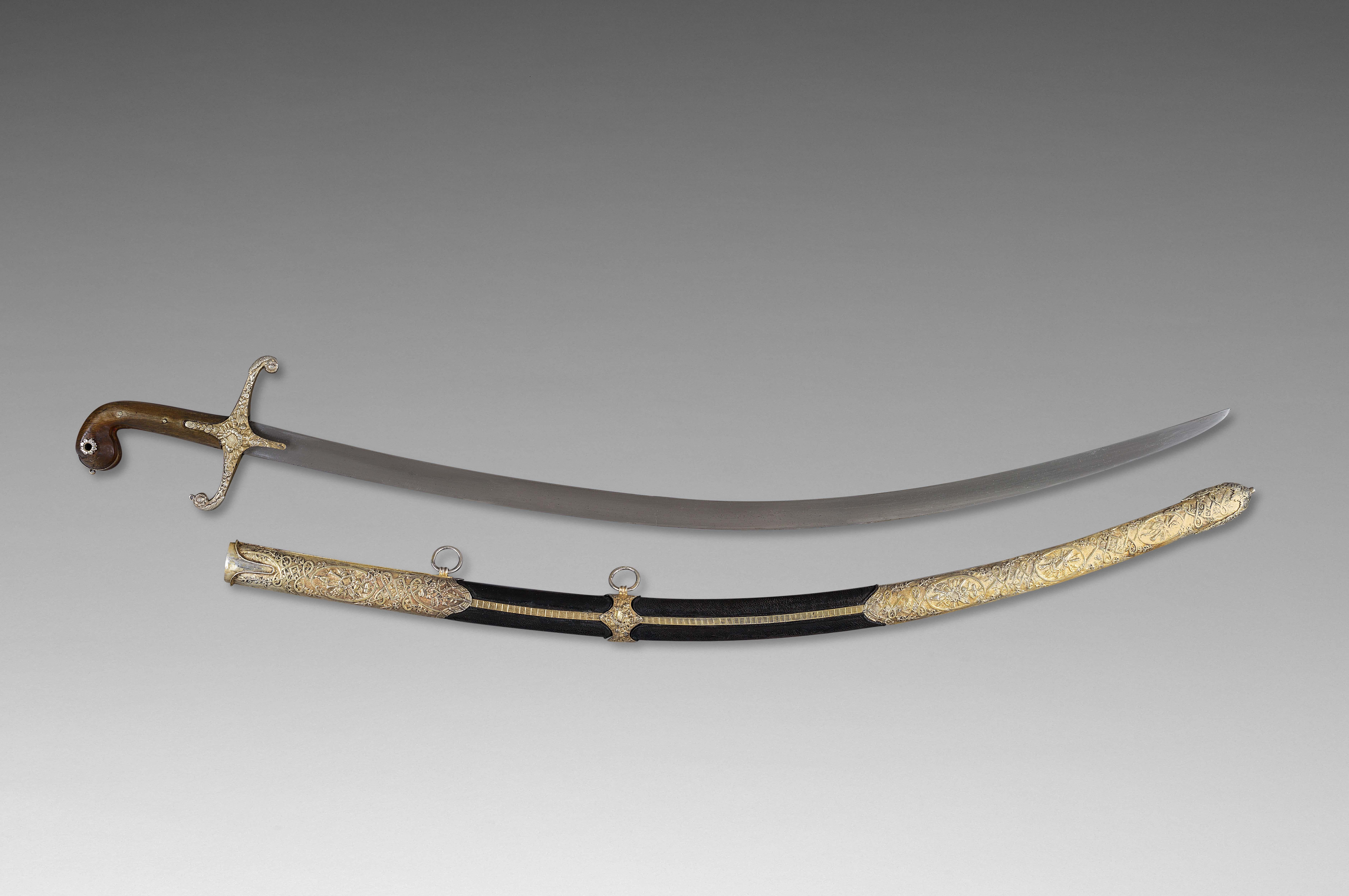
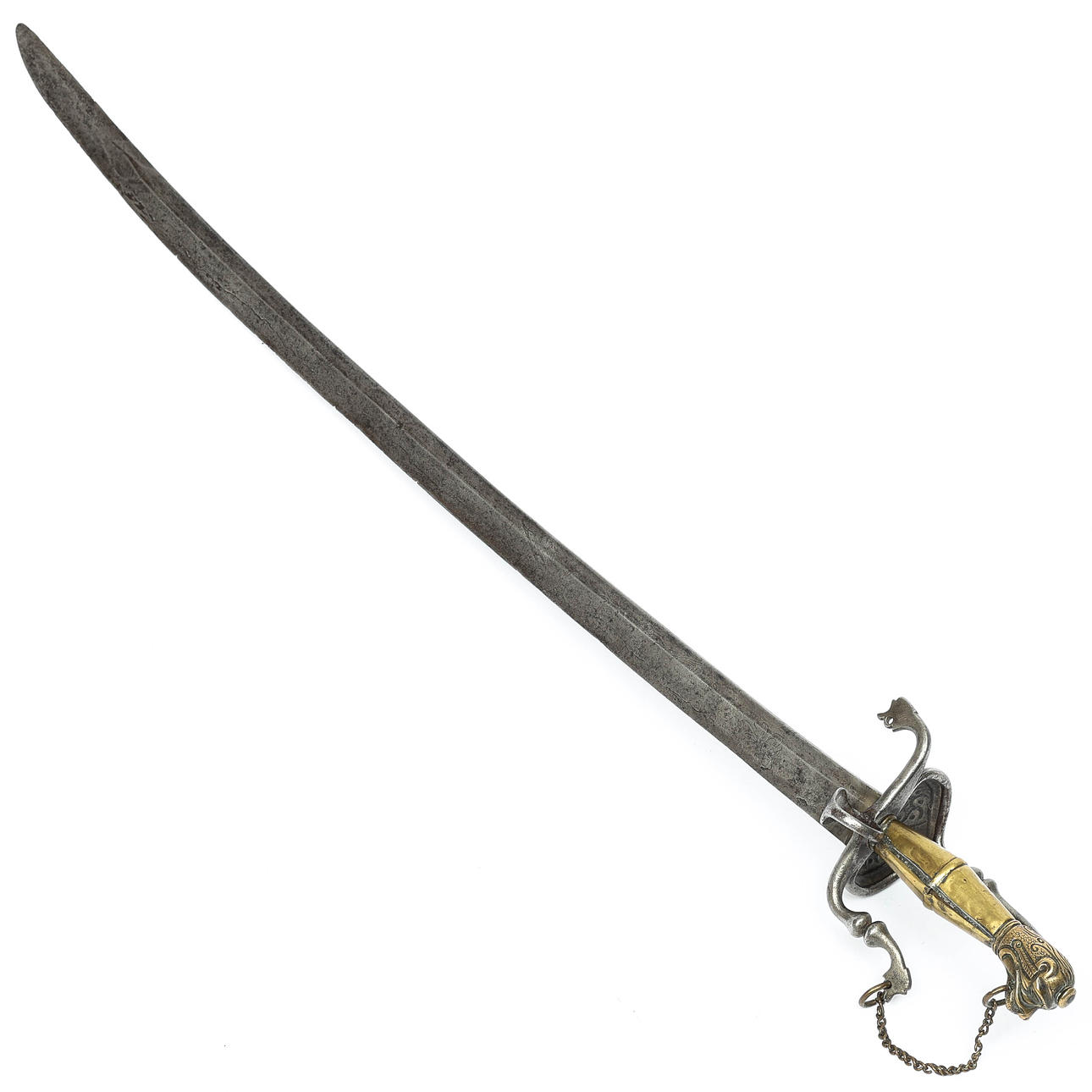
The 18th century boateng saber is a traditional Chinese single-edged curved sword, also known as a dao, characterized by its broad blade, distinctive regional craftsmanship, and military significance during the Qing Dynasty. Collectors and historians study these historic sidearms for their unique metallurgical construction, distinct handguard variations, and specific tactical roles in imperial Chinese military doctrine.
Introduction to the 18th Century Boateng Saber
The term "boateng" refers to a distinct style of Chinese saber (dao) that gained prominence during the Qing Dynasty (1644–1911), particularly within the 18th century as imperial military equipment underwent standardization. While Western edged weapon terminology often categorizes military gear broadly, Chinese arms from the Qing era are classified by precise regional variations, blade profiles, and mounting styles. The boateng saber—sometimes appearing in historical and collector literature under regional variants—represents a specific design philosophy focused on cutting power, balance, and maneuverability.
Resolving terminology requires careful attention to historical context. "Boateng" is a specialized designation within East Asian bladed weaponry studies, distinguishing these blades from the more ubiquitous liuyedao (willow leaf saber) or nandao (southern saber). To fully understand an 18th-century boateng saber, one must examine its structural anatomy, the historical backdrop of Qing military manufacturing, and the criteria experts use to authenticate surviving artifacts today.
Historical Context of Qing Dynasty Military Arms
During the 18th century, under the reigns of the Kangxi, Yongzheng, and Qianlong emperors, the Qing military experienced a period of extensive expansion, administrative organization, and technological codification. The imperial court maintained strict oversight over weapons production, ensuring that standard-issue arms met uniform specifications while allowing elite guards and regional garrisons to utilize specialized sidearms.
Imperial Standardization and Workshops
The Imperial Household Department (Neiwufu) and provincial arsenals produced thousands of sabers for the Eight Banners and the Green Standard Army. Weapons crafted during the height of the 18th century often reflect high standards of folding steel technology, differential hardening, and robust fittings.
- Official Military Issues: Standard-issue sabers were designed for mass production while retaining structural integrity, featuring durable iron or brass furniture and sturdy wooden grips wrapped in ray skin or cord.
- Private and Officer Commissions: High-ranking officials, banner officers, and wealthy martial artists frequently commissioned custom-made sabers featuring superior steel folding, carved jade or horn handles, and elaborate scabbards fitted with precious metals.
- The Role of the Saber in Combat: By the 18th century, firearms such as matchlocks (niaochong) and early artillery played substantial roles in Qing warfare, yet hand-to-hand weapons remained essential for cavalry charges, close-quarters infantry combat, and officer self-defense.
Anatomy and Technical Specifications of the Boateng Saber
A genuine 18th-century boateng saber possesses distinct morphological characteristics that set it apart from later 19th-century export pieces or modern reproductions. Evaluating these technical parameters is the primary method for authenticating period weapons.
Blade Geometry and Metallurgy
The blade is the defining feature of any historical saber. Boateng blades typically exhibit a moderate, sweeping curve that optimizes the drawing cut while maintaining sufficient straightness for effective thrusting.
- Fullers and Ridges: Most authentic 18th-century blades feature one or more fullers (bo-hi in Japanese terminology, or xue grooves in Chinese) running along the upper portion of the blade to reduce weight without compromising structural rigidity.
- Cross-Section: The spine is generally thick near the hilt, tapering smoothly toward the point and the edge, creating a wedge or diamond cross-section that provides lateral strength.
- Folding and Pattern-Welding: High-end examples frequently display a visible grain pattern (jinhua or folding layers) resulting from the traditional Chinese technique of folding high-carbon and low-carbon steels together repeatedly.
Mounts, Hilts, and Guards (Peijian)
The fittings of an 18th-century boateng saber reflect the artistic tastes and functional requirements of the Qing military elite.
- The Guard (Tunkou and Guangmu): Unlike European sabers with massive knuckle-bows, Chinese sabers typically feature a disc-shaped guard (often called a guard plate) combined with a collar (tunkou) that tightly seals the junction between the blade and the hilt to prevent moisture ingress.
- Hilt Construction: The grip is traditionally constructed of wood, wrapped in ray skin (shagreen) and bound with braided silk or cotton cord to ensure a secure grip during combat. The pommel cap is frequently secured by a traditional peened tang or a threaded pin mechanism.
- Scabbard Design: Scabbards are built from core wood, traditionally lined with soft wood to protect the blade, and covered in lacquered leather, shagreen, or mounted with openwork brass or iron fittings (peishi). Suspension rings allow the saber to be worn edge-up from a belt, consistent with Qing military dress regulations.
| Feature | 18th-Century Military Standard | Elite / Officer Commission | Modern Reproduction |
|---|---|---|---|
| Blade Material | Pattern-welded high/low carbon steel | Superior folded steel, differential temper | Monosteel stainless or spring steel |
| Hilt Wrap | Ray skin with cord binding | Wrapped ray skin or carved horn/ivory | Synthetic leather or basic cord |
| Fittings | Iron or brass with utilitarian casting | Fire-gilt brass, carved details, or iron | Cast zinc alloy or unaged brass |
| Scabbard | Lacquered wood with metal mounts | Wood covered in shagreen with fine mounts | Synthetic materials or basic lacquered wood |
Evaluating Authenticity and Condition
Because authentic 18th-century arms are rare and highly sought after by international collectors, the market contains numerous modern replicas, tourist souvenirs, and outright forgeries. Verifying an antique boateng saber requires systematic examination of age indicators, wear patterns, and construction methods.
Key Indicators of Age and Authenticity
- Patina and Oxidation: Genuine antique steel develops a natural, stable patina over centuries. Deep, pitting rust or aggressive chemical aging usually indicates a fake designed to deceive buyers.
- Construction Methods: Antique blades exhibit hand-forged characteristics, including slight asymmetries, subtle hammer marks near the tang, and traditional file work on the interior of the guard fittings. Modern machine-made blades show uniform grinding marks and laser-etched folding patterns that lack true depth.
- Tang and Disassembly: Examining the tang (the unsharpened extension of the blade inside the hilt) reveals historical assembly methods. Antique pins, hand-filed threads, or traditional wedges differ significantly from modern hex nuts or epoxy resin.
- Wear Consistency: Wear on the scabbard throat, suspension rings, and grip should match the expected handling of a weapon carried in a military environment over hundreds of years.
Preservation and Care for Antique Swords
For collectors who acquire an 18th-century boateng saber, proper conservation is vital to prevent degradation. Organic materials such as wood, leather, and ray skin require stable environmental conditions, while carbon steel demands active rust prevention.
- Climate Control: Maintain a stable relative humidity between 40% and 50% to prevent the wood of the scabbard and hilt from warping or cracking, and to protect the steel from active corrosion.
- Oil Application: Apply a micro-thin layer of specialized museum-grade conservation wax (such as Renaissance Wax) or light mineral oil to the blade surface. Never use organic oils like vegetable oil, which turn rancid and attract moisture.
- Handling Protocols: Always handle historical blades with clean, dry hands or cotton gloves. The natural salts and acids in human sweat can initiate rapid oxidation upon contact with antique carbon steel.
- Storage Safety: Store the sword unsheathed or loosely resting in a breathable cloth sleeve if humidity cannot be perfectly controlled, as trapped moisture inside an antique leather-covered scabbard can cause unseen blade damage.
Frequently Asked Questions
What is the primary difference between a boateng saber and a liuyedao?
While both are single-edged Qing dynasty sabers, the boateng saber typically features a distinct blade profile and regional mounting style optimized for specific cutting dynamics. The liuyedao (willow leaf saber) features a more uniform, sweeping curve resembling a willow leaf, whereas boateng variants often exhibit unique regional geometry favored by specific military units.
How can I tell if an 18th-century boateng saber is real?
Authentication requires examining the steel folding grain (hwand or fold lines), the natural patina of the metal, the hand-file marks on the internal fittings, and the construction of the tang. Consulting specialized arms and armor experts or auction houses with proven expertise in Qing dynasty edged weapons is recommended for high-value acquisitions.
Were these sabers used primarily for cutting or thrusting?
The boateng saber was designed primarily as a potent cutting weapon, leveraging its curved geometry and forward balance to deliver powerful slashing blows from horseback or on foot. However, the distal taper and reinforced point also allowed for effective thrusting when engaged in close-quarters combat.
Can an antique boateng saber still be used for cutting practice?
No. Cutting practice (tameshigiri or traditional form work) with an 18th-century antique is strongly discouraged. Centuries of aging have compromised the structural integrity of the steel, hilt pins, and organic core materials. Using an antique for modern cutting risks catastrophic failure, injury to the user, and the irreversible destruction of a rare historical artifact.
Where can legitimate examples of Qing dynasty sabers be studied?
Major international institutions such as the Metropolitan Museum of Art in New York, the Palace Museum in Beijing, the Royal Armouries in the United Kingdom, and reputable auction houses specializing in antique Asian arms and armor maintain documented examples that serve as reliable reference benchmarks for collectors.
Conclusion and Next Actions
Acquiring, studying, or preserving an 18th-century boateng saber requires a deep appreciation for Qing military history, metallurgical science, and artifact conservation. Collectors should prioritize provenance research, verify physical construction details against established museum standards, and invest in proper climate-controlled storage. For further study, consult specialized monographs on Asian arms and armor, engage with verified collector communities, and seek professional authentication before purchasing high-value antique edged weapons.