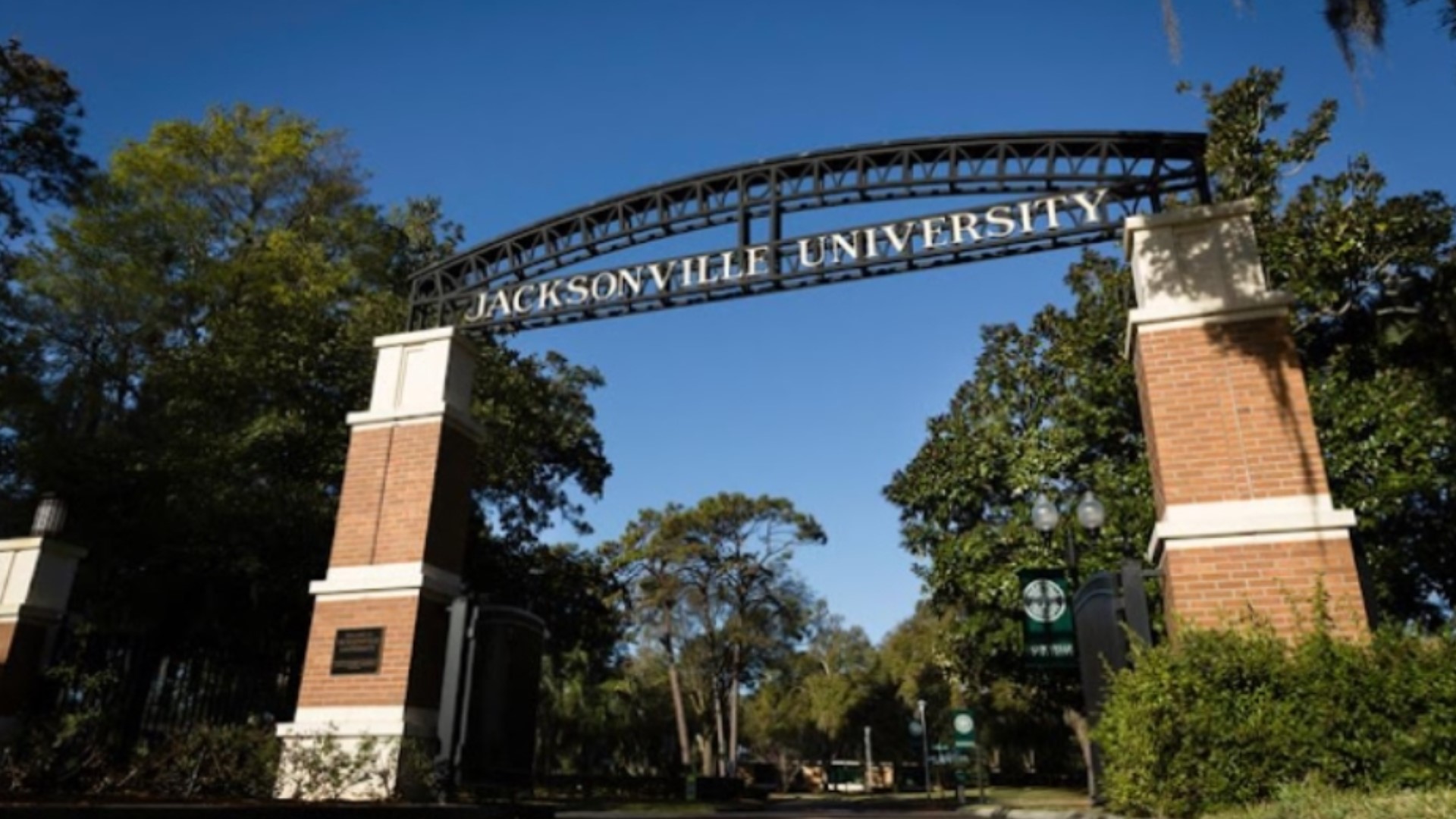
Jacksonville University (JU) is a private institution that competes at the highest level of collegiate sports as a member of NCAA Division I. Primarily competing in the Atlantic Sun Conference (ASUN), the Jacksonville Dolphins field 14 varsity teams known for a "small school, big stage" philosophy that balances elite athletic competition with rigorous private liberal arts academics.
1. The Atlantic Sun Conference Affiliation
Jacksonville University is a proud, long-standing member of the Atlantic Sun Conference (ASUN). This affiliation is central to the university's identity in the NCAA Division I landscape. While the conference landscape has shifted significantly across the country through 2026, JU has remained a foundational pillar of the ASUN, which is headquartered in Atlanta, Georgia.
The ASUN is known for its competitive mid-major environment, particularly in basketball, baseball, and soccer. For JU, being in the ASUN allows for regional rivalries that drive student engagement and local media coverage. It also provides a direct pathway to NCAA Tournament berths through conference championships. While most JU sports compete in the ASUN, there are exceptions for specific programs. For example, the Women’s Rowing team competes in the Metro Atlantic Athletic Conference (MAAC) because the ASUN does not sponsor rowing. This multi-conference approach ensures that every student-athlete at JU has a championship path regardless of their sport’s primary conference status.
2. The Historic 1970 NCAA Basketball Final Four Run
One of the most significant facts about Jacksonville University's Division I history is its 1970 Men's Basketball season. JU holds the distinction of being one of the smallest schools ever to reach the NCAA Division I Championship game. Led by the legendary Artis Gilmore and Rex Morgan, the Dolphins captured the imagination of the nation by defeating giants of the sport.
During that historic run, JU averaged over 100 points per game, becoming the first team in NCAA history to do so over a full season. They defeated powerhouse programs like Western Kentucky, Iowa, Kentucky, and St. Bonaventure to reach the title game against UCLA. Although they fell to John Wooden’s UCLA Bruins in the final, the 1970 season put Jacksonville University on the national map. In 2026, this legacy continues to inspire the "Dolphin Culture," serving as a reminder that a private, boutique university can compete with the largest state schools in the country.
3. The River City Rumble Rivalry
In Division I athletics, rivalries define the fan experience, and for Jacksonville University, the "River City Rumble" is the pinnacle. This is a head-to-head, season-long competition against their cross-town rivals, the University of North Florida (UNF) Ospreys. Because both schools are located in Jacksonville and compete in the ASUN, the stakes are exceptionally high for local bragging rights.
The River City Rumble uses a weighted point system across all sports where the two schools meet. Whether it is a midweek baseball game or a high-stakes volleyball match, every victory earns points toward the "Old Wooden Barrel" trophy. This rivalry is unique because it encompasses the entire athletic department rather than just a single sport. By 2026, the Rumble has grown into a major community event, often drawing the largest crowds of the year to Swisher Gymnasium or the John Sessions Stadium, fostering a deep sense of civic pride in Northeast Florida.
4. Excellence in Men’s and Women’s Lacrosse
While basketball holds the historical spotlight, Jacksonville University has emerged as a modern powerhouse in Division I Lacrosse. JU was one of the first universities in Florida to embrace Division I lacrosse, and the investment has paid dividends. Both the men’s and women’s programs are perennial contenders for conference titles and national rankings.
The Men’s Lacrosse team competes in the ASUN and has consistently challenged top-20 opponents, securing landmark victories against established programs from the Northeast. The Women’s Lacrosse team has been even more dominant, frequently winning the ASUN tournament and earning automatic bids to the NCAA Tournament. The university’s commitment to these programs is evidenced by the specialized facilities at Rock Stadium (D.B. Milne Field), which provides an intimate and intimidating environment for visiting teams. In the 2026 landscape, JU Lacrosse is recognized as a premier destination for elite recruits looking for a warm-weather, high-competition environment.
5. A Specialized Focus on Rowing
Due to its unique location on the banks of the St. Johns River, Jacksonville University boasts one of the most respected rowing programs in the South. The JU Rowing program is a cornerstone of the athletic department, utilizing the Negaard Rowing Center, which provides direct access to miles of rowable water.
Rowing at JU is a Division I pursuit that demands extreme discipline. The Women’s Rowing team, competing in the MAAC, has established a tradition of excellence, often representing the university in the NCAA Rowing Championships. The Men’s Rowing team also maintains a high profile, competing against Ivy League and elite West Coast programs at the Intercollegiate Rowing Association (IRA) National Championships. The presence of a D-I rowing program highlights JU’s ability to leverage its natural geography to support niche sports that require specific environmental conditions.
6. The Strategic Shift: Discontinuation of Football
A defining moment in JU’s recent Division I history was the 2019 decision to discontinue its football program. While many schools strive to add football, JU’s leadership made a data-driven, strategic decision to sunset the program to better support its remaining 14 Division I sports.
This move was significant because it allowed the university to reallocate millions of dollars into scholarships, facilities, and coaching salaries for sports where JU could be nationally competitive. By 2026, the results of this "all-in" strategy are visible. The funds previously used for football have fueled the rise of the basketball and lacrosse programs, providing them with the resources needed to compete in the modern era of Name, Image, and Likeness (NIL) and advanced sports science. This serves as a case study in athletic department management, prioritizing quality and championship potential over sheer volume of sports.
7. Key Athletic Facilities and The "Rock" Gym
Jacksonville University has invested heavily in its infrastructure to maintain its Division I status. Several key facilities serve as the backbone of the Dolphin experience:
| Facility Name | Primary Sports | Features & Capacity |
|---|---|---|
| Swisher Gymnasium | Basketball, Volleyball | Historic 1,500-seat arena; recent floor and lighting upgrades. |
| John Sessions Stadium | Baseball | Professional-grade natural grass; chair-back seating for 1,500 fans. |
| Rock Stadium (Milne Field) | Lacrosse, Soccer | Multi-purpose turf field with views of the St. Johns River. |
| Southern Oak Stadium | Women's Soccer, Lacrosse | Dedicated stadium for field sports with modern press box facilities. |
| Negaard Rowing Center | Men's & Women's Rowing | Riverfront access, boat storage, and high-tech ergometer rooms. |
The "Rock" Gymnasium is particularly famous among students and alumni for its tight quarters and loud acoustics, creating a "home-court advantage" that is difficult for visiting ASUN teams to overcome. By 2026, additional renovations have integrated digital fan engagement tools and improved hospitality suites to enhance the revenue-generating potential of these venues.
8. Academic Pedigree and APR Scores
In Division I athletics, the Academic Progress Rate (APR) is a critical metric used by the NCAA to measure the academic health of a program. Jacksonville University consistently ranks high in this area. As a private institution with a strong emphasis on personalized learning, JU expects its student-athletes to maintain the same rigorous standards as the general student body.
The university frequently places a high percentage of its athletes on the ASUN Honor Roll. This focus on "the student" in student-athlete is a major recruiting tool for JU. Parents and recruits are often drawn to the fact that JU provides the high-profile exposure of Division I sports while maintaining small class sizes and direct access to faculty. In 2026, the athletic department continues to boast a graduation success rate that exceeds the national average for Division I institutions.
9. Professional Pipelines: From JU to the Pros
Despite its smaller size, Jacksonville University has a proven track record of sending athletes to the professional ranks. This is a vital fact for any prospective D-I athlete. The baseball program, in particular, has been a "pro factory," producing numerous MLB draft picks, including stars like Daniel Murphy, who led the New York Mets to a World Series.
The pipeline extends beyond baseball. JU soccer players have signed with MLS and international clubs, and the lacrosse programs have seen several players drafted into the Premier Lacrosse League (PLL). The university’s location in Florida—a hotbed for athletic talent—allows professional scouts easy access to campus evaluations. By 2026, JU has formalized many of these alumni connections, creating a mentorship network that helps current student-athletes transition from collegiate competition to professional careers.
10. The Mascot and Branding: Nellie the Dolphin
The Jacksonville University mascot, Nellie the Dolphin, is one of the most recognizable symbols in the ASUN. The dolphin was chosen as the mascot in 1947, reflecting the school's coastal Florida identity. In Division I sports, branding is essential for marketing and merchandise revenue.
JU has carefully cultivated the "Phin Up" brand. The "Phin Up" hand gesture is a universal sign of solidarity among JU students and fans during games. This branding effort is more than just a logo; it represents the "Dolphin Way," which emphasizes resilience, intelligence, and community. In 2026, the university’s digital presence and social media strategy are built around this "Phin Up" identity, helping to build a national fan base that extends far beyond the Jacksonville city limits.
11. Impact of the St. Johns River Location
The geography of Jacksonville University is an inextricable part of its Division I identity. The 240-acre campus is situated directly on the St. Johns River, which provides a picturesque backdrop and functional training grounds. This location is a primary reason why JU can sustain elite rowing and sailing programs that other inland schools cannot.
Furthermore, the "Riverfront Campus" serves as a recruiting tool. Many Division I programs are located in landlocked or urban environments. JU offers a resort-like atmosphere that appeals to athletes who value outdoor training and water-based recreation. The university has utilized its waterfront to host unique athletic events, including riverfront 5K runs and regattas that bring the entire Jacksonville community to the campus.
12. The Modern NIL Landscape at JU
By 2026, the Name, Image, and Likeness (NIL) era has matured, and Jacksonville University has adapted by creating a robust support system for its athletes. Unlike large "Power Four" schools with massive donor collectives, JU focuses on "Boutique NIL" opportunities. This means connecting athletes with local Jacksonville businesses and the university's influential alumni network.
The university’s "Dolphin Brand" initiative provides student-athletes with education on financial literacy, contract negotiation, and personal branding. This ensures that JU remains competitive in the recruiting market. Athletes at JU often find that being a "big fish in a medium pond" allows them to secure local endorsements that might be harder to get at a massive state university where they would be overshadowed by dozens of other stars. This strategic approach to NIL has allowed JU to retain talent and remain a top-tier competitor in the ASUN.
Comparison of JU Performance Metrics (2025-2026 Season)
| Sport Category | Conference | National Standing (Typical) | Key Rivalry Focus |
|---|---|---|---|
| Men's Basketball | ASUN | Mid-Major Top 25 Contender | UNF (River City Rumble) |
| Women's Lacrosse | ASUN | Top 25 Nationally | Liberty / Florida |
| Baseball | ASUN | NCAA Regional Contender | Florida State / Florida |
| Rowing (W) | MAAC | Top 3 in Conference | Marist / Fairfield |
| Soccer (M/W) | ASUN | Conference Tournament Regular | FGCU / Stetson |
Frequently Asked Questions
Is Jacksonville University a Division I school?
Yes, Jacksonville University is a full member of NCAA Division I. It has held this status for decades and competes primarily in the Atlantic Sun Conference (ASUN). This status means JU offers athletic scholarships and competes against the highest level of collegiate talent in the United States.
Does Jacksonville University still have a football team?
No, Jacksonville University discontinued its Division I football program following the 2019 season. The university made this decision as part of a strategic plan to reinvest resources into its other 14 Division I sports, aiming to make those programs more nationally competitive.
Which sports are most successful at Jacksonville University?
Historically, Men's Basketball is the most famous due to its 1970 Final Four appearance. In the modern era (2020s), the Women’s Lacrosse, Men’s Lacrosse, and Baseball teams have been among the most successful, frequently winning conference championships and appearing in NCAA post-season tournaments.
What is the "River City Rumble"?
The River City Rumble is the official name for the athletic rivalry between Jacksonville University and the University of North Florida. It is a season-long competition where points are awarded for wins in head-to-head matchups across all shared sports. The winner receives the "Old Wooden Barrel" trophy.
Can student-athletes at JU get NIL deals?
Yes, in 2026, JU student-athletes are active participants in Name, Image, and Likeness opportunities. The university provides a framework to help athletes connect with local Jacksonville businesses and manage their personal brands while staying compliant with NCAA regulations.
Practical Recommendations for Prospective Students
For students or athletes considering Jacksonville University, it is recommended to visit the campus during a "River City Rumble" event to experience the height of Dolphin pride. Prospective athletes should reach out to the specific coaching staff of their sport, as JU’s private nature allows for more direct communication than larger public universities. For fans, attending games at Swisher Gymnasium or "The Rock" provides an intimate, high-energy Division I experience that is unique to the Jacksonville sports landscape.