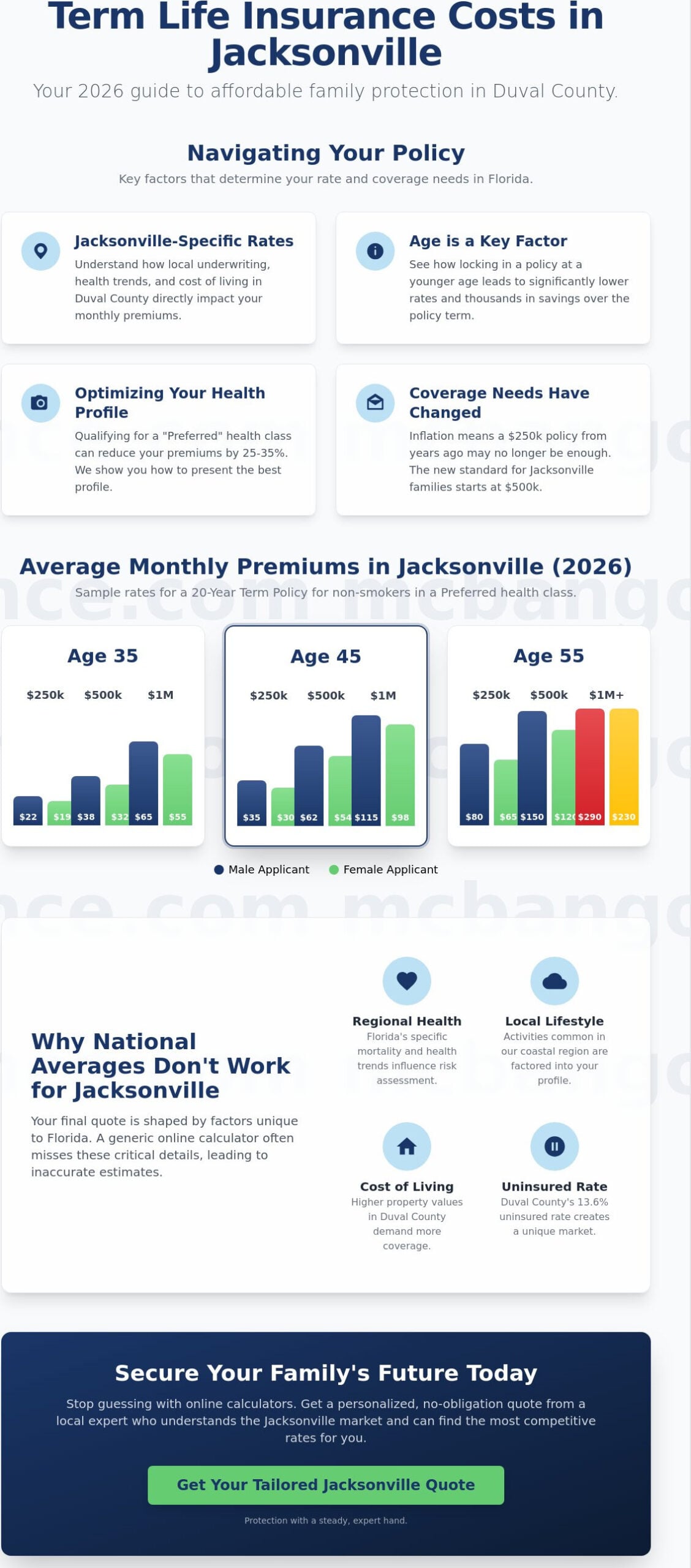
As you cross the age of 50, the structural mathematics of term life insurance undergo a significant shift, often characterized by an annual premium increase that reflects the heightened actuarial risk mortality presents to insurers. For policyholders, this phase of life requires a strategic reevaluation of coverage needs, as the cost of renewing or purchasing new term policies accelerates due to aging, health underwriting requirements, and the finite nature of mortality risk assessments.
The Actuarial Reality of Insurance Costs Post-50
Term life insurance operates on a foundation of actuarial science, which calculates premiums based on the probability of a claim being filed within the policy's duration. When you are younger, that probability is statistically low. However, once an individual passes the age of 50, the statistical curves for health complications and mortality begin to steepen. Insurers mitigate this increased risk by adjusting the mortality charges—the portion of your premium dedicated to paying out the death benefit—on an annual or term-renewal basis.
This "annual rise" is not merely an arbitrary inflation of prices; it is a direct reflection of your changing profile within the insurer's risk pool. While a 30-year-old might be viewed through the lens of long-term health, a 55-year-old is assessed based on current health status, pre-existing conditions, and the potential for chronic illness. As the policy term progresses or as you enter a new renewal phase after 50, the insurer recalibrates your premium to account for the proximity of the "mortality event," leading to the compounded cost increases many policyholders observe.
Understanding Premium Structures and Renewals
It is essential to distinguish between different types of life insurance cost increases. In a "Level Term" policy, your premium is locked in for a set period (e.g., 10, 20, or 30 years). If you purchased a 20-year term policy at age 40, your premium remains the same until you turn 60. The "annual rise" typically becomes a concern when that term expires, and you are forced to renew the coverage at current market rates, or if you hold an "Annual Renewable Term" (ART) policy.
Annual Renewable Term (ART) vs. Level Term
- Annual Renewable Term: These policies renew every year. The premium increases annually because the policyholder is one year older and statistically closer to the end of their life expectancy.
- Level Term: These policies offer consistent premiums for the duration of the term. Once the term expires, renewal premiums are typically based on your attained age and current health, often resulting in a sharp, non-linear increase in cost.
Key Factors Influencing Rate Hikes After 50
When you are over 50, insurers scrutinize health data with higher precision. Small changes in health metrics that were ignored at age 35 become critical at age 55. Several factors contribute to the accelerated cost of insurance as you age.
1. Attained Age
The most predictable factor is your attained age. In the insurance industry, "age-last-birthday" or "age-nearest-birthday" calculations are used to determine your risk class. Each year you age, the cost of coverage rises because the insurer has a shorter window of time to collect premiums before a potential payout.
2. Underwriting and Health Classes
After 50, the "Preferred" or "Super Preferred" health classes become increasingly difficult to qualify for. Even minor shifts in blood pressure, cholesterol levels, or body mass index (BMI) can result in a downgrade from a top-tier health class to a "Standard" or "Substandard" class. This change in classification often triggers a significant price jump, far exceeding the standard annual increase expected from aging alone.
3. Medical History and Chronic Conditions
The presence of chronic conditions—such as type 2 diabetes, hypertension, or a history of cardiovascular issues—often leads to "table ratings." These are surcharges applied to the base premium. As you age, the likelihood of developing these conditions increases, making it harder to secure affordable premiums compared to your younger years.
Comparison of Financial Impact by Age Bracket
The following table illustrates the conceptual shift in insurance cost dynamics as policyholders move through the later stages of their working and retirement years.
| Age Range | Primary Risk Factor | Premium Characteristic | Renewal Strategy |
|---|---|---|---|
| 30–45 | Future mortality | Level and predictable | Long-term locked rates |
| 46–55 | Early health decline | Slight, gradual increases | Maintaining existing term |
| 56–65 | Accelerated mortality | Steep, annual increases | Conversion to permanent |
| 66+ | High morbidity | Exponential cost rise | Focus on final expenses |
Managing Rising Costs: Strategies for the Policyholder
If you are facing an annual increase in your life insurance costs, you do not have to accept the premium hikes passively. There are several professional strategies to manage or mitigate these expenses while maintaining the necessary coverage.
Reviewing Conversion Privileges
Many term policies contain a "conversion privilege." This clause allows you to convert your term policy into a permanent life insurance policy (such as Whole Life or Universal Life) without undergoing a new medical exam. While permanent insurance has higher initial premiums, it avoids the annual increases associated with term renewals and provides coverage that lasts for your entire lifetime.
Laddering Coverage
"Laddering" involves purchasing multiple smaller term policies with different expiration dates. If you have a primary policy expiring at age 60, you might have another smaller policy that lasts until 70. This prevents the need to purchase a large, expensive policy later in life when premiums are at their peak.
Adjusting Death Benefit Requirements
As you approach 50 and beyond, your financial responsibilities often change. Your mortgage may be partially paid off, children may be financially independent, and your retirement savings might be more robust. By reducing the total death benefit of your policy to match your current, lower liability levels, you can often offset the rising per-thousand cost of insurance.
Common Mistakes When Evaluating Costs
- Canceling Too Early: Many people cancel their policy the moment they see a premium hike without checking the surrender value or conversion rights. Always consult with a licensed agent to see what non-forfeiture options exist.
- Ignoring Health Improvements: If you have successfully managed a condition (e.g., lost weight, lowered blood pressure) since your last policy review, you may be eligible for a "reconsideration" or a new medical exam to move into a better health class, potentially lowering your premiums.
- Assuming All Companies Price Equally: After 50, insurance companies diverge significantly in how they underwrite specific medical conditions. Some companies specialize in "impaired risk" underwriting, meaning they may offer significantly better rates for someone with a specific health history than a mass-market carrier.
Professional Guidance and Next Steps
Navigating the insurance market after 50 requires a shift from "buy and forget" to "active management." If you are currently seeing your premiums rise, your first step should be to request an "in-force illustration" from your current insurance provider. This document will show you the projected cost of your policy over the next decade.
Once you have this data, schedule a consultation with an independent insurance broker. Unlike "captive" agents who only sell products from one company, independent brokers can pull quotes from multiple carriers to see if you can qualify for a better health class or a more favorable policy structure elsewhere.
If your current health prevents you from qualifying for a new policy, prioritize maintaining your current coverage until you can execute a conversion to a permanent policy. Protecting your insurability—the ability to get coverage at all—is often more important than the temporary savings gained by canceling a policy when premiums start to rise.
Frequently Asked Questions
Why does my term insurance premium rise so sharply after 50? The rise is driven by actuarial tables. As you age, your statistical probability of death increases, requiring the insurer to collect higher premiums to cover the increased risk of paying out the death benefit. In renewal scenarios, you are also being underwritten at your current, older age, which typically results in higher rates.
Can I stop my premium from rising annually? If you have an Annual Renewable Term policy, the rise is built into the contract. You cannot stop it without changing the policy type. Switching to a "Level Term" or "Permanent" policy can lock in your rates, preventing further annual increases for the duration of the term or the life of the policy.
Is it better to convert my policy or buy a new one? Conversion is often better if your health has declined, as it typically does not require a new medical exam. If you are in excellent health, applying for a new policy might secure a lower "preferred" rate, but you risk being denied or rated higher if your health has changed.
What is a "table rating" and how does it affect me? A table rating is an extra charge added to your premium due to health or lifestyle risks. It is a common reason for significant price jumps after 50, as insurers apply these ratings more stringently to older applicants.
Should I reduce my coverage amount to save money? Reducing your coverage is a valid strategy if your financial obligations (debts, dependents) have decreased. Before doing so, calculate your remaining liabilities to ensure your surviving family members would not face a shortfall in the event of your death.
When should I start looking for a replacement policy? Begin evaluating your options at least six months before your current policy term expires. This allows time for medical underwriting and comparisons without a lapse in your existing coverage.
Next Action: Contact your insurance provider today to request a current policy statement and an in-force illustration. Use this information to determine if you are approaching a "renewal cliff" and consult an independent life insurance agent to compare these figures against current market offerings.