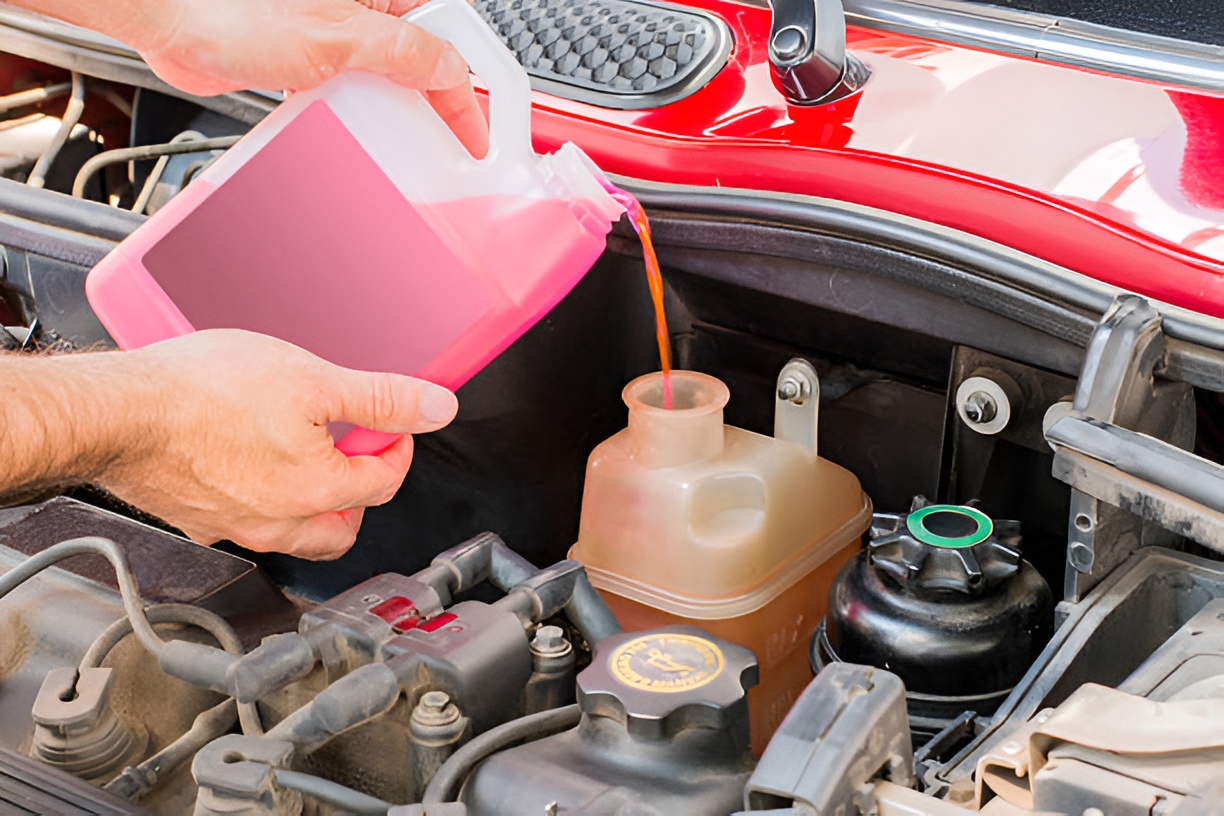
Changing the transmission fluid on a Ram 1500 is a vital maintenance procedure that ensures the longevity and smooth operation of your truck's drivetrain. Whether you drive an older model equipped with a traditional multi-speed automatic transmission or a modern variant featuring the ZF-licensed TorqueFlite 8-speed transmission, keeping fresh fluid circulating protects internal clutches, lubricates gears, and prevents catastrophic heat buildup.
Understanding Ram 1500 Transmission Systems and Fluid Types
Before sliding underneath your truck, it is essential to understand that not all Ram 1500 transmissions are built the same. The generation and transmission model of your truck dictate the specific fluid type, filter design, and procedural nuances required for a successful service.
Generations and Transmission Varieties
- Fourth Generation (2009–2018): Many of these models feature the 65RFE or 8HP70 (8-speed) transmissions. The 65RFE utilizes a deep steel pan with a spin-on internal filter and a flat secondary filter. The 8HP70 uses a composite plastic pan where the filter is entirely integrated into the pan bottom, meaning the entire pan must be replaced during a fluid change.
- Fifth Generation (2019–Present): Primarily utilizing the ZF-derived 8HP75 or 8HP50 8-speed automatic transmissions, these modern units demand strict adherence to fluid specifications and precise thermal leveling procedures.
Why Fluid Condition Matters
Automatic transmission fluid (ATF) performs hydraulic work, dampens vibration, and cools internal components. Over tens of thousands of miles, friction material from clutch packs, metal microscopic wear particles, and thermal breakdown degrade the fluid's viscosity and chemical additives. Neglecting a fluid change can lead to rough shifting, slip codes, and ultimately transmission failure.
Tools, Equipment, and Safety Preparation
Proper preparation prevents messy leaks, environmental contamination, and unsafe working conditions. Gathering specialized tools beforehand ensures you will not be stranded mid-project with an incomplete fluid swap.
Required Tools and Materials
- Transmission Fluid: Check your owner's manual or dipstick tag. For modern 8-speed units, ZF Lifeguard 8 or Mopar 8&9 Speed ATF is mandatory. Using non-compliant fluid can permanently damage clutch material.
- Filter/Pan Kit: For 8-speed transmissions, purchase a replacement plastic pan/filter assembly complete with a new gasket and bolts (since these pans often warp or come with integrated filters). For 65RFE transmissions, acquire the primary flat filter and spin-on secondary filter.
- Fluid Transfer Pump: Because fill ports are located on the side of modern transmissions, a hand pump or pneumatic fluid transfer tool is required to push new fluid upward into the fill hole.
- Socket Set and Torque Wrench: Metric sockets, extensions, and a torque wrench capable of measuring inch-pounds (crucial for delicate composite pans).
- Drain Pan, Rags, and Brake Cleaner: To catch old fluid and clean mating surfaces.
- Personal Protective Equipment (PPE): Safety glasses and chemical-resistant gloves.
Safety Considerations
Always lift your Ram 1500 on a sturdy automotive lift or support it securely on heavy-duty, rated jack stands. Never crawl under a vehicle supported solely by a hydraulic floor jack. Ensure the truck is on level ground so that fluid draining and later fluid-level checking procedures are accurate.
10-Step Guide for a Ram 1500 Transmission Fluid Change
Follow these sequential steps to perform a professional-grade transmission service on your Ram 1500.
TRANSMISSION SERVICE QUICK REFERENCE
| Preparation | Level surface, engine warm, safety gear | | Draining | Remove fill plug FIRST, then drain plug | | Pan Removal | Unbolt slowly, catch remaining fluid | | Component Swap | Replace filter / pan assembly | | Reassembly | Torque bolts to exact factory specs | | Filling | Pump fluid until it overflows | | Thermal Leveling | Run engine, monitor fluid temp via OBD2 |
Step 1: Warm Up the Transmission
Drive the truck for 10 to 15 minutes to bring the transmission fluid up to operating temperature. Warm fluid flows more freely and carries suspended contaminants and debris out of the system more effectively than cold fluid. Park on a flat surface, shift into Park, engage the emergency brake, and shut off the engine.
Step 2: Locate and Remove the Fill Plug First
Before draining a single drop of old fluid, always locate and loosen the fill plug (typically on the side of the transmission housing or integrated into the side of the plastic pan). If you drain the fluid first and find that the fill plug is seized or stripped, you will be unable to refill the transmission, leaving your truck stranded. Use the correct hex or Torx bit to break the fill plug loose, then thread it back in loosely.
Step 3: Drain the Old Fluid
Position your large drain pan underneath the transmission drain plug. Remove the drain plug and allow the dark, used fluid to empty completely. Depending on whether your Ram features a metal pan with a dedicated drain plug or an 8-speed composite pan, you may need to loosen the pan bolts gradually to let fluid escape from a corner once the main plug is removed.
Step 4: Drop the Transmission Pan
Carefully remove all remaining bolts securing the transmission pan. Support the pan with your hands as you remove the last few bolts, as it will likely still contain a cup or two of residual fluid. Lower the pan gently into your workspace to avoid spilling.
Step 5: Clean the Pan and Inspect Magnets
Inspect the bottom of the pan and the integrated or drop-in magnets. These magnets capture metallic wear debris from normal gear mesh. Wipe the magnets and the interior of the pan completely clean using lint-free shop rags and brake cleaner. Ensure no residue remains. If your truck has a composite pan with an integrated filter, discard the old pan entirely.
Step 6: Replace the Filter Element
- For 8-Speed Transmissions: Install your new OEM-spec composite transmission pan/filter assembly, ensuring the rubber O-ring seal is lightly coated in fresh transmission fluid and seated correctly in its groove.
- For 65RFE Transmissions: Pull downward firmly to remove the old spin-on filter (ensure the old rubber gasket comes off with it and does not stick to the bore), and unscrew the flat internal filter held by screws. Install the new filters in reverse order.
Step 7: Reinstall the Pan and Torque to Spec
Lift the pan back into position against the transmission housing mating surface. Hand-thread all bolts to ensure proper alignment without cross-threading. Using a calibrated torque wrench, tighten the bolts in a criss-cross pattern to the manufacturer's specified torque rating (typically measured in inch-pounds for composite pans to prevent cracking the plastic flange).
Step 8: Refill the Transmission Fluid
Remove the fill plug completely. Insert the hose of your fluid transfer pump into the fill port and pump fresh, manufacturer-approved transmission fluid into the housing. Continue pumping until the fluid begins to spill or dribble steadily out of the fill hole.
Step 9: Perform the Initial Level Check and Thermal Cycling
Temporarily thread the fill plug back in. Start the engine and let it idle with your foot firmly on the brake pedal. Cycle through each gear selector position (P-R-N-D and back), pausing for a few seconds at each gate to circulate fluid through the valve body and torque converter. With the engine still running, remove the fill plug again and top off the fluid until it reaches a steady trickle. Reinstall and snug the fill plug.
Step 10: Verify Operating Temperature and Final Level
Modern transmissions require precise fluid volumes dictated by fluid temperature. Using an advanced OBD2 scanner capable of reading live transmission fluid temperatures, monitor the temperature until it reaches the manufacturer's specified window (typically between 30°C and 50°C depending on the exact transmission code). Remove the fill plug one final time with the engine running; if a small stream drips out, the level is correct. Install a new fill plug seal if applicable and torque it to specification.
Common Mistakes to Avoid
Performing DIY maintenance on a Ram 1500 transmission saves considerable dealership labor costs, but certain missteps can lead to expensive component damage.
- Failing to Remove the Fill Plug First: This is the most common trap. Always verify you can open the fill port before draining the system.
- Using Generic or Incorrect Fluid: Pouring generic Dexron or multi-vehicle ATF into a modern ZF 8-speed transmission can cause erratic shifting, clutch burn-up, and seal degradation. Always match the exact specification called for by Ram.
- Ignoring Torque Specifications: Overtightening bolts on composite transmission pans will crack the plastic housing or warp the gasket, resulting in persistent leaks. Always use an inch-pound torque wrench.
- Neglecting Cleanliness: Transmission valve bodies operate on microscopic hydraulic tolerances. Even a small grain of dirt or lint from a dirty rag can clog a solenoid or valve channel, leading to shift delays.
Frequently Asked Questions
How often should I change the transmission fluid on a Ram 1500?
While older service schedules recommended changes every 60,000 to 100,000 miles, many modern sealed 8-speed units are marketed as "fill for life" by manufacturers. However, real-world mechanics and fleet operators recommend changing transmission fluid and filters every 50,000 to 60,000 miles, especially if the truck is used for towing, hauling heavy loads, or frequent stop-and-go driving.
Can I do a transmission fluid change without replacing the filter?
On traditional metal pans, you technically can drain and refill fluid without swapping filters, but it is poor practice because trapped debris remains in the old filter media. On modern Ram 1500 trucks equipped with 8-speed transmissions, the filter is physically built into the plastic pan; therefore, changing the filter and the pan is always required during a fluid service.
How much transmission fluid does a Ram 1500 take?
A standard drain and fill procedure for a Ram 1500 typically consumes between 5 to 7 quarts of fluid. However, if the torque converter is completely drained during a total overhaul or dry assembly, total capacity can exceed 9 to 12 quarts. Always measure what you drain and monitor the fill hole level rather than relying solely on estimated capacities.
Do I need a scan tool to change transmission fluid?
While you can perform a basic drain-and-fill without an OBD2 scanner, having a scan tool capable of reading live transmission fluid temperature is highly recommended. Modern 8-speed transmissions expand with heat, and checking the fluid level accurately requires confirming that the fluid is within a specific temperature range.
What are the warning signs that my Ram 1500 needs a transmission service?
Common symptoms include delayed engagement when shifting into Drive or Reverse, slipping gears, surging RPMs without acceleration, a burning smell, or dark, discolored fluid on the dipstick or inspection check.
Final Recommendation
Executing a transmission fluid change on your Ram 1500 requires patience, cleanliness, and strict adherence to fluid specifications and temperature guidelines. If you are comfortable working under a lifted vehicle and possess the necessary fluid transfer equipment, this project can be completed successfully in your home garage in under two hours. For truck owners lacking lift access or diagnostic scanners to read fluid temperatures, scheduling this service with a trusted certified mechanic or dealership ensures factory-level precision and long-term drivetrain reliability.