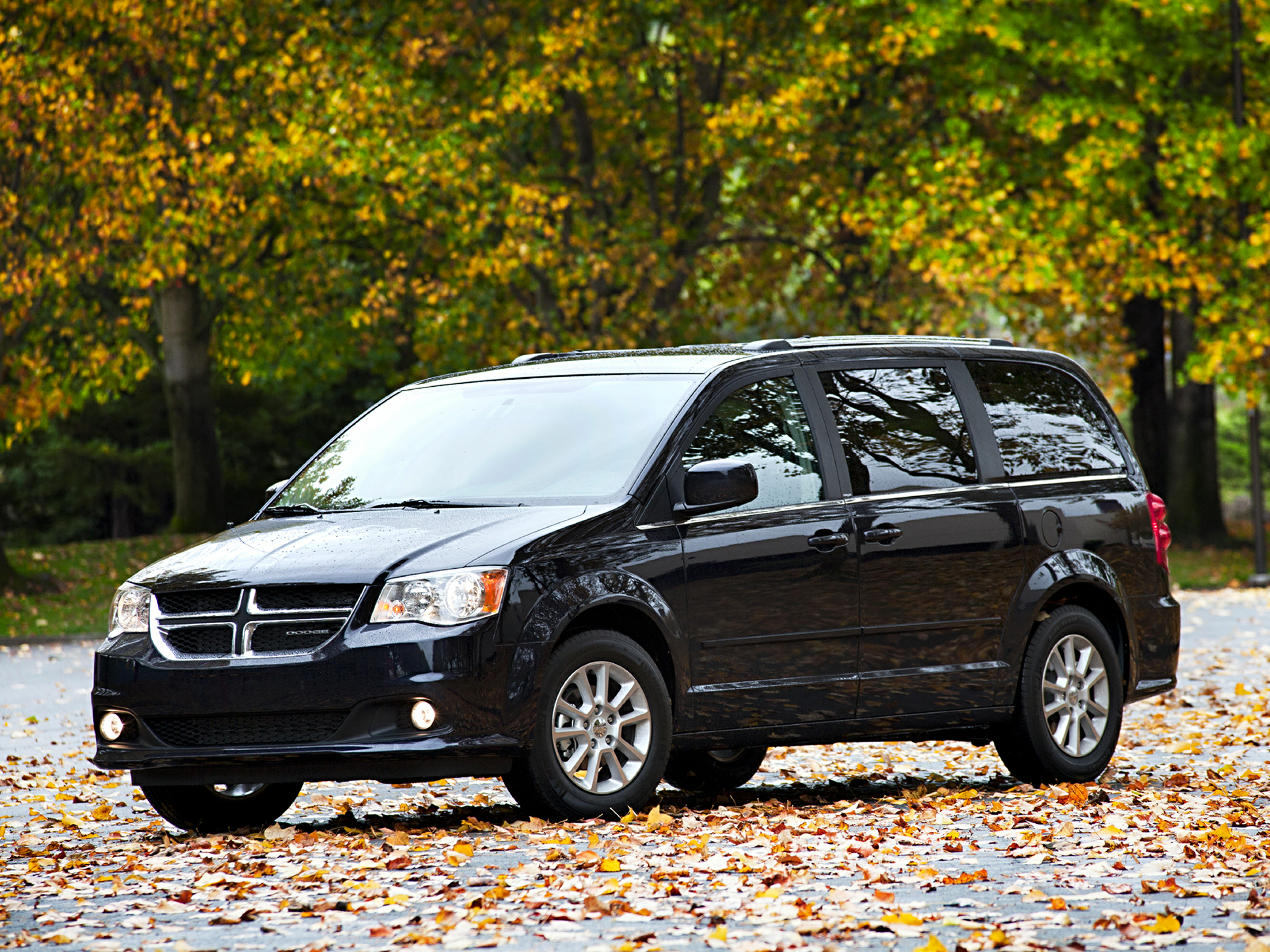
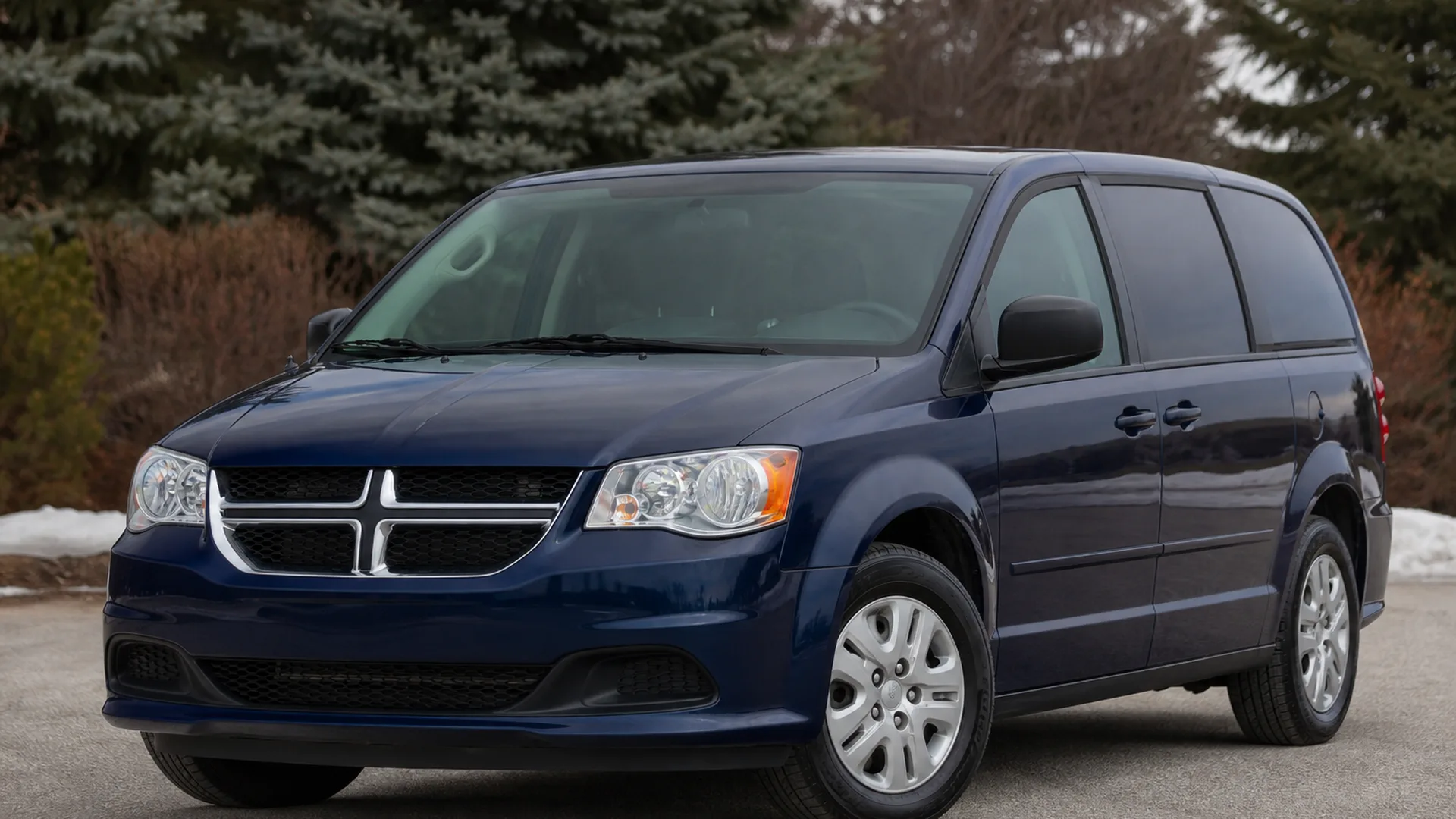
Finding the right Dodge Grand Caravan means navigating decades of production changes, transmission redesigns, and powertrain shifts to select a model year that delivers long-term durability, family-friendly versatility, and strong value. The Dodge Grand Caravan is a staple of the American automotive landscape, having defined the minivan segment for decades. While earlier models often battled well-documented transmission failures and interior trim degradations, later iterations evolved into highly refined, dependable people-movers. Choosing the best model year requires examining specific powertrain configurations, updates to the Stow 'n Go seating system, safety ratings, and common mechanical milestones.
Understanding the Evolution of the Dodge Grand Caravan
The Dodge Grand Caravan has a storied history spanning multiple generations, each bringing distinct engineering philosophies and market demands. To appreciate why certain model years stand out as the best, it is helpful to understand how the vehicle matured. Introduced in the mid-1980s alongside its Plymouth sibling, the minivan concept revolutionized family transportation. However, longevity, mechanical resilience, and feature sets varied wildly depending on the production era.
Early generations laid the foundation for interior packaging, but subsequent generations introduced technological leaps—most notably the revolutionary Stow 'n Go fold-in-the-floor seating introduced for the 2005 model year. The final major generation, running from 2008 through 2020, eventually stabilized around the robust 3.6-liter Pentastar V6 engine and a reliable six-speed automatic transmission. Recognizing these generational shifts helps buyers separate problematic production years from genuinely dependable investment choices.
Key Criteria for Evaluating Minivan Reliability
When compiling a list of the top model years for a used Dodge Grand Caravan, several objective metrics determine overall value and safety. Buyers should never rely solely on outward appearance or low mileage; mechanical integrity, component availability, and historical complaint data dictate true ownership satisfaction.
- Powertrain Durability: The longevity of the engine and transmission combination, specifically looking for freedom from chronic head gasket failures, excessive oil consumption, or premature automatic transmission failure.
- Safety Equipment and Crash Ratings: The inclusion of standard electronic stability control, side-curtain airbags, antilock brakes, and favorable ratings from the Insurance Institute for Highway Safety (IIHS) or the National Highway Traffic Safety Administration (NHTSA).
- Interior Functionality and Build Quality: Resistance to premature wear of electrical switches, sliding door mechanisms, climate control actuators, and interior upholstery materials.
- Parts Availability and Cost of Ownership: The ease of sourcing replacement parts, aftermarket support, and overall maintenance expenditures relative to the vehicle's resale value.
The Top 10 Best Model Years Ranked
Pinpointing the top 10 years requires balancing mechanical reliability, safety enhancements, and modern creature comforts. Below is a structured examination of the ten finest model years produced across the lifespan of the Dodge Grand Caravan.
1. 2020 Dodge Grand Caravan
As the final production year for the nameplate, the 2020 model benefited from over a decade of continuous manufacturing refinements. Stellantis (then FCA) streamlined the lineup into a few accessible trims, all featuring the time-tested 3.6-liter Pentastar V6 engine paired with a smooth six-speed automatic transmission. By 2020, virtually all historical electrical and transmission bugs from the early fifth-generation run had been resolved, making it an exceptionally reliable final-edition choice for budget-conscious families.
2. 2019 Dodge Grand Caravan
Sharing nearly identical mechanical DNA with the 2020 model, the 2019 Grand Caravan stands out for its strong value retention and lack of experimental updates. It retained the trusted Pentastar V6 powerplant, straightforward analog controls, and the practical Stow 'n Go seating system. Owners report fewer complaints regarding infotainment glitches compared to earlier iterations of the same generation, cementing its status as a dependable late-model buy.
3. 2018 Dodge Grand Caravan
The 2018 model year introduced minor adjustments, making the rearview camera standard across all trim levels to comply with federal regulations, which significantly boosted daily usability. Mechanically, the vehicle maintained the highly dependable 3.6-liter engine and six-speed automatic transmission combination. Build quality during this production run was exceptionally consistent, with factory assembly plants having ironed out tolerance issues seen in earlier 2010s variants.
4. 2017 Dodge Grand Caravan
Following a trim-level consolidation in 2017 that simplified shopping by reducing the number of available packages, this model year benefited from a mature infotainment interface and robust mechanical components. The 3.6-liter V6 engine continued to deliver reliable performance with minimal major engine complaints logged by federal oversight databases. It represents a sweet spot for buyers seeking modern styling and dependable mechanicals without breaking the bank.
5. 2016 Dodge Grand Caravan
The 2016 model year is widely regarded as one of the most trouble-free years for the fifth-generation platform. By this point, Dodge had resolved minor oil cooler housing leaks and thermostat housing issues that plagued some of the early Pentastar V6 engines from 2011 to 2013. The suspension components, braking systems, and electrical harnesses on 2016 models show high durability in high-mileage fleet and family service alike.
6. 2015 Dodge Grand Caravan
Offering an ideal blend of affordability and modern features, the 2015 model year benefited from mature manufacturing techniques. The interior materials utilized improved adhesives and plastics that resisted warping and peeling better than units built in 2011 or 2012. Mechanically stable and boasting widespread parts availability, the 2015 variant provides an accessible entry point into dependable fifth-generation ownership.
7. 2014 Dodge Grand Caravan
The 2014 model year brought subtle suspension refinements and improved sound deadening to the cabin, enhancing long-distance driving comfort. Under the hood, the 3.6-liter Pentastar V6 was fully settled into its production lifecycle. While earlier 2011–2013 models suffered from occasional valve guide wear issues in the cylinder heads, revised metallurgy implemented by 2014 largely eliminated this concern, making it a safe choice among used options.
8. 2010 Dodge Grand Caravan
For buyers searching for a budget-friendly option from the late fourth or early fifth generation, the 2010 model represents a transitional year. While it still offered legacy engine choices like the 3.8-liter V6 and 4.0-liter V6 paired with a six-speed automatic transmission (eschewing the problematic older four-speed units found in base trims of previous years), it avoided the initial launch pains of the major 2011 mechanical overhaul. When properly maintained, a 2010 model offers straightforward mechanical repairability.
9. 2008 Dodge Grand Caravan
As the debut year for the fifth generation, the 2008 model introduced the iconic Stow 'n Go and Swivel 'n Go seating configurations, completely transforming interior utility. While early production units required careful screening for initial quality bugs, surviving examples on the used market have typically had their weak points addressed through recalls or aftermarket upgrades. Its inclusion on this list relies heavily on its unmatched utility-to-price ratio for buyers on a strict budget.
10. 2005 Dodge Grand Caravan
Representing the fourth generation, the 2005 model year is notable for introducing the Stow 'n Go seating system to the automotive market, making second- and third-row seats fold completely flat into floor storage compartments. While fourth-generation transmissions (specifically the 41TE four-speed automatic) require meticulous fluid maintenance to avoid failure, well-kept 2005 models with documented transmission service histories offer exceptional utility for minimal financial investment.
Comparative Overview of Top Dodge Grand Caravan Years
| Model Year | Generation | Primary Engine | Transmission | Notable Advantages |
|---|---|---|---|---|
| 2020 | 5th Gen (Late) | 3.6L Pentastar V6 | 6-Speed Automatic | Final production year; highly refined build quality; zero early-gen bugs. |
| 2018 | 5th Gen (Mid) | 3.6L Pentastar V6 | 6-Speed Automatic | Standard rearview camera; mature mechanical components; stable resale. |
| 2016 | 5th Gen (Mid) | 3.6L Pentastar V6 | 6-Speed Automatic | Resolved early Pentastar oil cooler leaks; durable suspension components. |
| 2014 | 5th Gen (Early) | 3.6L Pentastar V6 | 6-Speed Automatic | Revised cylinder head metallurgy; improved cabin sound insulation. |
| 2005 | 4th Gen | 3.3L / 3.8L V6 | 4-Speed Automatic | Introduced Stow 'n Go seating; excellent budget utility if maintained. |
Powertrain Reliability: The Pentastar V6 vs. Older Engines
Understanding the mechanical heart of the Dodge Grand Caravan is critical when selecting a model year. Older models relied on a rotation of 3.3-liter, 3.8-liter, and 4.0-liter pushrod V6 engines. While these older powerplants were mechanically simple and generally robust, they were frequently paired with the 41TE four-speed automatic transmission, a unit notorious for high failure rates if transmission fluid changes were neglected.
The introduction of the 3.6-liter Pentastar V6 for the 2011 model year transformed the vehicle's performance and fuel efficiency. Producing 283 horsepower, the Pentastar offered brisk acceleration and modern engineering. However, early iterations (2011–2013) suffered from specific vulnerabilities:
- Cylinder Head Wear: Certain early-production Pentastar engines experienced premature valve guide wear, triggering check-engine lights and requiring cylinder head replacement under warranty.
- Oil Filter Housing Cooler Leaks: The plastic oil filter adapter housing was prone to cracking, leading to coolant and oil leaks. Later models received redesigned housings using more durable composite materials.
Choosing model years from 2014 onward ensures that these factory revisions were integrated during initial assembly, drastically reducing the likelihood of catastrophic powertrain failure.
Common Pitfalls to Avoid When Buying a Used Grand Caravan
Even among the best model years, buying a used minivan requires thorough inspection. Dealership lots and private sales often harbor neglected vehicles that can quickly drain a buyer's wallet.
Transmission and Drivetrain Inspection
For fourth-generation models (like the 2005 selection), always verify the maintenance history of the transmission. The fluid should be bright red and smell clean; dark fluid with a burnt odor indicates severe wear or impending clutch failure. For fifth-generation models, test-shift through all gears to ensure the six-speed automatic engages smoothly without slipping or hard-shifting into gear.
Sliding Door and Electrical Gremlins
Power sliding doors and rear liftgates are convenient features that can become expensive mechanical liabilities. Test the power doors multiple times from the interior buttons, key fob, and exterior handles. Listen for grinding noises or hesitation, which indicate failing door motors or worn tracks. Additionally, check all power windows, climate control blower speeds, and the infotainment head unit for intermittent electrical failures.
Suspension and Steering Wear
Due to their weight and frequent use as family haulers, Grand Caravans place heavy loads on suspension components. During a test drive, listen for clunking over bumps, which usually points to worn control arms, sway bar links, or strut mounts. Uneven front tire wear indicates alignment issues or sagging front suspension assemblies.
Maintenance Strategies for Long-Term Ownership
Securing a reliable model year is only the first step; maintaining a Dodge Grand Caravan requires adherence to a strict preventive maintenance schedule. Minivans used primarily for short city trips suffer from severe service conditions due to frequent stop-and-start cycles and moisture accumulation in exhaust systems.
- Frequent Transmission Fluid Changes: Despite manufacturer claims of "lifetime fluid," changing the transmission fluid and filter every 50,000 miles dramatically extends the lifespan of both four-speed and six-speed automatic transmissions.
- Cooling System Monitoring: Keep a close eye on coolant levels. The Pentastar engine's cooling system is sensitive to air pockets and minor leaks at plastic connectors; addressing small leaks immediately prevents costly head gasket damage.
- Suspension Refreshing: Plan for suspension component replacements around the 100,000-mile mark. Replacing struts, shocks, and ball joints restores factory ride comfort and prevents accelerated tire wear.
Frequently Asked Questions
What is the most reliable year for a Dodge Grand Caravan?
The 2020 model year is widely considered the most reliable because it represents the culmination of a decade of refinement for the fifth-generation platform, having resolved virtually all historical mechanical and electrical issues.
Are older Dodge Grand Caravans with Stow 'n Go seating dependable?
Yes, model years from 2005 onward introduced Stow 'n Go seating successfully, but fourth-generation models (2005–2007) require diligent maintenance of their four-speed transmissions to ensure long-term dependability.
What common problems should I look out for in fifth-generation models?
Buyers should inspect for oil cooler housing leaks, suspension wear in the front control arms, and proper operation of the power sliding doors. Models built between 2011 and 2013 should also be checked for historical cylinder head repairs.
Is the 3.6L Pentastar V6 engine a good motor?
The 3.6L Pentastar V6 is a powerful and generally durable engine, provided it is from the 2014 or later model years where factory cylinder head and oil filter housing material updates were fully implemented.
How many miles can a well-maintained Dodge Grand Caravan last?
With consistent oil changes, timely transmission service, and prompt attention to suspension components, a well-maintained Grand Caravan can easily surpass 200,000 miles of reliable family service.
Final Recommendation
For buyers seeking the ultimate combination of modern reliability, safety features, and family utility, targeting a 2016 to 2020 Dodge Grand Caravan yields the highest satisfaction and lowest risk of unexpected repair bills. Inspect any prospective purchase for a documented service history, verify smooth transmission operation, and test all interior electronic amenities before finalizing your purchase.