A 4-inch nominal pipe size (NPS) PVC pipe has an actual outside diameter (OD) of 4.500 inches. While referred to as "4-inch" in trade catalogs and general hardware discussions, this measurement is a standard nominal designation rather than a literal dimension, reflecting the industry-wide standardization of pipe sizing for pressure and drainage applications.
Understanding Nominal vs. Actual Dimensions
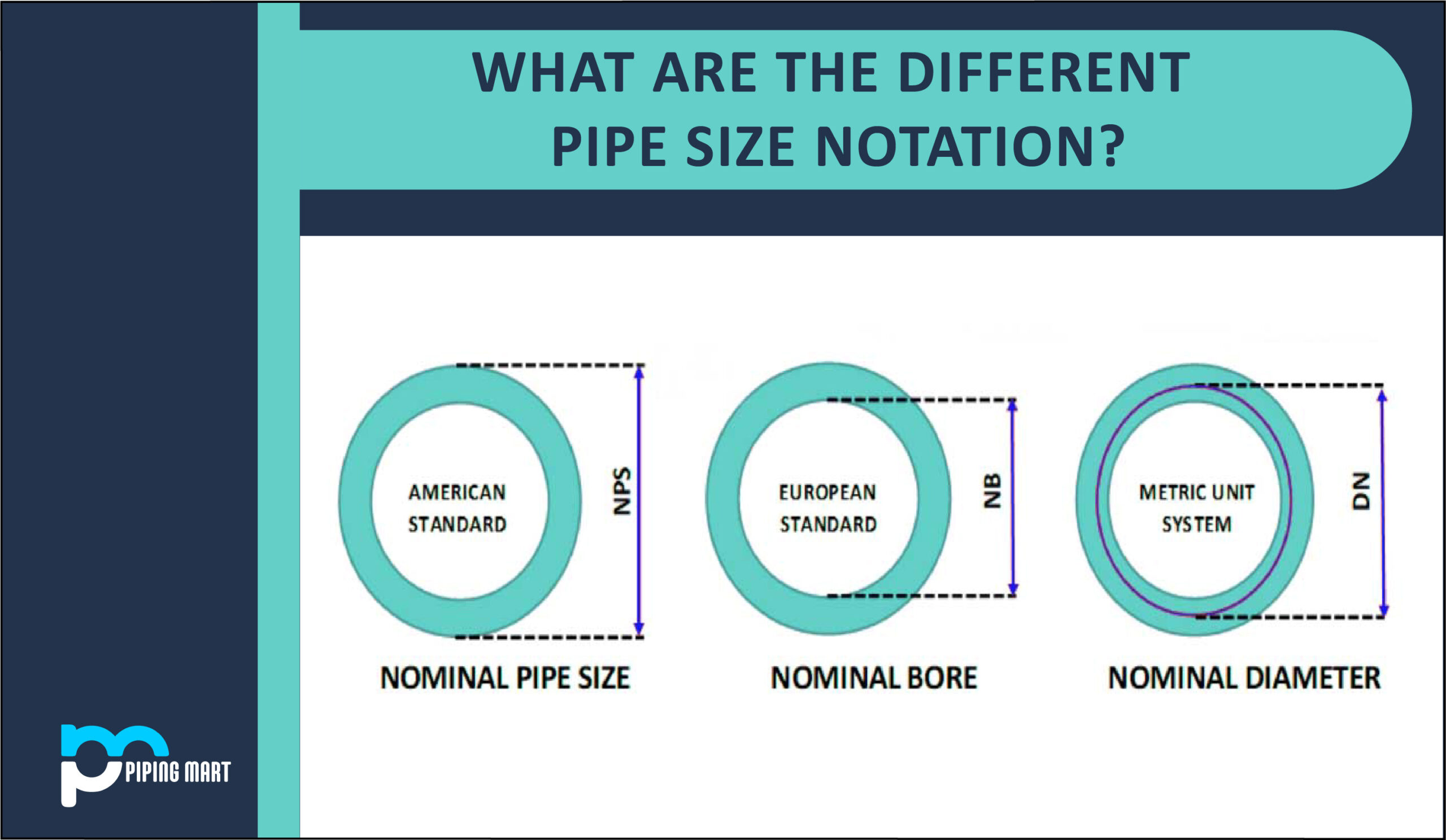
When working with PVC (polyvinyl chloride) piping, a common point of confusion for homeowners, contractors, and DIY enthusiasts is the difference between "nominal" pipe size and "actual" measurements. The term "4-inch" is a standard identifier used to categorize the pipe’s flow capacity and compatibility with fittings, rather than an exact physical width.
In the North American plumbing and irrigation industry, the nominal pipe size system was historically derived from the internal diameter of iron pipe. As plumbing technology evolved, the wall thickness of PVC piping changed to accommodate different pressure ratings while maintaining consistent outside diameters. This was necessary to ensure that a 4-inch valve, coupling, or elbow fitting could connect seamlessly to any 4-inch pipe, regardless of whether that pipe was thin-walled for drainage or thick-walled for high-pressure water supply.
Because the outside diameter must remain constant for compatibility with standard fittings, any variation in wall thickness—which defines the schedule of the pipe (e.g., Schedule 40 or Schedule 80)—is handled by adjusting the internal diameter. Therefore, a 4-inch pipe will always have an outside diameter of 4.500 inches, but its internal diameter will decrease as the wall thickness increases.
Standardization and ASTM Guidelines
The specifications for PVC pipe are dictated by standards set by ASTM International (formerly the American Society for Testing and Materials). These standards ensure that manufacturers across the globe produce components that fit together, regardless of the brand.
For standard PVC pressure pipe, the primary governing specification is ASTM D1785. This document outlines the physical dimensions, pressure ratings, and material requirements for Schedule 40, 80, and 120 pipes. Within these specifications, the outside diameter for a 4-inch nominal pipe is fixed at 4.500 inches with a specified tolerance (usually a small fraction of an inch to account for manufacturing variations).
If you are working with pipes labeled for different uses, such as DWV (Drain, Waste, and Vent) piping, these are often governed by different ASTM standards, such as ASTM D2665. Despite the differing intended uses and manufacturing standards, the outside diameter for 4-inch pipe remains consistent across these categories to ensure that fittings like sweep elbows, sanitary tees, and couplings are universally interchangeable.
Comparison Table: PVC Dimensions
The following table provides a quick reference for the physical dimensions of 4-inch PVC pipe compared to other common sizes. This data is critical when calculating trench widths, determining clearance in wall cavities, or selecting pipe hangers and clamps.
| Nominal Pipe Size (Inches) | Outside Diameter (Inches) | Primary Application |
|---|---|---|
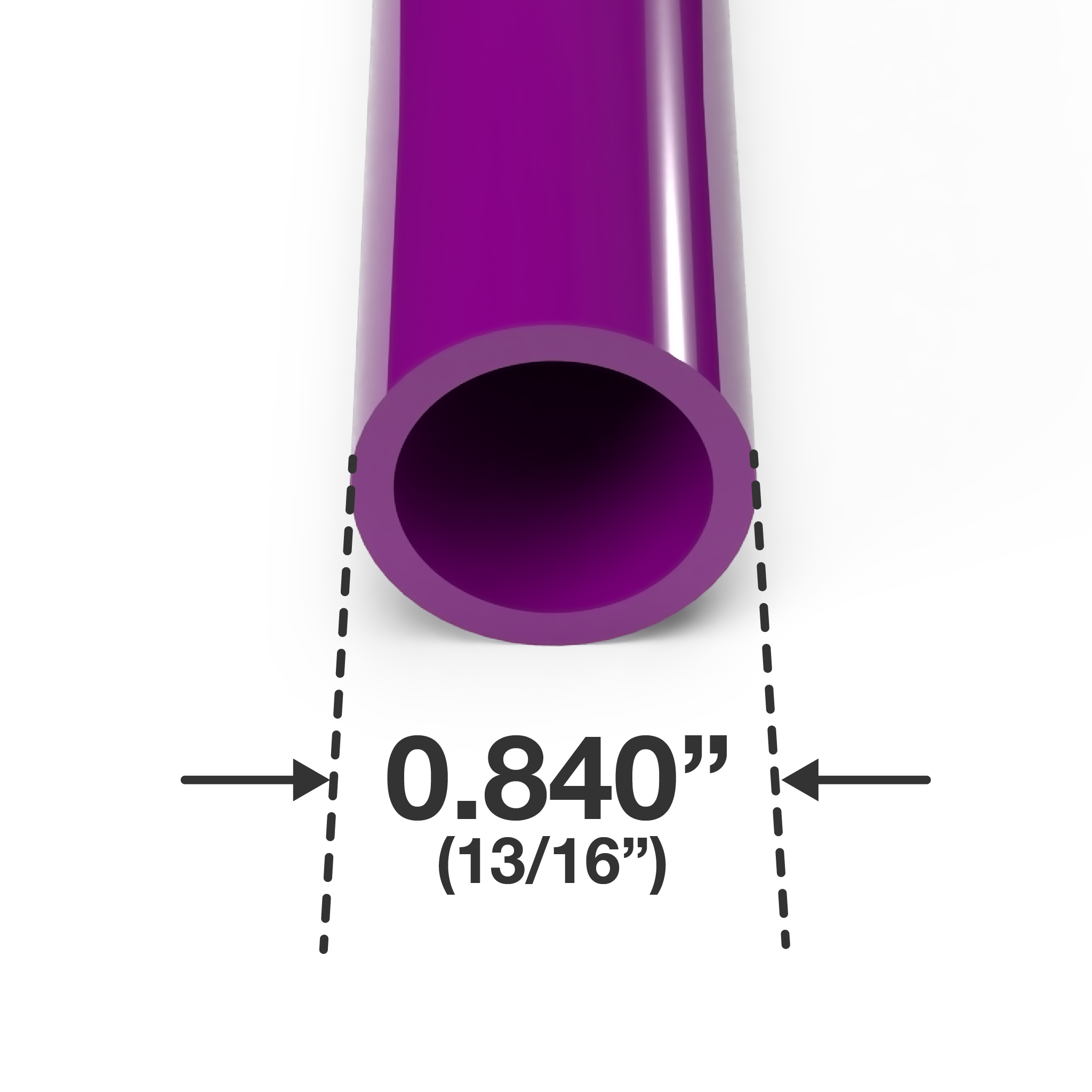
| 1/2" | 0.840" | Residential Water Lines |
| 1" | 1.315" | Supply/Irrigation |
| 2" | 2.375" | Drainage/Supply |
| 3" | 3.500" | Drainage/Main Stacks |
| 4" | 4.500" | Sewer/Large Drainage |
| 6" | 6.625" | Main Sewer Lines |
Note: All values provided represent the standard industry outside diameter. Measurements are consistent regardless of whether the pipe is designated as Schedule 40 or Schedule 80.
Why Wall Thickness Matters
While the outside diameter is always 4.500 inches, the wall thickness changes depending on the "Schedule" of the pipe. Understanding this is vital for projects requiring high-pressure resistance.
- Schedule 40 PVC: This is the most common type for residential irrigation and cold-water pressure applications. It has a wall thickness designed to handle standard municipal water pressures.
- Schedule 80 PVC: This pipe has a thicker wall, making the internal diameter smaller than Schedule 40. It is dark gray in color and is intended for high-pressure industrial or commercial environments where durability and chemical resistance are higher priorities.
- DWV (Drain, Waste, and Vent) Pipe: This pipe is often thinner than Schedule 40 pressure pipe. Because it is designed for gravity-fed systems rather than pressurized flow, the pipe is lighter and less expensive. It still maintains the 4.500-inch outside diameter so that it can be joined with standard fittings.
Practical Considerations for Installation
When planning your project, the 4.500-inch outside diameter measurement is essential for several practical tasks:
Pipe Clamping and Support
When securing pipes, you must select clamps or hangers sized specifically for the 4.500-inch diameter. Using a clamp meant for a 4-inch measurement that accounts for the inner diameter rather than the outer will result in a poor fit. Always verify the "pipe size" capacity of the hardware on the packaging, or measure the outer circumference of the pipe to ensure your supports provide a snug, non-abrasive grip.
Trenching and Spatial Planning
If you are running a 4-inch pipe through a trench or a hole in a structural member (such as a joist or stud), you must account for the 4.500-inch diameter plus a buffer. For instance, if you are boring holes through wooden studs for a 4-inch pipe, a hole exactly 4.5 inches wide would be too tight. Most building codes recommend a hole at least 1/4 inch to 1/2 inch larger than the pipe's outside diameter to allow for thermal expansion and to prevent the pipe from rubbing against the structural framing.
Measuring for Fittings
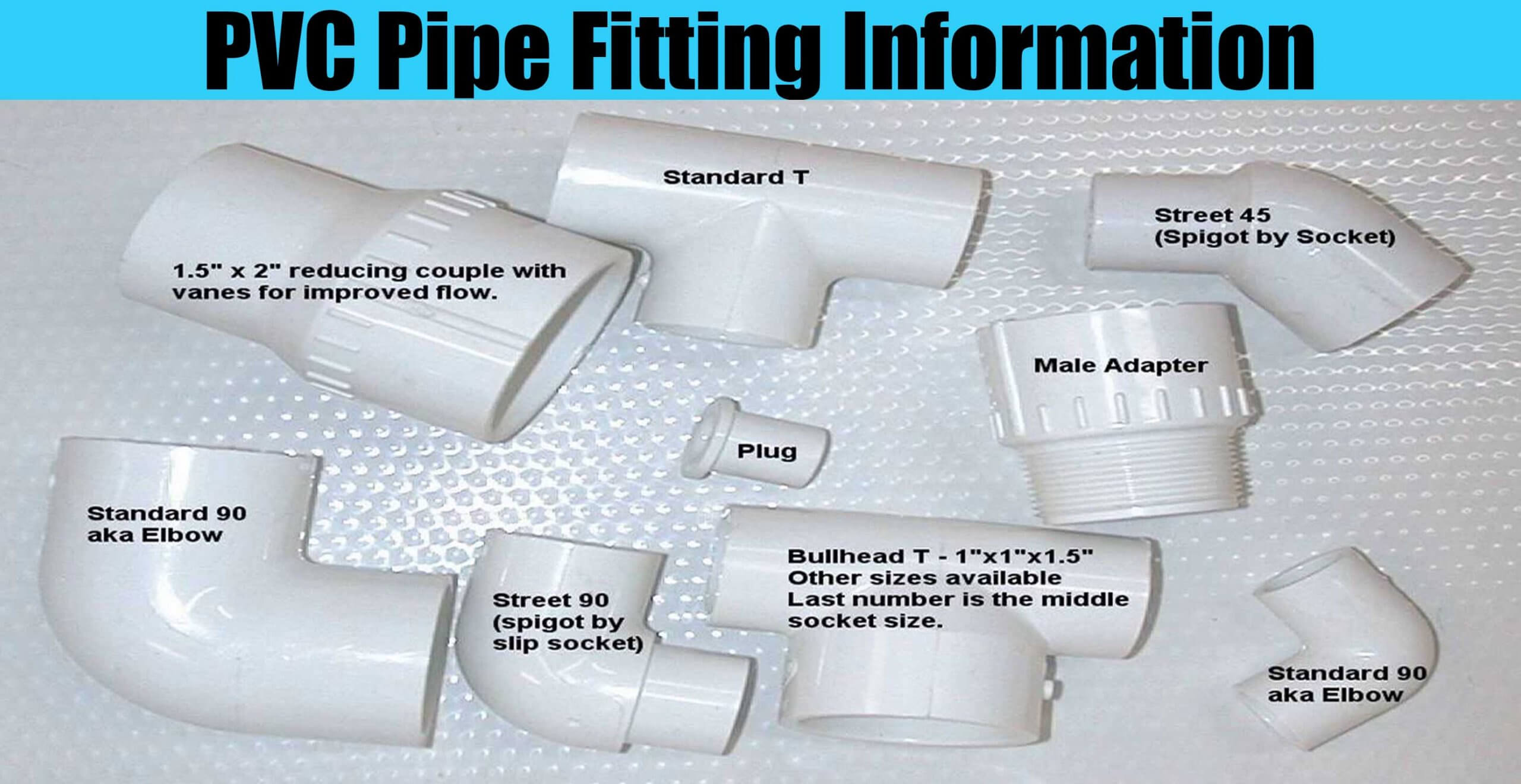
When purchasing fittings, look for the nominal size (4-inch). Because manufacturers standardize the outside diameter, a 4-inch elbow from one manufacturer will fit a 4-inch pipe from another. However, always ensure the material types are compatible. For example, if you are working with PVC, ensure the fittings are also PVC. Attempting to mix incompatible plastic types, such as PVC and ABS (often used for drain systems), requires specialized transition couplings rather than standard solvent welding.
Troubleshooting Common Measurement Errors
The most common mistake when measuring PVC is relying on a tape measure across the "face" or the circular end of the pipe. Because the pipe wall is rounded, it is easy for a tape measure to slip, resulting in an inaccurate measurement.
If you are unsure of your pipe's size, do not measure the hole in the center. Instead:
- Measure the Circumference: Use a flexible tailor's tape or a piece of string. Wrap it around the outside of the pipe.
- Calculate the Diameter: Take the circumference (for a 4-inch pipe, this will be approximately 14.14 inches) and divide it by Pi (3.14159). The result will lead you directly to the 4.500-inch outside diameter.
- Check Markings: Most PVC pipe is printed with the nominal size, the ASTM standard, and the schedule rating along the side. If the pipe is older or the ink has faded, a quick circumference measurement is the most reliable method for verification.
Professional Advice and Safety Limitations
While the information provided here reflects standard sizing for North American PVC piping, always verify your specific project requirements against local building codes. In some jurisdictions, the use of certain pipe thicknesses is strictly regulated, particularly for pressurized sewage or high-pressure water systems.
PVC pipe should never be used for compressed air or gas lines unless explicitly rated by the manufacturer for such applications. PVC can shatter under compressed air, creating dangerous shards. Always consult a licensed plumber or an engineer if you are undertaking significant modifications to a home’s plumbing or irrigation system. When in doubt, prioritize the safety standards specified by the manufacturer's data sheets, which supersede general reference guides.
Frequently Asked Questions
Is a 4-inch PVC pipe exactly 4 inches wide on the outside? No. A 4-inch nominal PVC pipe has an outside diameter of exactly 4.500 inches. The "4-inch" label refers to a historical nominal standard, while the actual physical diameter is larger to accommodate the pipe walls and structural integrity.
Does the outside diameter change if I switch from Schedule 40 to Schedule 80? No, the outside diameter remains a constant 4.500 inches. The difference between Schedule 40 and Schedule 80 is the wall thickness. A Schedule 80 pipe will have a thicker wall, which reduces the internal diameter compared to Schedule 40, but the exterior dimensions remain identical to ensure compatibility with standardized fittings.
What is the best tool to measure the outside diameter accurately? For the most precise measurement, a set of large calipers is ideal. However, for most field applications, a flexible measuring tape wrapped around the pipe's circumference is sufficient. Dividing the circumference (approximately 14.14 inches) by 3.14 will confirm the 4.500-inch diameter.
Can I use a 4-inch pipe fitting on a pipe that is not PVC? Generally, no. Different piping materials, such as ductile iron, copper, or galvanized steel, have different standard outside diameters for the same nominal size. You must use transition couplings or specific mechanical adapters if you intend to connect two different types of piping materials.
Where can I find the official specifications for my specific pipe? Most PVC pipe has the standard (e.g., ASTM D1785), the size (4-inch), and the schedule (e.g., Schedule 40) printed directly on the exterior of the pipe. If the markings are unreadable, you can contact the manufacturer listed on the pipe or use the circumference-to-diameter calculation to identify the size.
Next Steps for Your Project
To ensure a successful installation, start by confirming the "Schedule" of your existing pipes if you are performing a repair. Once you have identified whether you are working with Schedule 40 or a thinner DWV grade, verify that your connectors and fittings match that specific pressure rating. Always dry-fit your components—placing the pipes and fittings together without cement—to confirm that the 4.500-inch outside diameter aligns correctly with your fittings before applying any solvent. If you are retrofitting, clean the pipe thoroughly to ensure a watertight bond when the final assembly occurs.